
 Pevita Pearce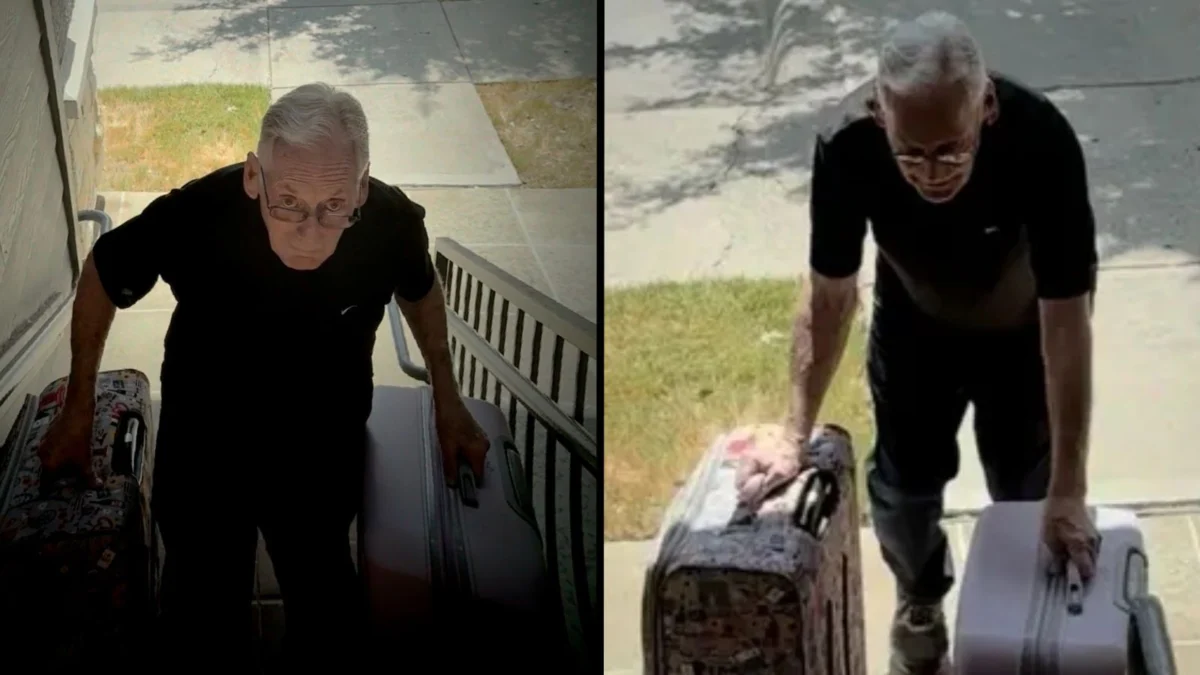
An 81-year-old delivery driver from Texas, whose grueling work schedule and physical struggle caught the attention of a sympathetic customer, has become the latest beneficiary of a massive grassroots fundraising effort that highlights the intersection of the American gig economy and the rising costs of elder care. Don Johnson, an octogenarian who has been working 14-hour days to cover his wife’s mounting medical expenses, is the subject of a viral campaign that has raised more than $250,000 in a matter of days, offering a potential path to retirement for a man who believed he would have to work for the rest of his life.
The story began when a woman named Erin, a resident who had recently lost her luggage during travel, witnessed Johnson delivering her heavy bags to her doorstep. Despite his advanced age, Johnson was seen navigating stairs and lifting substantial weight, a task necessitated by his employment as a contract delivery driver. Moved by the sight of the elderly man performing such strenuous labor, Erin engaged him in conversation and eventually shared his story on social media, sparking a wave of international support that has rapidly transformed the lives of Johnson and his wife, Josephine.
The Reality of Senior Employment in the Gig Economy
The case of Don Johnson is not an isolated incident but rather a visible symptom of a broader economic trend in the United States. While many younger individuals utilize platforms like Uber, DoorDash, and Amazon Flex as "side hustles" to supplement their primary income, an increasing number of retirees are returning to the workforce out of financial necessity. For Johnson, the work was not a choice but a survival mechanism. He told local news outlets that he frequently drove to different states and worked shifts lasting upwards of 14 hours to keep pace with the cost of living and healthcare.
Data from the Bureau of Labor Statistics indicates that the labor force participation rate for individuals aged 75 and older is expected to grow by nearly 100% over the next decade. This shift is driven by several factors, including the erosion of traditional pension plans, the inadequacy of Social Security payments in the face of inflation, and, most significantly, the skyrocketing cost of medical treatment for chronic illnesses. In Johnson’s case, the primary driver was his wife’s 57-year battle with health issues, most recently a severe diagnosis of cancer.
A Life-Changing Encounter and the Power of Social Media
The transition from a struggling delivery driver to the recipient of a life-changing sum of money occurred with remarkable speed. After witnessing Johnson’s dedication, Erin established a TikTok account titled "Help Don Retire" and launched a GoFundMe campaign with an initial goal of $300,000. The campaign description painted a poignant picture of the couple’s situation: "The reality is that he isn’t working by choice; he is working for survival. His beautiful wife of 57 years, Josephine, is currently fighting a severe battle against cancer. The staggering medical bills, continuous treatments, expensive prescription medications, and everyday costs of living have completely overwhelmed them."
The narrative resonated with millions of users across social media platforms, leading to a surge of donations. Within a week, the campaign surpassed the $250,000 mark. The funds are intended to provide the Johnsons with the financial security needed to allow Don to cease his delivery work and remain at home to care for Josephine during her treatment. Erin noted that at an age when most people are resting, Johnson was "out on the road lifting heavy bags just to keep her alive and cared for."
The Financial Burden of Healthcare for the Elderly
The Johnsons’ financial distress is a reflection of the systemic challenges regarding healthcare costs for seniors in the United States. Despite the availability of Medicare, many elderly couples find themselves facing "the gap"—out-of-pocket expenses for specialized cancer treatments, high-tier prescription drugs, and long-term care that are not fully covered by federal insurance.
According to a study by the Kaiser Family Foundation (KFF), nearly one in ten adults aged 65 and older have significant medical debt. For those dealing with oncology-related expenses, the costs can be catastrophic. The price of modern cancer therapeutics often reaches into the tens of thousands of dollars per month, and even with insurance, co-payments and deductibles can quickly deplete a lifetime of savings. For Don Johnson, the only viable solution was to leverage his remaining physical strength to generate cash flow, a strategy that is becoming increasingly common among the "young-old" and "old-old" demographics.

Chronology of the Fundraising Effort
The timeline of the "Help Don Retire" campaign illustrates the rapid-response nature of modern digital philanthropy:
- Initial Encounter: In mid-September, Don Johnson delivers lost luggage to Erin’s home. Erin records the encounter and learns of his wife’s illness.
- Social Media Launch: Erin posts the footage to TikTok, explaining Johnson’s circumstances. The video receives millions of views within 48 hours.
- GoFundMe Establishment: A verified fundraiser is created to centralize donations. The initial goal is set at $300,000 to cover medical debt and provide a retirement cushion.
- Viral Expansion: National news outlets, including NBC and various digital publishers, pick up the story, leading to a second wave of donations from a global audience.
- Reaching the Milestone: By late September, the total exceeds $250,000, with over 10,000 individual donors contributing to the cause.
In an interview with NBC 5, Johnson expressed his disbelief at the turn of events. "For her to do that was a miracle," he said, referring to Erin’s initiative. "We didn’t ask for it, but it helps so much, and I look forward to the day that I can help people just like I’m being helped now."
Historical Precedents of Viral Senior Philanthropy
Don Johnson is one of several seniors who have recently seen their lives transformed by the "viral fundraiser" phenomenon. This trend suggests a growing public awareness of the financial precarity facing the elderly.
In March 2024, the internet rallied around 78-year-old Richard Pulley, a DoorDash driver who was seen delivering food in inclement weather to pay for his wife’s medical bills. That campaign eventually raised nearly $1 million. Similarly, an 88-year-old veteran named Ed Bambas received over $2 million in donations after a TikTok video showed him working five days a week to make ends meet.
While these stories are often framed as "heartwarming" by the media, they have also sparked a critical dialogue regarding the social safety net. Analysts suggest that the reliance on crowdfunding for basic survival and medical care indicates a failure of existing social structures to protect the most vulnerable members of the population. When retirement becomes a luxury that must be "unlocked" through viral fame, it raises questions about the sustainability of current economic models for the aging population.
Analysis of Implications and the Future for the Johnsons
The immediate impact for Don and Josephine Johnson is one of profound relief. The $250,000 raised thus far is expected to clear their existing medical debts and provide a significant fund for Josephine’s ongoing cancer treatments. Perhaps more importantly, it allows Don to reclaim his time. For a man who was spending 70 to 80 hours a week on the road, the ability to stay home and provide emotional and physical support to his wife of over half a century is invaluable.
However, the broader implications for the labor market remain complex. The "unretirement" trend is likely to persist as long as healthcare costs continue to outpace the growth of Social Security and pension benefits. Gig economy platforms, while providing "flexible" work, often lack the benefits—such as health insurance, workers’ compensation, and retirement matching—that were standard in the traditional employment models under which today’s seniors spent most of their careers.
As the "Help Don Retire" campaign nears its $300,000 goal, the story serves as both a testament to individual compassion and a stark reminder of the economic hurdles facing millions of American seniors. For now, the internet has ensured that one 81-year-old man can finally put down the heavy luggage and spend his remaining years where he is needed most: at his wife’s side. The campaign remains active, with supporters continuing to contribute in hopes of reaching the final target and ensuring a permanent end to Johnson’s days on the road.




 Jia Lissa
 Yuyun Lusiyani
 Joko Widodo
 Eva Lovia
