
 admin
admin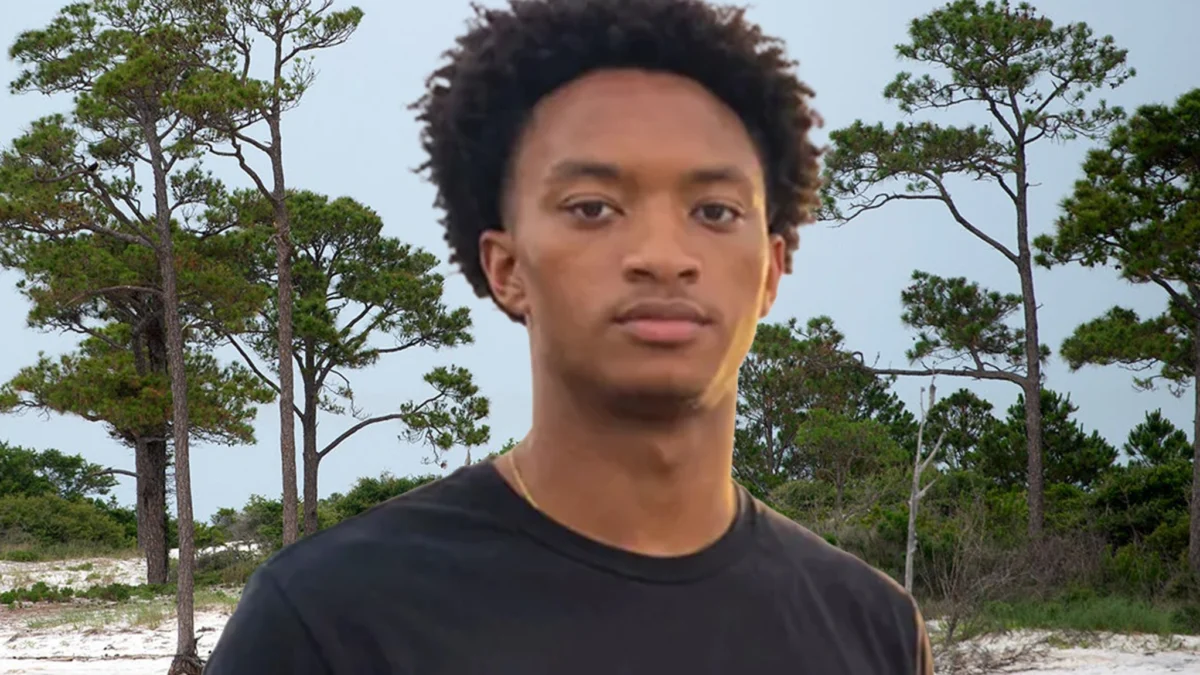
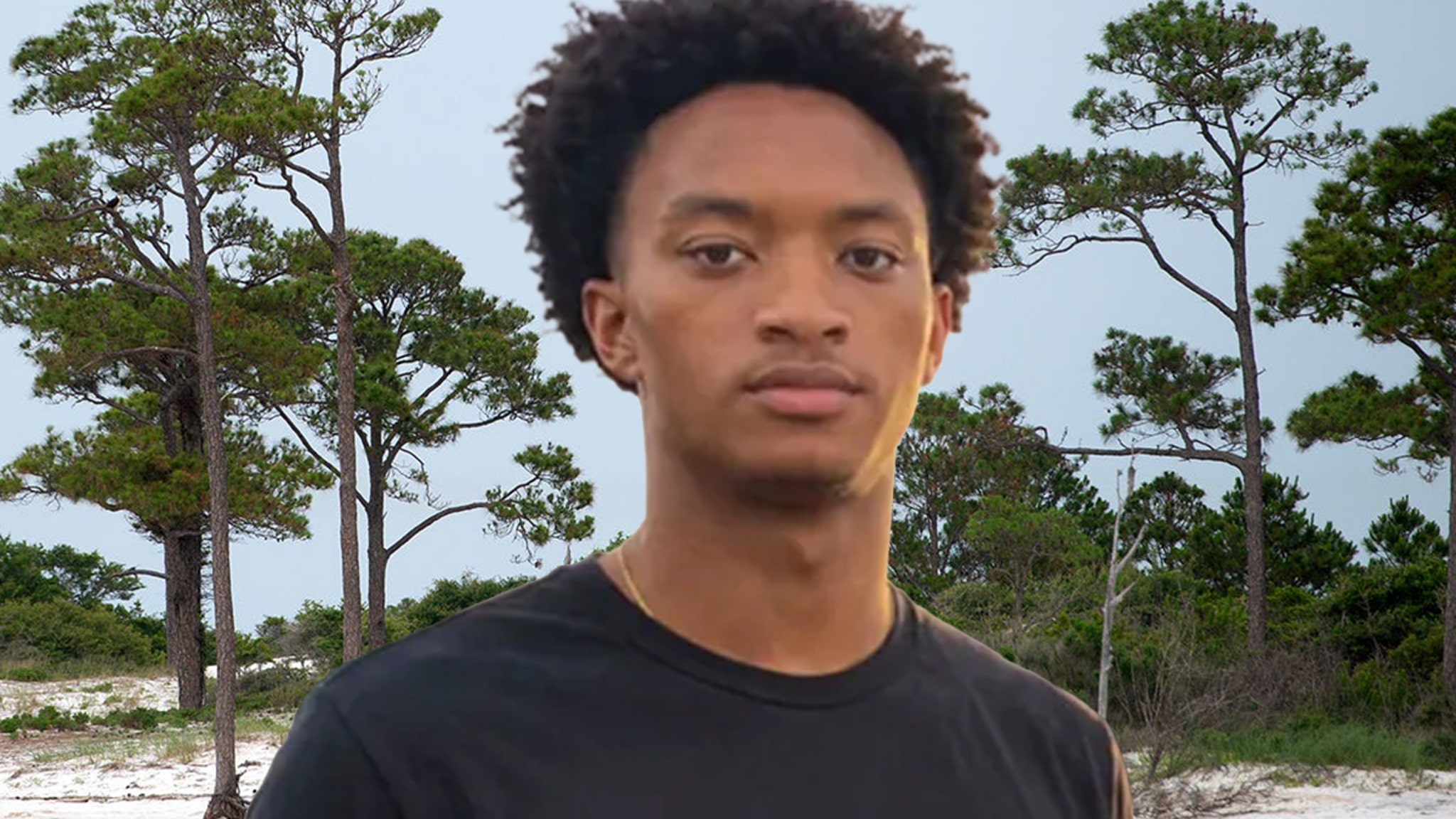
Jackson County District Attorney Angel Myers McIlrath issued a scathing public statement on Thursday, directly challenging claims made by prominent civil rights attorney Ben Crump regarding alleged new evidence in the death of 17-year-old Nolan Wells. McIlrath’s rebuke, delivered hours after Crump held a press conference asserting the discovery of deleted messages on Wells’ cell phone, carried an unusually sharp tone, culminating in a demand for Crump’s team to "stop playing games" and immediately provide any substantive evidence of murder to her office. This escalating public exchange underscores the deep divisions and high stakes surrounding the unresolved death of the teenager, which has captivated national attention and sparked calls for further investigation.
The Genesis of a Public Dispute: Crump’s New Evidence Claims
The latest volley in this contentious case began earlier on Thursday when Ben Crump, representing the family of Nolan Wells, convened a press conference. Flanked by a forensic expert hired by his legal team, Crump presented what he purported to be significant new findings related to Wells’ cell phone. The central assertion was that data, specifically messages on the popular social media platform Snapchat, had been deleted from the device. Crump and his expert suggested that this deletion could indicate foul play or a deliberate attempt to conceal information, thereby challenging the official narrative surrounding Wells’ death. The announcement aimed to reignite public interest and pressure authorities to re-examine the circumstances that led to the tragic loss of the young man.
Crump’s press conference detailed the methods employed by his hired forensic team, who reportedly conducted an independent analysis of Wells’ digital devices. The expert outlined how certain data streams, particularly those associated with ephemeral messaging apps like Snapchat, showed anomalies consistent with user-initiated deletion or manipulation. The implication, as conveyed by Crump, was that these missing communications could hold crucial clues about Wells’ final hours or interactions, potentially revealing a different story than the one currently accepted by the grand jury. He emphasized that the Wells family deserved a complete and transparent accounting of their son’s death, and that these new findings warranted a fresh and thorough look by law enforcement.
District Attorney McIlrath’s Vehement Rebuttal
However, District Attorney Angel Myers McIlrath swiftly and unequivocally dismissed Crump’s assertions, providing her own interpretation of the alleged digital anomalies. In her official statement, McIlrath directly countered Crump’s claims about deleted texts, clarifying that the "user action discussed by [Crump’s team] is from other Snapchat users, not someone physically accessing Nolan Wells’ phone." This technical distinction is critical, suggesting that any missing messages are a result of the sender deleting their own messages or the inherent ephemeral nature of Snapchat, rather than someone tampering with Nolan Wells’ device directly.
McIlrath further challenged the integrity of Crump’s public presentation, asserting that if his team possessed genuine evidence to the contrary, they had failed to provide it to her office. She meticulously detailed the extensive evidence already reviewed by the grand jury, which included "cell phone downloads, surveillance data, GPS data, and the printed report of Nolan’s cell phone." This comprehensive list aimed to demonstrate the thoroughness of the initial investigation and to underscore that the official inquiry had already considered a wide array of digital information. The DA’s office maintains that their forensic analysis of Wells’ phone and associated digital data has been exhaustive and consistent with their findings. Her pointed remarks reflected a growing frustration within the District Attorney’s office regarding what they perceive as public grandstanding rather than cooperative legal process.
The DA’s statement highlighted the procedural expectations in such high-profile cases. When new evidence surfaces, particularly evidence that purports to challenge official conclusions, the standard protocol is for that evidence to be submitted directly to the investigating authorities for review and verification. McIlrath’s insistence that Crump’s team "stop playing games" and "immediately provide it to me" was a clear signal that she views the public announcement as a tactic to exert pressure rather than a genuine effort to advance the investigation through proper legal channels. This public call-out also subtly implied that Crump’s actions could be undermining the investigative process by creating public confusion and mistrust.
A Tragic Disappearance and the Grand Jury’s Findings
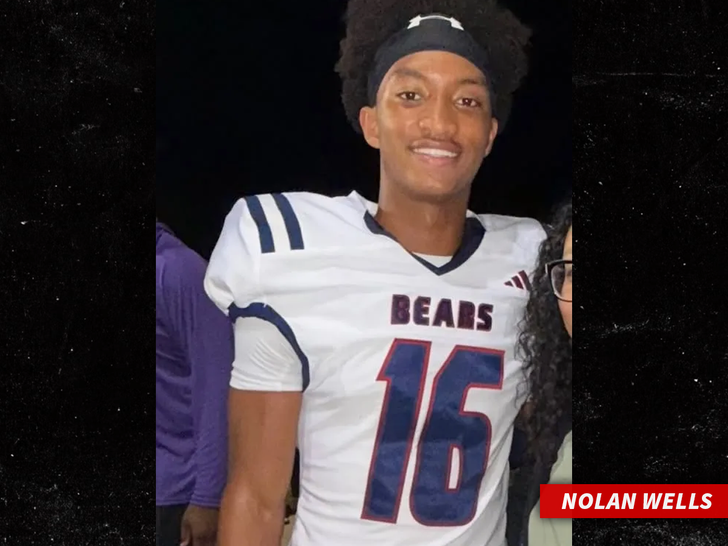
The controversy surrounding the cell phone evidence is the latest development in the tragic case of Nolan Wells, whose disappearance on July 4th, 2026, during a boat outing sent shockwaves through the community. Wells was last seen with three companions – Warren Hudson, Jax Pitalo, and Morgan Seymour – on a local waterway. The initial search effort was extensive, involving multiple agencies and community volunteers, desperate to locate the missing teenager.
Two days later, on July 6th, Nolan Wells’ body was discovered, bringing a somber end to the search but initiating a new phase of intense scrutiny and investigation into the circumstances of his death. The discovery of the body immediately raised questions, fueling speculation and concern among Wells’ family and the wider public.
Following the recovery, an exhaustive investigation was launched by local law enforcement, culminating in a grand jury review. Grand juries, typically composed of citizens, are tasked with determining whether there is sufficient probable cause to issue an indictment, meaning to formally bring criminal charges. In Nolan Wells’ case, the grand jury undertook a meticulous examination of all available evidence. This process included hearing testimony from an astonishing 43 witnesses, ranging from the companions on the boat to first responders and forensic experts. Furthermore, the grand jury was presented with a vast array of technical data, including comprehensive cell phone downloads, detailed GPS data from various devices, and extensive surveillance footage collected from the area around the incident.
Despite this thorough review, the grand jury returned a "no true bill." This legal term signifies that the grand jury found insufficient probable cause to file criminal charges against anyone involved. While the panel indicated that the circumstances of Wells’ death were consistent with drowning, a definitive cause and manner of death for Nolan Wells officially remain "undetermined." This lack of a conclusive determination has been a persistent source of anguish and frustration for Wells’ family, who have publicly expressed their belief that more to the story exists than what has been officially concluded. The "undetermined" status leaves open the possibility of various scenarios, including accidental drowning, suicide, or even homicide, thus fueling the ongoing calls for further inquiry and leaving a cloud of uncertainty over the case.
The Role of Ben Crump and High-Stakes Advocacy
Ben Crump, known nationally for representing the families of victims in high-profile civil rights and wrongful death cases, became involved in the Nolan Wells case to advocate for the family’s quest for justice and closure. Crump’s involvement often signals an intention to challenge official narratives, pursue independent investigations, and exert public pressure on legal authorities. His strategy typically involves leveraging media attention to highlight perceived discrepancies or inadequacies in official investigations, thereby rallying public support and pushing for renewed scrutiny.
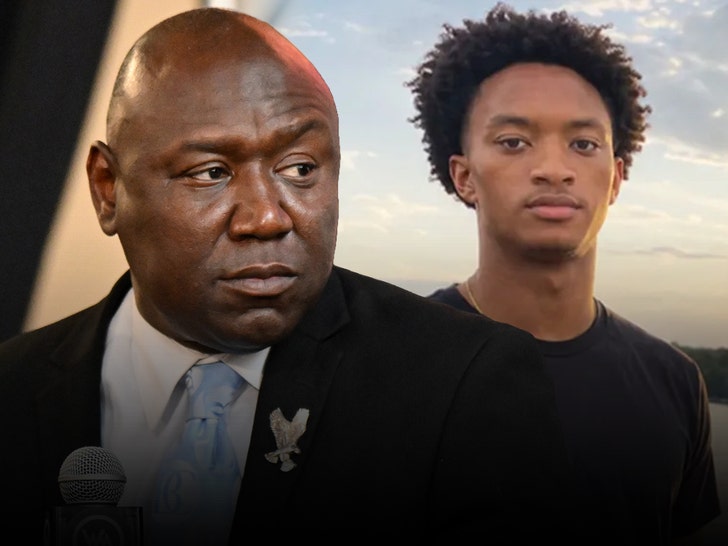
Crump’s past work on cases that have garnered significant national attention has established him as a powerful voice for families seeking answers when official channels appear to fall short. His entry into the Wells case brought with it increased media focus and an expectation that his team would unearth new information or offer alternative interpretations of existing evidence. This approach, while effective in raising awareness and mobilizing public opinion, can often lead to friction with law enforcement and prosecutorial bodies, who typically prefer investigations to proceed quietly and within established legal frameworks. The current public spat with DA McIlrath is a textbook example of this dynamic, where the differing approaches to justice and information dissemination clash.
Digital Forensics and the Intricacies of Cell Phone Data
The core of the current dispute lies in the interpretation of digital evidence, specifically cell phone data. In modern investigations, cell phones are treasure troves of information, containing communications, location data, browsing history, and app usage that can provide crucial insights into a person’s activities and interactions. However, the interpretation of this data, especially from dynamic and ephemeral platforms like Snapchat, can be complex and subject to different expert analyses.
Snapchat, by its design, emphasizes transient communication, where messages and media are often set to disappear after viewing or a short period. This ephemeral nature means that recovering "deleted" data from Snapchat can be challenging. A user deleting their own message, or the app’s auto-delete function, is distinct from someone physically accessing a device and manually wiping data. McIlrath’s clarification that the "user action" was from "other Snapchat users" implies that any missing messages were either deleted by the sender, or simply expired as per the app’s design, rather than indicating a breach or intentional deletion from Nolan Wells’ specific device by another party.
Forensic experts employed by law enforcement typically use specialized tools and techniques to extract and analyze data from mobile devices. These tools can sometimes recover data that appears "deleted" to the average user but still resides in fragmented form on the device’s memory. However, the completeness and interpretability of such recovered data can vary significantly. The DA’s office, having conducted its own thorough forensic examination, would likely have a detailed understanding of the data present on Wells’ phone and what could or could not be recovered, and critically, who initiated any deletion. This technical distinction is vital to understanding the differing interpretations presented by Crump’s team and the District Attorney.
Legal Tensions, Public Scrutiny, and the Quest for Closure
The public confrontation between District Attorney McIlrath and attorney Ben Crump highlights the inherent tensions that can arise in high-profile cases, particularly when an official investigation yields an "undetermined" conclusion. For the Wells family, the ambiguity surrounding Nolan’s death is agonizing, and they are desperately seeking definitive answers. Crump’s advocacy reflects this familial desire for a more conclusive explanation, pushing for every possible avenue of inquiry.
However, the DA’s office is bound by legal standards of evidence and probable cause. McIlrath’s strong reaction suggests that she perceives Crump’s public statements as potentially undermining the integrity of the investigative process and creating undue public pressure without offering legally admissible, verifiable new evidence. The "Stop Playing Games!!!" exhortation is not merely an expression of frustration but a legal demand for Crump to follow established protocols if he genuinely possesses information that could alter the case’s trajectory.
This public dispute also places the Jackson County legal system under renewed scrutiny. The community, already shaken by Nolan Wells’ death and the inconclusive grand jury findings, is now witnessing a public disagreement between legal figures, which could further erode public trust if not handled transparently and effectively. The implications extend beyond this specific case, touching upon broader questions of accountability, the role of independent investigations, and the balance between public interest and legal due process.
Next Steps and Unanswered Questions
As the public exchange continues, the critical next step, as demanded by DA McIlrath, is for Ben Crump’s team to formally submit any new evidence they claim to possess to the District Attorney’s office. This would allow official investigators to review the forensic findings, conduct their own verification, and determine if the information indeed warrants reopening the grand jury proceedings or pursuing new investigative leads. Without this formal submission, the claims remain in the realm of public assertion rather than actionable legal evidence.
For the Wells family, the quest for a definitive answer regarding Nolan’s death remains paramount. While the official stance points towards a drowning with undetermined cause, the family and their legal counsel continue to explore every possibility, driven by a deep conviction that the full truth has yet to emerge. The current dispute over cell phone evidence underscores the profound challenges in achieving closure when digital footprints are complex, and the initial official conclusions leave lingering questions. The community, watching these developments closely, awaits any further substantive information that might finally bring clarity and resolution to the tragic death of Nolan Wells. The road to justice, in this deeply emotional and legally intricate case, appears far from over.




 Jia Lissa
 Yuyun Lusiyani
 Joko Widodo
 Eva Lovia

 Pevita Pearce