
 admin
admin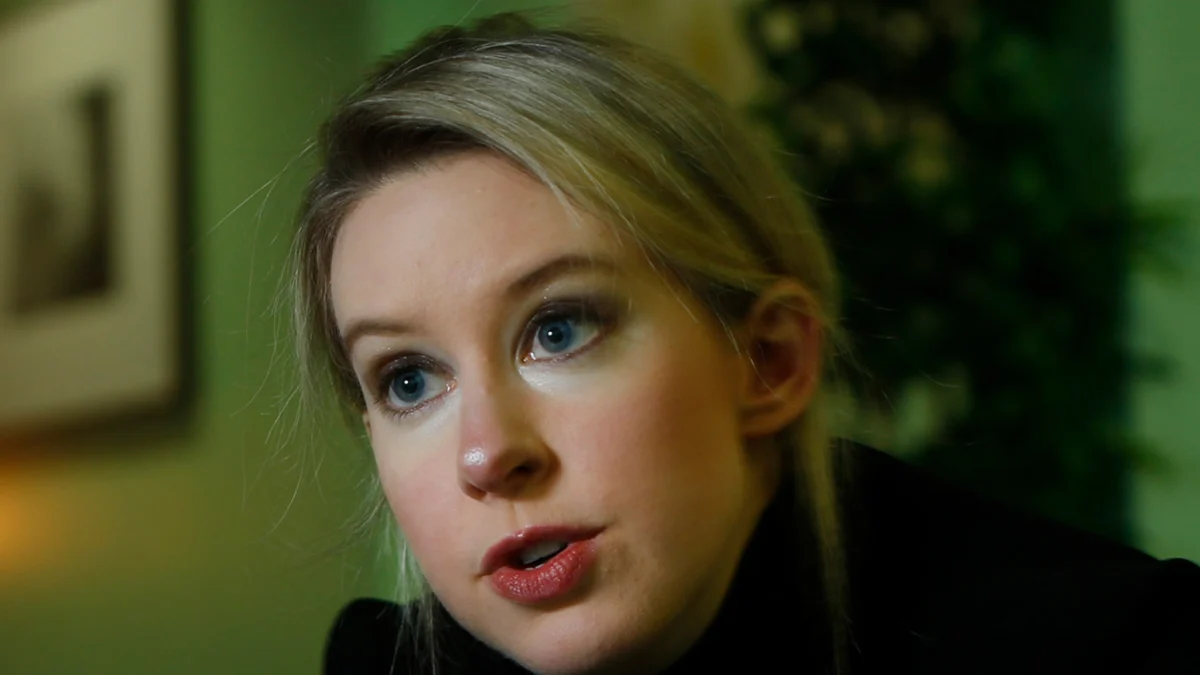
Convicted Theranos founder Elizabeth Holmes is facing stringent post-release conditions, including an explicit prohibition from contacting the numerous investors she defrauded, a group from whom she was convicted of swindling over $452 million. This directive, detailed in recently obtained court documents, marks a significant aspect of her supervised release following her upcoming departure from federal prison. The mandate underscores the judiciary’s commitment to protecting victims and ensuring a clear separation between the perpetrator and those harmed by her elaborate scheme.
The former CEO of the now-defunct blood-testing startup Theranos is specifically barred from initiating any communication with 14 identified victims of her scam, unless expressly directed to do so by a probation officer. This condition is part of a comprehensive set of rules governing her life after incarceration, designed to monitor her activities and facilitate her reintegration into society while upholding accountability for her crimes. The strictures reflect the severity of the fraud perpetrated, which captivated Silicon Valley and the broader public, exposing the darker side of unchecked ambition and deceptive innovation.
The Downfall of a Silicon Valley Icon: A Brief History of Theranos
Elizabeth Holmes, once hailed as the youngest self-made female billionaire, founded Theranos in 2003 at the age of 19, dropping out of Stanford University with a vision to revolutionize healthcare. Her promise was audacious: a proprietary device, dubbed "Edison," capable of performing a multitude of blood tests using only a few drops of blood, ostensibly making diagnostic testing faster, cheaper, and more accessible. This narrative, coupled with Holmes’s distinctive persona – her deep voice, black turtlenecks, and intense gaze – drew comparisons to Steve Jobs and attracted an unprecedented level of investment and media attention.
Theranos quickly amassed an impressive roster of high-profile investors and board members, including former Secretaries of State George Shultz and Henry Kissinger, former Secretary of Defense James Mattis, and media mogul Rupert Murdoch. Walgreens and Safeway, two retail giants, entered into lucrative partnerships with the company, envisioning Theranos Wellness Centers within their stores. At its peak, Theranos was valued at an astonishing $9 billion, epitomizing the "fake it till you make it" ethos often celebrated in Silicon Valley.
However, beneath the veneer of innovation and groundbreaking technology lay a foundation of deception. Doubts began to surface in the mid-2010s, initially from former employees and eventually culminating in a series of investigative reports by John Carreyrou of The Wall Street Journal, beginning in 2015. Carreyrou’s articles meticulously exposed how Theranos’s technology was largely non-functional, with the company secretly relying on modified commercial blood analyzers for most tests, rather than its proprietary Edison machines. Whistleblowers like Tyler Shultz (grandson of George Shultz) and Erika Cheung provided crucial internal evidence, detailing the company’s systematic misrepresentation of its capabilities to investors, partners, and the public.
Regulatory scrutiny swiftly followed. The Centers for Medicare & Medicaid Services (CMS) found severe deficiencies at Theranos’s Newark, California, laboratory, threatening to revoke its operating license. The U.S. Food and Drug Administration (FDA) also raised concerns about the company’s unapproved devices. These revelations triggered a rapid unraveling of Theranos’s reputation and business operations, leading to the voiding of tens of thousands of test results and a cascade of lawsuits. The company, once a beacon of biotech promise, was eventually dissolved in 2018.
The Legal Reckoning: Indictment, Trial, and Conviction
The federal government initiated criminal proceedings against Holmes and her former COO and ex-boyfriend, Ramesh "Sunny" Balwani, in 2018. They were indicted on multiple counts of wire fraud and conspiracy to commit wire fraud, alleging that they knowingly misled investors and patients about Theranos’s technology and financial health.
Holmes’s trial, which commenced in September 2021, became a focal point of national and international media attention. The proceedings offered a rare glimpse into the inner workings of a high-stakes startup and the intricate web of alleged deception. Prosecutors presented compelling evidence, including internal emails, text messages, and testimonies from former employees and defrauded investors, illustrating how Holmes and Balwani intentionally misrepresented the accuracy and capabilities of their blood-testing technology. Key to the prosecution’s case was demonstrating that Holmes was aware of the severe limitations and inaccuracies of the Edison device while simultaneously soliciting vast sums of money from investors under false pretenses.
Holmes herself took the stand, testifying for several days and attempting to shift blame onto Balwani, alleging abuse. However, her defense ultimately failed to sway the jury entirely. After a lengthy deliberation period, Holmes was found guilty on January 3, 2022, of three counts of wire fraud and one count of conspiracy to commit wire fraud against Theranos investors. She was acquitted on charges related to defrauding patients. Balwani was tried separately and convicted on all 12 counts of fraud and conspiracy in July 2022.
Sentencing and Incarceration Timeline
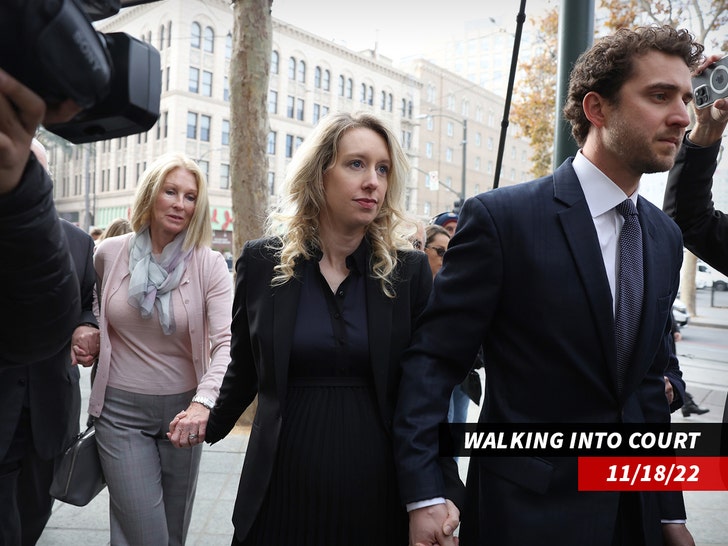
Following her conviction, Elizabeth Holmes was sentenced on November 18, 2022, to 11 years and 3 months (135 months) in federal prison, along with three years of supervised release. Judge Edward Davila, who presided over the trial, emphasized the need for a sentence that would deter others from similar white-collar crimes and reflect the profound financial and emotional damage inflicted upon the victims. The judge also ordered her to pay $452 million in restitution, a sum that represents the collective losses of the defrauded investors.
After a series of appeals and delays, Holmes began her incarceration on May 30, 2023, at the Federal Prison Camp (FPC) Bryan in Bryan, Texas. FPC Bryan is a minimum-security facility for female inmates, often referred to as "Camp Fed," known for its relatively less restrictive environment compared to higher-security prisons. This facility typically houses individuals convicted of non-violent offenses, including many white-collar criminals.
In March 2026, Holmes’s sentence was reportedly reduced by approximately one year, a common occurrence in the federal system due to good behavior credits and other factors. This adjustment shifted her projected release date.
Conditions of Supervised Release: A Detailed Look
The conditions of Elizabeth Holmes’s supervised release are extensive and designed to ensure accountability, prevent recidivism, and protect the public. Beyond the explicit prohibition on contacting victims, several other key stipulations will govern her life for three years post-incarceration:
-
Restitution Payments: Holmes is mandated to make substantial restitution payments to her investor victims, totaling over $452 million. This includes specific amounts such as $40 million to Walgreens and more than $14 million to Safeway, reflecting their significant investments and losses. Collecting such a large sum from a convicted individual, especially one whose personal assets have likely been depleted by legal fees and judgments, presents a formidable challenge. While a payment plan will undoubtedly be established, the likelihood of all victims fully recovering their losses is often low in such cases. The symbolic importance of the restitution order, however, remains paramount, acknowledging the financial harm inflicted.
-
Financial Scrutiny: To monitor her ability and willingness to fulfill her restitution obligations and to prevent any future illicit financial activities, Holmes must grant her probation officer full access to her financial records. This includes her tax returns and authorizes the probation officer to perform regular credit checks. This level of financial oversight is a standard, yet critical, component of supervised release for individuals convicted of financial crimes, ensuring transparency and adherence to legal mandates.
-
Mental Health Treatment: Another significant condition is her required participation in a mental health treatment program. This is often a component of rehabilitation for federal offenders, particularly in cases involving complex psychological factors that may have contributed to criminal behavior. Such programs aim to address underlying issues, promote healthier coping mechanisms, and support successful reintegration.
-
DNA Collection: As is standard protocol for federal felons, Holmes will be required to provide a DNA sample for collection. This is a routine procedure for identification and database purposes within the criminal justice system.
-
Property Searches: Holmes must subject herself to searches of her residence, office, vehicle, or any other property. This condition allows probation officers to monitor for compliance with all release terms, prevent the accumulation of illicit materials, or detect any activities that might indicate a propensity for further criminal conduct. It serves as a deterrent and a mechanism for continuous oversight.
Transition to Halfway House and Final Release
Before her full release, Holmes is slated for transfer to a halfway house, a common transitional step for federal inmates. This move to the Austin Transitional Center in Del Valle, near Austin, Texas, is expected to occur "next year," meaning sometime in 2027, given the article’s publication date of September 25, 2026. Such facilities, also known as residential re-entry centers, are designed to help inmates gradually transition back into society by providing structured environments that support employment, counseling, and community reintegration while still maintaining a degree of supervision.
Victims of Elizabeth Holmes’ fraud are slated to receive official notification on August 23, 2027, regarding her upcoming transfer to the halfway house, as reported by ABC’s Rebecca Jarvis. This advance notice is a measure to inform those impacted by her crimes about her movements and help them prepare for her increased proximity to the general public.
The federal Bureau of Prisons has set Holmes’s official release date as February 22, 2030. This means she will reside at the Austin Transitional Center for a few years, living under supervision, before completing her full sentence. Her time in the halfway house will involve strict curfews, mandatory employment or educational activities, and continued monitoring by federal authorities.
Broader Impact and Implications
The Elizabeth Holmes saga and its aftermath have left an indelible mark on various sectors, from the legal system to the tech industry.
-
Victim Perspective: For the numerous investors, both large corporations like Walgreens and Safeway, and individual high-net-worth investors, the financial losses were substantial. Beyond the monetary damage, many expressed feelings of betrayal and anger. The no-contact order provides a measure of psychological protection, preventing any potential attempts at manipulation or further distress from Holmes. While full financial recovery remains uncertain, the court-ordered restitution and ongoing supervision offer a degree of justice and acknowledgment of their suffering.
-
Legal Precedent for Tech Fraud: The Theranos case has become a landmark prosecution for white-collar crime in the technology sector. It sent a clear message that the "fake it till you make it" culture, when it crosses the line into deliberate deception and fraud, will be met with severe legal consequences. The conviction of Holmes, a charismatic founder who leveraged her narrative and connections to raise billions, demonstrated that even the most well-connected individuals are not immune to justice. It underscored the distinction between ambitious promises and outright lies, particularly when dealing with investor funds and public health.
-
Impact on Startup Culture and Due Diligence: The Theranos scandal prompted a significant re-evaluation of investor due diligence practices, especially in the opaque world of private tech startups. Investors are now reportedly more cautious, demanding greater transparency, independent validation of technology, and more rigorous financial disclosures. The case has fostered a healthier skepticism towards hyperbolic claims and encouraged deeper scrutiny of scientific and technological claims, particularly in highly regulated fields like healthcare. It reinforced the importance of independent scientific review over celebrity endorsements and charismatic leadership.
-
Public Perception of Innovation: The story of Elizabeth Holmes captivated the public, evolving from a narrative of groundbreaking innovation to one of spectacular fraud. It raised questions about the ethics of entrepreneurialism, the pressures within Silicon Valley to achieve rapid growth at any cost, and the responsibility of the media in vetting nascent companies. Her transformation from a celebrated visionary to a convicted felon has become a cautionary tale, illustrating the thin line between ambition and deception.
As Elizabeth Holmes prepares for her transition to a halfway house and eventual full release, her journey through the federal justice system continues to serve as a powerful reminder of the consequences of corporate fraud and the enduring pursuit of accountability for those who betray public trust and investor confidence. Her post-release conditions are not merely punitive but are critical components of a system designed to protect, deter, and, where possible, rehabilitate, even as the specter of her past actions continues to cast a long shadow.




 Jia Lissa
 Yuyun Lusiyani
 Joko Widodo
 Eva Lovia

 Pevita Pearce