
 Amara Maple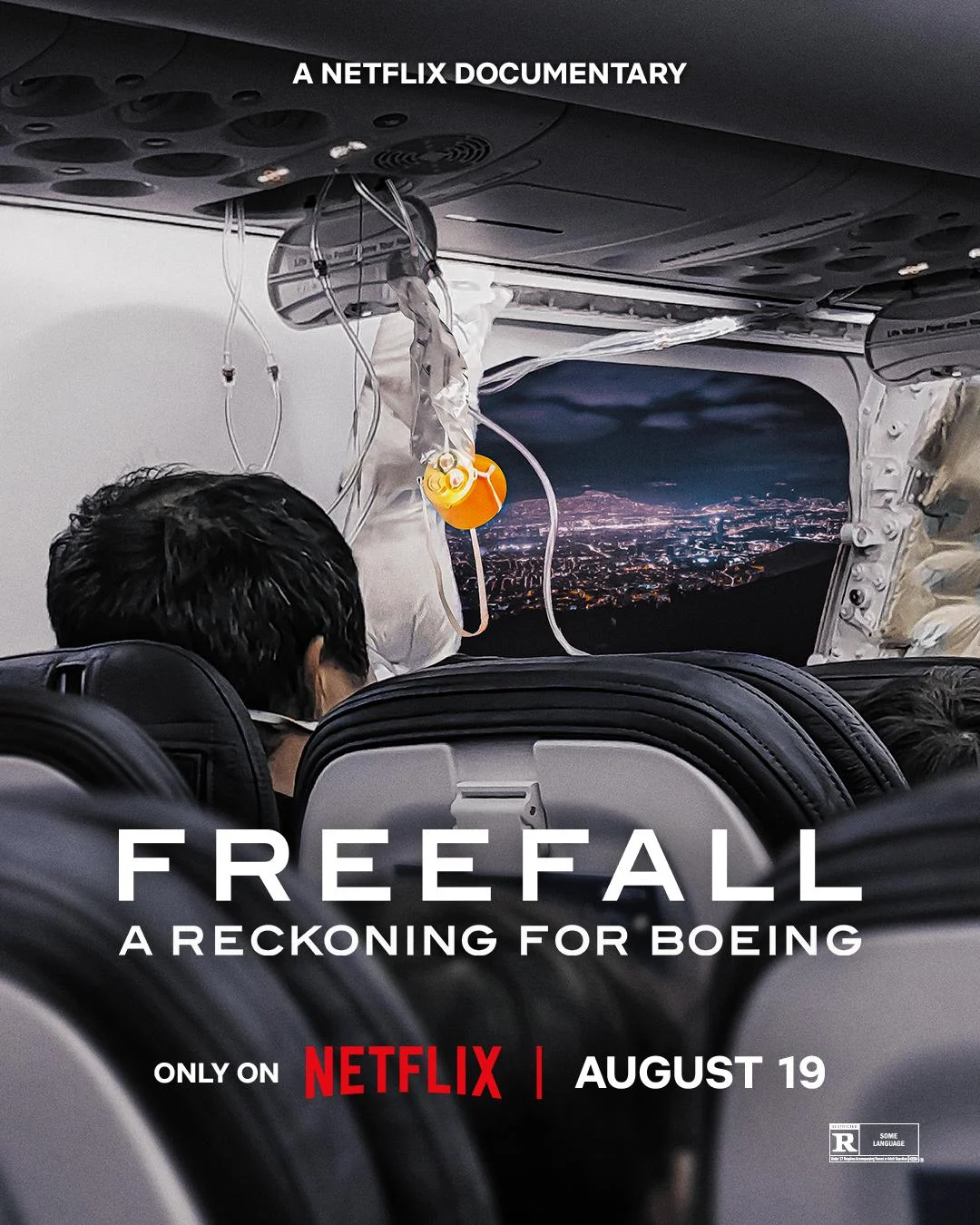
In a development that has sent ripples through the aerospace industry and ignited renewed public scrutiny, Boeing whistleblower John Barnett was found dead in his truck at a hotel in Charleston, South Carolina, in March 2024. His death occurred during a break in depositions for a whistleblower retaliation lawsuit he had filed against the aerospace giant. The tragic event, initially ruled an alleged self-inflicted gunshot, has become a focal point for a new Netflix documentary, "Freefall: A Reckoning for Boeing," which premiered on August 19, 2026, aiming to expose the persistent safety concerns plaguing the once-iconic American manufacturer.
Barnett, a former quality manager at Boeing’s North Charleston plant, had been a vocal critic of the company’s production standards, alleging that pressure to cut costs led to compromised safety. His testimony was crucial in shedding light on a culture he claimed prioritized speed and profit over quality and safety, a significant departure from Boeing’s historical engineering-first ethos. His attorney, Brian Knowles, of the firm Knowles & Sullivan, LLC, recounted the shocking discovery in an email to Corporate Crime Reporter at the time, stating that Barnett was scheduled for the third day of his deposition in an AIR21 case—referring to the federal law protecting aviation industry whistleblowers. Knowles described the day as "tragic," detailing how calls to Barnett went unanswered, leading the hotel to check on him, where he was found deceased. Knowles and co-counsel Rob Turkewitz subsequently spoke with the police and coroner, grappling with the sudden and unexpected loss of their client.
A Deep Dive into Boeing’s Troubled Skies
The documentary "Freefall: A Reckoning for Boeing," directed by Rory Kennedy, serves as a powerful follow-up to her 2022 Netflix film, "Downfall: The Case Against Boeing," which explored the catastrophic 737 MAX crashes. "Freefall" delves deeper into the concerns surrounding Boeing aircraft following a series of shocking incidents, including the widely publicized door plug blowout on Alaska Airlines Flight 1282 in January 2024. The film, inspired by John Barnett’s courage, uncovers new revelations, features internal voices from Boeing, and highlights the company’s alleged broken promises to enhance safety and increase transparency. It captures testimony from a growing chorus of whistleblowers and regulators who have risked their careers to unveil deteriorating safety standards and chaotic conditions within the manufacturing facilities.
Beyond the technical and corporate failures, "Freefall" also shines a light on the ongoing fight for justice by the families of the 737 MAX crash victims, who continue to seek accountability for the loss of their loved ones. The documentary not only underscores Boeing’s persistent struggles with quality control and corporate culture but also pays tribute to the extraordinary courage of individuals like Barnett who dare to challenge one of the aviation industry’s most formidable giants. Both Brian Knowles and Rob Turkewitz feature prominently in the film, providing critical legal context and insights into Barnett’s journey and the broader implications of his whistleblowing.
The Legal Aftermath and Lingering Questions
Following John Barnett’s death, his legal battles continued. Brian Knowles confirmed that the initial AIR21 Whistleblower Protection case with the Department of Labor administrative law judges was resolved for an undisclosed sum. Subsequently, Knowles and Turkewitz filed a follow-up case in federal court in South Carolina against Boeing, alleging wrongful death and abuse of process. As of the interview date, the settlement for this second case was being consummated, pending court approval. Rob Turkewitz, Barnett’s co-counsel, famously articulated the sentiment that while Boeing might not have "pulled the trigger," the company nonetheless "caused John Barnett’s death" through its alleged retaliation and the immense pressure placed upon him.
This assertion underscores the profound impact corporate environments can have on individuals who choose to speak out against perceived wrongdoing. Whistleblowers often face significant personal and professional risks, including isolation, harassment, and career derailment. Barnett’s case, with its tragic end, amplified these concerns and raised urgent questions about the effectiveness of existing whistleblower protections and corporate accountability mechanisms.
A Surge of Voices: Barnett’s Enduring Legacy
One of the most significant impacts of John Barnett’s death, as highlighted in the documentary and by his attorney, has been an unexpected surge in whistleblowers coming forward. Knowles noted that after Barnett’s passing, "dozens and dozens of folks within the aviation industry" began contacting his firm with concerns. "They were inspired by John and what he had done. He inspired a lot of people to come forward — people who had previously hesitated about coming forward," Knowles stated.
This phenomenon suggests that Barnett’s public stance and, tragically, his death, served as a catalyst, empowering others who felt a moral obligation to speak out. These new whistleblowers, like Barnett, are often described as individuals of "integrity" who feel compelled to act when they witness issues that could compromise public safety. The sentiment among them, according to Knowles, was that "John Barnett shouldn’t be the only one out there carrying this. If they were seeing issues within the company, they felt compelled to speak out after hearing about what happened to him." This collective awakening points to a deep-seated apprehension within Boeing’s workforce regarding safety standards and a perceived lack of internal channels for addressing serious concerns.
Boeing’s Cultural Transformation: From Engineering Excellence to Profit-Driven Compromises
The narrative presented in "Freefall" and corroborated by whistleblower accounts paints a stark picture of Boeing’s cultural transformation. Historically revered for its engineering prowess and a commitment to quality and safety, the company’s culture is widely believed to have shifted dramatically following its merger with McDonnell Douglas in 1997. This merger, according to many insiders and analysts, ushered in an era where financial metrics, cost-cutting, and maximizing shareholder value through strategies like stock buybacks began to overshadow the traditional engineering-first approach.

The consequences of this cultural shift became acutely apparent with the two fatal crashes of the 737 MAX in 2018 and 2019, which killed 346 people. Investigations revealed software design flaws and a lack of proper pilot training, exposing systemic issues within Boeing’s development and certification processes. Despite pledges for reform, subsequent incidents, such as the Alaska Airlines door plug blowout, indicate that the fundamental problems may persist. The documentary posits that Boeing "hasn’t learned many lessons from all of these disasters," suggesting that the drive for profits continues to compromise safety.
Even internal initiatives designed to address these issues have reportedly fallen short. Boeing implemented a "Speak Up" program, intended as a safe channel for whistleblowers to report shop floor problems. However, according to accounts from employees like Sam Mohawk, a 737 MAX program worker in Renton, Washington, the program was fundamentally flawed. Mohawk alleged that his complaints were routed back to his direct managers – the very individuals he was complaining about – negating the purpose of an anonymous and impartial reporting system. Knowles confirmed that Mohawk’s AIR21 complaint was resolved, and he remains employed at Boeing, but the incident highlights the company’s internal struggles with effective complaint resolution.
Ongoing Advocacy and the Road Ahead
Brian Knowles continues to be at the forefront of representing whistleblowers in the aerospace industry. He currently represents approximately eight to ten Boeing and Spirit AeroSystems employees, with calls from new potential whistleblowers coming in "at least one or two calls a week." These individuals, though not all with active legal cases, are being advised in relation to whistleblowing to government agencies, underscoring the ongoing nature of the issues within these critical aviation manufacturers.
The attorney acknowledges that turning around a massive organization like Boeing is not an overnight task. "It’s a large organization and it’s going to take a lot of strong leadership to turn itself around. It’s going to be a long process," Knowles observed. He expressed hope that Rory Kennedy’s documentary, with its social impact focus, will contribute to Boeing correcting its problems, stating, "I hope this movie helps Boeing get back on track and turn around. I don’t want to be constantly receiving calls from people saying they are being retaliated against for raising safety concerns. It’s not a good thing."
The broader implications extend beyond Boeing. The increasing instances of safety compromises in a high-stakes industry like aviation raise concerns about a societal trend away from due diligence and meticulous safety protocols. As Knowles articulated, "You’re dealing with airplanes that carry hundreds of people. Quality and safety have to be your top priority." The post-McDonnell Douglas era, characterized by "stripmining the company" and prioritizing stock buybacks, has created a culture where profit seemingly eclipses public safety.
The Whistleblower Pantheon: Unsung Heroes
The documentary and Knowles’s commentary pay tribute to a growing list of courageous individuals who have stepped forward, often at great personal cost. Merle Meyers, a third-generation Boeing employee and former quality manager, is featured in "Freefall." Meyers gained public attention in April 2024 through a New York Times interview, where he revealed discovering corroded 787 landing gear axles, previously marked for scrap, being reinstalled onto Boeing planes. His poignant observation that there will not be a fourth generation of his family working at Boeing, a company once known for multi-generational employment in Seattle, speaks volumes about the perceived erosion of corporate values. Meyers now hosts a support group for other whistleblowers, creating a vital network for those navigating similar challenges.
Other names mentioned by Knowles—Sam Mohawk, Roy Irvin, Bill Seitz, Sam Salehpour, Cynthia Kitchens—represent a collective voice demanding accountability. These individuals, according to Knowles, "stood up and tried to tell the company — you are doing it the wrong way, here are the issues that need to be addressed, fix them. But no, when they raised these issues, they were retaliated against." This pattern of retaliation, rather than proactive problem-solving, is precisely what fuels the ongoing crisis of confidence in Boeing’s internal mechanisms.
The Call for Change and Future Outlook
For John Barnett, the goal of his AIR21 case was not punitive revenge but redress for lost wages, emotional distress, and legal fees incurred due to alleged retaliation. His tragic passing, however, has transformed his personal battle into a powerful symbol for a wider movement demanding corporate responsibility.
Brian Knowles, whose entry into whistleblower litigation began around 2017 when Boeing moved to Charleston and he was introduced to the field by Rob Turkewitz, emphasizes the heroic nature of these whistleblowers. "They risk their careers. It’s not an easy thing to do to stand up and do the right thing against powerful interests. But I enjoy helping people. That’s why I got into the law — to help people," he stated.
Despite the intense scrutiny, numerous government investigations, and the adverse publicity generated by incidents and documentaries, a fundamental question remains: Is Boeing truly changing its ways? Knowles’s current experience suggests otherwise. He continues to hear reports of retaliation, not of problems being seriously addressed. "I’m getting the exact opposite," he admitted. For him, the ultimate indicator of positive change would be a cessation of calls from employees reporting retaliation. Until then, he asserts, "folks need to continue doing the right thing and come forward if the problems are not being addressed. That will help the company and help the flying public stay safe."
Boeing, as one of the largest organizations in the United States, a top exporter, and a critical component of the defense industry, is a company that "cannot fail." Its path to recovery, however, hinges on a genuine reversal of its corporate culture, reinstating quality and safety as paramount priorities. The legacy of John Barnett and the revelations in "Freefall: A Reckoning for Boeing" serve as a stark reminder of the human cost when these principles are neglected, and a powerful call to action for the company to reclaim its status as the undisputed flagship of the aviation industry.


 Yuyun Lusiyani
 Ana Megawati
 Joko Widodo
 Eva Lovia
 Jia Lissa
 Pevita Pearce