
 Amara Maple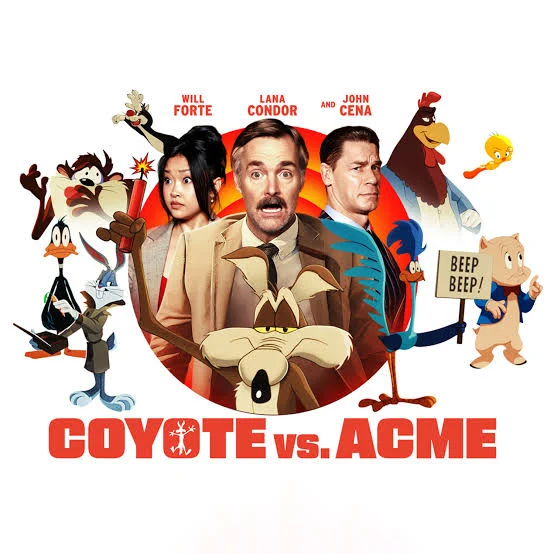
WINSTED, CT – In an unprecedented event that brought together animation enthusiasts, legal scholars, and proponents of consumer advocacy, the American Museum of Tort Law in Winsted, Connecticut, recently hosted a sold-out screening of the much-anticipated film Coyote vs. Acme. The cinematic event, which saw the iconic Looney Tunes character Wile E. Coyote finally seeking legal recourse against the fictitious ACME Corporation for its perpetually faulty products, offered a unique lens through which to explore the serious principles of tort law and corporate accountability. The screening not only captivated a diverse audience but also underscored the museum’s innovative approach to educating the public about the civil justice system.
The Unlikely Venue: A Bastion of Consumer Justice
Nestled in the quaint town of Winsted, the American Museum of Tort Law stands as the nation’s sole institution dedicated to the law of wrongful injuries. Founded by legendary consumer advocate Ralph Nader, who was born and raised in Winsted, the museum aims to demystify tort law – the branch of civil law that deals with civil wrongs, other than contractual ones, that cause someone to suffer loss or harm, resulting in legal liability for the person who commits the tortious act. Nader’s vision for the museum was to empower ordinary citizens by shedding light on how the civil justice system can provide a voice for injured individuals, hold powerful institutions accountable, and incentivize safer corporate practices.
Melissa Bird, the executive director of the Tort Museum, emphasized the institution’s expanding mission. "It is a museum devoted to the law of wrongful injury and the civil justice system," Bird stated in a recent interview with Corporate Crime Reporter. "Founded by Ralph Nader, we are now growing to include civics education. Along with institutions like the Mark Twain House and the Connecticut State House, we are part of a large grant providing civics education through museum trips, offering programming for all students in the state of Connecticut." This initiative reflects a broader commitment to fostering an informed citizenry capable of understanding and engaging with the legal frameworks that shape their lives, particularly concerning corporate power and consumer rights.
"Coyote vs. Acme": A Story of Fictional Justice and Real-World Battles
The premise of Coyote vs. Acme resonates deeply with the museum’s core mission. For generations, audiences have watched Wile E. Coyote endure countless mishaps, from exploding rockets to collapsing anvils, all supplied by the ACME Corporation. The live-action/animated courtroom comedy finally poses the question: after decades of spectacular product failures, does Wile E. Coyote have a legitimate legal case? In the film, he enlists the help of personal injury lawyer Kevin Avery, played by Will Forte, to sue ACME. The narrative unfolds as a classic underdog story, pitting an individual against a powerful corporation, highlighting themes of defective products, corporate negligence, and the quest for accountability through the civil justice system.
The film’s journey to the big screen mirrors its fictional plot of overcoming corporate obstacles. Produced by Warner Bros., the completed film was controversially shelved by the studio in 2023, reportedly for tax write-off purposes. This decision ignited a furious backlash from filmmakers, movie fans, and consumer advocates worldwide. The #SaveCoyoteVsAcme campaign gained significant traction online, with petitions and public outcry demanding the film’s release. The shelving of a completed film for financial maneuvering, rather than creative merit, sparked a broader debate about corporate control over artistic endeavors and the public’s right to access creative works.
A Cinematic Comeback: The Film’s Journey to Release
The saga of Coyote vs. Acme became a real-world testament to the power of public advocacy, echoing the very themes the film itself explores. After more than a year of uncertainty and a persistent public campaign, Ketchup Entertainment acquired the worldwide distribution rights to the film in 2025 for an estimated $50 million, paving the way for its eventual release. This acquisition was a victory for the film’s creators and its devoted fanbase, demonstrating that collective pressure can, at times, sway corporate decisions. The film’s own struggle for release thus became a powerful meta-narrative, reflecting its core message: a little guy taking on a giant corporation, and people refusing to let a powerful entity make something disappear.
This real-world battle for Coyote vs. Acme‘s release made its screening at the American Museum of Tort Law all the more poignant and fitting. The museum, dedicated to stories of individuals challenging powerful defendants, found in the film a perfect contemporary example of its foundational principles, albeit one rooted in animated fiction. "It’s a movie about a little guy taking on a giant corporation and became a story about people refusing to let a giant corporation make something disappear," Bird noted, drawing a direct parallel between the film’s content and its tumultuous production history.
Inside the American Museum of Tort Law: Engaging Exhibits and Educational Outreach
The museum itself is an immersive educational experience designed to be accessible to everyone, regardless of legal background. Visitors are greeted with a short introductory film that provides a foundational understanding of tort law. Following this, interactive exhibits, reminiscent of large iPads, guide guests through the evolution of tort law in the United States, detailing how it came to protect citizens from harm.
The main gallery houses powerful exhibits detailing landmark cases that have shaped modern tort law. Among these are the infamous McDonald’s hot coffee case, which often serves as a misunderstood example of product liability and consumer negligence; the Ford Pinto, notorious for its design flaws that made it susceptible to deadly fuel tank explosions; and the Chevrolet Corvair, a vehicle whose safety issues were famously brought to light by Ralph Nader himself in his groundbreaking book, Unsafe at Any Speed. Other exhibits delve into the extensive history of tobacco litigation, the devastating impact of asbestos exposure, and the ongoing battles against dangerous corporate practices. A dedicated room, provocatively titled "Toys That Harm Children," highlights the critical role of product safety regulations and the tragic consequences when they fail.
"Part of the reason the museum is so popular is that when you walk in, you don’t have to have a law background, you don’t have to understand anything about the law to leave having a really good idea of what tort law means," Bird explained. "And people realize that this is a tool that should be protected." This commitment to public understanding is evident in every aspect of the museum’s design and programming.
Civic Engagement and Expanding Educational Horizons
Beyond its permanent exhibits, the museum actively engages with the community through a variety of programs. It collaborates with Connecticut schools and colleges, offering civics education and extra credit opportunities for students who visit. Yale law students are frequent visitors, often having the unique opportunity to speak with Ralph Nader himself during their tours – a cherished experience that provides invaluable insight into the history and philosophy of consumer advocacy. The museum’s virtual programming also extends its reach globally, allowing access to its educational content from anywhere in the world.
The decision to establish the museum in Winsted, rather than a major metropolitan center, reflects Nader’s profound commitment to his hometown and its educational development. "Ralph found it important to take care of his own town, especially the young students, to educate them about the law and how it protects people," Bird articulated. While acknowledging the logistical advantages of a larger city, she emphasized the unique community spirit and flexibility afforded by their Winsted location. "We try to accommodate everyone. I’m kind of a ‘yes’ person. When someone has a good idea for the museum, we try to make that happen here. I don’t know that you can always do things like that in a big city."
Beyond Cartoons: Tackling Real-World Harms and Future Initiatives
The Coyote vs. Acme screening, which saw the museum’s 85-100 seat theater completely filled, was undoubtedly a highlight, attracting a wide demographic of families, film lovers, and legal professionals. Attendees not only enjoyed the film but also took the opportunity to explore the museum’s exhibits, engage with staff, and even purchase merchandise, including the popular "flaming Pinto t-shirt." The concession stand, playfully dubbed "Coyote Compensation Box," offered themed snacks, further enhancing the festive atmosphere. Local businesses, such as Little Red Barn Brewers, even contributed to the cause by creating a special beer called "Unsafe at Any Sip," with proceeds benefiting the museum – a clever nod to Nader’s seminal work.
However, the museum’s programming extends far beyond lighthearted cinematic events. It regularly hosts serious discussions and symposiums on critical contemporary tort law issues. A recent all-day symposium in April focused on artificial stone silicosis, a devastating and often fatal lung disease affecting mostly immigrant workers who cut engineered stone for countertops. Speakers from across the United States and Australia, including Yale professors, convened to discuss the issue. The event featured heart-wrenching testimony from victims, including a father and son from Kentucky, both suffering from silicosis at tragically young ages, underscoring the museum’s dedication to shedding light on overlooked injustices and advocating for worker safety.
Other successful events have included food safety seminars, featuring experts like Bill Marler, a prominent food safety attorney, and discussions on the "Loser Pays" principle in litigation. Looking ahead, the museum is developing programs on the burgeoning litigation against social media companies like Meta, addressing issues of online harm and corporate responsibility. A new exhibit is also being fabricated on the landmark case against Remington Arms concerning the Sandy Hook Elementary School shooting, further demonstrating the museum’s commitment to exploring high-profile cases that have profound societal implications.
The American Museum of Tort Law has clearly cemented its place as a dynamic educational institution. From entertaining screenings that bridge popular culture with legal principles to intensive symposiums addressing grave public health concerns, the museum continually reinforces its mission: to illuminate how the civil justice system serves as a crucial mechanism for accountability, justice, and the protection of individuals in a complex world dominated by powerful institutions. As Melissa Bird aptly concludes, the museum ensures that "people realize that this is a tool that should be protected," fostering a deeper understanding and appreciation for the law of wrongful injuries among all who visit.

 Yuyun Lusiyani
 Ana Megawati
 Joko Widodo
 Eva Lovia
 Jia Lissa
 Pevita Pearce