
 Lina Irawan
The Australian technological landscape has long been defined by a disproportionate level of global influence, with the nation’s engineers and scientists responsible for foundational modern advancements ranging from the high-speed Wi-Fi protocols used in billions of devices to the life-changing cochlear implant. This legacy of punching above its weight continues into the 2020s as the focus shifts toward the urgent demands of environmental sustainability and agricultural efficiency. ALBON, a burgeoning startup founded in 2023, has emerged as a pivotal player in this new era of Australian ingenuity. By developing a modular, algae-based wastewater treatment system that converts liquid waste into high-value biochar, ALBON is addressing two of the most pressing challenges in the primary production sector: the high cost of waste management and the need for effective carbon sequestration.
The significance of ALBON’s mission was recently underscored by its selection as a recipient of the 2025 LG Life’s Good Award, an honor accompanied by a $5,000 grant intended to accelerate the startup’s operational capabilities. This accolade was facilitated through the Hatch: Taronga Accelerator Program, a unique collaborative initiative between the Taronga Conservation Society Australia and LG Electronics Australia. Since its inception, the program has acted as a critical springboard for "ecopreneurs"—entrepreneurs focused on ecological and environmental solutions—providing them with the capital, mentorship, and technological resources necessary to scale their innovations from the laboratory to the industrial field.
The Technological Mechanism of ALBON’s Modular System
The core of ALBON’s innovation lies in its ability to transform a significant environmental liability into a versatile asset. Industrial food production, particularly in the meat processing, dairy, and large-scale manufacturing sectors, generates immense volumes of high-strength effluent. Traditionally, treating this wastewater involves energy-intensive processes and expensive chemical dosing to remove excess nutrients such as nitrogen and phosphorus. If left untreated, these nutrients can lead to eutrophication in local waterways, causing toxic algal blooms and devastating aquatic ecosystems.
ALBON’s approach departs from traditional chemical-heavy methods by utilizing a biological solution. The company’s modular system is designed for "plug-and-play" deployment, meaning it can be integrated into existing agricultural lagoons or primary treatment stages without requiring a total overhaul of a facility’s infrastructure. Once installed, the system draws effluent into a controlled environment where a stable mixture of algae and bacteria works to metabolize the organic waste.
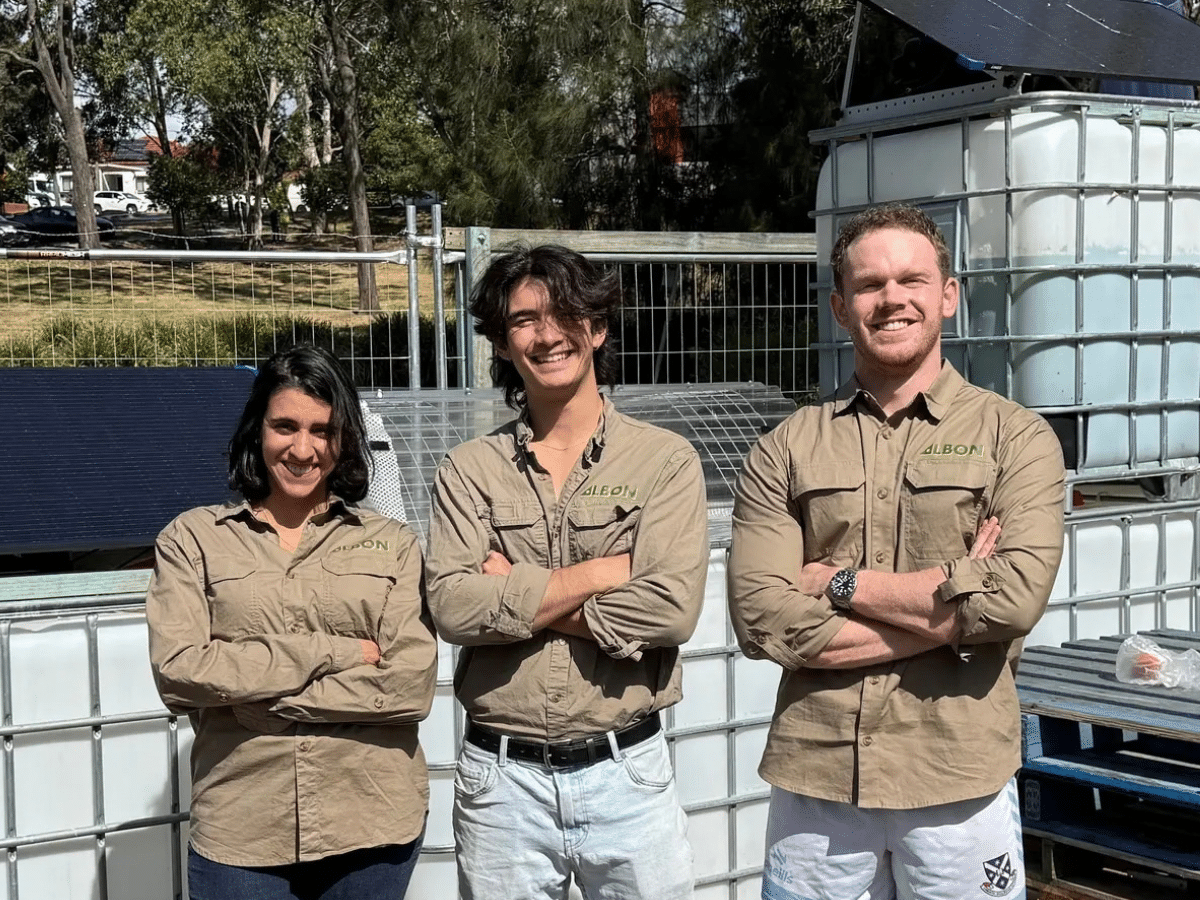
According to technical specifications provided by the company, the system is capable of removing up to 95 per cent of the nitrogen and phosphorus from the wastewater. This treated water can then be safely discharged under existing environmental licenses or, more importantly, recycled for on-site use in irrigation or cleaning, thereby reducing the facility’s overall water footprint.
From Waste to Wealth: The Role of Biochar in the Circular Economy
The most distinctive feature of the ALBON process is the conversion of the resulting algal biomass into biochar. Biochar is a carbon-rich, charcoal-like substance produced through a process called pyrolysis—the thermal decomposition of organic material in an oxygen-limited environment. By converting the algae used in the wastewater treatment into biochar on-site, ALBON creates a closed-loop system that exemplifies the principles of the circular economy.
Biochar has a wide array of applications that extend beyond simple waste reduction. In the agricultural sector, it is used as a soil amendment to improve water retention and nutrient availability, leading to higher crop yields and reduced fertilizer runoff. Furthermore, it is increasingly being explored as a livestock feed additive. Preliminary studies suggest that incorporating biochar into cattle feed can improve digestion and significantly lower methane emissions—a major contributor to the agricultural sector’s greenhouse gas profile.
In the construction industry, biochar is being tested as a component in building materials, where it serves as a method of long-term carbon storage. Because the carbon captured by the algae is "locked" into the biochar, it is prevented from returning to the atmosphere as CO2, making the entire process a net-negative carbon solution. This dual-purpose benefit—cleaning water while sequestering carbon—is what has attracted the attention of international environmental bodies and corporate partners like LG.
A Chronology of Growth and Strategic Recognition
The trajectory of ALBON since its 2023 founding reflects the rapid maturation of the Australian agri-tech sector. Within its first year of operation, the startup focused on refining its biological mix and modular hardware at its workshop operated in conjunction with the University of Sydney. This academic partnership allowed for rigorous testing of the system’s efficacy under various industrial effluent profiles.

In 2024, ALBON entered the Hatch: Taronga Accelerator Program. This program was established to bridge the gap between environmental research and commercial viability. For LG Electronics Australia, the partnership with Taronga represents a significant corporate social responsibility commitment. Since 2024, LG has invested over $1.2 million into the Hatch program, a figure that includes both direct funding for the Taronga Foundation and substantial investments in marketing and amplification to ensure participating startups gain the visibility required to attract further investment.
The 2025 LG Life’s Good Award marked a turning point for ALBON. The grant provided by LG was not merely a financial injection but a validation of the startup’s business model. CEO John Phipps has emphasized that the mission started with a desire to make environmental stewardship a profitable and seamless part of the industrial business model. By demonstrating that sustainability can reduce costs for farmers and food processors, ALBON has moved environmentalism from a regulatory burden to a strategic advantage.
Empowering Innovation Through Advanced Hardware
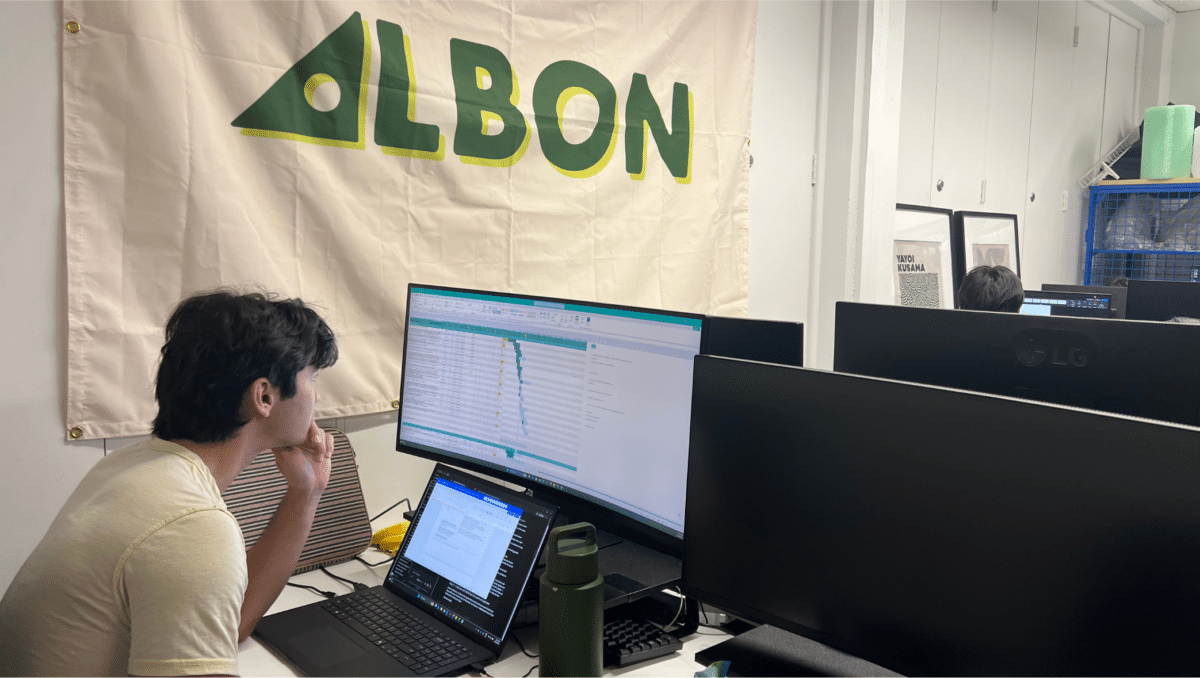
Beyond financial grants, the partnership between LG and ALBON has extended into the realm of technical infrastructure. Recognizing that the design of complex fluid dynamics and 3D modeling requires high-performance computing environments, LG recently donated eight UltraWide Curved Monitors to the ALBON team.
John Phipps noted that the transition from small laptop screens to expansive, high-resolution displays has significantly improved the team’s workflow. The work of an agri-tech startup involves managing massive datasets, conducting Computer-Aided Design (CAD) for modular components, and performing dynamic fluid modeling to predict how algae will interact with different types of waste. The UltraWide monitors allow engineers to view multiple windows and complex schematics simultaneously, reducing the time required for the design-to-prototype phase.
Gemma Lemieux, Marketing Director for LG Electronics Australia, stated that the company’s support for ALBON is rooted in a belief that technology should be a catalyst for positive change. By providing the tools necessary for high-fidelity 3D rendering and collaborative modeling, LG is helping ALBON communicate its value proposition more effectively to potential investors and global clients.
Analysis of Implications for the Australian Agricultural Sector
The success of ALBON carries significant implications for the Australian economy, particularly as the nation grapples with the transition to a low-carbon future. Agriculture remains a cornerstone of the Australian economy, but it is also under increasing pressure to meet stringent environmental targets. The high cost of extracting nutrients for fertilizer, only to spend millions more trying to remove those same nutrients from wastewater, is an economic inefficiency that the industry can no longer afford.
ALBON’s system offers a decentralized solution to this problem. By allowing individual meat processing plants and dairies to treat their own waste and produce their own biochar, the startup reduces the reliance on centralized waste treatment facilities and chemical suppliers. This autonomy is particularly valuable in regional and rural Australia, where infrastructure can be limited and transportation costs are high.
Furthermore, the focus on biochar aligns with the growing global market for carbon credits. As more companies seek to offset their emissions through verified carbon removal technologies, the biochar produced by ALBON’s systems could represent a secondary revenue stream for agricultural operators. This transforms a wastewater treatment plant from a "cost center" into a "profit center," providing a powerful financial incentive for the adoption of green technology.
Future Outlook: Scaling Australian Innovation Globally
While ALBON remains a proudly Australian-led venture, its sights are set on the global stage. The challenges of wastewater management and soil degradation are universal, and the modular nature of ALBON’s technology makes it highly exportable. The collaboration with LG and the Taronga Conservation Society has provided the startup with a blueprint for how corporate and environmental organizations can work together to foster innovation.
As John Phipps and his team continue to refine their system at their Sydney University-affiliated workshop, the focus remains on real-world impact. The goal is to move beyond the pilot phase and achieve widespread deployment across Australia’s vast agricultural landscape. If successful, ALBON will not only be remembered as another example of Australian ingenuity but as a vital component in the global effort to create a sustainable and resilient food system.
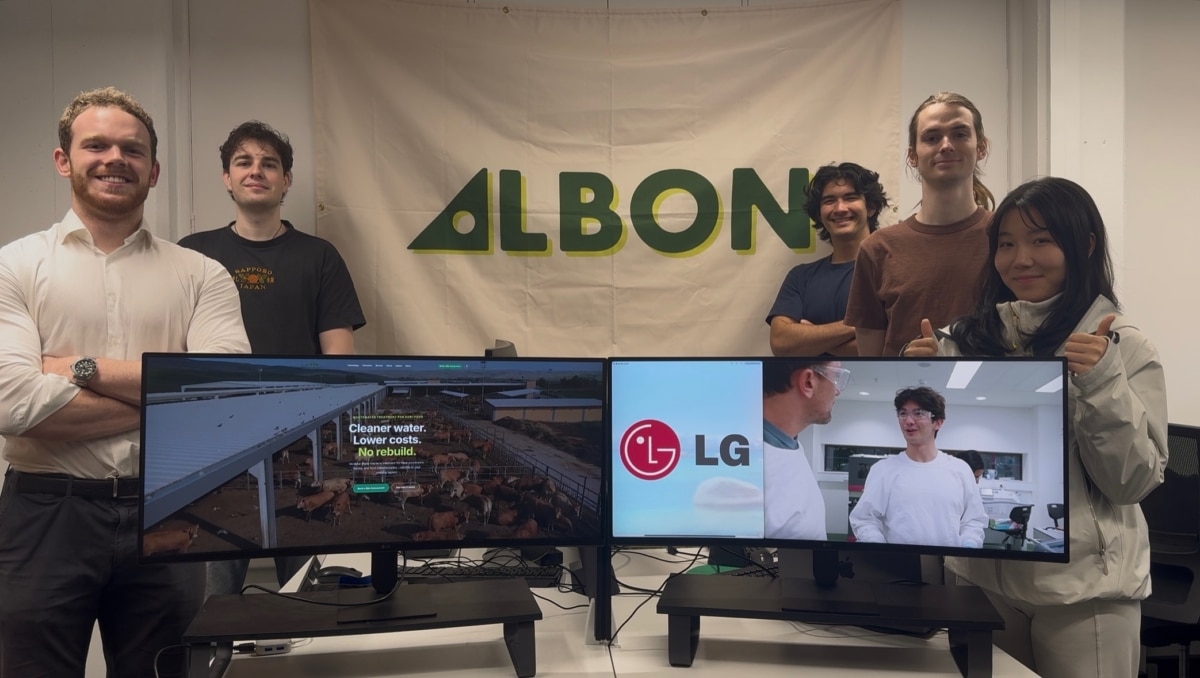
The partnership between LG and ALBON serves as a testament to the idea that the next great technological breakthrough is often the result of a synergy between established industry leaders and ambitious newcomers. With continued support from programs like Hatch and corporate partners who prioritize environmental outcomes, the future of Australian agri-tech appears not only bright but essential to the nation’s ongoing economic and ecological health.




 Yuyun Lusiyani
 Joko Widodo
 Eva Lovia
 Pevita Pearce
 admin
admin