
 Lina Irawan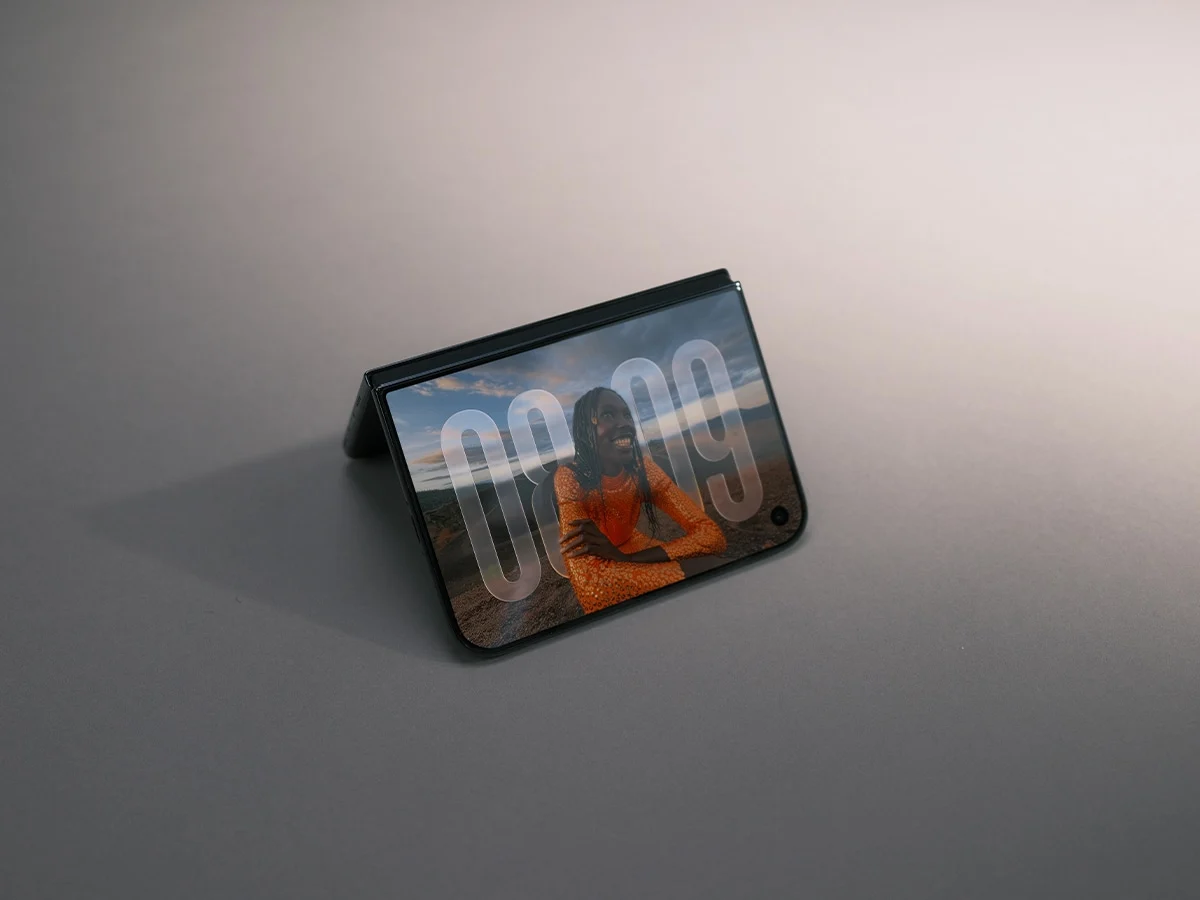
Apple has addressed the most significant technical hurdle facing its entry into the foldable smartphone market by unveiling a modular durability strategy for the upcoming iPhone Duo. During a high-profile technical briefing, the Cupertino-based technology giant confirmed that the internal 7.6-inch flexible display of the iPhone Duo will feature a first-of-its-kind replaceable nano-texture cover layer. This engineering decision aims to mitigate long-term concerns regarding the structural integrity and aesthetic degradation of folding screens—a move that sets the device apart from its primary competitors, the Samsung Galaxy Z Fold 8 and the Google Pixel Fold.
The iPhone Duo, which marks Apple’s first departure from the traditional slab smartphone form factor, is positioned at the extreme premium end of the consumer electronics market. In Australia, the device will carry a starting price of AUD$3,499 for the 256GB base model, scaling to a record-breaking AUD$5,899 for the 2TB flagship variant. By introducing a user-replaceable (via professional service) screen layer, Apple intends to reassure early adopters that the substantial investment required for the device will be protected against the inevitable wear and tear of mechanical folding.
Engineering the Replaceable Nano-Texture Layer
The core of the iPhone Duo’s durability claim lies in its specialized nano-texture cover layer. Unlike the permanent, multi-layered structural protectors found on rival devices, Apple’s solution is designed to be consumable. The layer serves two primary functions: reducing glare and masking the center crease that has historically plagued foldable displays.
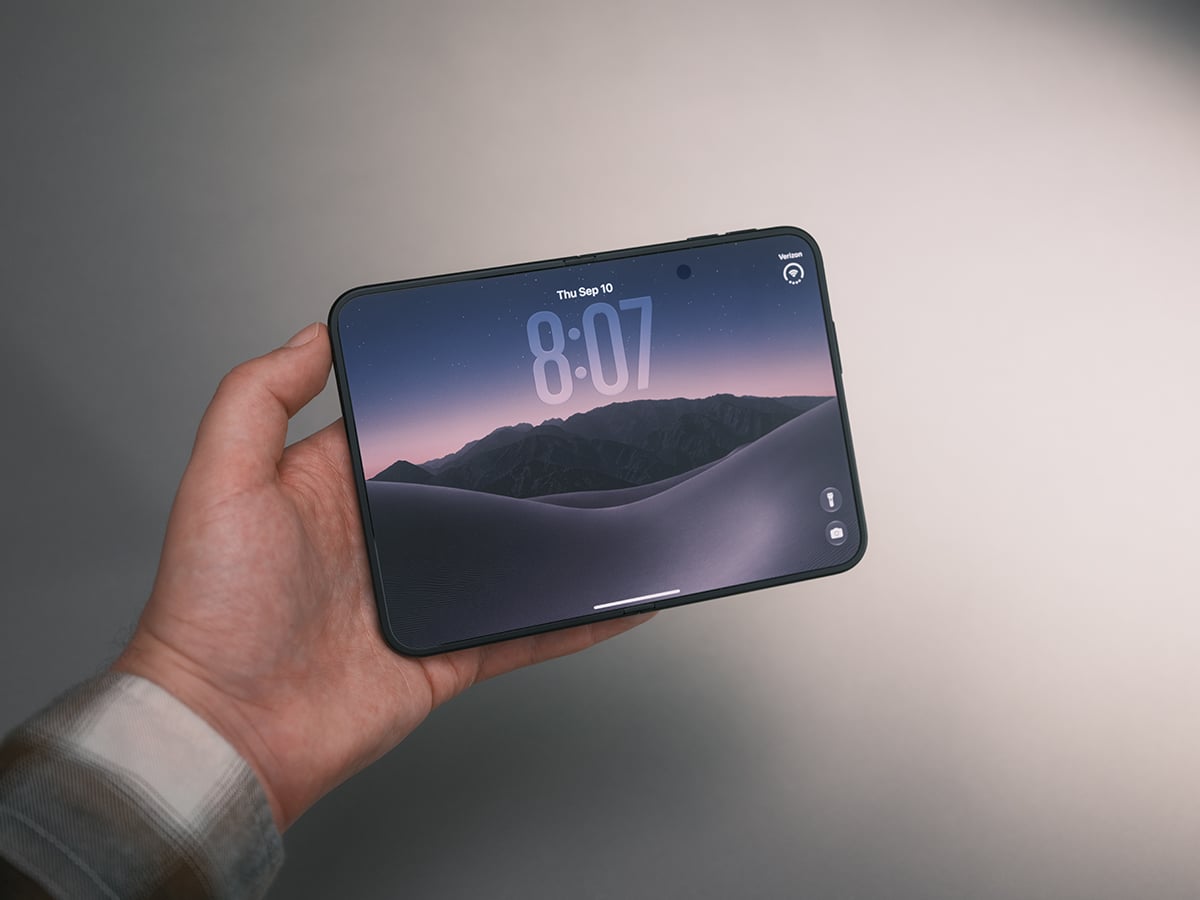
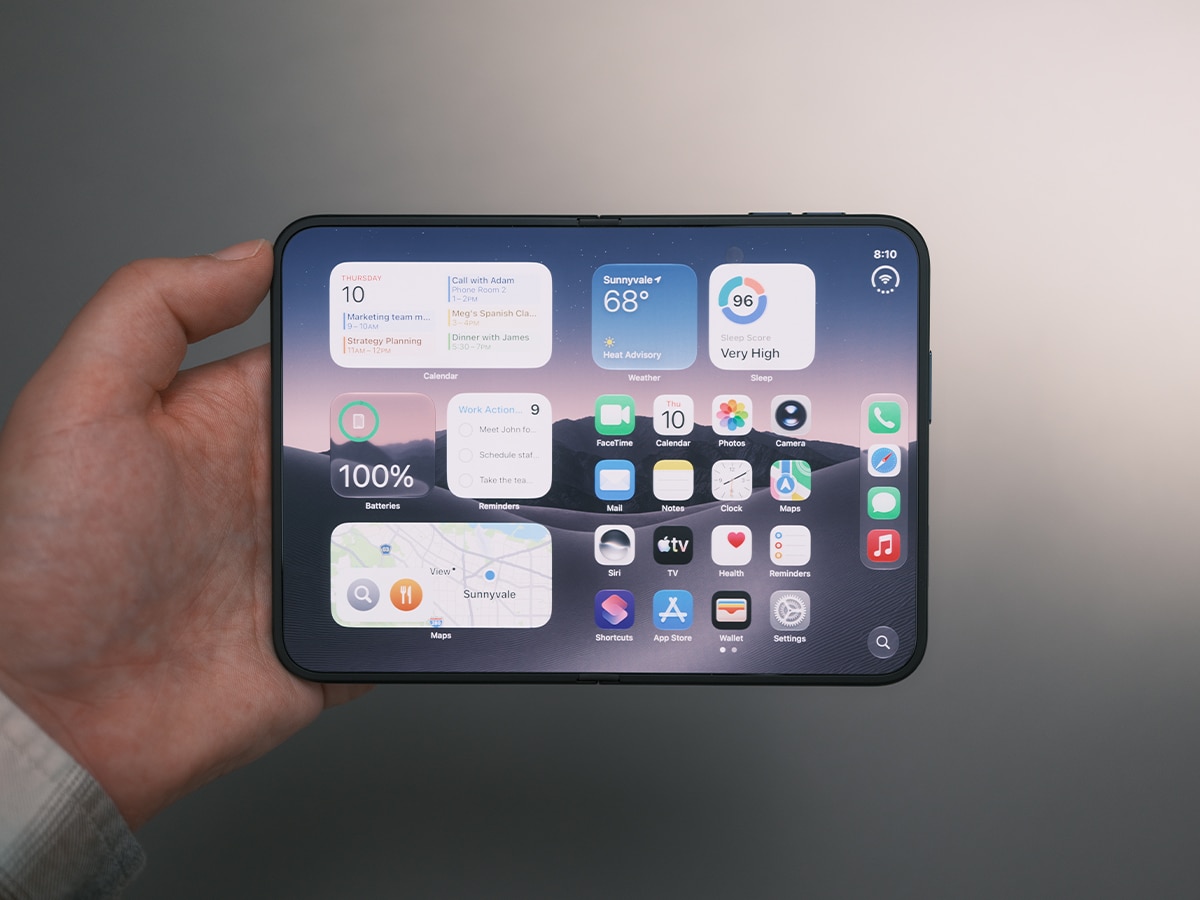
Kate Bergeron, Apple’s Vice President of Hardware Engineering, recently detailed the technology, noting that the nano-texture finish is etched at a microscopic level to scatter light without compromising the clarity of the underlying 7.6-inch panel. This panel itself is a technological marvel, capable of reaching a peak brightness of 3,000 nits, ensuring legibility even in direct sunlight.
The modularity of the cover layer is a strategic pivot. On current foldable devices, the top protective layer is often integral to the display stack; removing it typically results in catastrophic failure of the OLED pixels. Apple’s engineering team has developed a proprietary adhesive and tensioning system that allows the nano-texture film to be "peeled" away by a technician and replaced with a factory-fresh layer. This process effectively resets the visual condition of the inner screen, addressing scratches, "micro-cracking" at the fold point, and the gradual deepening of the crease over years of use.
Service Costs and AppleCare Integration
While the engineering is complex, Apple’s pricing for the replacement service is surprisingly aggressive. The company confirmed that a fresh nano-texture cover layer will cost USD$19, or AUD$29 in the Australian market. This low entry point for maintenance is intended to encourage users to treat the cover as a periodic service item, similar to a battery replacement.
However, the replacement is not a do-it-yourself procedure. Due to the precision required to align the film and ensure no dust particles are trapped between the layers—which could cause pressure points and damage the flexible OLED—the replacement must be performed at an Apple Store or an Authorized Service Provider using specialized calibration equipment.

To support the iPhone Duo’s launch, Apple is also introducing a revised insurance structure. The device can be covered under AppleCare+ for AUD$14.49 per month or an annual payment of AUD$144.99. Furthermore, the company is debuting "AppleCare One," a multi-device subscription starting at AUD$29.99 per month that covers up to three Apple products, including the Duo.
For those enrolled in these programs, service fees are standardized:
- Nano-Texture Cover Replacement: AUD$29
- Internal Display Panel Repair (Accidental Damage): AUD$149
- Standard Front/Back Glass Repair: AUD$45
- Battery Servicing: $0 (Complimentary for enrolled members)
Competitive Landscape and Market Context
Apple’s entry into the foldable segment comes significantly later than its rivals, a delay that industry analysts attribute to the company’s refusal to ship a product with unresolved durability issues. Samsung, currently the market leader with the Galaxy Z Fold series, has spent years refining its "Ultra Thin Glass" (UTG), yet users still report issues with the factory-applied screen protector bubbling or peeling over time.
Google’s Pixel Fold has faced similar scrutiny regarding the soft nature of its inner display. By making the outermost layer replaceable for a nominal fee, Apple is effectively bypassing the "permanent protector" problem. This strategy shifts the focus from "how long will it last" to "how easily can it be refreshed."
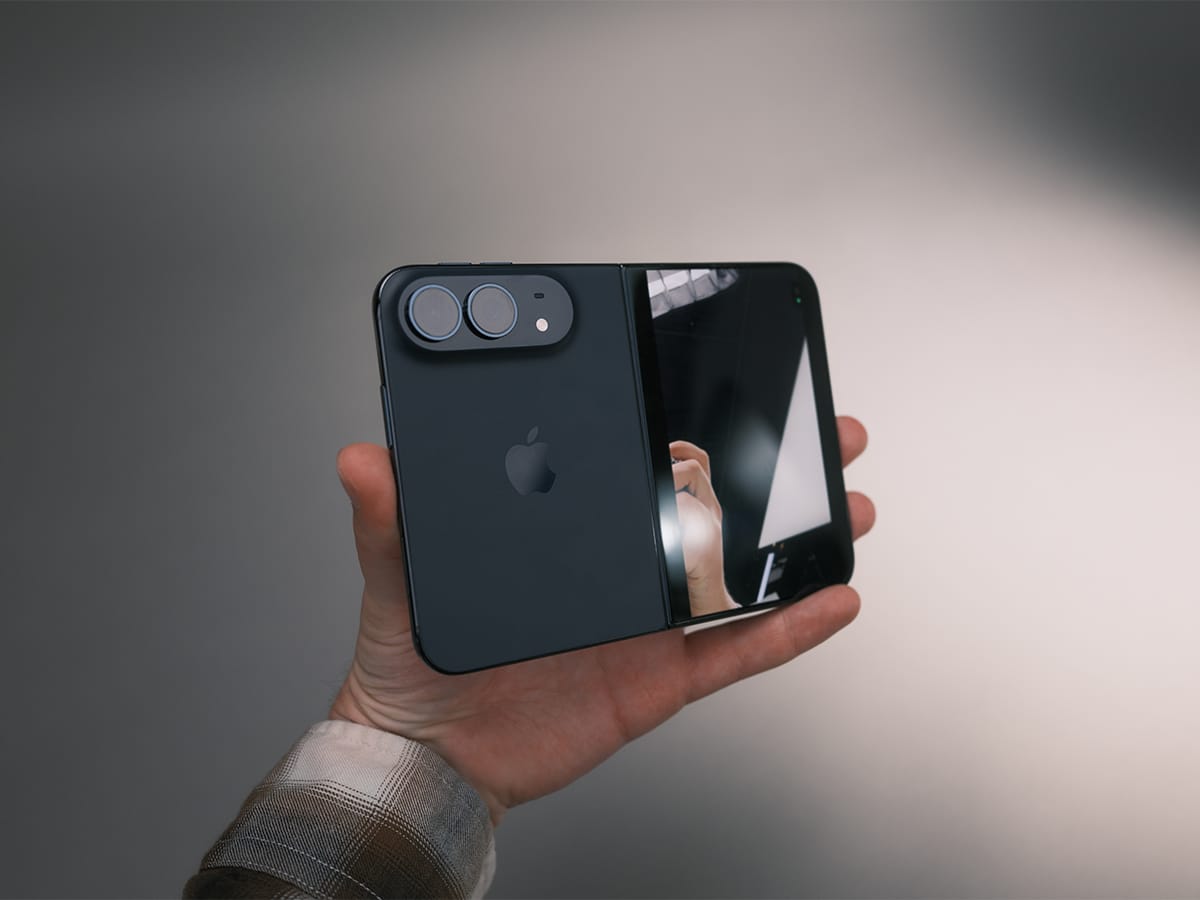
The chassis of the iPhone Duo further emphasizes durability, utilizing Grade 5 titanium. This material choice provides a high strength-to-weight ratio, necessary for a device that essentially houses two batteries and a complex hinge mechanism while remaining thin enough to be pocketable. The device also transitions fully to eSIM technology in the Australian market, removing the physical SIM tray to further improve structural rigidity and water resistance.
Timeline to Launch
The road to the iPhone Duo has been marked by years of patent filings and supply chain rumors. As the official launch approaches, the timeline for Australian consumers has been finalized:
- Official Announcement: Late September 2026
- Pre-orders Open: Friday, 16 October 2026, at 11:00 p.m. AEST
- In-Store Availability: Friday, 23 October 2026
- First Shipping Wave: Friday, 23 October 2026
The October launch window places the iPhone Duo just weeks after the standard iPhone 18 Pro release, suggesting that Apple views the foldable not as a replacement for its flagship slab phone, but as a new ultra-premium tier in its mobile hierarchy.
Implications for the Smartphone Industry
The introduction of a replaceable display layer may set a new standard for the foldable industry. If successful, it could force competitors to move away from permanent structural protectors in favor of modular designs. This shift would have significant implications for the secondary market; foldable phones have historically suffered from poor resale value due to the high cost and difficulty of repairing screen wear. A device that can be "refreshed" for AUD$29 could hold its value far better than its predecessors.
Furthermore, the pricing of the iPhone Duo signals Apple’s confidence in the luxury tech segment. At nearly AUD$6,000 for the top-spec model, the Duo is the most expensive mass-market smartphone ever released in Australia. This pricing strategy tests the upper limits of consumer appetite for mobile technology, positioning the device as a hybrid between a productivity tool and a luxury status symbol.
The inclusion of the nano-texture finish as standard on the inner display also suggests a focus on professional use-cases. Originally introduced on the Pro Display XDR and later the iPad Pro, nano-texture is prized by creative professionals for its ability to maintain color accuracy and contrast in challenging lighting conditions. By bringing this to the iPhone Duo, Apple is targeting "pro" users who require a large, high-quality canvas for mobile editing, multitasking, and document review.
Technical Specifications Summary
The iPhone Duo’s internal hardware is expected to align with or exceed the current iPhone 18 Pro series. While Apple has focused its marketing on the display durability, the underlying specifications are equally robust:
- Primary Display: 7.6-inch Flexible OLED with ProMotion (1Hz-120Hz)
- Cover Display: 6.3-inch LTPO OLED
- Brightness: 3,000 nits peak (Internal); 2,500 nits (Cover)
- Processor: A20 Bionic chip (3nm process)
- Construction: Grade 5 Titanium frame with Ceramic Shield cover glass
- Biometrics: Under-display FaceID on both screens
- Connectivity: 5G (sub-6GHz and mmWave), Wi-Fi 7, eSIM only (Australia)
As the October 16 pre-order date approaches, the industry will be watching closely to see if Apple’s solution to the foldable durability puzzle is enough to convert skeptics. By combining a replaceable screen layer with a premium titanium build and a comprehensive service plan, Apple has created a compelling, albeit expensive, vision for the future of mobile computing. The success of the iPhone Duo will likely be measured not just by initial sales, but by how these flexible displays hold up in the hands of consumers over the coming years.




 Yuyun Lusiyani
 Joko Widodo
 Eva Lovia
 Pevita Pearce
 admin
admin