
 Lina Irawan
The traditional wine-drinking paradigm, which dictates that white, rosé, and sparkling wines are served cold while red wines are consumed at room temperature, is undergoing a significant shift in the global beverage industry. As consumer preferences evolve and climate patterns shift toward warmer summers, the category of "chilled red wine" has moved from a niche preference to a mainstream staple in bottle shops and on restaurant wine lists. This transition is not merely a matter of personal taste but is rooted in the chemical composition of different grape varieties and the physiological way humans perceive flavor at varying temperatures. To navigate this emerging trend, industry experts, including Liam Stanwell, Head Sommelier at The Recreation Bistro & Bottleshop in Fitzroy North, are providing clarity on which red wines benefit from refrigeration and which should remain in the cellar.
The Science of Temperature and Tannin Perception
The primary factor determining whether a red wine is suitable for chilling is its tannin profile. Tannins are polyphenolic compounds found in grape skins, seeds, and stems, as well as the oak barrels used for aging. They are responsible for the "grip" or drying sensation felt on the gums and tongue. When a wine’s temperature is lowered, the perception of these tannins is heightened. In high-tannin wines, such as Cabernet Sauvignon, Malbec, or Shiraz, refrigeration can make the wine feel unpleasantly bitter, astringent, and "hard" on the palate.

Conversely, temperature also affects the volatility of aromatic compounds. While extreme cold can mute the complex aromas of a fine wine, a moderate chill can enhance the perception of acidity and bright fruit notes. For lighter-bodied red wines with high acidity and low-to-moderate tannins, a temperature drop suppresses the heat of the alcohol and brings the fruit forward, resulting in a more refreshing and "crunchy" mouthfeel. This balance is critical for achieving what is known in the industry as "drinkability" or "smashability," particularly during peak summer months.
A Brief Chronology of Serving Temperatures
The concept of "room temperature" for red wine is a historical relic that predates modern climate control. In the 19th and early 20th centuries, the average European dining room was significantly cooler than the modern home, typically hovering around 15°C to 18°C (60°F to 65°F). In the 21st century, however, many indoor environments are kept at 21°C to 24°C (70°F to 75°F). Serving a red wine at these modern room temperatures often results in the wine feeling "flabby," with the alcohol overpowering the delicate fruit and floral notes.
The resurgence of chilled reds can be traced back to the "natural wine" movement of the early 2010s, which popularized the French concept of vin de soif (wine for thirst). These wines, often made with minimal intervention and light extraction, were designed to be consumed young and fresh. This trend eventually permeated the broader market, leading winemakers in regions like Australia, California, and Spain to deliberately produce "chillable reds"—wines that bridge the gap between a heavy red and a structured rosé.

Identifying Chillable Varieties: The Sommelier’s Criteria
When selecting a red wine for the refrigerator, experts suggest looking for thin-skinned grapes and wines produced through specific vinification techniques. According to Stanwell, the visual profile of the wine often provides the first clue. Lighter, more translucent colors typically indicate lower tannin levels and higher suitability for chilling.
Pinot Noir: The Gateway Chilled Red
Pinot Noir is widely considered the most accessible entry point for those new to chilled reds. Known for its light body, supple tannins, and bright red fruit profile (such as cherry and raspberry), it maintains its elegance even at lower temperatures. While high-end, oak-heavy Burgundies may still benefit from a slightly warmer service to reveal their complexity, many New World Pinot Noirs from cooler climates are exceptionally refreshing when served at approximately 12°C to 14°C.
Gamay and the Beaujolais Tradition
Gamay, the signature grape of the Beaujolais region in France, is perhaps the most classic "fridge red." It is frequently produced using carbonic maceration—a process where whole bunches of grapes are fermented in a carbon-dioxide-rich environment before being crushed. This technique maximizes fruit aromatics and minimizes tannin extraction. The resulting wine is juicy, floral, and bright, making it the gold standard for chilled red consumption.

Grenache: The Evolution of Style
In regions like South Australia’s McLaren Vale, there has been a marked shift away from heavy, high-alcohol Grenache toward "lighter-style" expressions. These wines emphasize the grape’s natural strawberry and spice notes. Stanwell advises consumers to seek out single-varietal Grenache for chilling, as blends containing Shiraz or Mourvèdre (Mataro) may introduce higher tannin levels that become harsh when cold.
Lighter Blends and Modern Techniques
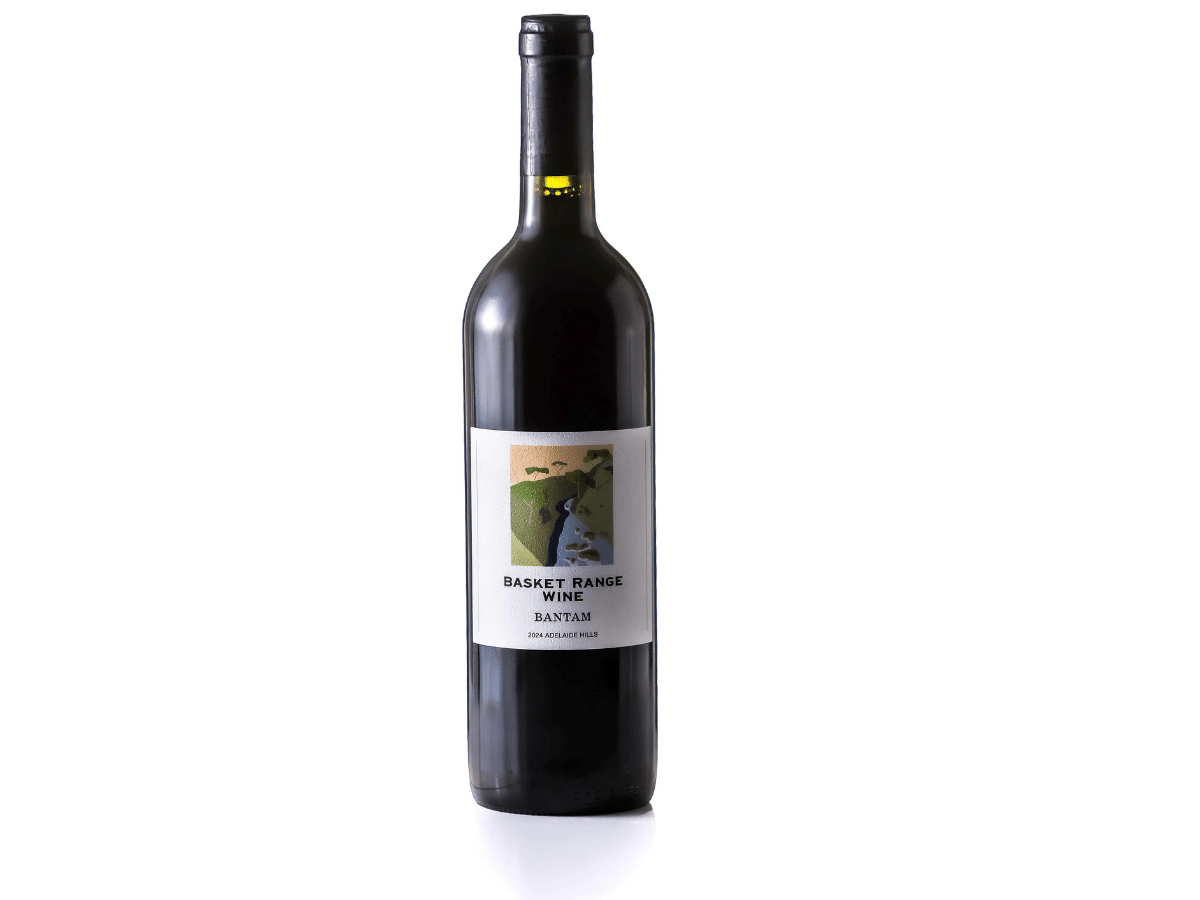
The market has seen a rise in multi-varietal blends specifically designed for freshness. An example is the Basket Range Wine ‘Bantam’ from the Adelaide Hills, which combines varieties like Merlot, Petit Verdot, and Pinot Noir. By focusing on acidity and early-drinking appeal, winemakers are creating a category of wine that defies traditional varietal rules.
Red Wines to Avoid Refrigerating
The consensus among sommeliers is to avoid chilling "big" reds. Varieties such as Cabernet Sauvignon, Nebbiolo, and Syrah (Shiraz) possess structural tannins that provide longevity and aging potential but react poorly to low temperatures. In these wines, the cold suppresses the fruit that is meant to balance the tannins, leaving the drinker with a sensation of metallic bitterness. Furthermore, wines with significant new oak influence should generally be avoided, as the oak-derived tannins also harden when chilled.
Market Data and Consumer Trends
Data from the global wine market suggests that the "light and bright" category is one of the few growth sectors in an otherwise stagnant industry. According to recent consumer reports, younger demographics—specifically Millennials and Gen Z—are moving away from traditional, heavy-set reds in favor of wines that offer versatility. This shift has led to a 15% increase in the production of lighter red styles in regions previously known for full-bodied wines. Retailers have responded by dedicating shelf space to "Chillable Reds," a category that did not exist in a formal capacity a decade ago.
Professional Recommendations for the Current Season
For those looking to experiment with professional-grade selections, Stanwell highlights two specific bottles that exemplify the chilled red category:
- Thistledown Thorny Devil Grenache 2025 (McLaren Vale, SA): This wine utilizes old-vine fruit to deliver a profile of wild strawberry and spice. Its fine-grained tannins and vibrant acidity make it a reliable candidate for the refrigerator.
- Artuke Rioja Tempranillo 2025 (Rioja, Spain): Departing from the traditional, heavily oaked Rioja style, Artuke uses carbonic maceration to create a youthful, fruit-driven Tempranillo. It is specifically intended by the producer to be served with a slight chill, highlighting blueberry and floral aromatics.
Practical Serving Advice and the "Warming Curve"
The ideal serving temperature for a chilled red is typically between 10°C and 14°C (50°F to 57°F). Since most household refrigerators are set between 2°C and 4°C, a bottle taken directly from the fridge will be too cold initially. However, sommeliers often recommend pouring the first glass immediately and observing how the wine evolves.

As the wine sits in the glass and its temperature rises, the aromatics will begin to "open up." This allows the drinker to identify their personal "sweet spot"—the exact temperature at which the fruit, acidity, and structure are in perfect harmony. If a wine feels too thin or flavorless, it is likely too cold; if it feels heavy or the alcohol becomes prominent, it has likely become too warm.
Implications for the Future of Viticulture
The trend toward chilled reds also has broader implications for the wine industry in the face of climate change. As temperatures rise in traditional wine-growing regions, maintaining the acidity required for balanced red wines becomes more challenging. By pivoting toward lighter styles and varieties like Gamay or Grenache—which can be harvested earlier to preserve acidity—winemakers are finding sustainable ways to produce high-quality wine in a warming world.
Ultimately, the rise of chilled red wine represents a democratization of wine culture. It encourages consumers to move away from rigid, antiquated rules and toward a more sensory-based, experimental approach to enjoyment. As Stanwell notes, the risk is minimal: "If you chill a red and decide it tastes worse, simply leave it out and let it come back up to temperature. Crisis averted." This pragmatic approach to wine service ensures that the beverage remains relevant, refreshing, and, most importantly, enjoyable for a modern audience.




 Yuyun Lusiyani
 Joko Widodo
 Eva Lovia
 Pevita Pearce
 admin
admin