
 Lina Irawan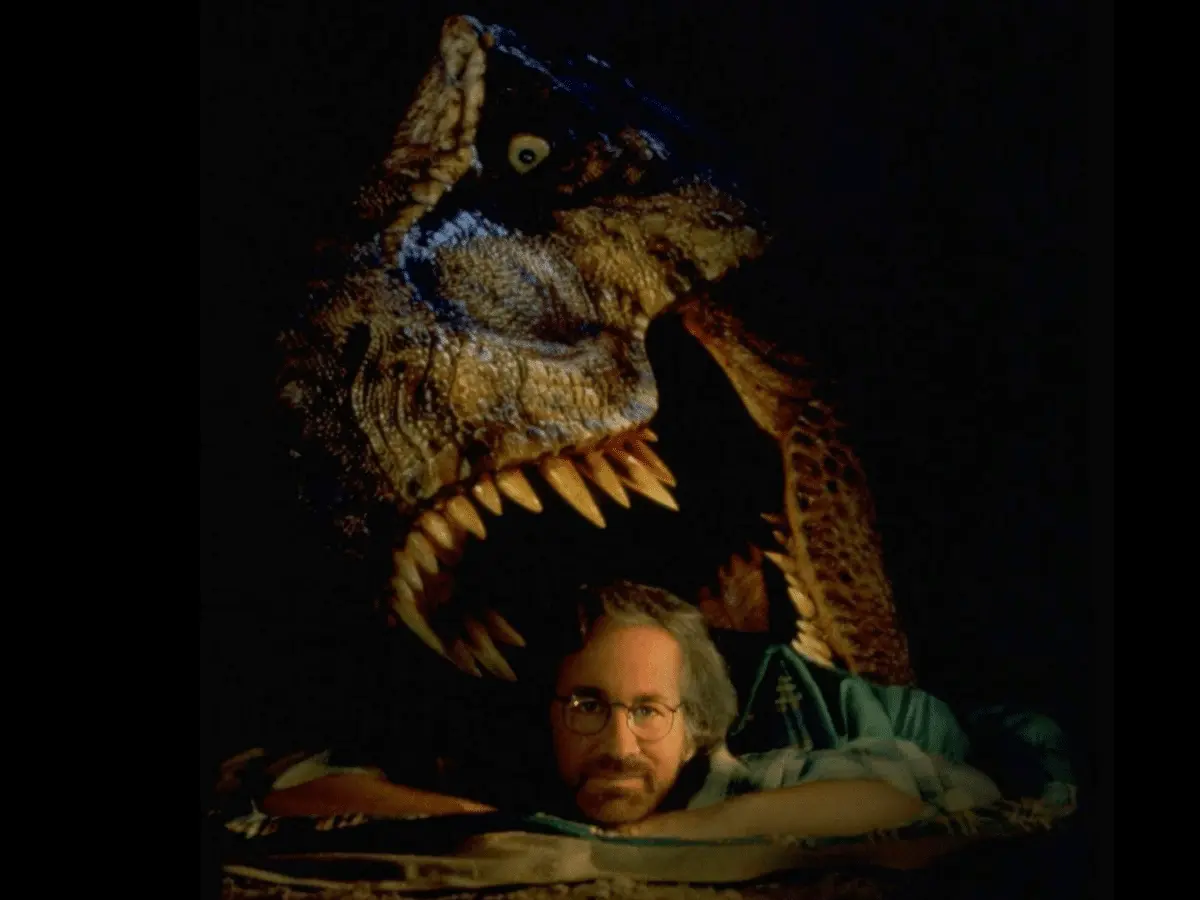
Steven Spielberg remains the most commercially successful and arguably the most influential director in the history of cinema. With a career spanning over five decades and a filmography comprising 36 feature films, Spielberg’s work has defined the "modern blockbuster" while simultaneously pushing the boundaries of historical drama and technical innovation. As of 2024, his films have grossed more than $10.6 billion worldwide, making him the highest-grossing director of all time. His accolades include three Academy Awards—two for Best Director and one for Best Picture—alongside the Irving G. Thalberg Memorial Award.

The evolution of Spielberg’s career offers a roadmap of Hollywood’s shifting landscape. From the suspenseful minimalism of his early television work to the digital frontiers of the 21st century, his ability to blend grand spectacle with intimate human emotion remains his stylistic signature. This comprehensive ranking assesses his body of work based on a composite of critical reception, audience sentiment, and cultural impact.
The Evolution of a Cinematic Pioneer: A Brief Chronology
Steven Spielberg’s journey began in the early 1970s, a period defined by the "New Hollywood" movement. His debut feature-length project, Duel (1971), originally produced for television, demonstrated a mastery of pacing that caught the attention of major studios. By 1975, with the release of Jaws, Spielberg had invented the summer blockbuster, a release strategy that fundamentally altered how films were marketed and consumed.
The 1980s saw Spielberg dominate the global box office with escapist adventures like the Indiana Jones trilogy and E.T. the Extra-Terrestrial. However, the 1990s marked a significant pivot toward mature, historical narratives. The dual release of Jurassic Park and Schindler’s List in 1993 serves as a microcosm of his duality: one film revolutionized computer-generated imagery (CGI), while the other became a definitive historical document of the Holocaust. In the 21st century, Spielberg has continued to oscillate between science fiction, such as Minority Report, and prestigious historical dramas like Lincoln and The Post.
Ranking the Filmography: From Experimental Misses to Masterpieces
To understand the hierarchy of Spielberg’s work, one must look at the data. The following ranking utilizes a "Total Score" derived from a composite of IMDb ratings, Rotten Tomatoes (Tomatometer and Popcornmeter), and Letterboxd scores.
The Bottom Tier: Narrative Missteps and Experimental Failures
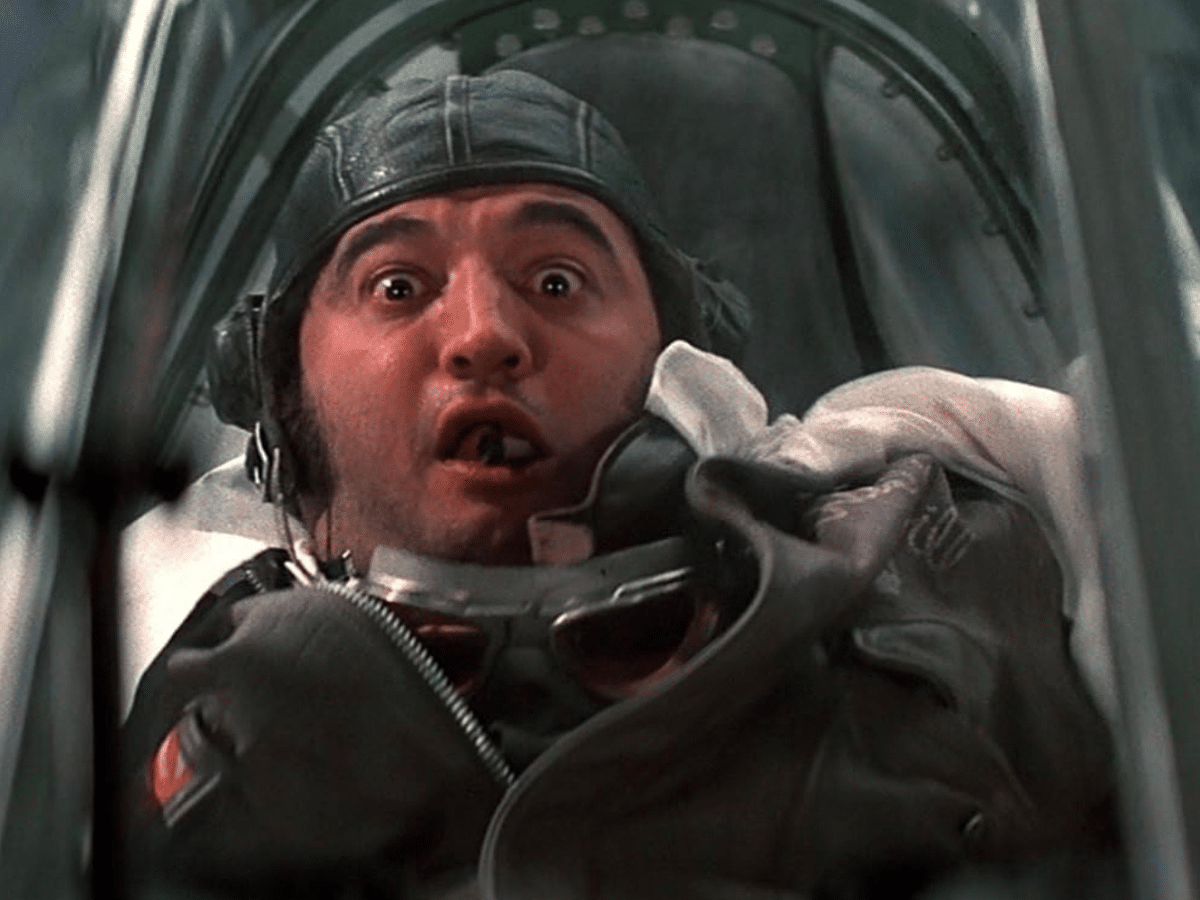
Even a director of Spielberg’s caliber is not immune to critical disappointment. At the bottom of the list sits 1941 (1979), a chaotic World War II comedy that failed to find the right tonal balance. Despite a star-studded cast including John Belushi and Dan Aykroyd, critics at the time noted that the film’s "lack of humanity" made its slapstick violence feel hollow.
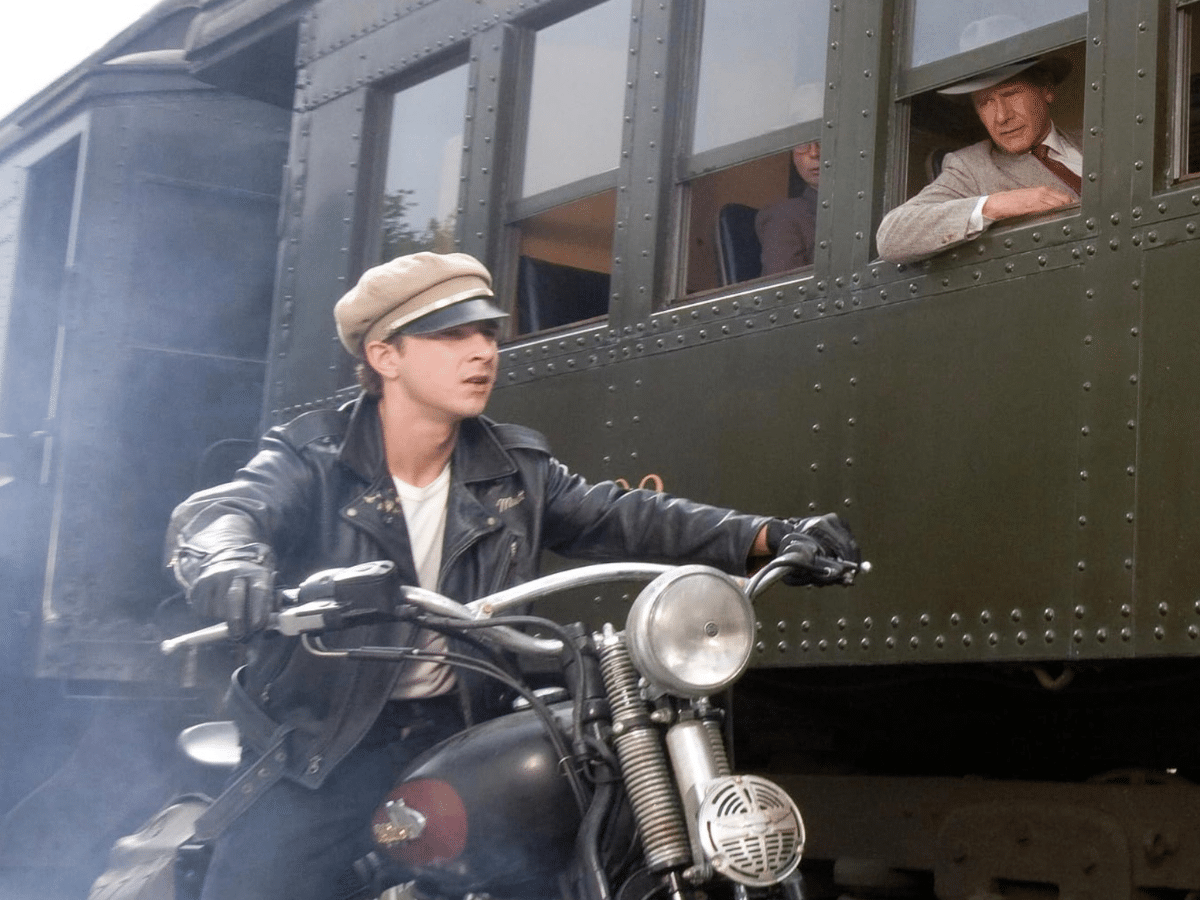
Similarly, The Lost World: Jurassic Park (1997) and Indiana Jones and the Kingdom of the Crystal Skull (2008) are often cited as sequels that struggled to capture the lightning-in-a-bottle magic of their predecessors. The Kingdom of the Crystal Skull, in particular, was criticized for its reliance on CGI and a narrative shift toward science fiction that felt incongruous with the franchise’s pulp-adventure roots.
- 36. 1941 (1979): A rare comedic stumble that prioritized spectacle over character.
- 35. The Lost World: Jurassic Park (1997): A darker, more cynical sequel that lacked the wonder of the original.
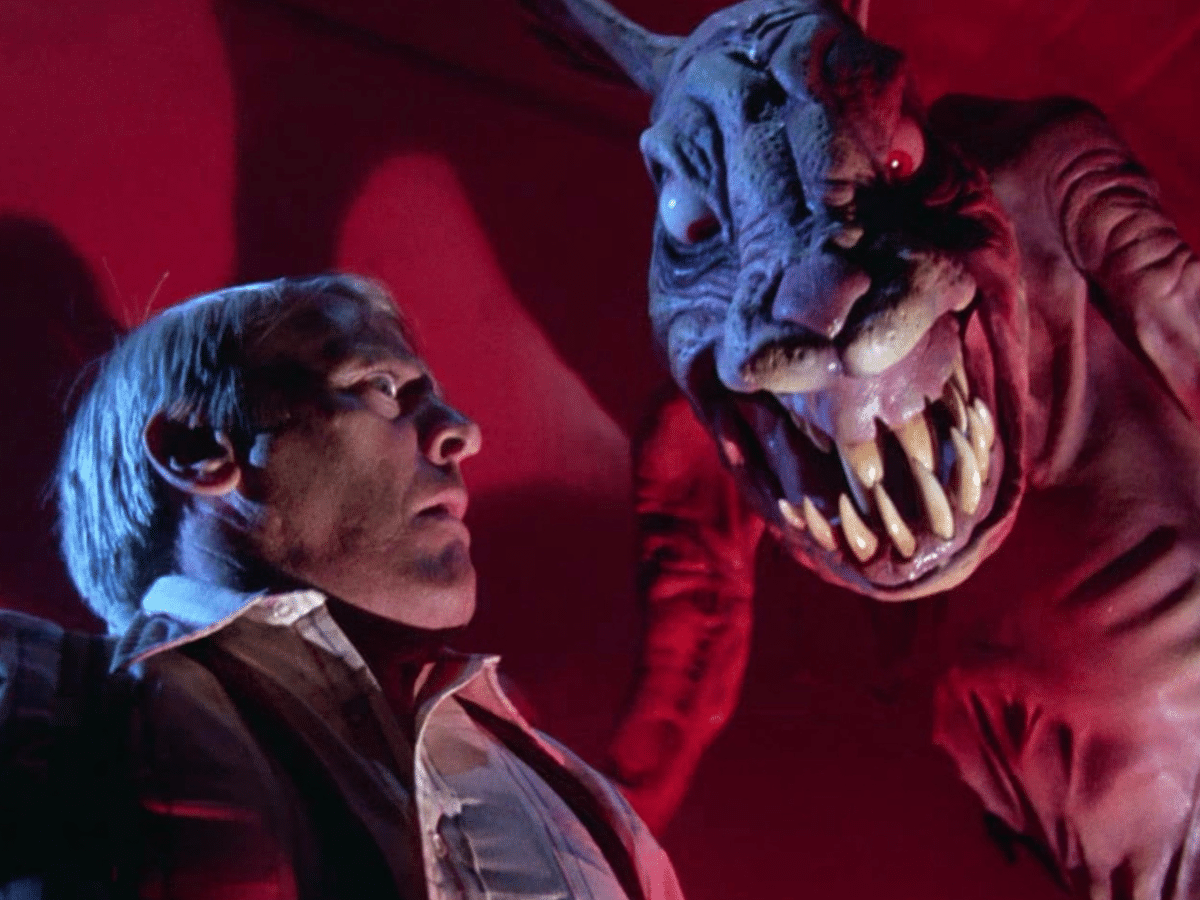
- 34. Twilight Zone: The Movie (Segment: "Kick the Can") (1983): An anthology contribution that leaned too heavily into sentimentality.
- 33. Indiana Jones and the Kingdom of the Crystal Skull (2008): A divisive legacy sequel that attempted to modernize a classic hero with mixed results.
The Middle Tier: Genre Exercises and Technical Prowess
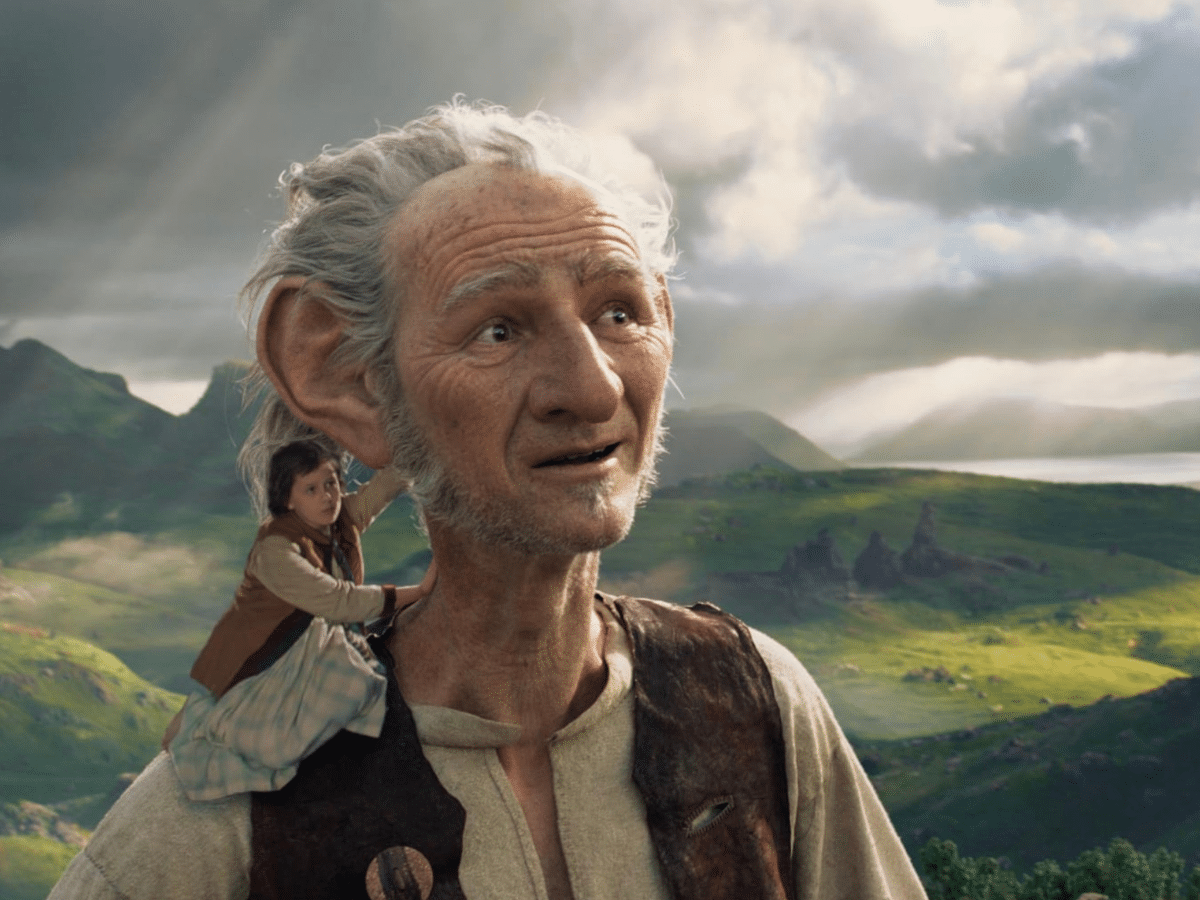
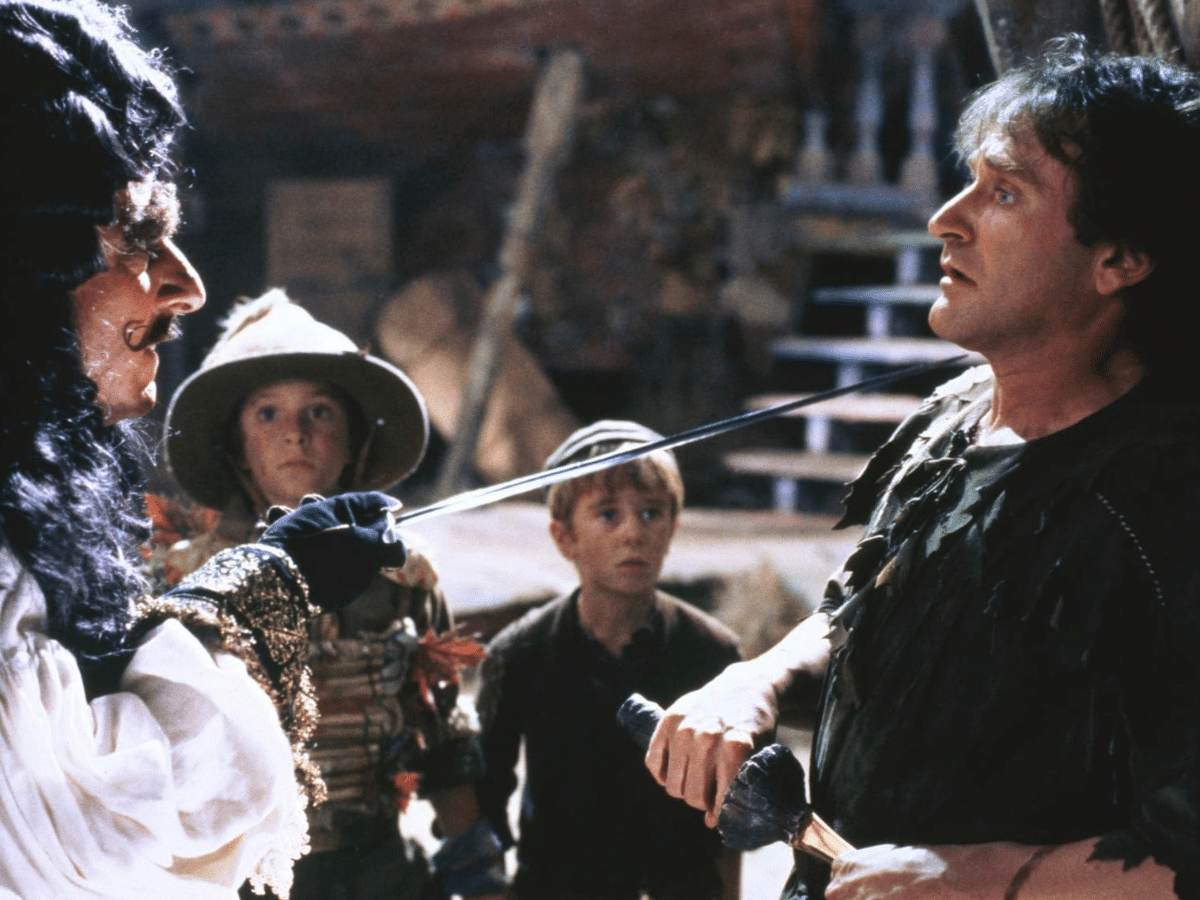
The middle of Spielberg’s filmography contains works that, while highly competent, often lack the universal acclaim of his top-tier projects. Films like Hook (1991) and The BFG (2016) showcase his fascination with childhood and wonder, yet they received polarized reviews regarding their pacing and tone.
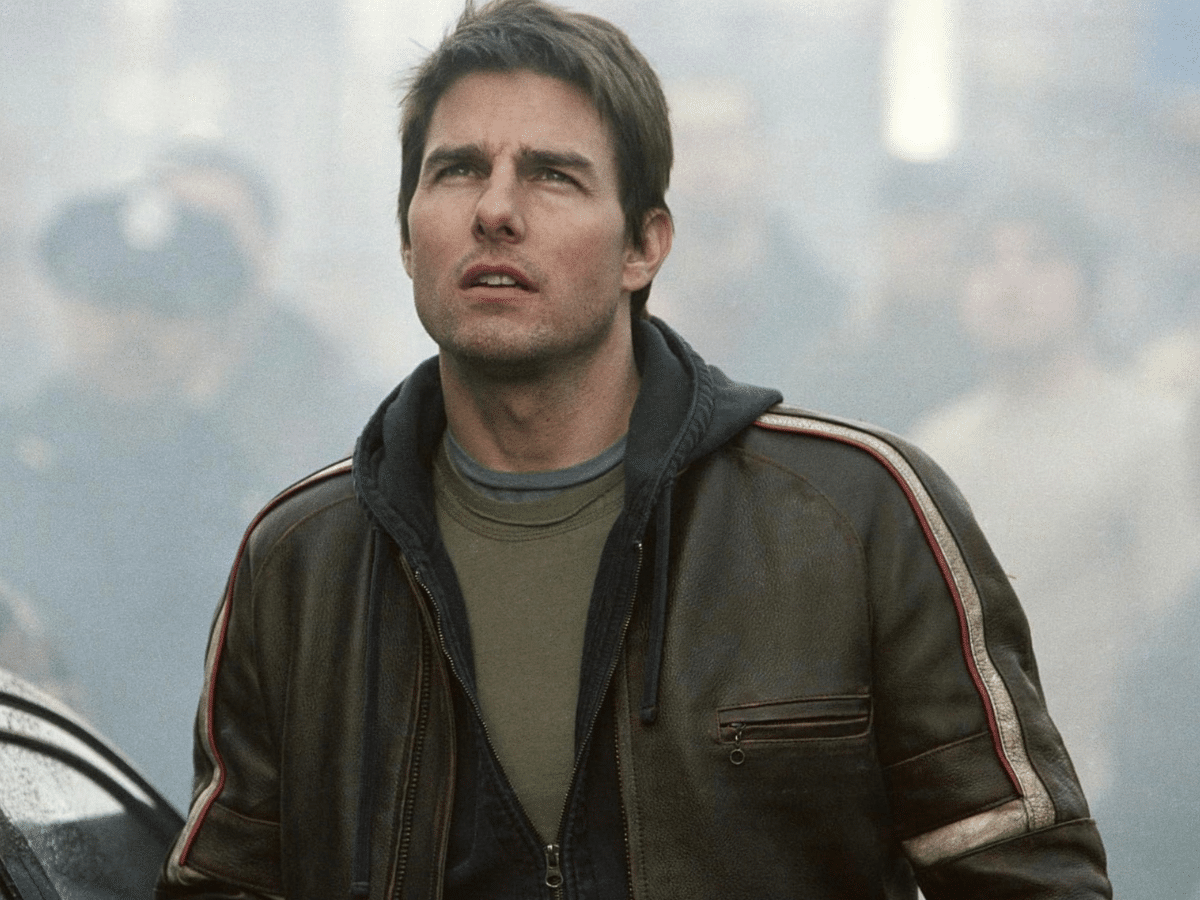
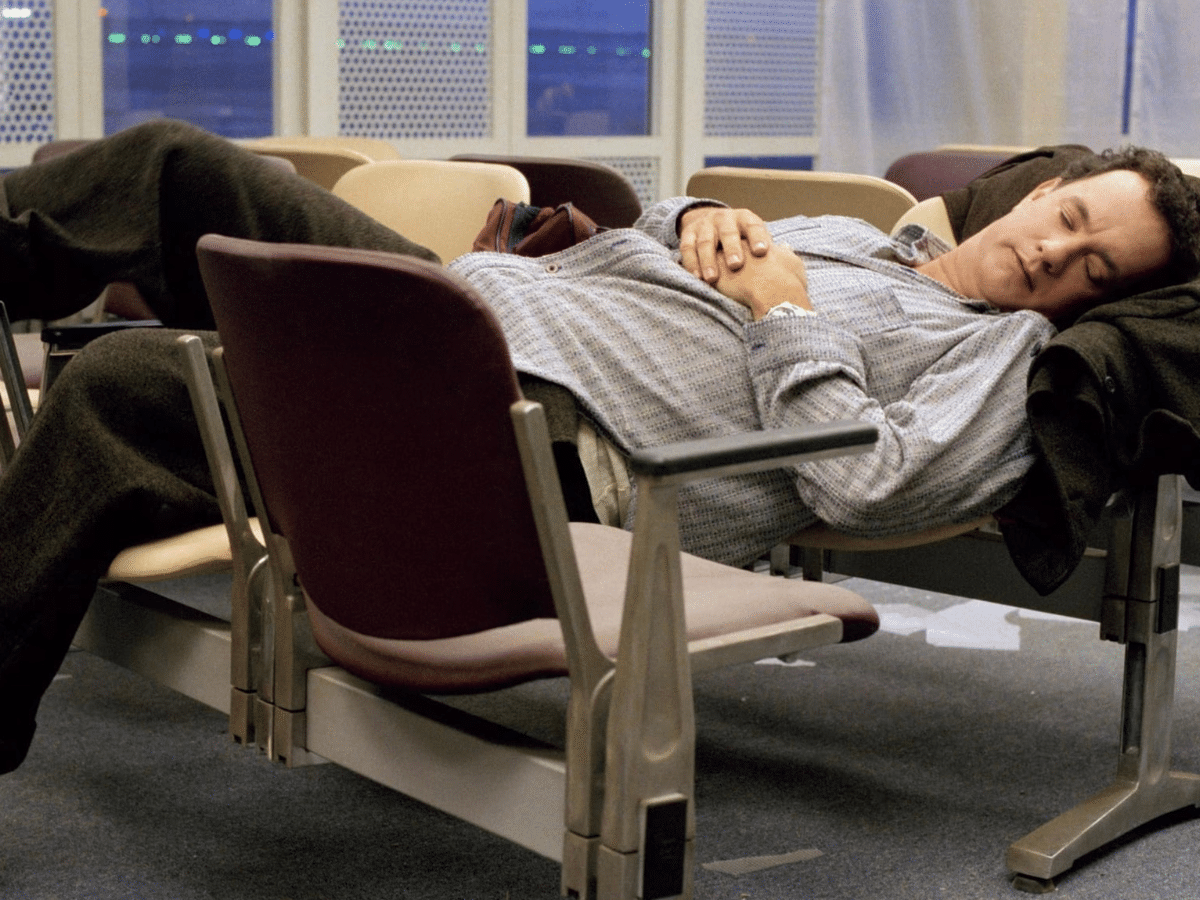
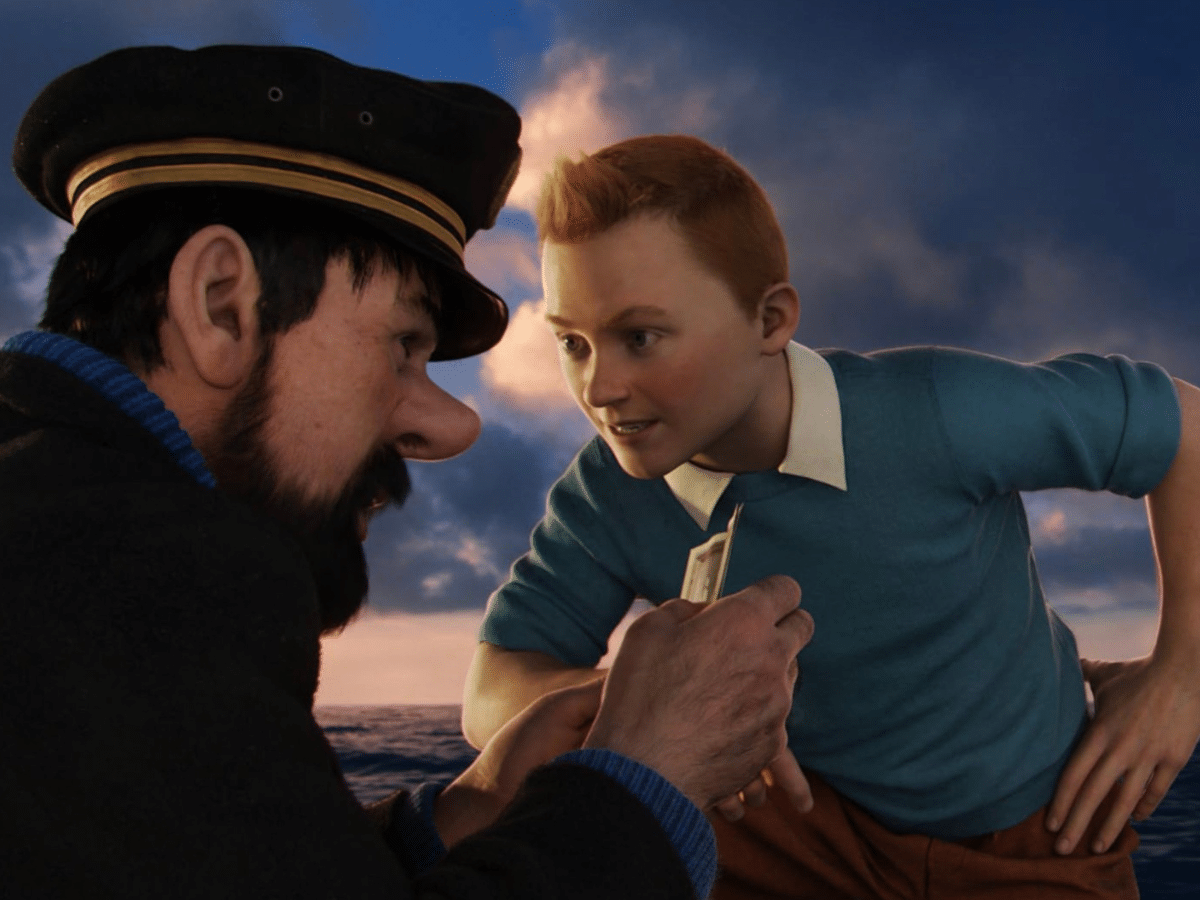
Conversely, this tier includes some of his most fascinating technical exercises. The Adventures of Tintin (2011) utilized performance-capture technology to bring Hergé’s comic strips to life, while War of the Worlds (2005) offered a gritty, post-9/11 reimagining of H.G. Wells’ classic novel. Disclosure Day (often categorized alongside his sci-fi explorations) and The Terminal (2004) represent Spielberg’s ability to take small, human stories and elevate them through high-concept scenarios.
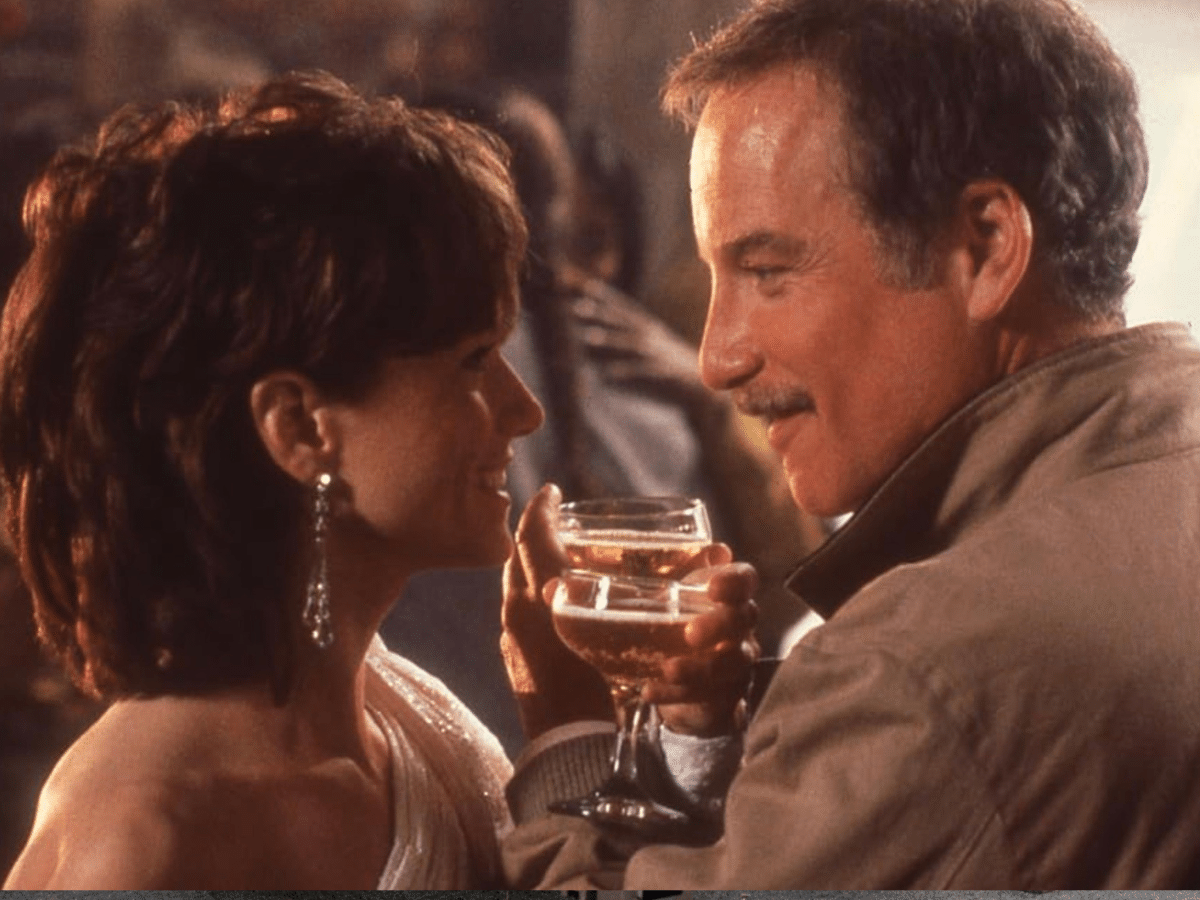
- 27. The Terminal (2004): A heartwarming, if slight, dramedy based on the true story of Mehran Karimi Nasseri.
- 26. A.I. Artificial Intelligence (2001): A complex, philosophical collaboration with the late Stanley Kubrick that remains one of his most debated works.
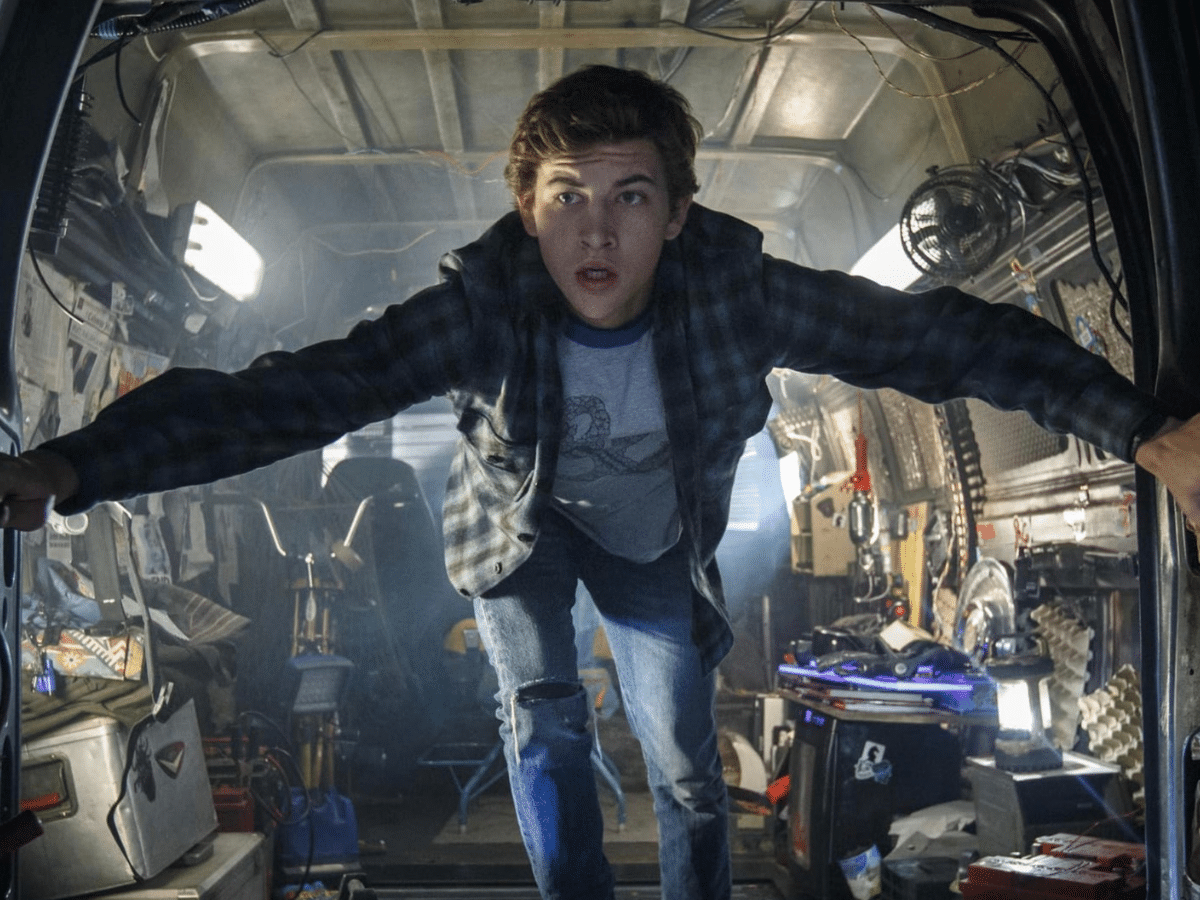
- 23. Ready Player One (2018): A visual feast that explored the dangers of virtual escapism and nostalgia.
- 16. West Side Story (2021): A vibrant remake that many critics argued surpassed the 1961 original in technical execution and cultural sensitivity.
The Top Tier: The Pillars of Modern Cinema
The top ten films in Spielberg’s filmography are not merely great movies; they are cultural touchstones. Duel (1971) and Jaws (1975) established him as a master of suspense. Jaws was particularly significant, as its troubled production—characterized by a malfunctioning mechanical shark—forced Spielberg to suggest the predator’s presence through music and cinematography, inadvertently creating a more terrifying experience.
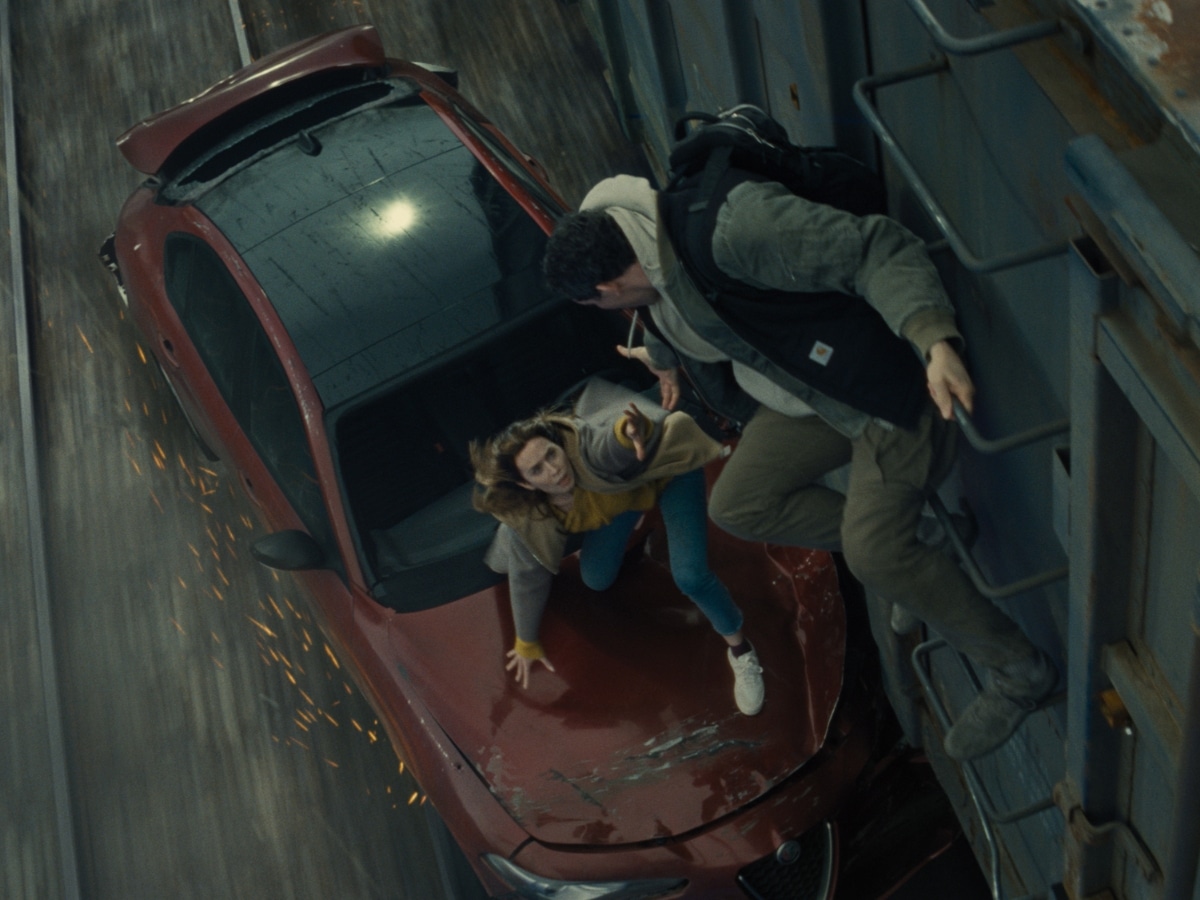
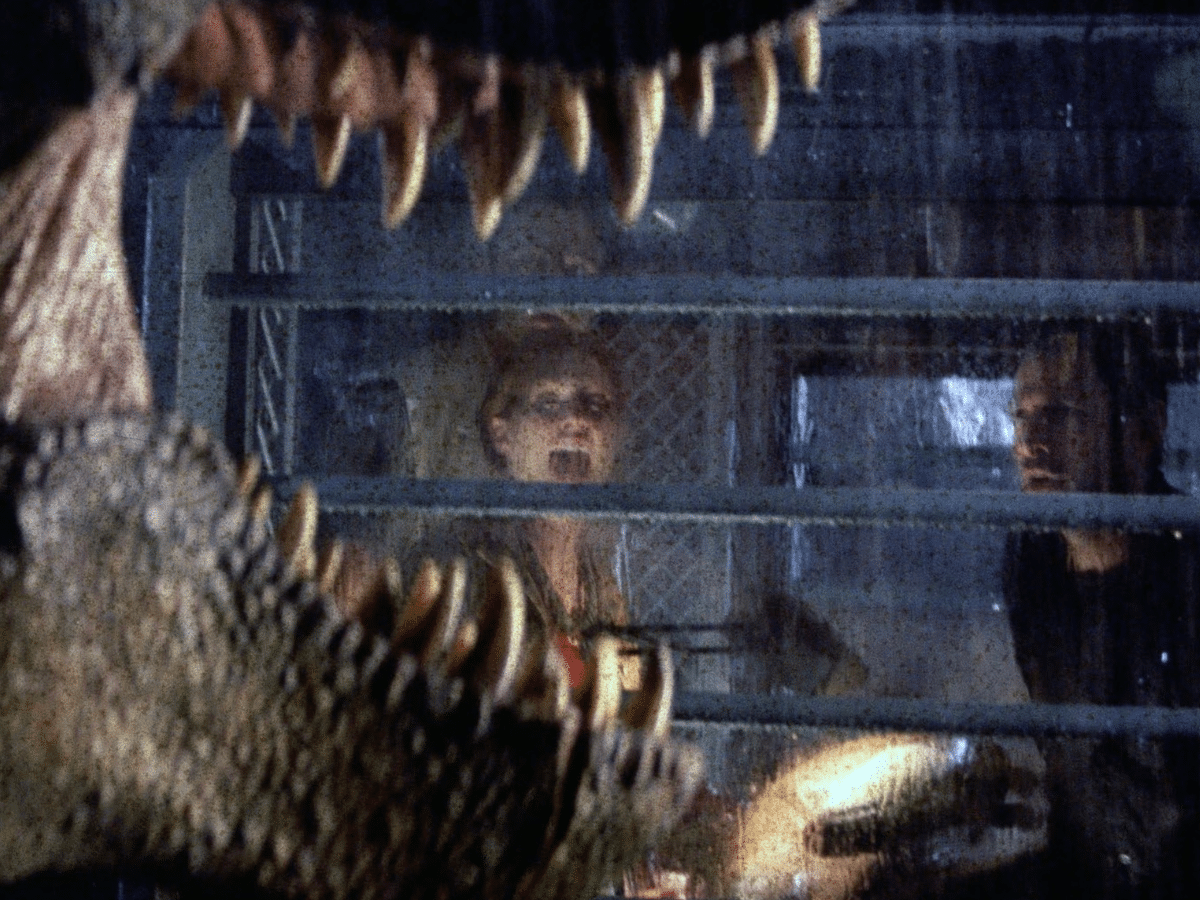
Jurassic Park (1993) remains a benchmark for visual effects, blending animatronics with early CGI in a way that many modern films still struggle to replicate. Meanwhile, Saving Private Ryan (1998) redefined the war genre. Its opening 27-minute sequence depicting the Omaha Beach landings was so realistic that it triggered PTSD in some veterans, leading to the Department of Veterans Affairs setting up a dedicated hotline for those affected by the film.
At the pinnacle sits Schindler’s List (1993). Shot in black and white to evoke the feel of documentary footage from the era, the film is widely regarded as one of the most important cinematic works ever produced. It won seven Academy Awards and has been preserved in the U.S. National Film Registry for its "cultural, historical, or aesthetic significance."

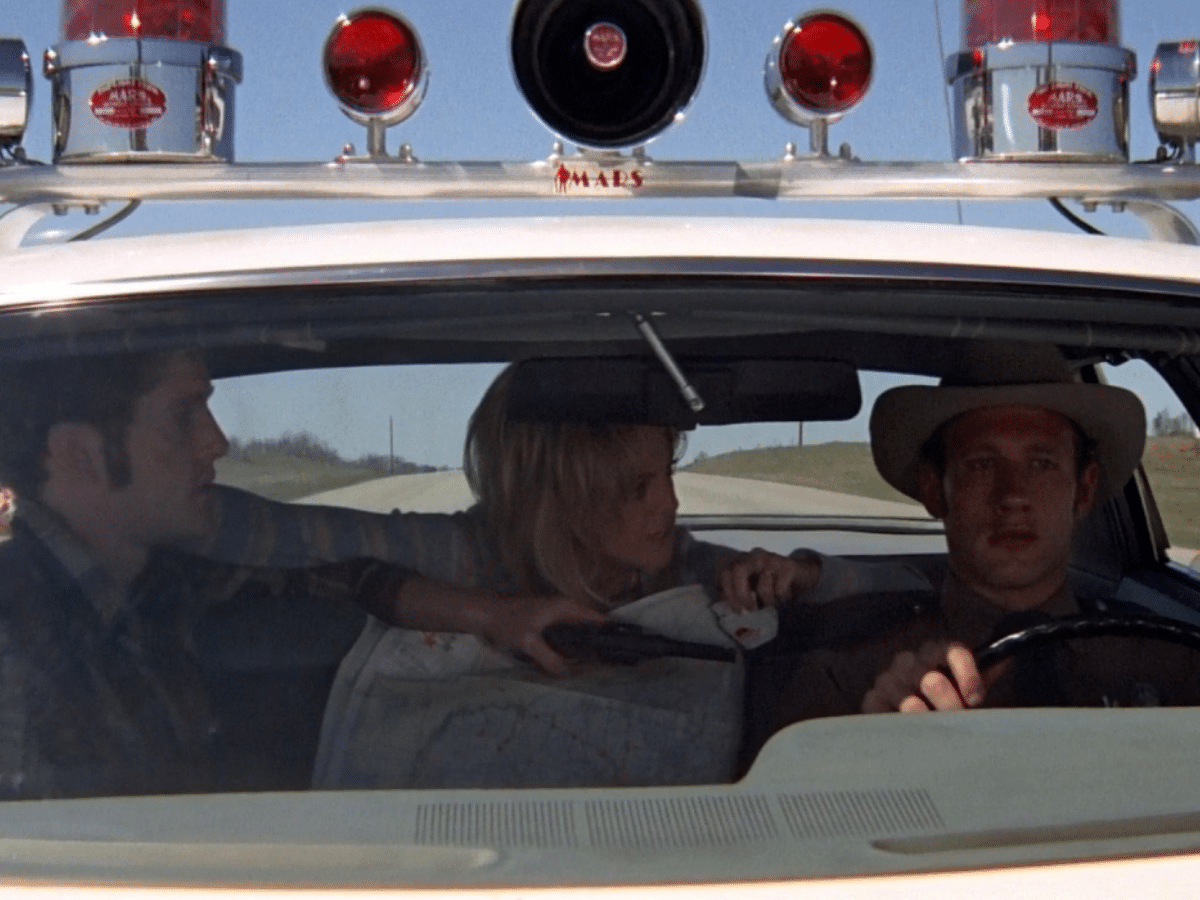
- 10. Duel (1971): A masterclass in low-budget suspense.
- 6. Jurassic Park (1993): The definitive creature feature of the digital age.
- 5. Jaws (1975): The film that changed the business of Hollywood forever.
- 2. Saving Private Ryan (1998): A visceral, harrowing tribute to the "Greatest Generation."
- 1. Schindler’s List (1993): A profound exploration of the capacity for human evil and individual heroism.
Statistical Analysis of Box Office and Critical Trends
Data analysis of Spielberg’s career reveals a high level of consistency. His average IMDb rating across 36 films is approximately 7.5/10, an extraordinary feat for such a prolific director. From a financial perspective, his films have an average domestic gross of over $150 million (unadjusted for inflation).
The "Spielberg Effect" is also evident in the careers of his frequent collaborators. Composer John Williams has scored 29 of Spielberg’s 36 films, a partnership that has resulted in some of the most recognizable themes in history. Furthermore, his long-standing collaboration with cinematographer Janusz Kamiński, which began with Schindler’s List, has defined the visual "glow" and high-contrast look associated with modern Spielberg productions.
Broader Impact and Industry Legacy
Beyond the rankings, Steven Spielberg’s impact on the industry is structural. He co-founded Amblin Entertainment and DreamWorks SKG, companies that have produced dozens of other iconic films and television series. His influence is seen in the work of contemporary directors like J.J. Abrams, Greta Gerwig, and Christopher Nolan, all of whom have cited his ability to ground fantastical elements in relatable human stakes.
Official responses to his work from organizations like the American Film Institute (AFI) place several of his films in the "100 Years… 100 Movies" list, with Schindler’s List, E.T., and Jaws consistently ranking in the top tier. His recent autobiographical film, The Fabelmans (2022), provided a rare introspective look at his own childhood, confirming what many critics had long suspected: that the themes of broken families and the search for wonder in his films were deeply rooted in his personal history.
As the film industry continues to move toward streaming and franchise-dominated models, Spielberg remains a staunch advocate for the theatrical experience. His career serves as a reminder that cinema, at its best, is a bridge between the grandest spectacles of our imagination and the most intimate truths of the human heart. Whether he is directing a man-eating shark or a historical epic, his legacy is secured as the definitive storyteller of the 20th and 21st centuries.




 Jia Lissa
 Yuyun Lusiyani
 Joko Widodo
 Eva Lovia

 Pevita Pearce