
 Lina Irawan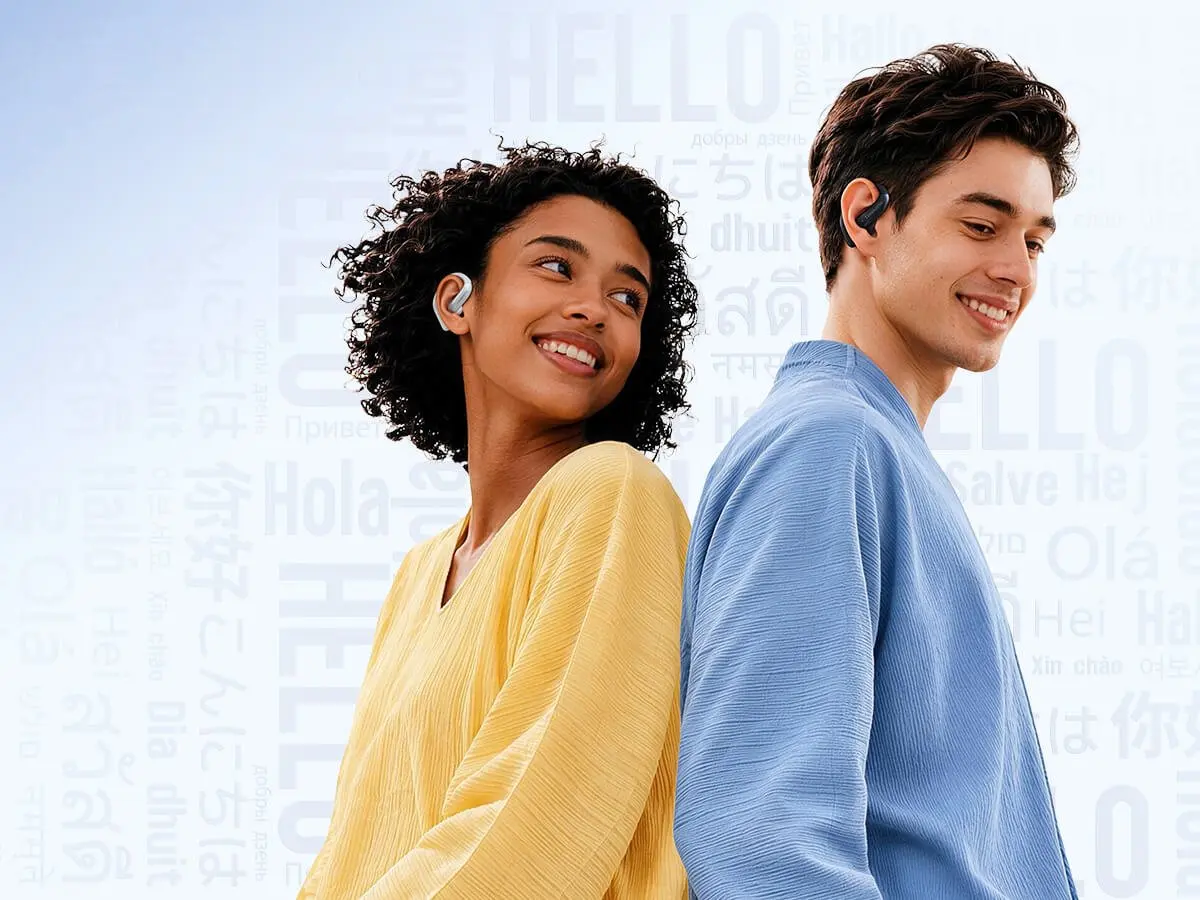
The release of the Timekettle LiveTalk AI translation earbuds marks a significant pivot in the wearable translation market, moving away from traditional in-ear designs toward an open-ear architecture intended for prolonged professional and personal use. Developed by Timekettle, a company that has specialized in cross-language communication solutions since 2016, the LiveTalk system aims to eliminate the friction of "pass-the-phone" translation. By integrating translation capabilities directly into a wearable form factor that does not obstruct the ear canal, the device seeks to facilitate more natural, eye-to-eye conversations across 54 languages and 108 accents. This transition in hardware design is paired with the introduction of Babel OS 3.0, a software framework designed to optimize engine selection based on the user’s current network environment and specific linguistic needs.
The Evolution of Wearable Translation Hardware
The trajectory of Timekettle’s product development provides a clear chronology of the industry’s attempts to solve the "Tower of Babel" problem. The company first gained international attention with its WT2 Plus translator, which required users to share earbuds. This was followed by the M-series, including the M2 and M3, which refined the music-and-translation hybrid approach. The LiveTalk represents the latest iteration in this timeline, specifically addressing user feedback regarding the discomfort of in-ear buds during long-term wear and the social isolation that can occur when the ear canal is fully sealed.
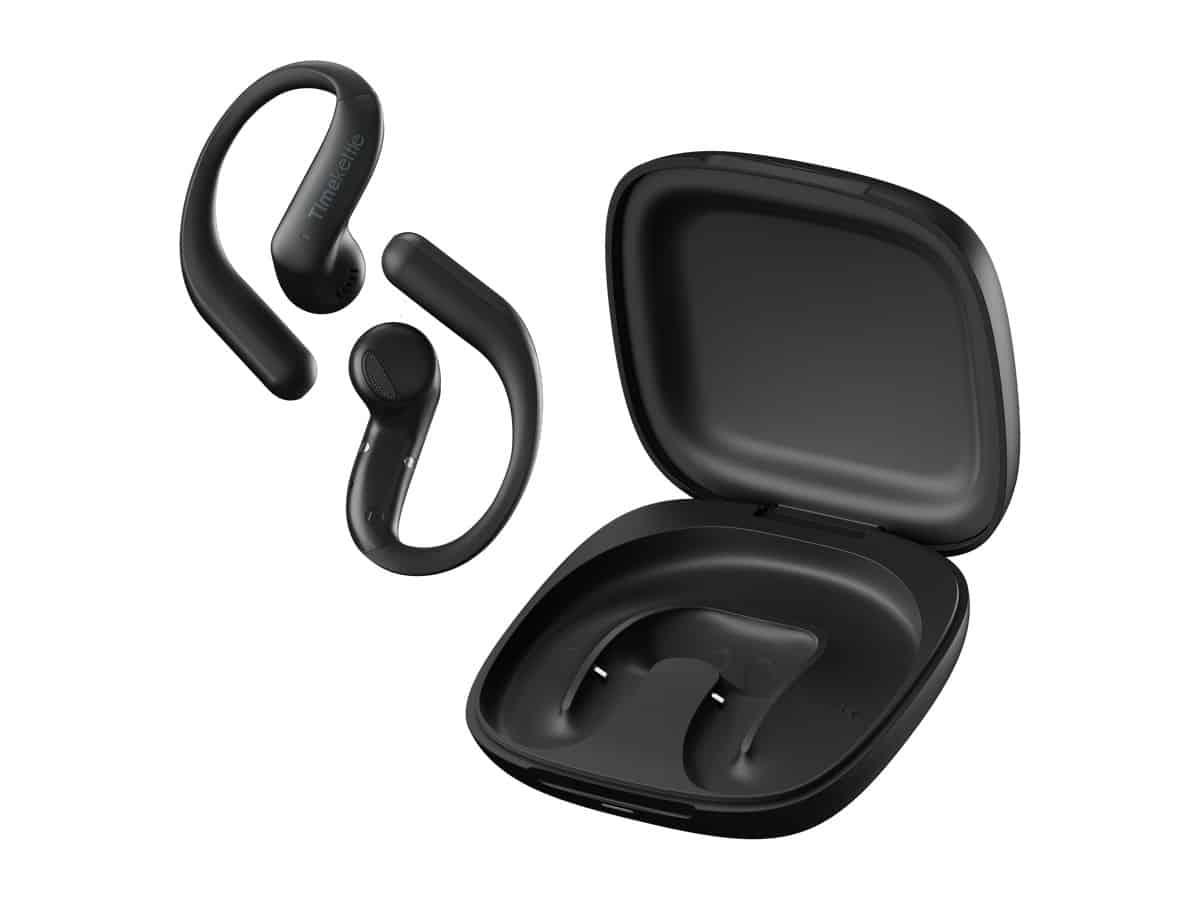
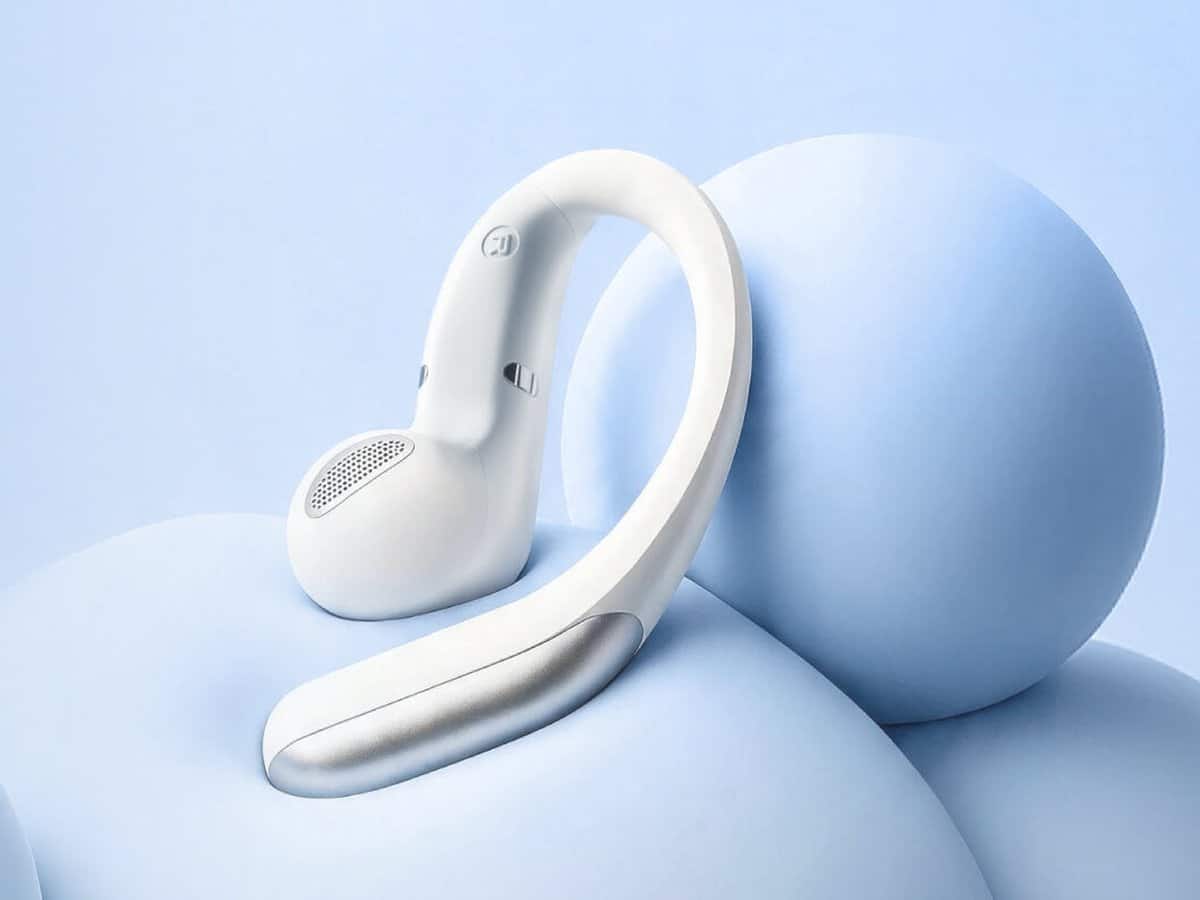
Weighing approximately 6.9 grams per earbud, the LiveTalk utilizes an ear-hook design. This design choice is reflective of a broader trend in the audio industry—seen also in products like the Sony LinkBuds—where situational awareness is prioritized. For a translator, this is functionally critical; users need to hear the ambient sound of their environment and the natural voice of their interlocutor while simultaneously receiving a translated audio feed. To mitigate the loss of audio clarity inherent in open-ear designs, Timekettle has implemented a dedicated Translation EQ. This software-driven acoustic profile is engineered to boost human vocal frequencies while suppressing low-frequency environmental noise, such as the hum of an airplane cabin or the bustle of a crowded café.
Technical Specifications and Operational Modes
The LiveTalk system is built around four distinct operational modes, each tailored to specific communication scenarios encountered by international travelers and business professionals. These modes are managed through the proprietary Timekettle smartphone application, which serves as the processing hub for the earbuds.
Face-to-Face and Live Listening
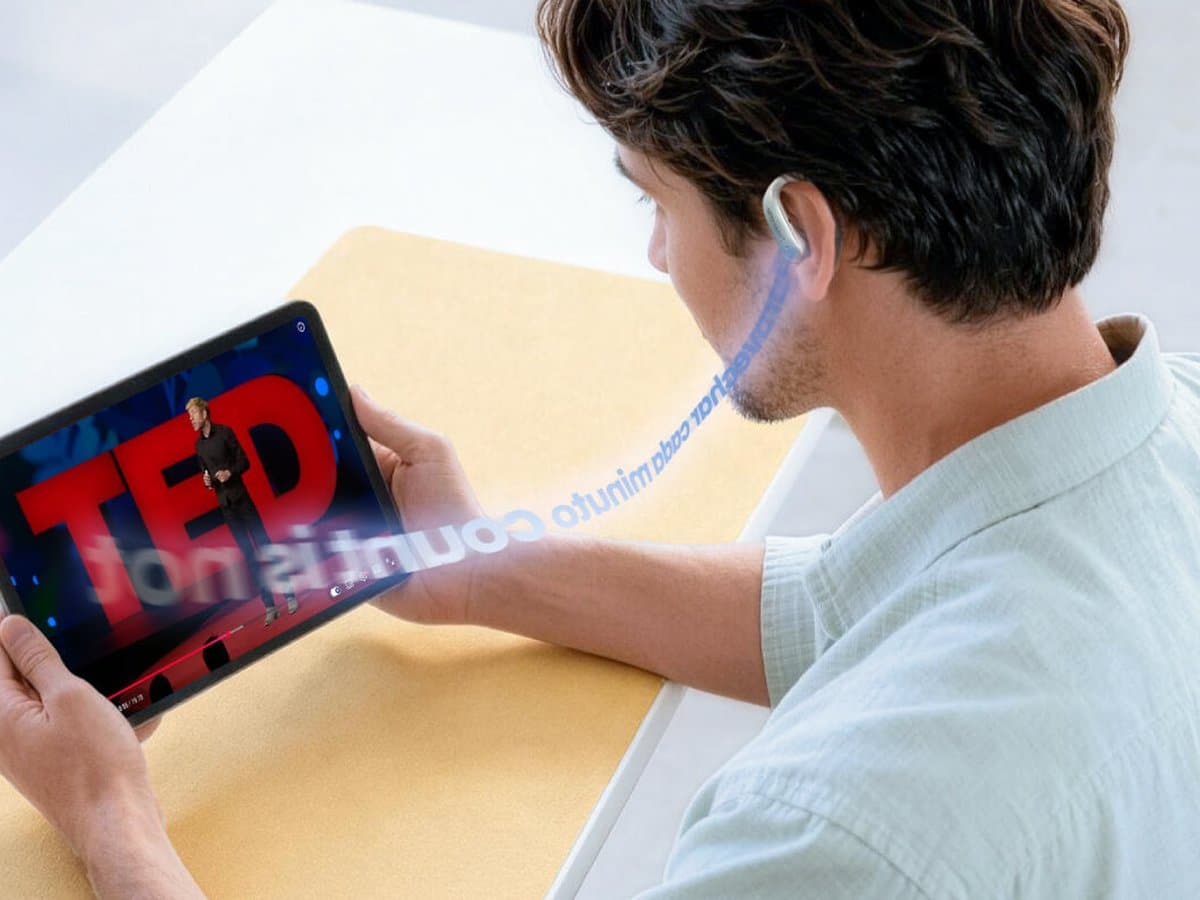
The Face-to-Face mode is designed for two-way dialogue, where the earbuds and the phone screen work in tandem to provide both audio and visual translations. This is intended for high-stakes interactions, such as business negotiations or medical consultations, where clarity is paramount. Conversely, the Live Listening mode is a one-way stream, allowing a user to wear the earbuds and receive a continuous translation of a lecture, speech, or presentation. This mode is particularly relevant for international students and conference attendees who require real-time interpretation without the need for a human translator.

Voice Call and Multi-Media Integration
One of the more technically advanced features of the LiveTalk is its ability to maintain dual-device connectivity. This allows the earbuds to be paired with both a laptop and a smartphone simultaneously. In the Voice Call and Multi-Media modes, a user can participate in a digital meeting via platforms like Zoom or Microsoft Teams on their computer, while the Timekettle app on their phone provides real-time translation of the audio. The Multi-Media mode also extends this functionality to video consumption, providing translated subtitles or audio for foreign-language content, a feature that aligns with the increasing globalization of digital media.
Language Coverage and the Offline Contingency
A critical metric for any translation device is the breadth and depth of its linguistic database. Timekettle claims that the LiveTalk supports 54 languages and 108 accents when connected to the internet. This includes major global languages such as Spanish, Mandarin, and Arabic, as well as less common languages like Icelandic, Khmer, and Kazakh. The inclusion of 108 accents is a strategic move to address the nuances of regional dialects, which often cause traditional translation software to falter.
Recognizing that international travel often involves "dead zones" with limited or no internet connectivity, the LiveTalk includes support for 25 offline language pairs. These packs must be downloaded to the user’s smartphone in advance. While offline translation typically lacks the deep-learning nuances of cloud-based engines, it provides a necessary safety net for navigating remote areas, transit hubs with poor roaming, or high-altitude flights. The underlying Babel OS 3.0 is tasked with managing these transitions, automatically selecting the most efficient translation engine available to minimize latency.
The Economics of AI Interpretation: Subscription Models
The business model for the LiveTalk reflects the ongoing "SaaS-ification" (Software as a Service) of hardware. While the device itself retails for approximately US$129 (roughly AU$198), the full suite of translation features is tied to a tiered usage plan. Each device comes with a free tier of 200 minutes of online translation per month. For many casual travelers, this may suffice; however, for professional use, this limit is easily surpassed.
To accommodate heavier users, Timekettle offers a Pro subscription that adds 300 minutes per billing cycle, as well as an Unlimited plan. For those who prefer a non-subscription approach, "Booster Packs" of 600 minutes can be purchased, which do not expire. This tiered structure highlights the significant server costs associated with real-time AI processing and positions the LiveTalk as a professional tool rather than a mere consumer electronic.
Market Context and Competitive Analysis
The entry of the LiveTalk into the market occurs at a time when mainstream tech giants are beginning to integrate translation features into their flagship audio products. Apple, for instance, has introduced live translation features that work with the AirPods Max 2 and other H2-chip-equipped devices. However, Timekettle’s competitive advantage lies in its "translation-first" philosophy. While Apple and Sony focus on music fidelity and noise cancellation, Timekettle’s hardware is built specifically to solve the latency and microphone pickup issues unique to interpretation.

The LiveTalk features a dual-microphone air-conduction pickup system. Unlike standard Bluetooth earbuds designed for phone calls, these microphones are calibrated to capture the user’s voice and the surrounding speech with high precision to ensure the AI engine receives a clean signal. In comparison to Timekettle’s own M3 model, the LiveTalk offers a 20% increase in online language support and nearly double the number of offline language pairs, representing a significant technological leap for the brand.
Broader Implications for Global Communication
The implications of reliable, wearable AI translation extend beyond the convenience of a tourist ordering a meal. In the corporate sector, such devices reduce the overhead of hiring human interpreters for routine internal meetings. In the educational sector, they offer a path toward more inclusive classrooms for non-native speakers. Furthermore, as AI models continue to evolve with Large Language Models (LLMs), the accuracy of these translations is expected to reach near-human parity within the next few years.
However, the reliance on a smartphone as the primary processing unit remains a potential bottleneck. The latency—the delay between a person speaking and the translation being heard—is still measured in milliseconds, which can occasionally disrupt the flow of natural conversation. The success of the LiveTalk will likely depend on how effectively Babel OS 3.0 can minimize this "processing lag" in real-world conditions.
Summary of Specifications and Availability
The Timekettle LiveTalk is currently available in three colorways: Star Silver, Polar Black, and Deep Sea Blue. The hardware is backed by an 11mm dynamic driver with a titanium diaphragm, ensuring that when the device is used for music, it maintains a standard of audio quality comparable to mid-range consumer earbuds. Battery performance is rated at four hours for continuous translation and up to eight hours for music playback, with the charging case providing a total of 35 hours of power. A quick-charge feature provides 2.5 hours of use from a 10-minute charge, a vital feature for travelers on the move.
As the AI translation landscape becomes increasingly crowded, the LiveTalk’s focus on ergonomic comfort and specialized software suggests a move toward specialized "workwear" for the global citizen. While the hardware cost is accessible, the long-term value for users will be determined by the accuracy of the Babel OS engines and the seamlessness of the transition between online and offline modes. For the international business community and frequent travelers, the LiveTalk represents a concerted effort to turn the earbud into a universal interface for human connection.



 Jia Lissa
 Yuyun Lusiyani
 Joko Widodo
 Eva Lovia

 Pevita Pearce