
 Yuyun Lusiyani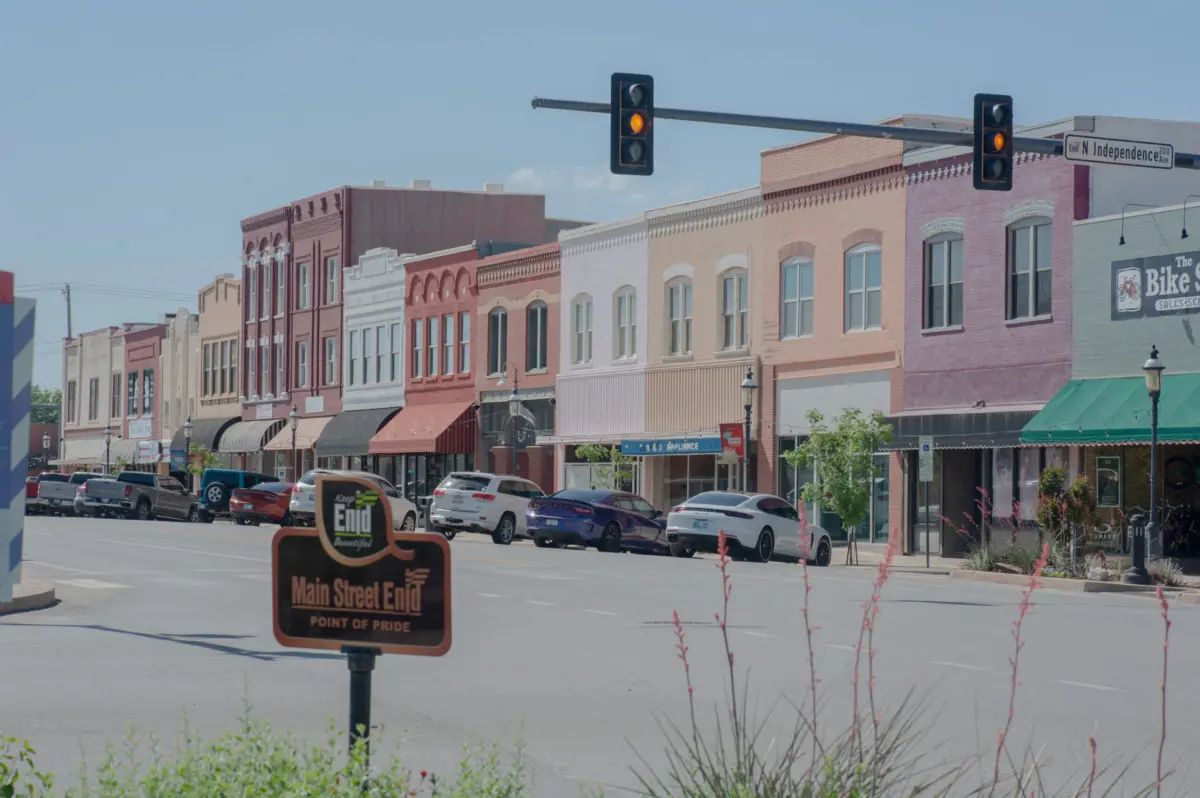
An Oklahoma oil and gas company has permanently sealed a controversial disposal well, known as the Flying Monkey, following a joint investigation by The Frontier and ProPublica that exposed its approval in direct violation of state regulations designed to safeguard public groundwater supplies. The decision by BCE-Mach III Midstream Holdings LLC to plug the well on September 14 marks a significant development in a long-running dispute over the safety of wastewater injection operations near critical drinking water sources in the small city of Enid, located in northwest Oklahoma. The well, which injected toxic oilfield wastewater deep underground, sat perilously close — approximately a quarter-mile — to two municipal groundwater supply sites serving Enid’s residents. State law explicitly prohibits such operations within a half-mile of public water wells unless a formal hearing is conducted to verify that the activity poses no threat to groundwater. Regulators at the Oklahoma Corporation Commission (OCC) notably failed to hold such a hearing before granting approval for the well in 2018, an oversight that sparked widespread concern and led to a formal complaint from the City of Enid last year.
The permanent closure of the Flying Monkey well has been met with relief by local officials, who had been actively campaigning for its cessation. "This decision is, for lack of a better word, thrilling because this is such a vital issue," remarked Frank Baker, an Enid city commissioner, upon learning of the plugging from a reporter. "Our water sources have been put in danger, and for this one well to have been plugged, this is the best possible outcome." The city’s proactive stance underscored the critical importance of protecting its sole source of drinking water from the potential contamination risks associated with oilfield waste disposal. The company’s action, while welcomed, also highlights systemic issues within Oklahoma’s regulatory framework for oil and gas operations, particularly concerning the proximity of industrial activities to essential public resources.
The Perilous Proximity: A Regulatory Breakdown
The core of the controversy surrounding the Flying Monkey well lay in its location. Disposal wells are a common feature of the oil and gas industry, designed to manage the vast quantities of "produced water" – a toxic byproduct of hydrocarbon extraction. This wastewater, often highly saline and containing heavy metals, hydrocarbons, and sometimes naturally occurring radioactive materials, is injected thousands of feet below ground into porous rock formations, ideally isolated from freshwater aquifers. However, the integrity of these operations is paramount, and strict regulations are essential to prevent leaks or migration of contaminants into potable water supplies.
Oklahoma’s regulations, administered by the OCC, clearly stipulate a minimum setback distance of half a mile between wastewater injection wells and public water supply wells. This rule is not absolute; it allows for exceptions, but only after a public hearing where regulators can thoroughly assess potential risks and ensure protective measures are in place. In the case of the Flying Monkey well, this crucial step was omitted. The original operator, Hinkle Oil & Gas, had inaccurately indicated on its 2018 permit application that the well was not within the restricted half-mile zone, a claim that Enid’s lawyers later described as "demonstrably false" in their 2025 complaint to the state. This initial misrepresentation, coupled with the OCC’s subsequent approval without the mandatory hearing, created a direct and unaddressed threat to Enid’s drinking water.
The lack of a hearing deprived the public and local authorities of the opportunity to voice concerns, present evidence, and demand assurances regarding the safety of the well so close to their water supply. This regulatory lapse underscores a broader challenge in states with extensive oil and gas activity, where the balance between industrial development and environmental protection, particularly water resources, is constantly tested.
A Troubled History and Escalating Pressure
The Flying Monkey well’s operational record was far from pristine, contributing significantly to concerns about its safety. Over the past five years, the well exhibited a "checkered operational history," as described in the investigation. The Oklahoma Corporation Commission had repeatedly ordered the well shut down due to failures in its structural integrity tests. These tests are critical diagnostic tools designed to detect leaks or flaws in the well casing, tubing, or cement seals that could allow injected wastewater to escape into unintended geological formations, potentially migrating upwards into freshwater aquifers. Since 2021 alone, the Flying Monkey well had failed five such tests, each instance raising alarms about its continued safe operation.
The chronology of events leading to the well’s eventual plugging illustrates the escalating pressure on BCE-Mach III Midstream Holdings:

- 2018: The Oklahoma Corporation Commission approves the Flying Monkey disposal well permit for Hinkle Oil & Gas without the legally required public hearing, despite its close proximity to Enid’s municipal groundwater supply wells.
- 2020: BCE-Mach III Midstream Holdings LLC acquires the Flying Monkey well, inheriting its operational and regulatory baggage.
- 2021 – Mid-2025 (implied): The well repeatedly fails structural integrity tests, leading to multiple temporary shutdowns ordered by state regulators. These failures signal potential pathways for toxic wastewater to escape.
- Last Year (implied 2024): The City of Enid formally files a complaint with the Oklahoma Corporation Commission, petitioning the state to revoke the Flying Monkey’s permit to operate, citing the regulatory violations and ongoing threat to public water.
- Early July (implied 2025): The investigative report by The Frontier and ProPublica is published, bringing widespread public and media attention to the regulatory failures and the specific risks posed by the Flying Monkey well. The report explicitly highlights that regulators approved the well in violation of state rules.
- Nine days after the investigation’s publication: BCE-Mach III Midstream Holdings reports another leak in the well’s tubing to the OCC. This latest failure triggers a state directive, giving the company 90 days to either repair the leak or permanently plug the well.
- Earlier this year (implied 2025): BCE-Mach III Midstream Holdings refiles a permit application for the Flying Monkey, and notably, this time acknowledges the proximity of the city’s water supply wells, a stark contrast to the original operator’s filing.
- September 14 (implied 2025): With the City of Enid’s complaint still active in the OCC’s administrative law court, BCE-Mach III Midstream Holdings employees permanently seal the Flying Monkey well. The process involved dropping a cast iron plug into the bottom of the well, followed by the injection of over 200 sacks of cement to create a permanent barrier. A state representative was present to witness the plugging operations, ensuring compliance with regulatory procedures.
BCE-Mach III Midstream Holdings attorney Eric Huddleston stated the company decided to shut the well permanently after determining it was "underutilized and operationally unnecessary." While this explanation provides a business rationale, the timing of the closure—coming directly after a major investigative report, a city complaint, and a state-mandated repair or plug order following another leak—strongly suggests that mounting regulatory and public pressure played a decisive role in the company’s decision. The fact that Enid city officials were unaware of the plugging until informed by a reporter also indicates the company acted independently, likely to resolve the immediate regulatory challenge rather than as a direct collaborative effort with the city.
Broader Implications: A Statewide Concern
The plugging of the Flying Monkey well, while a victory for Enid, casts a spotlight on a much larger, statewide issue. The investigation by The Frontier and ProPublica did not stop at Enid, revealing a pattern of regulatory oversight across Oklahoma. Their analysis identified at least 114 other injection wells statewide that are operating within a half-mile of public water supply wells, in apparent violation of the same distance rule. This alarming statistic suggests that the problem in Enid is not an isolated anomaly but indicative of a systemic issue that potentially jeopardizes the drinking water for a significant portion of the state’s population. The investigation further revealed that more than 300,000 Oklahomans reside in communities that depend on these potentially vulnerable water wells.
The potential for widespread contamination poses a severe public health and environmental challenge. Contaminated groundwater can render drinking water supplies unusable, requiring costly treatment or the development of entirely new water sources. The long-term environmental consequences of injecting toxic wastewater, particularly in areas with geological vulnerabilities or inadequate regulatory oversight, can be profound and irreversible. This broader context underscores the critical role of investigative journalism in uncovering hidden risks and holding both industry and regulators accountable.
The Oklahoma Corporation Commission, the primary regulatory body, has remained largely silent on its role in the well’s closure and the implications of the investigation. A spokesperson for the commission did not respond to requests for comment regarding the agency’s involvement or its plans to address the wider issue of non-compliant wells across the state. This lack of official response contributes to a perception of a regulatory vacuum and raises questions about the agency’s commitment to proactive enforcement and public protection.
The Path Forward: Advocacy for Stronger Protections
The City of Enid is not resting on the success of the Flying Monkey’s closure. Its 2025 complaint against the state remains active in the OCC’s administrative law court. Beyond seeking the well’s plugging, the city has petitioned the commission to implement more stringent regulations on oilfield wastewater disposal near its water supply. Specifically, Enid is advocating for a wider distance buffer between injection sites and its water wells, recognizing that the existing half-mile rule, even when enforced, might not be sufficient given the geological complexities and potential for contaminant migration. This request comes amid a recent surge in wastewater injection activity in the Enid area, further intensifying the city’s concerns.
Enid’s city officials, like Frank Baker, hope that their success with the Flying Monkey well will serve as a precedent. "I hope and pray this is an example that we’ll start to see replicated across the state in the near future," Baker stated, articulating a desire for comprehensive regulatory reform and enforcement. The ongoing legal battle and advocacy efforts highlight the critical need for a robust regulatory framework that prioritizes public health and environmental safety over operational convenience for the industry.
The situation in Oklahoma reflects a broader national dialogue about the environmental footprint of energy production and the effectiveness of state-level oversight. As demand for water resources grows and concerns about climate change and environmental degradation intensify, the need for transparent, accountable, and rigorously enforced regulations for industrial activities like wastewater injection becomes ever more pressing. The Enid case, catalyzed by investigative reporting and persistent local advocacy, serves as a powerful reminder of the vigilance required to protect fundamental public resources like clean drinking water. The administrative law court proceedings regarding Enid’s complaint are scheduled to continue later this year, promising further developments in the ongoing quest for enhanced water protection in Oklahoma.


 Joko Widodo
 Eva Lovia
 Jia Lissa
 Pevita Pearce
 admin
admin