
 Ana Megawati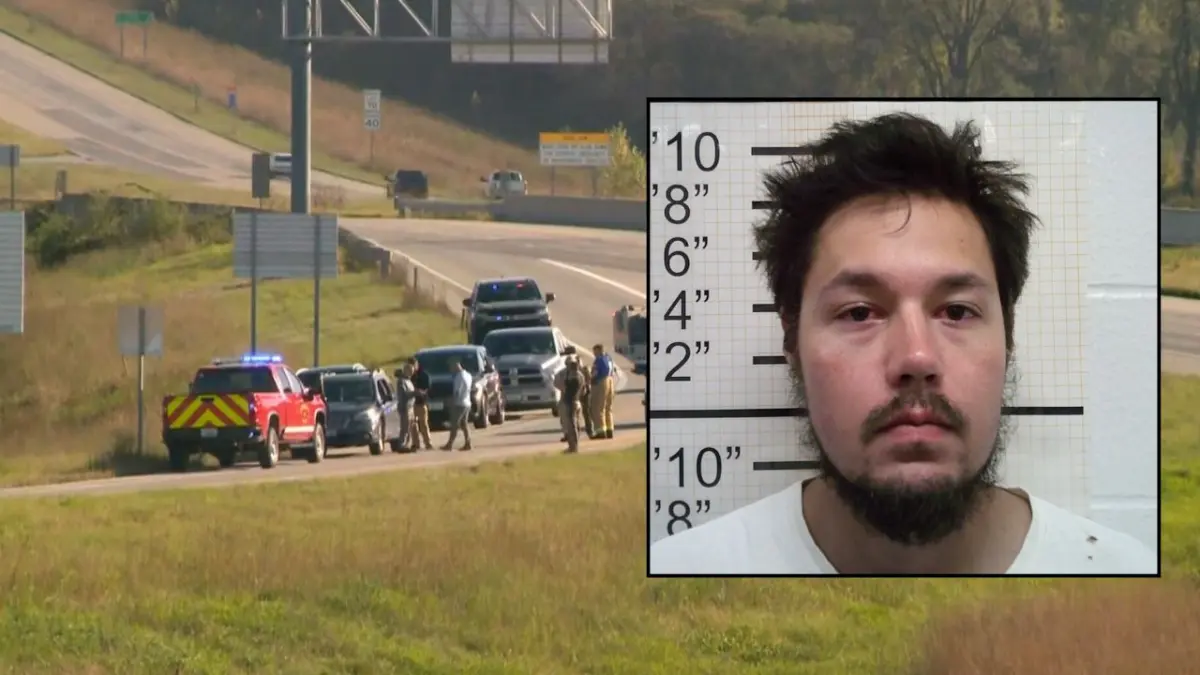
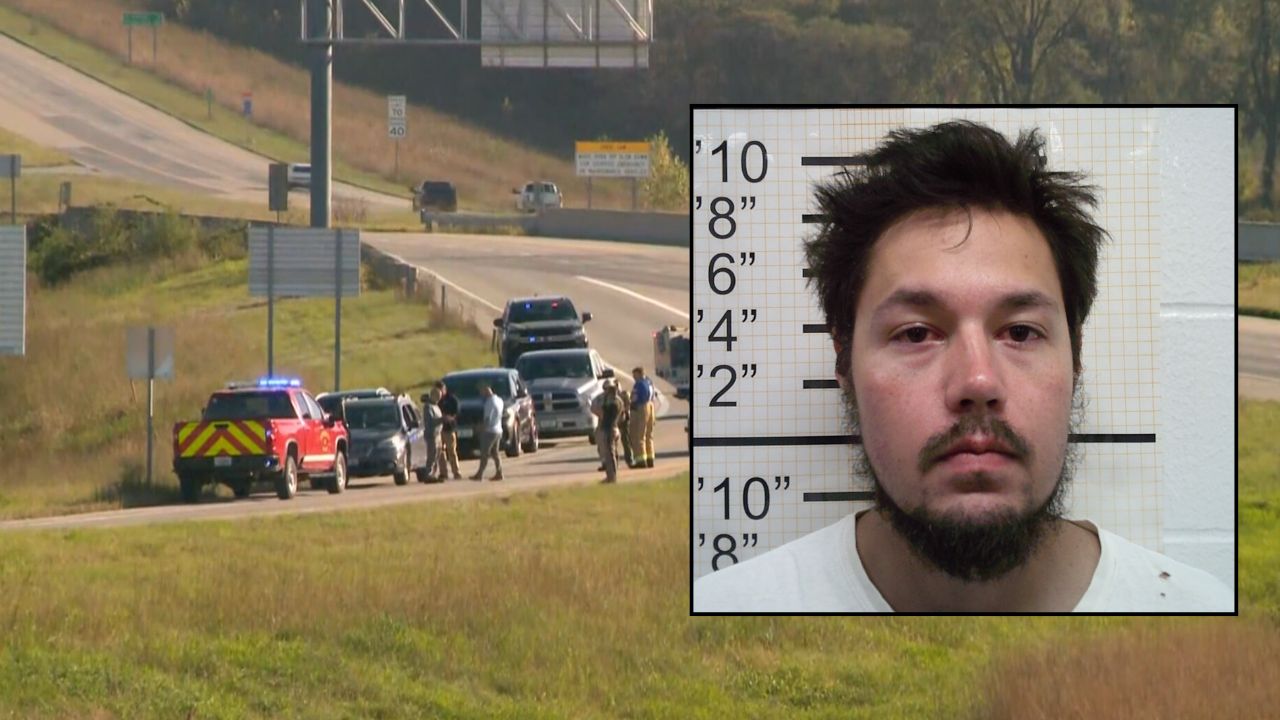
Andrew Tanaka, 27, stands accused of attempted murder following a harrowing incident on Interstate 35 in Martensdale, Iowa, where he allegedly opened fire on multiple drivers, telling police upon his arrest, "I had to kill people today." The shocking events unfolded on a Monday afternoon, leaving one woman injured by a gunshot wound and several vehicles riddled with bullets, sparking a multi-agency law enforcement response that ultimately led to Tanaka’s swift apprehension.
The Unfolding Chaos on I-35: A Detailed Chronology
The tranquility of a typical Monday afternoon commute on Interstate 35 in Martensdale, a small community south of Des Moines, was shattered around 3:30 p.m. when authorities began receiving a flurry of distressed 911 calls. Callers reported a highly dangerous and erratic situation: a man actively "discharging a firearm" at vehicles traveling northbound on the busy highway. The immediate severity of these reports triggered a rapid and comprehensive mobilization of law enforcement resources from across Warren County and beyond.
Initial responders from the Iowa Department of Public Safety, including the Iowa State Patrol, along with deputies from the Warren County Sheriff’s Office and officers from local municipal departments, converged on the scene. Their arrival confirmed the alarming reports: a chaotic stretch of highway where a violent spree had just occurred. Officers quickly located a woman suffering from a gunshot wound and observed multiple vehicles bearing the unmistakable signs of bullet impacts, scattered along the roadside, testament to the indiscriminate nature of the attack.
The affidavit reviewed by Law&Crime, detailing the events leading to Tanaka’s arrest, paints a chilling picture of the alleged assault. According to a witness’s account, the spree began with Tanaka, driving a black Chevrolet Equinox, pulling alongside a Subaru Outback. Without warning or provocation, Tanaka allegedly fired "at least" two rounds into the Subaru, striking the female driver in the shoulder. This initial act of violence set the tone for the ensuing chaos.
Undeterred by his first alleged victim, Tanaka reportedly continued his northbound trajectory, soon catching up to the witness in her BMW. In a brazen act, he allegedly fired a shot at her vehicle, though fortunately, she remained unharmed. The randomness of these attacks, targeting unrelated individuals on a public highway, immediately signaled a grave threat to public safety.
The incident then escalated further. As Tanaka continued driving, his black Equinox reportedly rear-ended a Nissan Altima, which was carrying two occupants. The collision brought both vehicles to a halt. In a display of immediate concern, the two individuals from the Altima exited their vehicle to check on Tanaka’s well-being, a natural reaction to a traffic accident. However, their act of compassion was met with further alleged aggression. Police reports indicate that Tanaka emerged from his now "disabled" Equinox, reportedly "armed with a handgun," and allegedly fired a shot directly at the Altima’s windshield. This final act of violence, following a traffic accident, underscored the profound and inexplicable danger Tanaka allegedly posed.
Law Enforcement Response and Apprehension
The coordination among multiple law enforcement agencies was critical in containing the rapidly unfolding crisis. The Iowa Department of Public Safety, serving as the lead agency, marshaled resources including the Iowa State Patrol, which is responsible for highway safety and incident response on major interstates. The Warren County Sheriff’s Office provided vital local support, deploying deputies to secure the scene and assist in the search for the suspect. Additionally, police departments from nearby communities like Martensdale, Norwalk, and Cumming were likely placed on high alert or contributed personnel to the perimeter and investigation, recognizing the potential for the threat to extend beyond the immediate incident location.
The dynamic nature of the situation, with a suspect actively engaged in a shooting spree on a major interstate, presented significant challenges. Officers had to prioritize the safety of the public, locate and render aid to victims, and simultaneously track and apprehend a potentially still-armed and dangerous individual. The scene on I-35 was complex, spanning multiple points of impact and observation, requiring meticulous coordination to piece together the sequence of events and ensure no further harm came to motorists.
Officers located Tanaka near the wreck involving the Nissan Altima. Despite the gravity of the alleged acts, Tanaka was arrested "without incident," a testament to the tactical precision of the responding officers who managed to de-escalate the immediate threat. It was during this apprehension that Tanaka allegedly made the chilling confession: "I had to kill people today." This statement, recorded in the affidavit, provides a disturbing insight into the mindset of the alleged perpetrator, suggesting a premeditated intent rather than a spontaneous outburst of anger.
The victim of the initial shooting, struck in the shoulder, was swiftly transported to a local hospital. Fortunately, her injuries were deemed non-life-threatening, a small solace amidst the terror she endured. Her recovery, however, will undoubtedly involve addressing the psychological trauma of being randomly targeted in such a violent manner.
Andrew Tanaka: The Suspect and Legal Ramifications
Andrew Tanaka, 27, is currently being held at the Warren County Jail. He faces four counts of attempted murder, a serious felony in Iowa. The multiple counts reflect the number of distinct individuals or groups targeted in his alleged spree. While only one person was physically shot, the legal definition of attempted murder often encompasses the intent to kill combined with an overt act towards that end, even if the act is unsuccessful or results in non-fatal injuries. In this case, firing at multiple vehicles with occupants, and specifically at the Altima’s windshield after the collision, would likely contribute to these multiple charges.
The court has set Tanaka’s bond at an exceptionally high $1 million cash bond. This significant amount underscores the severe nature of the charges, the perceived flight risk, and the danger Tanaka is believed to pose to the community. A cash bond requires the full amount to be paid in cash or through a property bond of equal value, making it extremely difficult for a defendant to secure release pending trial. This high bond ensures that Tanaka remains in custody, preventing any potential further threat to public safety while the legal process unfolds.
Tanaka’s next court appearance is scheduled for October 16. This hearing will likely involve preliminary proceedings, where the court will review the evidence presented by the prosecution and potentially set dates for future hearings, including a possible grand jury indictment or a preliminary hearing to determine probable cause. The legal journey ahead will be extensive, involving detailed investigations, witness testimonies, forensic analysis of the vehicles and weapons, and ultimately, a trial to determine his culpability.
Broader Impact and Implications for Public Safety
The incident on I-35 sent shockwaves through the Martensdale community and across Iowa. Such random acts of violence on public highways are rare but deeply unsettling, eroding the sense of security that citizens typically feel during routine travel. The immediate aftermath of the shooting saw significant disruptions on Interstate 35, a vital transportation artery, with sections likely closed or restricted for hours to allow for crime scene investigation and vehicle removal. This not only caused major traffic delays but also served as a stark reminder of the vulnerability of public spaces to sudden, unpredictable violence.
The swift and coordinated response by law enforcement agencies was crucial in mitigating further harm and reassuring the public that the threat was contained. The ability of multiple departments to work seamlessly under pressure, from initial 911 dispatch to the apprehension of the suspect, highlights the effectiveness of inter-agency cooperation protocols. This rapid resolution undoubtedly prevented the situation from escalating into an even more tragic event.
While the motive behind Tanaka’s alleged actions remains unclear, his alleged statement, "I had to kill people today," points towards a deeply troubled state of mind. Such declarations often indicate a severe mental health crisis or a profound break from reality, which investigators will undoubtedly explore as part of their comprehensive inquiry. The incident serves as a grim reminder of the complex challenges posed by individuals who may pose an unpredictable danger to society, and the critical role of law enforcement in responding to such crises.
The psychological impact on the victims, witnesses, and even the first responders cannot be overstated. Surviving such a terrifying ordeal can lead to long-term trauma, anxiety, and a diminished sense of safety. Communities often rally around victims in such circumstances, providing support and solidarity in the face of senseless violence.
This incident also contributes to the ongoing national discourse surrounding gun violence. While the specific circumstances of Tanaka’s alleged actions are unusual, the availability of firearms and the capacity for individuals to inflict widespread harm quickly remain a persistent concern. The focus in this case, however, will primarily be on the individual’s intent and actions, rather than broader policy debates, as the legal system seeks to hold Tanaka accountable for the alleged attempted murders.
As the legal proceedings against Andrew Tanaka commence, the community will watch closely, seeking justice for the victims and a thorough understanding of what drove a seemingly ordinary Monday afternoon commute into a terrifying scene of alleged attempted murder. The investigation is ongoing, and further details are expected to emerge as the case progresses through the Iowa court system.

 Yuyun Lusiyani
 Joko Widodo
 Eva Lovia
 Jia Lissa
 Pevita Pearce