
 Ana Megawati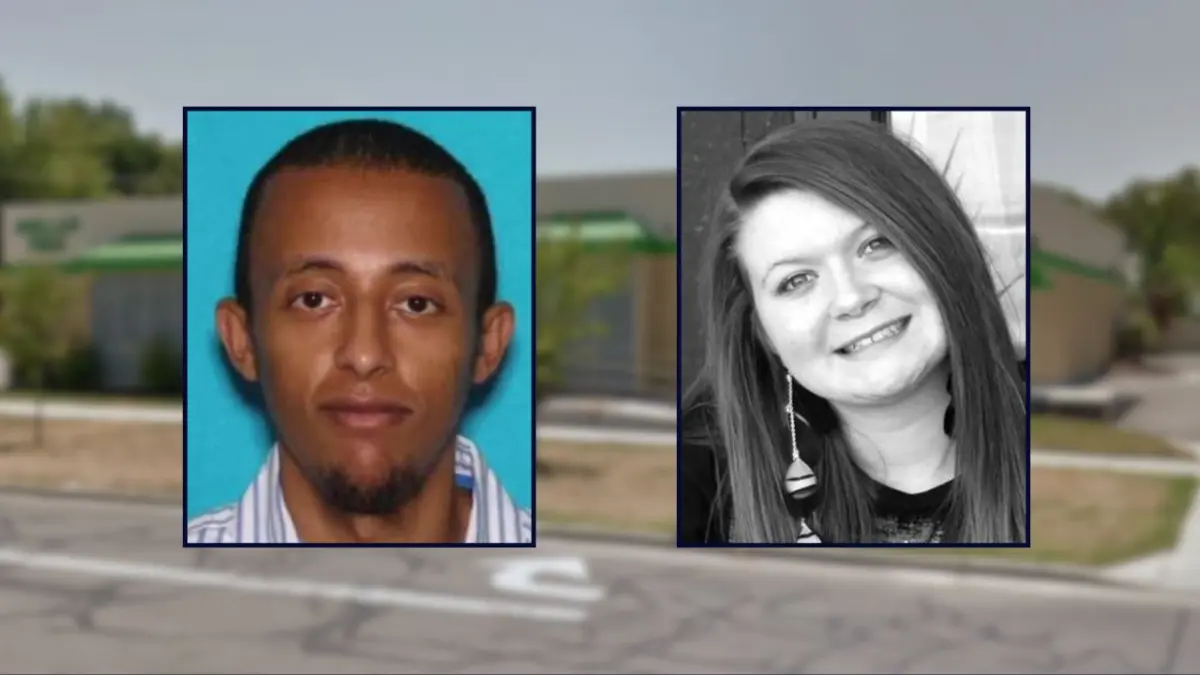
A Salt Lake City man, Kidus Yohannes, 39, has been sentenced to life in prison without the possibility of parole for the brutal murder of 20-year-old Candace Samples, stemming from a dispute over a stolen cellphone in November 2018. The severe sentence, handed down last week, follows an August conviction by a Salt Lake County jury for aggravated murder and an additional count of attempted manslaughter for stabbing another man who bravely intervened during the deadly confrontation. This outcome marks the culmination of a nearly five-year legal process, bringing a definitive measure of justice to the victim’s family, though acknowledging the irreplaceable loss.
The sentencing, detailed in a press release from the Salt Lake County District Attorney’s Office, also included an additional prison term of up to five years for the non-fatal stabbing. The judge overseeing the case underscored the gravity of Yohannes’s actions, ensuring that he will spend the remainder of his life incarcerated, a reflection of the profound and irreversible harm inflicted.
The Legal Journey: From Crime to Conviction
The legal proceedings against Kidus Yohannes commenced shortly after the tragic events of November 7, 2018. Following a thorough investigation by the Salt Lake City Police Department, Yohannes was apprehended and subsequently charged with aggravated murder and attempted manslaughter. The journey to conviction was a meticulous one, involving gathering forensic evidence, eyewitness testimonies, and surveillance footage.
In August of the current year, nearly five years after Samples’ death, a Salt Lake County jury convened to hear the evidence. The trial spanned three days, during which prosecutors presented a compelling case detailing the sequence of events and the overwhelming evidence linking Yohannes to the crime. On the third day of deliberations, the jury returned a verdict of guilty on both counts, delivering a critical milestone in the pursuit of justice for Candace Samples and the other victim.
The charge of aggravated murder in Utah carries significant weight, often reserved for homicides committed with particular cruelty, during other felonies, or against certain classes of victims. In this case, the circumstances surrounding Samples’ death, including the number of stab wounds and the confrontation’s context, met the legal threshold for aggravation, leading to the possibility of the harshest penalties, including life without parole or, in some cases, the death penalty. The jury’s verdict and the subsequent sentencing highlight the state’s commitment to holding perpetrators of such violent crimes fully accountable. The sentence of life without the possibility of parole means that Yohannes will never be eligible for release from prison, ensuring he poses no further threat to the community.
A Tragic Confrontation: The Events of November 7, 2018
The incident that led to Candace Samples’ untimely death unfolded on November 7, 2018, behind a now-shuttered Dollar Tree store in Salt Lake City. The location, like many discount retail establishments, served as a backdrop for a sequence of events that began with a seemingly minor transgression and spiraled into fatal violence.
According to law enforcement and prosecutorial accounts, the day’s tragic chain of events began when Candace Samples allegedly stole Yohannes’s cellphone from the Marmalade Branch Library, located across the street from the Dollar Tree. This initial act set in motion a confrontation that would quickly escalate beyond control.
Later that day, Samples, one of her friends, and Yohannes found themselves together within the confines of a dumpster enclosure behind the Dollar Tree. It was in this secluded and unassuming space that Yohannes confronted Samples about the stolen cellphone. The situation rapidly deteriorated when Yohannes produced a knife, issuing a stark threat that he would use it if his phone was not returned.
The volatile scene did not go unnoticed. A witness observed the unfolding dispute and, recognizing the grave danger, ran to an adjacent 7-Eleven convenience store to seek help from a friend. This friend, demonstrating immense courage, immediately rushed back to intervene. Upon jumping into the dumpster enclosure to aid Samples, he was instantly stabbed by Yohannes. Miraculously, he survived the attack, although suffering serious injuries.
The violence continued as another individual present in the "dumpster enclosure" witnessed the male victim being stabbed. In a desperate attempt to escape the escalating brutality, this person climbed over the enclosure wall. However, rather than fleeing entirely, they bravely re-entered the enclosure, armed with a large board, only to witness Yohannes in the act of stabbing Ms. Samples. The first witness, who had initially gone for help, then opened the gates of the enclosure, allowing Yohannes to flee the scene.
Emergency services were immediately alerted with a 911 call. Both Candace Samples and the man who had attempted to intervene were rushed to a nearby hospital. Samples had sustained a horrifying total of 20 different stab wounds to her head, arms, and torso. Despite medical efforts, she succumbed to her catastrophic injuries shortly after arriving at the hospital. The brutal nature and extent of her wounds underscored the extreme violence of the attack.
The Investigation and Evidence: Unraveling the Crime
The aftermath of the stabbing initiated an intensive investigation by the Salt Lake City Police Department. The crime scene, though grim, yielded crucial evidence, and detectives quickly began to piece together the events of that fateful day. A significant break in the case came from surveillance footage. Cameras from the nearby 7-Eleven captured images of the defendant, Kidus Yohannes, with Ms. Samples, entering and leaving the store together prior to the stabbing incident. This footage was vital in establishing their interaction and Yohannes’s presence with the victim shortly before her death, directly contradicting his later denials.
Police acted swiftly to locate and apprehend Yohannes. Upon being taken into custody, the defendant initially denied any involvement in the stabbings, claiming no knowledge of or interaction with either victim. This denial, however, was soon challenged by irrefutable forensic evidence. Investigators meticulously collected evidence, including Yohannes’s shoes, which were found to have bloodstains. Subsequent forensic analysis confirmed that the blood on his shoes was a match for Candace Samples’ DNA. This crucial piece of evidence effectively dismantled his alibi and provided a direct link between Yohannes and the murder.
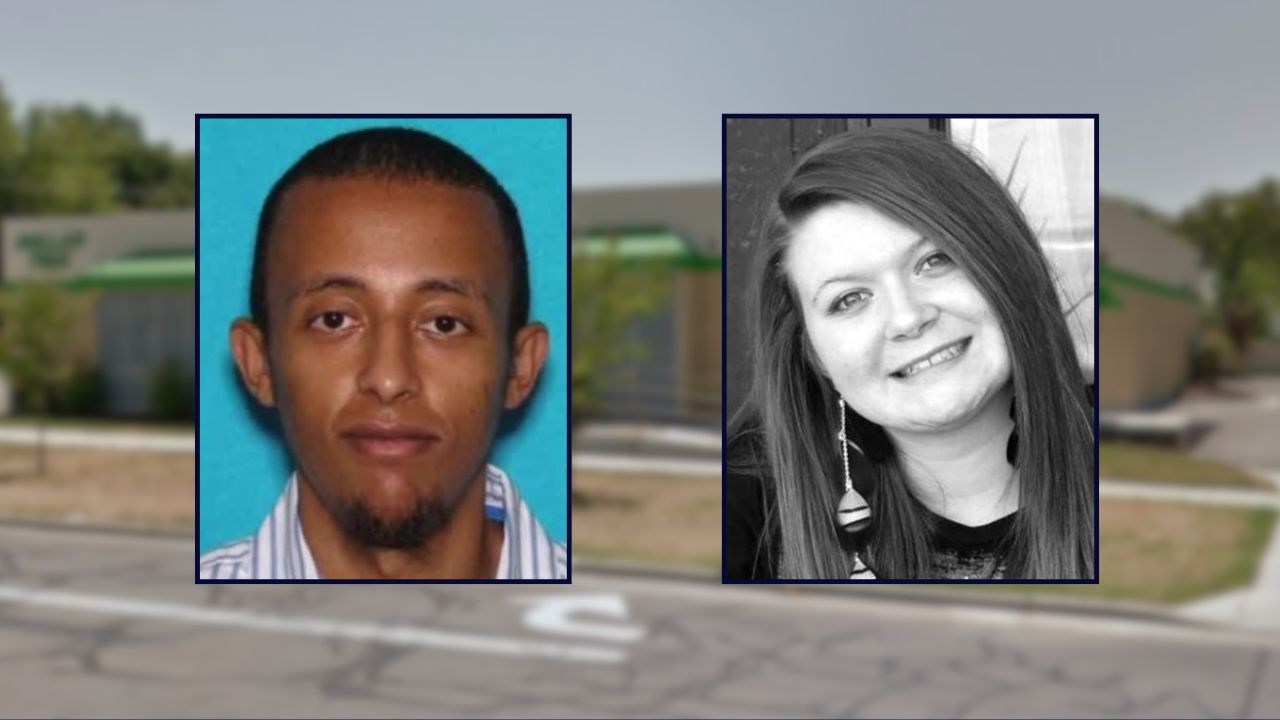
The diligent work of law enforcement, from the initial 911 response to the collection and analysis of forensic evidence and the careful review of surveillance footage, was instrumental in building a robust case against Yohannes. This detailed investigation ensured that prosecutors had a strong foundation upon which to secure a conviction, highlighting the indispensable role of modern investigative techniques in bringing violent offenders to justice.
Victim Impact and the Pursuit of Justice
The sentencing hearing provided a critical platform for the victims’ voices to be heard, offering a poignant reminder of the human cost of violence. Candace Samples, at just 20 years old, had her life tragically cut short, leaving an indelible void in the lives of those who loved her.
The man who bravely intervened and survived the stabbing addressed the court, sharing his personal journey since the traumatic event. His testimony focused on his efforts to "turn his life around," indicating that while the physical wounds may have healed, the psychological impact of the incident profoundly affected his path. His statement served as a powerful testament to resilience and the enduring ripple effects of violent crime.
Perhaps the most heart-wrenching testimony came from the couple who had raised Candace Samples. They shared intimate memories of her childhood, reminiscing about the "joys of having her in the home as a child and watching her grow." Their statements painted a picture of a young woman who, despite facing "struggles," brought light into their lives. They articulated the profound and enduring "loss they have been left with now that she is gone," conveying the deep grief that has permeated their lives since her murder. In a particularly moving moment, Ms. Samples’ loved ones had prepared a video montage of her life, which the judge allowed to be played in the packed courtroom. This visual tribute served to humanize Candace, allowing the court and attendees to glimpse the vibrant life that was brutally taken, underscoring the immense tragedy of her loss.
Salt Lake County District Attorney Sim Gill, whose office prosecuted the case, acknowledged the limitations of the justice system even in securing a life sentence. "We hope that Ms. Samples’ family feels they have received some measure of justice," Gill stated, recognizing that no legal outcome can fully restore what was lost. He added a somber but truthful reflection: "We know it is not perfect justice, if it were perfect justice, Ms. Samples would still be in our community today." His words encapsulate the somber reality that while accountability can be achieved, the ultimate consequence of murder is irreversible.
Broader Context: Violent Crime in Utah and the Role of Intervention
The tragic incident involving Candace Samples and Kidus Yohannes serves as a stark reminder of the potential for disputes to escalate into extreme violence, even in seemingly mundane urban settings. While Salt Lake City generally maintains a lower violent crime rate compared to many larger metropolitan areas, incidents of severe violence, particularly those arising from interpersonal conflicts, remain a persistent concern for law enforcement and community leaders.
Data from the FBI’s Uniform Crime Reporting (UCR) Program for Utah around 2018 indicated a fluctuating but present challenge with violent crimes, including aggravated assaults and homicides. While specific statistics for petty theft escalating to murder are not typically disaggregated, this case highlights a broader societal issue where disputes, sometimes fueled by underlying socio-economic factors such as homelessness, addiction, or mental health struggles, can tragically culminate in irreversible harm. The locations involved – a library, a discount store, and a convenience store – are public spaces meant for community use, yet they can inadvertently become settings for conflict, underscoring the need for continued vigilance in public safety.
The actions of the individuals who attempted to intervene in the stabbing also bring into focus the complex and often dangerous role of bystander intervention. While the bravery of the man who jumped into the dumpster to help Candace Samples is undeniable, his immediate injury highlights the severe risks involved. Community discussions often revolve around the ethical dilemma of intervention versus personal safety, and incidents like this serve as a powerful cautionary tale about the unpredictable nature of violent confrontations. Law enforcement agencies often advise individuals to prioritize their own safety and call for professional help rather than directly engaging in potentially lethal situations, though the human instinct to protect others remains a powerful force.
Sentencing and its Implications
The imposition of a life sentence without the possibility of parole for Kidus Yohannes signifies the most severe punishment available under Utah law for his crime, short of capital punishment. This sentence serves multiple critical purposes within the criminal justice system.
Firstly, it ensures incapacitation. By permanently removing Yohannes from society, the sentence guarantees that he will not be able to commit further violent acts against the public. Secondly, it serves as a form of retribution, a societal response to the profound harm caused, aiming to provide a measure of satisfaction for the victims and the community that justice has been served. Thirdly, while the effectiveness of deterrence is always debated, such a harsh sentence is intended to send a clear message to others about the severe consequences of aggravated murder, potentially deterring future violent acts.
For Candace Samples’ family and the surviving victim, the sentence represents the final legal closure in a long and painful journey. While it cannot bring Candace back, it affirms accountability and validates the suffering they have endured. The additional sentence for attempted manslaughter reinforces the legal system’s condemnation of all forms of violence committed during the incident.
Conclusion
The sentencing of Kidus Yohannes to life in prison without parole closes a tragic chapter in Salt Lake City’s criminal history. The case, originating from a petty theft and escalating to a horrific act of violence, underscores the fragility of life and the devastating impact of unchecked aggression. Candace Samples’ memory lives on through the anguish of her loved ones and the justice secured in her name.
This outcome serves as a stark reminder of the critical work performed by law enforcement, forensic experts, and prosecutors in piecing together complex crimes and holding offenders accountable. It also highlights the inherent dangers and profound courage associated with bystander intervention in violent situations. While no legal verdict can truly mend the wounds inflicted by such a senseless act, the justice system has delivered its most definitive response, ensuring that Kidus Yohannes will spend the rest of his life contemplating the irreversible consequences of his actions.




 Yuyun Lusiyani
 Joko Widodo
 Eva Lovia
 Jia Lissa
 Pevita Pearce