
 Lina Irawan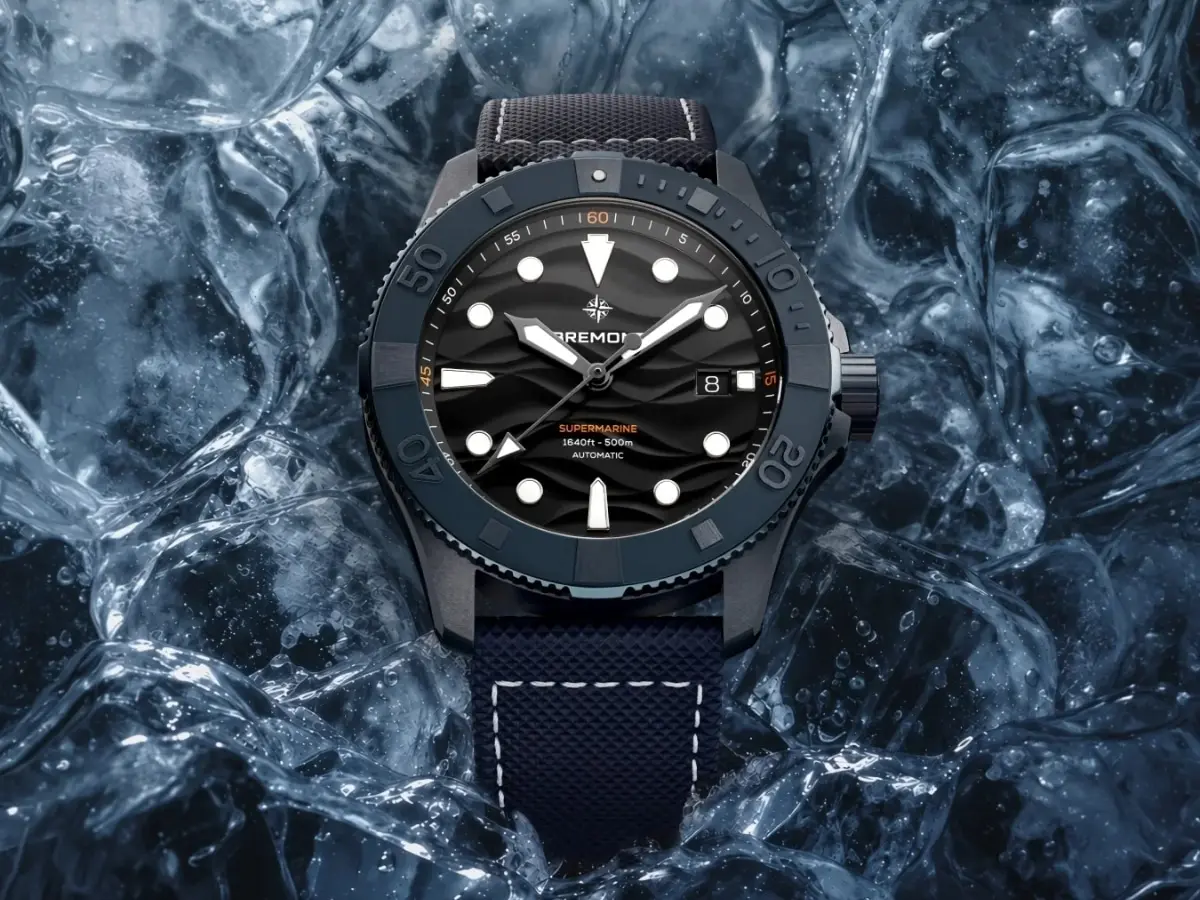
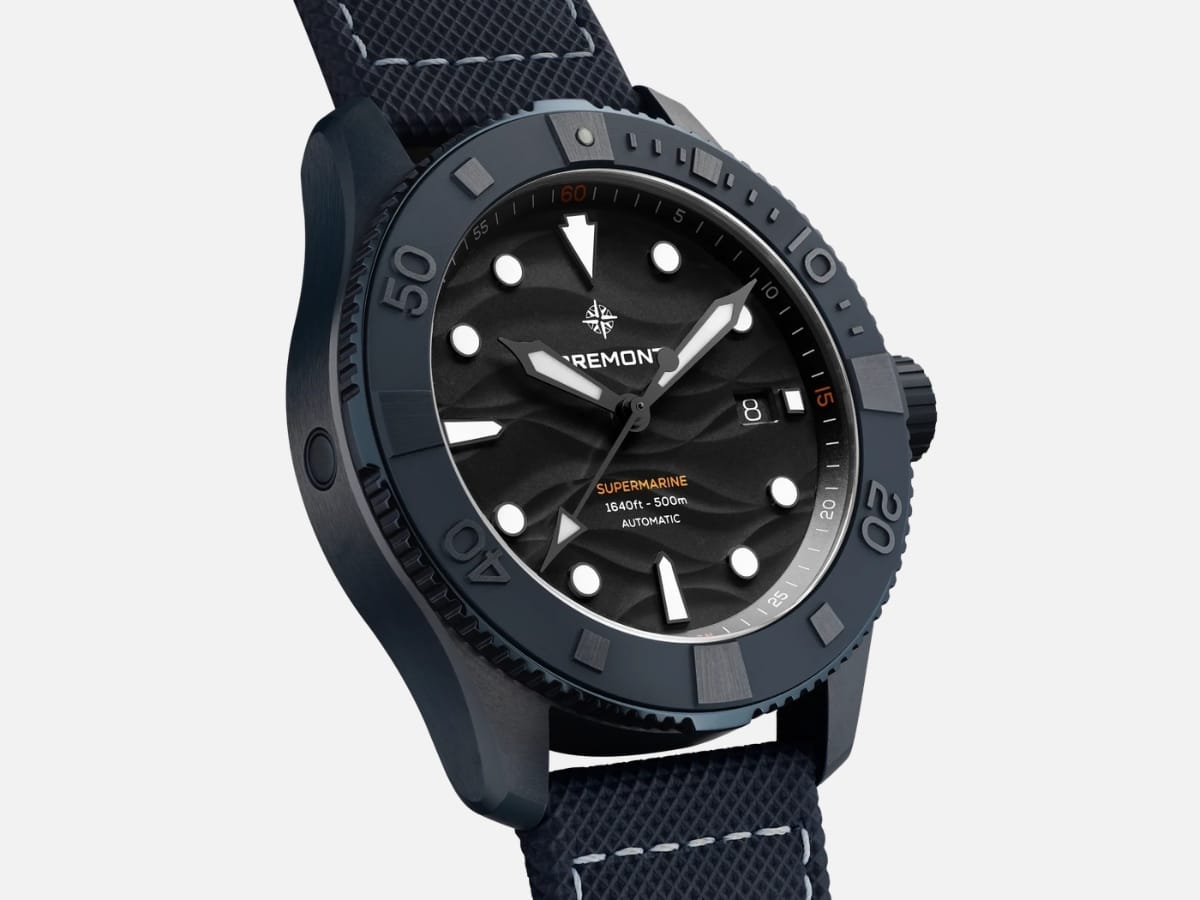
British watchmaker Bremont has officially announced the release of the Supermarine Full Ceramic Deep Blue, a highly limited professional-grade dive watch designed to withstand the most extreme environmental conditions on the planet. Limited to just 250 pieces globally, the timepiece represents a significant technical milestone for the Henley-on-Thames-based brand, combining advanced material science with the rugged utility that has defined the Supermarine collection since its inception. To validate the watch’s durability, Bremont enlisted long-time ambassador and former Royal Marine Aldo Kane to subject the timepiece to a series of grueling tests across the glacial landscapes and sub-zero waters of Iceland. This release follows the brand’s strategic shift toward more technical, adventure-oriented tool watches under the creative direction of CEO Davide Cerrato, marking a new chapter in Bremont’s maritime engineering history.
Technical Construction and Material Innovation
The core of the Supermarine Full Ceramic Deep Blue is its 43mm monobloc ceramic case. Unlike many luxury watches that utilize a ceramic "skin" or coating over a steel substrate, Bremont has employed a solid block of high-performance ceramic. Ceramic, or zirconium dioxide (ZrO2), is prized in horology for its exceptional hardness and scratch resistance, measuring significantly higher on the Vickers scale than traditional 316L stainless steel. This ensures that the watch maintains its "Deep Blue" aesthetic even after years of exposure to abrasive environments like sand, coral, or ice.
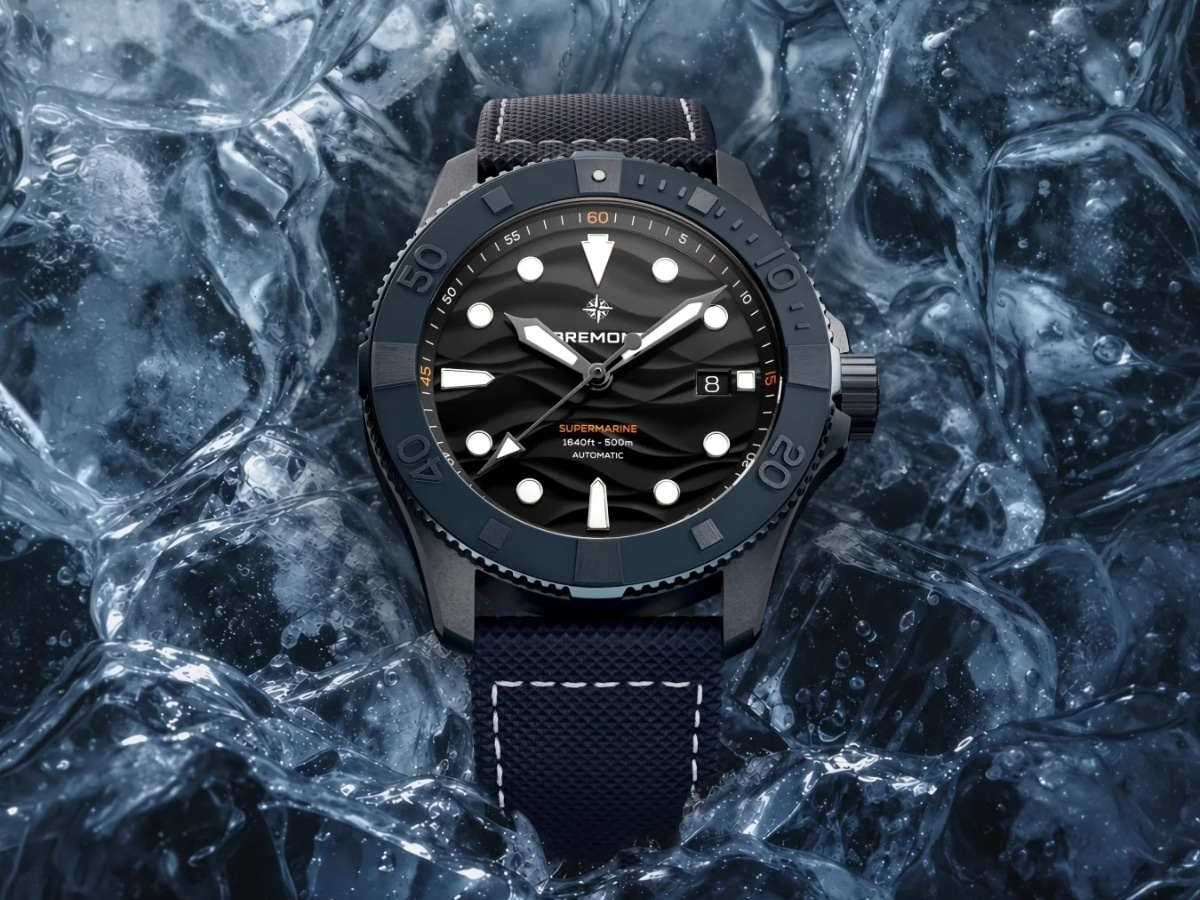
However, ceramic’s inherent brittleness presents a challenge in high-impact scenarios. To mitigate this, Bremont has engineered a "case-within-a-case" architecture. The ceramic exterior is paired with a titanium inner container that houses the movement. This hybrid construction utilizes the scratch resistance of ceramic for the exterior surfaces while relying on the tensile strength and shock-absorbing properties of Grade 5 titanium for the structural integrity of the watch. The unidirectional rotating bezel is also crafted from titanium, featuring a blue ceramic insert that matches the primary case. This combination of materials results in a watch that is substantially lighter than a traditional steel diver while offering superior resistance to corrosion and thermal expansion.
Field Testing in the Icelandic Wilderness
The development of the Supermarine Full Ceramic Deep Blue involved a rigorous field-testing phase led by Aldo Kane. Kane, an explorer known for his work in high-risk environments, took the timepiece to Iceland to evaluate its performance in extreme cold. The expedition involved three distinct phases: high-altitude mountain navigation, glacial ice climbing, and cold-water diving in tectonic fissures.
During the cold-water phase, the watch was submerged in glacial meltwater where temperatures hover just above freezing. Such conditions are a primary test for a watch’s seals and lubricants. Extreme cold can cause rubber gaskets to contract and lubricants to thicken, potentially compromising water resistance or timing accuracy. The Supermarine’s 500-meter (50 ATM) water resistance rating remained intact throughout the trials. Kane also utilized the watch during vertical ascents on Icelandic glaciers, where the ceramic case was subjected to constant contact with jagged ice and climbing hardware, proving the material’s resistance to surface deformation.
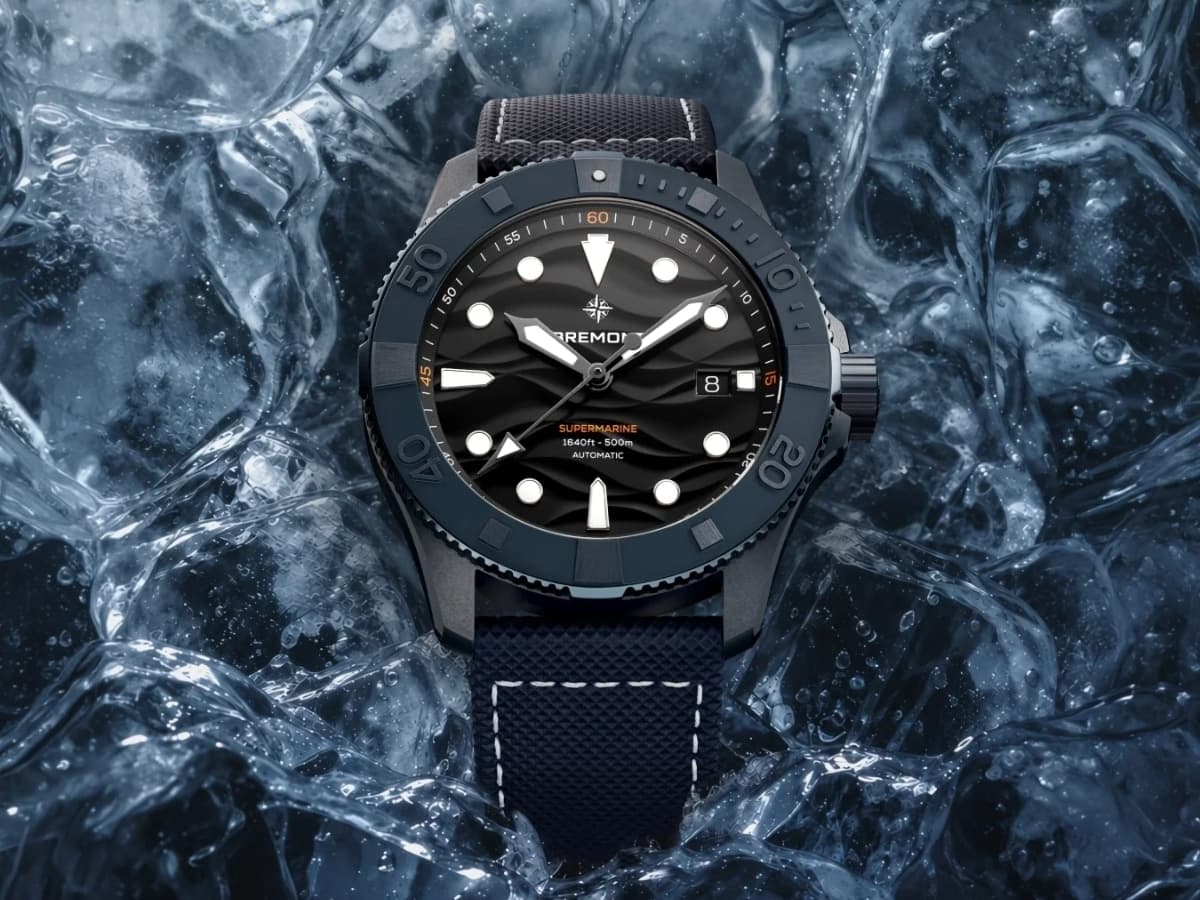
This Icelandic expedition follows Kane’s previous testing of the Supermarine Full Ceramic platform in tropical jungle environments. The transition from high-humidity, high-heat settings to sub-arctic conditions demonstrates the versatility of the monobloc ceramic construction, which is chemically inert and unaffected by the rapid temperature fluctuations common in expeditionary travel.
Internal Engineering and Movement Specifications
Beneath the "Deep Blue" exterior lies the Bremont BB64AH automatic movement. This caliber is a high-performance power plant featuring a 56-hour power reserve, allowing the watch to maintain accuracy even if left unworn over a weekend. The movement operates at a frequency of 28,800 vibrations per hour (4Hz), ensuring a smooth sweep of the seconds hand and high-resolution timekeeping.
To protect the movement from the rigors of deep-sea exploration, the watch is equipped with a helium escape valve located on the side of the case. This feature is essential for saturation divers who spend extended periods in pressurized environments breathing a helium-rich gas mix. Because helium atoms are small enough to penetrate watch seals under pressure, they can expand during decompression; without an escape valve, the expanding gas could pop the sapphire crystal off the watch. The inclusion of this valve, alongside a screw-down crown and a reinforced titanium caseback, cements the Deep Blue’s status as a professional tool rather than a mere lifestyle accessory. The caseback itself is intricately engraved with a map of the world’s oceans, a nod to the watch’s intended domain.

Aesthetic Identity and Dial Design
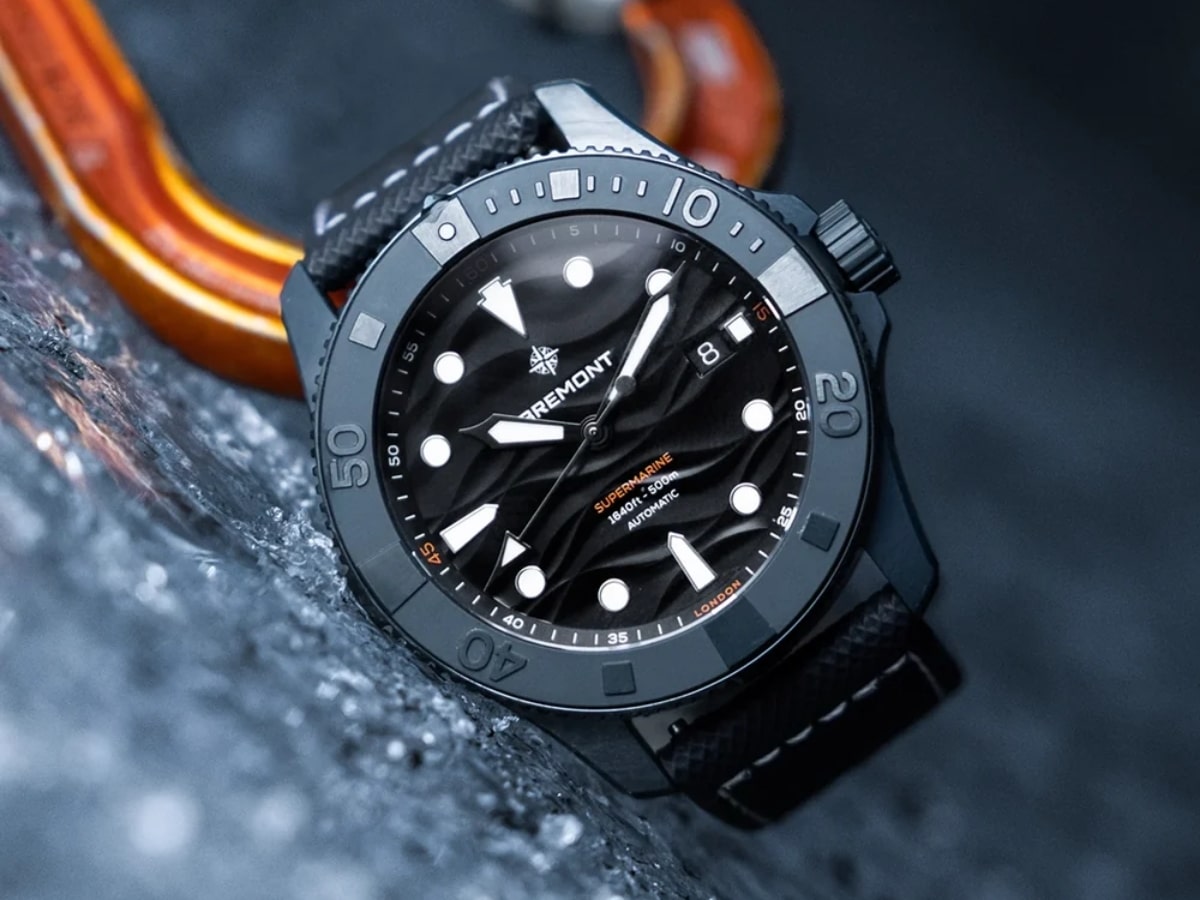
While the technical specifications prioritize function, the aesthetic execution of the Supermarine Full Ceramic Deep Blue reflects Bremont’s "Wayfinder" design language. The dial is finished in a deep matte black, providing a high-contrast backdrop for the blue-glowing Super-LumiNova applied to the indices and hands. A distinctive raised wave pattern occupies the center of the dial, referencing the maritime heritage of the Supermarine line.
A notable design element is the naval-inspired crosshair motif, which aligns with the brand’s history of producing watches for military units and elite operators. The date window is positioned at 3 o’clock, maintaining symmetry while providing essential utility. To ensure legibility in low-light or turbid water conditions, the hands are oversized, with a prominent "lollipop" seconds hand that allows the wearer to confirm at a glance that the watch is still running—a critical safety requirement for SCUBA diving.
Bremont offers the Deep Blue with three distinct strap options, allowing for customization based on the environment. These include a high-durability black rubber strap, a tactical black-and-blue NATO strap made from reinforced nylon, and a more refined blue embossed rubber strap with a leather lining. Each option is designed to be salt-water resistant and secure enough to prevent loss during high-intensity activity.
Strategic Context and Brand Evolution
The launch of the Supermarine Full Ceramic Deep Blue comes at a pivotal moment for Bremont. Since the appointment of Davide Cerrato as CEO, the brand has been refining its product pillars—Land, Sea, and Air—with a focus on modernizing its silhouettes and utilizing contemporary materials. The Supermarine line, named after the legendary British aircraft manufacturer responsible for the Spitfire, has long been the cornerstone of Bremont’s "Sea" category.
The introduction of full ceramic cases represents an move upmarket for the brand, positioning it to compete with established Swiss heavyweights in the luxury tool watch segment. By limiting the production to 250 pieces and pricing the model at AUD $11,250, Bremont is targeting collectors who value exclusivity and technical novelty. This strategy aligns with a broader trend in the horological industry where enthusiasts are increasingly seeking "super-specs"—watches that offer performance capabilities far beyond the requirements of daily life.
Industry analysts suggest that the use of specialized ambassadors like Aldo Kane is a deliberate move to reinforce the brand’s "Tested Beyond Endurance" ethos. In an era where many luxury brands rely on red-carpet celebrities, Bremont’s insistence on field-testing its products in Iceland and other hostile environments serves to authenticate its claims of durability.
Broader Implications for the Dive Watch Market
The Supermarine Full Ceramic Deep Blue reflects a growing consumer appetite for ceramic dive watches. Historically, the dive watch category was dominated by stainless steel and, more recently, titanium. However, the development of pigmented ceramics has allowed brands to experiment with color in a way that is permanent and resistant to fading. The "Deep Blue" hue of this limited edition is achieved through a complex sintering process where metallic oxides are mixed with the ceramic powder before being fired at temperatures exceeding 1,400 degrees Celsius.
Furthermore, the integration of a helium escape valve and 500 meters of water resistance in a ceramic housing highlights the maturation of ceramic manufacturing. Achieving the precise tolerances required for water resistance in ceramic—a material that cannot be machined as easily as metal—requires advanced CNC (Computer Numerical Control) technology and diamond-tipped tools.
As Bremont continues to expand its global footprint, the Supermarine Full Ceramic Deep Blue serves as a flagship for the brand’s engineering capabilities. It bridges the gap between the traditional heritage of British watchmaking and the future of high-tech material application. For the 250 individuals who secure this timepiece, it represents a blend of maritime history and modern survival gear, built to function in the depths of the ocean or the frozen heart of a glacier. While most units will likely reside in climate-controlled collections, the Iceland expedition has proven that the Deep Blue is fully prepared for the most demanding missions on Earth.




 Yuyun Lusiyani
 Ana Megawati
 Joko Widodo
 Eva Lovia
 Jia Lissa
 Pevita Pearce