
 Lina Irawan
The Australian beverage landscape is undergoing a significant shift as consumers increasingly pivot toward lower-alcohol alternatives that do not sacrifice flavor for sessionability. At the forefront of this movement is the Radler, a century-old European hybrid that blends traditional lager with citrus soda or juice. While the "shandy" has long been a fixture in British and Australian pub culture, the more refined, beer-forward Radler is currently experiencing a commercial renaissance. This surge is highlighted by major domestic players like Stone & Wood integrating citrus Radlers into their core year-round ranges, signaling a transition from a niche seasonal curiosity to a permanent fixture in the Australian esky.
The Fundamental Composition and Evolution of Radler
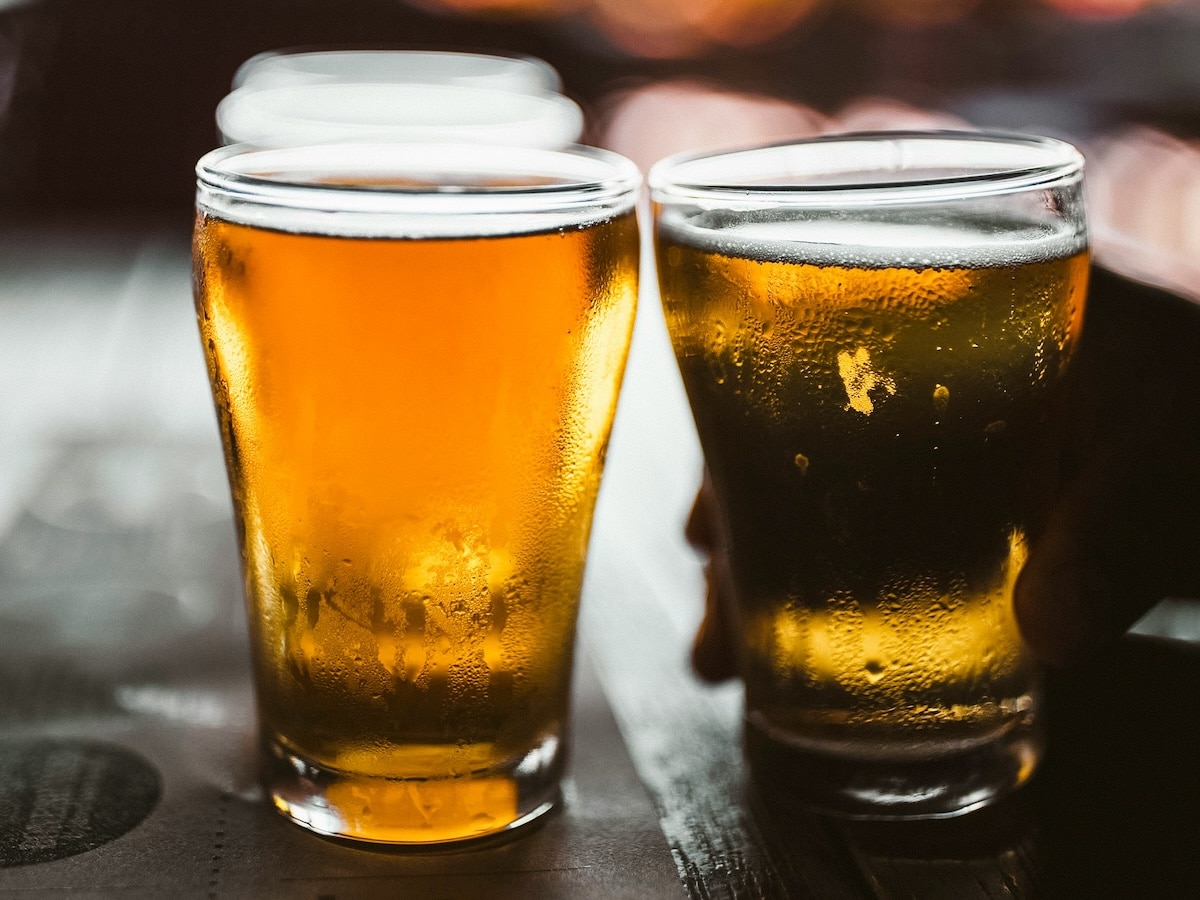
A Radler is defined by its dual nature: part beer, part citrus. Traditionally, the base is a light, crisp German lager, such as a Helles or a Pilsner. These styles are chosen for their clean malt profiles and subtle hop bitterness, which provide a sturdy backbone for the addition of lemonade or lemon-lime soda. In contemporary brewing, the definition has expanded to include wheat beer (Hefeweizen) bases and a broader palette of fruit, including grapefruit, blood orange, and ginger.
The result is a beverage that occupies the middle ground between a standard lager and a fruit spritz. Unlike "alcopops" or high-sugar premixed drinks, a well-crafted Radler retains the structural integrity of beer—malt sweetness, hop aromatics, and a dry finish—while the citrus component introduces acidity and a refreshing brightness. Crucially, the alcohol by volume (ABV) typically ranges between 2.0% and 4.0%, positioning it perfectly for the "sober-curious" demographic and those seeking to manage their intake during extended social gatherings in the heat of the Australian summer.

Historical Chronology: From the Bavarian Alps to Global Markets
The origins of the Radler are rooted in a blend of historical necessity and German cycling culture. While various mixtures of beer and fruit juice existed in the late 19th century, the definitive "origin story" centers on Franz Xaver Kugler, an innkeeper in Deisenhofen, just south of Munich.
1922: The Legend of the Kugler-Alm
Following the First World War, cycling became an immensely popular pastime in Bavaria. Franz Xaver Kugler had anticipated this trend by establishing a dedicated cycling path that led directly to his tavern, the Kugler-Alm. On a particularly sweltering Saturday in June 1922, legend suggests that approximately 13,000 cyclists descended upon his establishment. Facing an imminent beer shortage, Kugler began blending his remaining lager with thousands of bottles of lemon soda. He marketed the concoction as the "Radlermass" (Cyclist’s Liter), claiming it was specifically designed to ensure riders didn’t fall off their bicycles on the journey home.
1920s – 1990s: Regional Standardization
The drink quickly became a staple across Germany and Austria. Regional variations emerged, such as the "Alsterwasser" in Northern Germany, named after the Alster River in Hamburg. For decades, Radlers were primarily mixed "on-tap" at gasthofs and beer gardens.
1990s – Present: The Bottled Revolution
In the late 1990s, changes in German tax laws allowed breweries to sell pre-mixed Radlers in bottles. This led to a massive commercial expansion, with brands like Bitburger and Paulaner exporting their versions globally. By the 2020s, the craft beer movement in the United States and Australia began experimenting with the style, using high-quality fruit purees and sophisticated hop profiles to elevate the drink’s status.
Market Dynamics: The Growth of "No-Lo" Beverages in Australia
The rise of the Radler in Australia is not an isolated event but rather a symptom of broader shifts in consumer behavior. Data from the International Wine and Spirit Record (IWSR) indicates that the "No-Lo" (no and low alcohol) category is one of the fastest-growing segments in the global drinks market. In Australia, this trend is driven by health-conscious Millennials and Gen Z consumers who prioritize wellness and mental clarity.
According to industry analysts, the Radler serves as a "bridge" product. It appeals to traditional beer drinkers who want to reduce their alcohol consumption without switching to non-alcoholic beer, which some still perceive as lacking in mouthfeel or flavor complexity. Simultaneously, it attracts non-beer drinkers who find standard lagers or IPAs too bitter. The inclusion of real fruit juice and the lower ABV align with the "premiumization" of the market, where consumers are willing to pay more for products perceived as having higher-quality, natural ingredients.
Comparative Analysis: Radler vs. Shandy
Though often used interchangeably in casual conversation, "Radler" and "Shandy" have distinct cultural and technical connotations.
- The Shandy (British/Australian): Traditionally a 50/50 mix of beer and carbonated lemonade. It is often viewed as a DIY pub drink, frequently made with whatever lager or bitter is on tap.
- The Radler (German): While also a blend, the commercial Radler is often more meticulously balanced. German versions frequently use a 50/50 or 60/40 ratio of lager to citrus soda. Modern craft Radlers, however, often eschew soda entirely in favor of adding fruit juices and purees during or after the fermentation process, resulting in a more integrated, less sugary flavor profile.
Leading Examples in the Australian Market
The current Australian market offers a spectrum of Radlers ranging from traditional German imports to innovative local craft interpretations.
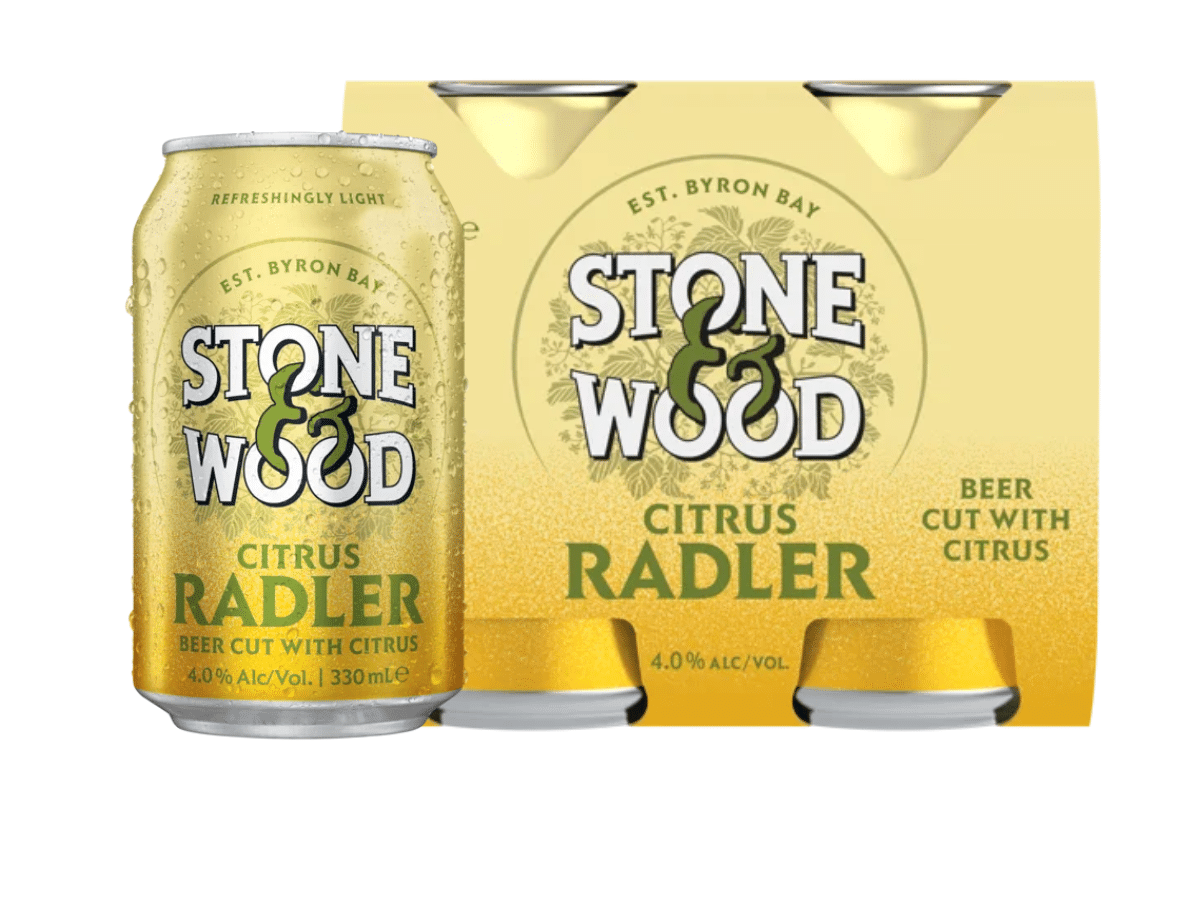
- Stone & Wood Citrus Radler (4.0% ABV): A notable entry from the Byron Bay-based brewery. Unlike traditional 2% European versions, this is a "full-strength" Radler. It utilizes Galaxy hops and lemon puree, offering a hazy appearance and a more robust beer character that caters to the Australian craft palate.
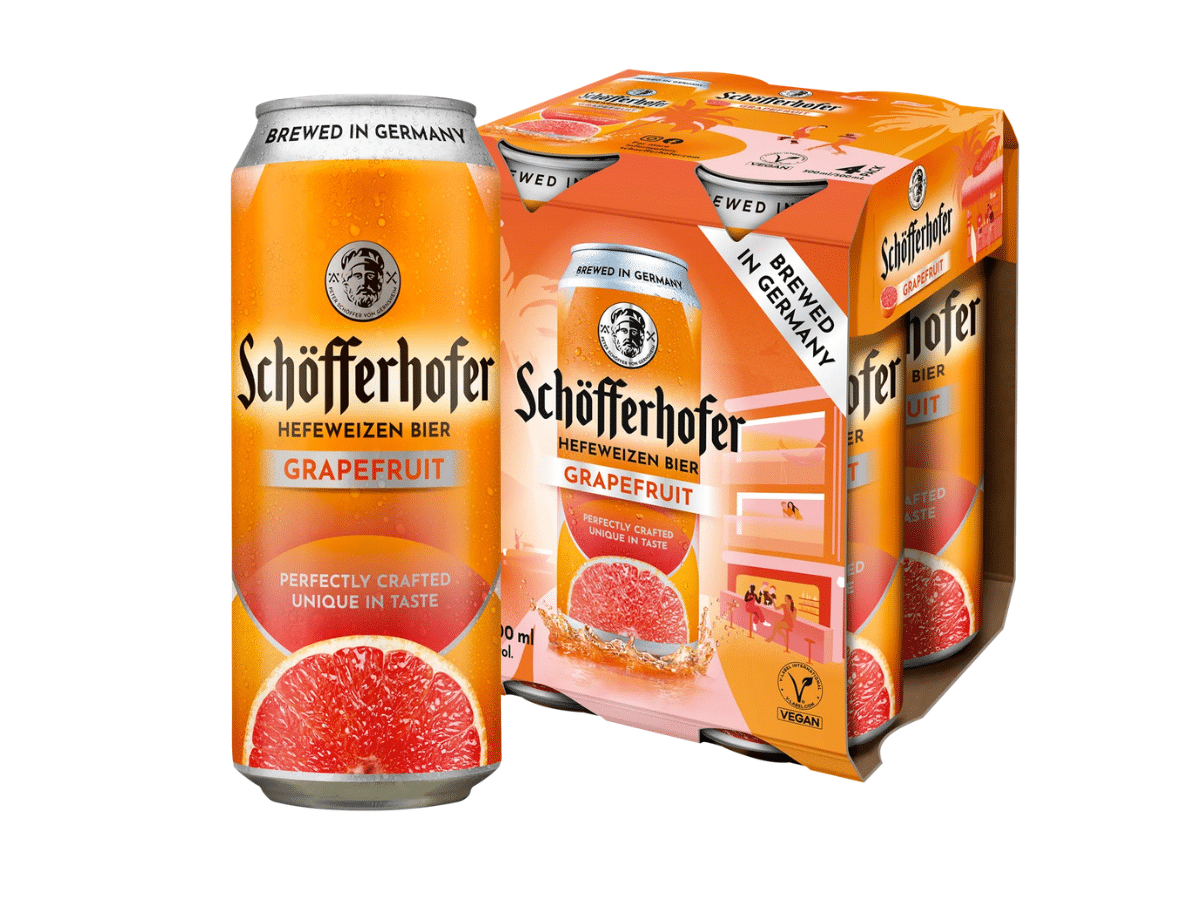
- Schöfferhofer Grapefruit Radler (2.5% ABV): A global benchmark for the style. By using a wheat beer (Hefeweizen) base rather than a lager, Schöfferhofer achieves a creamy mouthfeel that balances the tartness of the grapefruit juice.
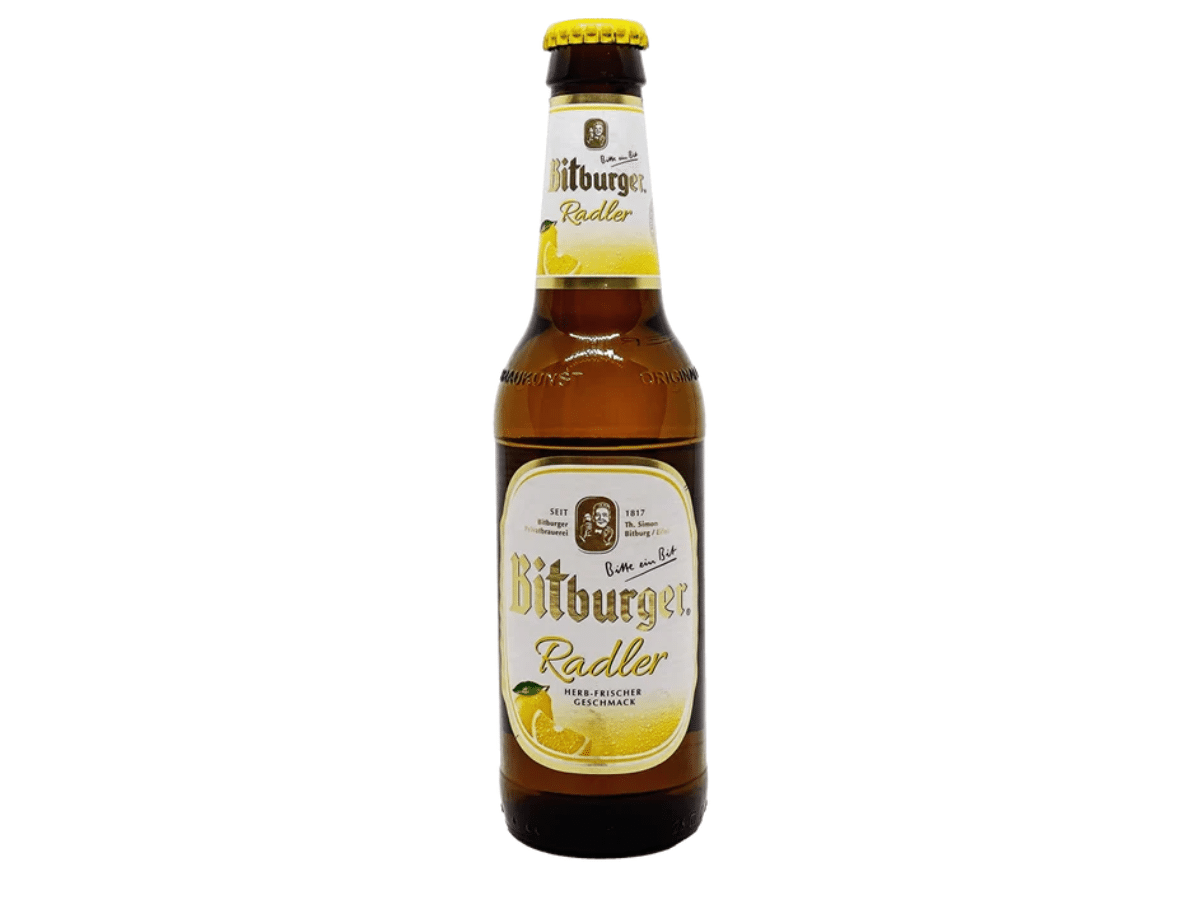
- Bitburger Radler (2.5% ABV): Representing the traditional German Pilsner-based approach, this version is drier and more hop-forward than its fruitier counterparts, appealing to those who prefer a crisp, clean finish.
- Chuck & Son’s Touring Radler (4.0% ABV): A Sydney-produced craft version that introduces ginger into the citrus mix. This adds a subtle heat and complexity, demonstrating the style’s versatility. It recently gained critical acclaim, winning a bronze medal at the 2025 Australian International Beer Awards.
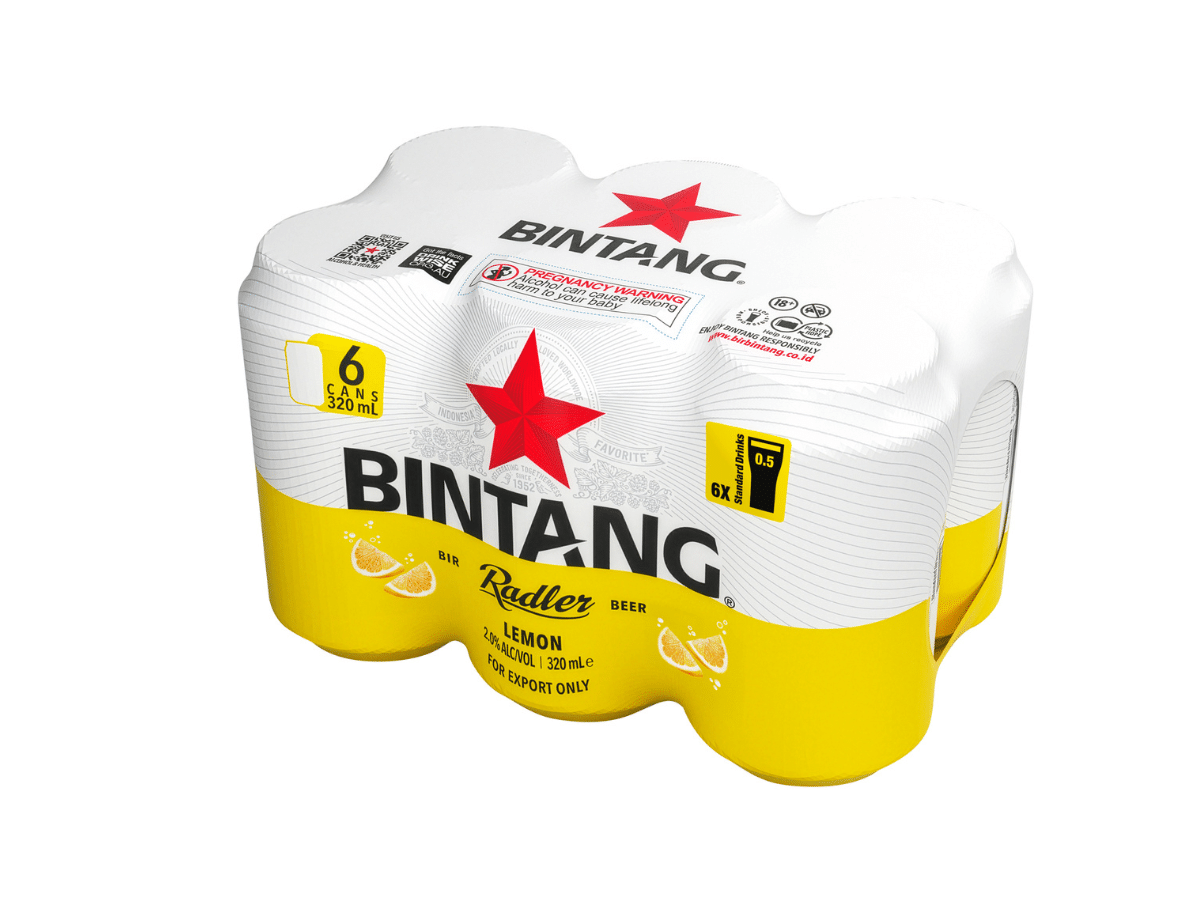
- Bintang Radler (2.0% ABV): A favorite among Australian travelers returning from Indonesia, this version is highly carbonated and sweet, designed specifically for extreme tropical humidity.
Technical Brewing Considerations
Brewing a high-quality Radler presents unique challenges compared to standard lagers. The primary concern is biological stability. When a brewery adds fruit juice or soda containing fermentable sugars to a finished beer, there is a risk that any remaining yeast will consume those sugars, leading to over-carbonation or "exploding" cans.
To prevent this, commercial breweries typically use one of two methods:
- Pasteurization: Heating the finished blend to kill any active yeast and bacteria.
- Sterile Filtration: Passing the beverage through extremely fine filters to remove yeast cells before packaging.
Craft brewers who prefer not to pasteurize often experiment with "co-fermentation," where the fruit is added early enough that the yeast can process the sugars, leaving behind only the fruit’s aroma and acidity, though this results in a drier, less "soda-like" drink.
Broader Impact and Future Implications
The success of the Radler in Australia suggests a long-term shift in summer drinking habits. As temperatures continue to rise and the public health emphasis on responsible drinking intensifies, the demand for high-quality, low-ABV refreshments is expected to grow.
Furthermore, the Radler is opening doors for flavor innovation within the beer industry. The "fruit-forward" nature of the style allows brewers to experiment with native Australian botanicals—such as finger lime, lemon myrtle, or Davidson plum—potentially creating a uniquely Australian sub-style of Radler.
In conclusion, while the Radler may have been born from a 1920s supply-chain crisis in a Bavarian beer garden, its arrival as a mainstay in the Australian market is no accident. It is a calculated response to a changing consumer base that values refreshment, flavor, and moderation. As the Australian summer approaches, the Radler is no longer just a "cyclist’s drink"—it is a major contender for the title of the season’s most influential beverage.




 Yuyun Lusiyani
 Ana Megawati
 Joko Widodo
 Eva Lovia
 Jia Lissa
 Pevita Pearce