
 Ana Megawati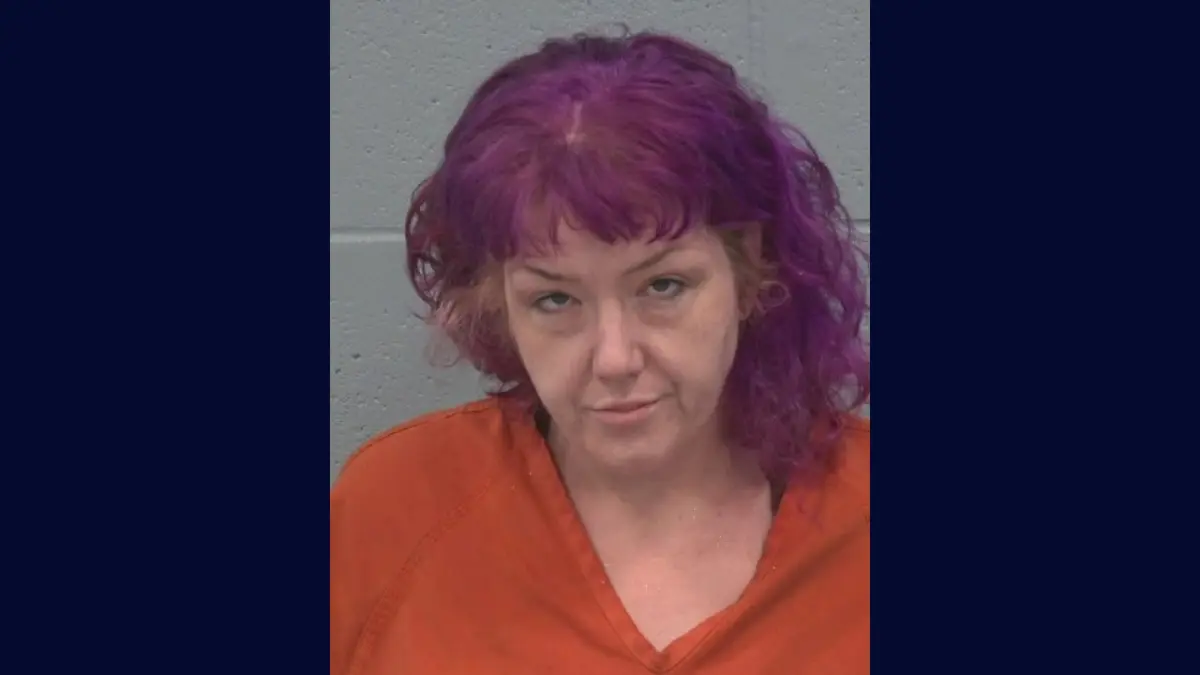
A 35-year-old Florida woman, Heather Wizbicki, is currently facing grave charges of child neglect and animal confinement following the discovery of her three young children, aged 14, 13, and 9, left abandoned for days in a Pasco County apartment described by authorities as "unlivable." The harrowing incident, which came to light after a vigilant neighbor alerted law enforcement, has cast a spotlight on the critical issues of child welfare, parental responsibility, and the systemic challenges faced by vulnerable families in the community. Wizbicki’s arrest during a traffic stop for an unrelated matter, where she was found in possession of fentanyl, further complicates the already distressing narrative, intertwining allegations of substance abuse with profound neglect.
The Grim Discovery and Initial Allegations
The full scope of the alleged neglect began to unfold on September 28, when concerned neighbors, observing an unsettling lack of adult supervision and deteriorating conditions, contacted the Pasco County Sheriff’s Office. Deputies who responded to the apartment were met with a scene of profound squalor and neglect. The probable cause arrest affidavit from the Sheriff’s Office detailed an environment completely devoid of basic human necessities and hygiene, posing severe risks to the well-being of the children.
According to the affidavit, the residence lacked both electricity and running water, conditions that had reportedly persisted for days prior to the children’s discovery. Beyond the absence of essential utilities, investigators documented a truly horrific living space: "feces on the floor, rotten food stored in multiple bags, trash throughout the rooms, no running water, and had a foul smell." The odor was so pervasive and noxious that it reportedly caused the children to have difficulty breathing, even with windows open in an attempt to ventilate the putrid air. This description paints a vivid picture of extreme unsanitary conditions, indicative of a prolonged period of severe neglect that extended far beyond a temporary oversight.
Compounding the human tragedy, a cat was also found abandoned within the premises, similarly deprived of food and water. This discovery led to an additional charge against Wizbicki for confining an animal without sustenance, highlighting a broader pattern of disregard for living beings under her care.
A Timeline of Neglect and Intervening Arrest
The timeline of events leading up to the children’s discovery paints a stark picture of progressive abandonment:
- September 21: Heather Wizbicki allegedly left her three children – a 14-year-old, a 13-year-old, and a 9-year-old – alone in the apartment. At this point, the electricity had already been disconnected for several days, plunging the home into darkness and rendering modern conveniences inoperable. Critically, she allegedly left no provisions for food, water, or any means of communication, such as a phone, for the children to reach out for help.
- September 24 (First Contact): Wizbicki reportedly made a brief return to the apartment. However, instead of providing sustained care or resources for her children, her visit was allegedly solely to "collect clothes for herself." During this fleeting appearance, she left a meager $3 for the children to purchase food – an amount woefully insufficient to sustain three individuals for any significant period, let alone for the days they had already endured and the days yet to come. The children remained without access to a phone.
- September 24 (Traffic Stop and Drug Arrest): Later on the same day as her brief return to the apartment, Wizbicki’s actions took another turn, leading to a separate legal entanglement. She was arrested during a routine traffic stop at the intersection of 10th Street and Fifth Avenue in Zephyrhills, a locality within Pasco County. The initial stop was for tinted windows, a minor infraction. However, a police K-9 unit alerted deputies to the presence of narcotics in her vehicle. A subsequent search reportedly uncovered fentanyl, leading to additional charges for drug possession. This arrest meant Wizbicki was incarcerated, effectively sealing the fate of her children, who remained unaware of her whereabouts or her inability to return.
- September 21 – September 28: For a full week, the children were left to fend for themselves in increasingly desperate circumstances. The affidavit explicitly states, "There were multiple days where the children were deprived of food and went hungry." The lack of electricity meant no refrigeration for any perishable food they might have acquired, and the absence of running water created an immediate health crisis, impacting hygiene and hydration.
- September 28 (Discovery): After days of escalating concern, a neighbor finally intervened, contacting authorities. The subsequent police investigation revealed the full extent of the children’s ordeal.
The Immediate and Long-Term Impact on the Children
The conditions described in the affidavit represent not merely neglect but a profound endangerment of the children’s physical and psychological well-being. Living without electricity means no light after dark, no refrigeration for food, and no climate control in Florida’s often oppressive heat. The absence of running water translates to an inability to maintain personal hygiene, flush toilets, or access clean drinking water, leading to a high risk of dehydration and the spread of illness. The presence of feces on the floor, rotten food, and general trash creates a breeding ground for bacteria, viruses, and pests, posing immediate health threats such as gastrointestinal infections, respiratory issues from the foul odor, and skin conditions.
For children, especially those in the critical developmental stages of 9, 13, and 14, such an experience can be deeply traumatic. The 14-year-old, likely feeling the immense burden of caring for younger siblings, would have faced unimaginable stress and responsibility. This form of severe neglect often leads to long-term psychological scars, including anxiety, depression, post-traumatic stress disorder, and difficulties forming secure attachments in the future. Their basic needs for safety, security, and nourishment were systematically denied, leaving them in a state of constant fear and deprivation. Child welfare experts consistently underscore that experiences of prolonged neglect can be as damaging, if not more so, than overt physical abuse, as they undermine a child’s fundamental sense of worth and security.

Official Responses and Legal Proceedings
Following the discovery, the Department of Children and Families (DCF) was immediately notified and has launched its own investigation into the circumstances surrounding the children’s abandonment. DCF’s primary mandate is to ensure the safety and well-being of children. Their investigation will assess the children’s immediate needs, determine appropriate placement, and evaluate the long-term parental fitness of Ms. Wizbicki. The affidavit explicitly states that Wizbicki is not allowed to have contact with her children, a standard condition imposed in severe child neglect cases to protect the minors involved. The specific fate and current placement of the children have not been publicly disclosed, in adherence to privacy regulations protecting minors in the child welfare system.
Heather Wizbicki remains incarcerated at the Pasco County Jail without bond, reflecting the severe nature of the charges against her. She faces three counts of child neglect, which, under Florida Statute 827.03, can be classified as a felony if the neglect results in great bodily harm, permanent disability, or permanent disfigurement. Given the "unlivable" conditions and the stated hunger of the children, prosecutors will likely argue for the most serious interpretation of the charge. The additional charge of confining an animal without food or water further underscores the allegations of her systemic neglect of dependents. Her possession of fentanyl also adds a felony drug charge to her legal woes, a factor that often correlates with and exacerbates situations of child neglect. The legal process will determine the extent of her culpability and the appropriate penalties, which could range from significant prison time to mandated participation in rehabilitation programs, depending on the specifics of the case and Florida sentencing guidelines.
Broader Implications: The Intersection of Neglect, Substance Abuse, and Community Vigilance
This case serves as a stark reminder of the complex and often hidden challenges within communities regarding child welfare. Child neglect is the most prevalent form of child maltreatment, far exceeding physical or sexual abuse in reported instances. According to national data from the U.S. Department of Health and Human Services, hundreds of thousands of children are victims of neglect annually, often stemming from a confluence of factors including poverty, mental health issues, domestic violence, and substance abuse.
The presence of fentanyl in Wizbicki’s possession is a critical detail. Substance abuse is a significant risk factor for child neglect, as addiction can severely impair a parent’s judgment, ability to provide consistent care, and prioritization of their children’s needs. Parents struggling with addiction often become consumed by their habit, leading to financial instability, disengagement from responsibilities, and, tragically, the neglect of their offspring. This case highlights the devastating ripple effect of the opioid crisis, which continues to impact families across the nation, placing immense strain on child protective services and community resources.
The intervention of the neighbor in this case was absolutely crucial. Child welfare advocates and law enforcement agencies consistently emphasize the vital role of community members in reporting suspected neglect or abuse. Often, neighbors, teachers, or extended family members are the first, and sometimes only, line of defense for vulnerable children. Their willingness to act on concerns can mean the difference between prolonged suffering and timely intervention. In Pasco County, like many jurisdictions, mechanisms are in place for anonymous reporting to ensure that fear of retaliation does not deter individuals from coming forward.
This incident also underscores the immense pressure on the child welfare system. Agencies like DCF are tasked with balancing child safety with family preservation, navigating complex legal and ethical considerations while dealing with limited resources and overwhelming caseloads. Cases like Wizbicki’s require a multi-faceted approach, not only addressing the immediate safety of the children but also exploring avenues for long-term support, rehabilitation, and prevention strategies to break cycles of neglect.
As Heather Wizbicki awaits her next court date, the legal proceedings will undoubtedly delve deeper into the circumstances that led to her children enduring such a horrific ordeal. Beyond the courtroom, this case leaves behind a profound impact: three children irrevocably altered by their experience, a community grappling with the harsh realities of neglect, and a renewed call for vigilance and support for those most vulnerable among us. The focus remains on ensuring the safety and recovery of the children, and on the broader societal responsibility to prevent such tragedies from recurring.

 Yuyun Lusiyani
 Joko Widodo
 Eva Lovia
 Jia Lissa
 Pevita Pearce