
 Ana Megawati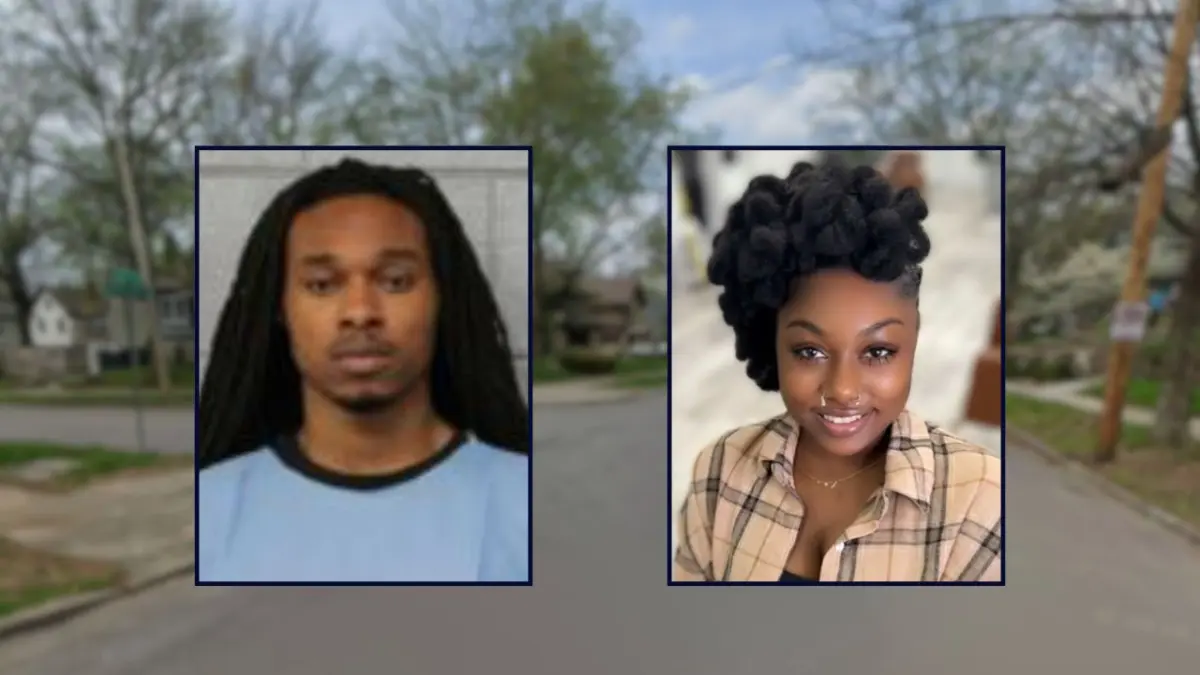
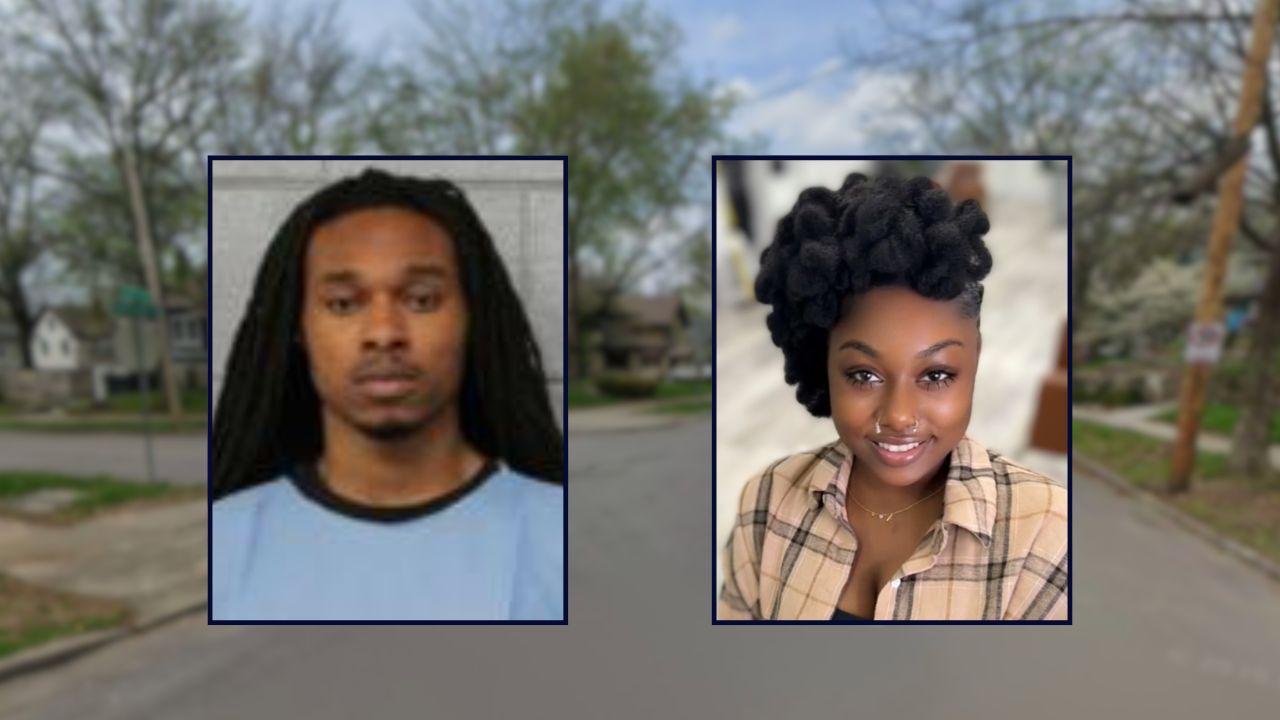
A Missouri man will spend the rest of his life incarcerated without any possibility of parole, a severe sentence handed down by a Jackson County Circuit Judge following his conviction for the premeditated murder of his ex-girlfriend. The victim, Layla Freeman, was tragically lured to her death under the guise of receiving a birthday present on the day she turned 21, a calculated act that underscored the insidious nature of domestic violence. This deeply disturbing case, which unfolded in Kansas City, Missouri, highlights the devastating consequences of intimate partner violence and the relentless pursuit of justice by law enforcement and the judicial system.
The Verdict and Sentencing: A Lifetime Behind Bars
In August, a Jackson County jury delivered a guilty verdict against Rasheed Turner, 26, on one count of first-degree murder and one count of armed criminal action. These convictions stemmed from the brutal killing of 21-year-old Layla Freeman in May 2025. On Wednesday, in a solemn courtroom proceeding, Jackson County Circuit Judge Adam Caine delivered the maximum allowable sentence for Turner’s heinous crimes. For the first-degree murder conviction, Turner received a sentence of life in prison without the possibility of parole, a judicial decree that ensures he will never again walk free. In addition to this primary sentence, Judge Caine imposed a consecutive 15-year sentence for the armed criminal action conviction, further emphasizing the gravity of the violence perpetrated. This consecutive sentencing structure means that the 15-year term will commence only after the completion of the life sentence, a legal mechanism designed to reflect the separate and severe nature of each offense committed during the commission of a single, horrific act. The finality of this sentence sends a clear message regarding the judicial system’s stance on such extreme acts of domestic violence and premeditated murder.
A Birthday Turned Tragic: The Events of May 13, 2025
The meticulously planned killing occurred on the evening of May 13, 2025, near the intersection of West 37th Street and Pennsylvania Avenue in the heart of Kansas City. Police officers responded to a frantic 911 call reporting a shooting in the area, arriving to a scene of profound tragedy. They discovered Layla Freeman suffering from multiple gunshot wounds, her life ebbing away near a parked Chevrolet Malibu. She had been shot repeatedly, a clear indication of the assailant’s intent to cause maximum harm.
The initial police investigation, as detailed in reports obtained by Kansas City-based Fox affiliate WDAF, suggested that the victim "had an interaction with one or more suspects" that culminated in the fatal gunfire. While no immediate witnesses observed the shooting itself, residents in the vicinity reported hearing the distinct sounds of gunfire, followed by harrowing screams that pierced the night. These crucial early details provided the first fragments of information that would ultimately lead investigators to Rasheed Turner. The immediate aftermath of the shooting saw a man abruptly leave the Chevrolet Malibu, then quickly move to the driver’s side of a Ford Mustang before fleeing the scene, a detail that would prove instrumental in the subsequent investigation.
The Deceptive Lure: Unraveling the Motive and Planning
Central to this tragic narrative was the manipulative plot orchestrated by Rasheed Turner. Police learned through their investigation that Layla Freeman’s 21st birthday played a cruel and indirect role in her demise. Turner, her former boyfriend, had used the occasion to ensnare her, promising her a birthday present as an excuse to meet. This deceptive tactic speaks to a calculated and predatory mindset, leveraging a day of celebration into one of unimaginable horror.
Court documents obtained by WDAF shed light on the chilling pre-murder interactions. Layla Freeman’s cousin recounted to law enforcement a FaceTime call with Layla just hours before the shooting. During this conversation, the cousin learned that Layla was planning to meet Turner, believing she was going to receive a birthday gift. The cousin’s account painted a picture of Layla, initially unaware of the danger, preparing for what she believed would be a simple, if perhaps awkward, encounter with her ex-boyfriend.
However, the mood drastically shifted. Approximately an hour and a half after their initial FaceTime call, the cousin and Layla spoke again. This time, Layla was with Turner, and her demeanor had completely changed. She was crying, visibly distressed, and told her cousin she would call her back. That return call, a desperate plea for help or a final communication, was never made. This chilling sequence of events underscored the rapid escalation of the situation and Layla’s dawning realization of the peril she was in, moments before her life was violently taken.
The Investigative Breakthrough: From Scene to Suspect
The Kansas City Police Department launched an intensive investigation to identify and apprehend Layla Freeman’s killer. Lacking direct eyewitnesses to the shooting, detectives meticulously pieced together clues from various sources. The initial witness accounts, though fragmented, were vital: the description of a man leaving the Malibu and then entering a Ford Mustang immediately after the gunfire.
Law enforcement capitalized on modern surveillance capabilities, utilizing city surveillance cameras to track the movements of the Ford Mustang. This technological advantage allowed detectives to follow the vehicle’s path, ultimately leading them to identify Rasheed Turner as the primary suspect. The intersection of digital forensics and traditional police work proved critical. Detectives delved into social media and text message exchanges between Turner and Freeman from the period leading up to the violence. These digital communications provided irrefutable evidence of their planned meeting and, more importantly, exposed Turner’s manipulative intent in luring Freeman to the location. The digital footprint corroborated the cousin’s testimony and established a timeline of Turner’s calculated deception, strengthening the prosecution’s case for premeditation. Based on this compelling evidence, Rasheed Turner was arrested on May 28, 2025, a little over two weeks after the murder.
Layla Freeman: A Life Full of Promise, Brutally Cut Short
Layla Freeman’s obituary, a poignant tribute to her brief life, paints a picture of a young woman cherished by her community and driven by her faith. It states, "Layla accepted Christ at 16, and her faith guided her life of service and love. Whether caring for others professionally or lifting spirits with her smile, she radiated peace and grace. Though her time was brief, her impact was lasting. Layla’s legacy of love and faith will forever be cherished by all who knew her."
This description reveals a vibrant individual, full of compassion and a strong spiritual foundation. At just 21 years old, Layla stood at the precipice of adulthood, with a future brimming with possibilities. Her aspirations, her capacity for love, and her desire to serve others were all brutally extinguished on her birthday, a day that should have been marked by joy and celebration. Her death represents not just the loss of an individual, but the profound silencing of a life that promised much, leaving behind an indelible void for her family and friends. The cruel irony of her death occurring on her 21st birthday underscores the senselessness of the violence she endured.
The Broader Shadow of Domestic Violence: A Societal Crisis
Layla Freeman’s murder is a stark reminder of the pervasive and often deadly issue of domestic violence. Jackson County Prosecutor Melesa Johnson underscored this tragic reality in a post on X (formerly Twitter), stating, "Domestic violence-related homicides leave lasting harm on families and our community. Our office works every day to hold abusers accountable and prevent these tragedies." Her statement reflects a broader understanding of domestic violence not merely as a private matter but as a serious public health and safety crisis.
Statistics from national and local agencies paint a grim picture. According to the National Coalition Against Domestic Violence (NCADV), nearly 1 in 3 women and 1 in 4 men have experienced some form of physical violence by an intimate partner. Furthermore, a significant percentage of all homicides involve domestic violence, with women being disproportionately victims. In Missouri, like many states, domestic violence remains a leading cause of violent crime, with a heartbreaking number of fatalities occurring each year at the hands of current or former intimate partners. These homicides are often the culmination of escalating patterns of control, abuse, and threats.
Experts in domestic violence often highlight the concept of "separation violence," where the risk of severe violence, including homicide, dramatically increases when a victim attempts to leave an abusive relationship. Perpetrators, feeling a loss of control, may resort to extreme measures to regain power or to punish their former partners. Turner’s actions, luring Freeman under false pretenses after their relationship had ended, fit this dangerous pattern, illustrating the extreme lengths some abusers will go to exert control and inflict harm. The case serves as a tragic case study in the critical importance of recognizing warning signs and providing robust support systems for individuals attempting to escape abusive situations.
The Judicial Process: A Quest for Justice
The journey from the crime scene to the courtroom was a rigorous one, demonstrating the unwavering commitment of the Jackson County legal system to secure justice for Layla Freeman. Following Turner’s arrest, the legal process commenced with formal charges, arraignment, and preliminary hearings where evidence was presented to establish probable cause. The case then moved towards a full jury trial.
During the August trial in Jackson County, the prosecution presented a compelling case, meticulously detailing the evidence collected by law enforcement. This included the devastating impact of the victim’s cousin’s testimony, the forensic analysis of Turner’s digital communications, and the corroborating surveillance footage that traced his movements. Expert testimony would have been leveraged to explain forensic findings and potentially the dynamics of domestic violence relevant to the case’s context. The defense, as is standard practice, would have challenged the prosecution’s evidence, perhaps questioning intent or the interpretation of the timeline. However, the jury, after careful deliberation, found the evidence overwhelmingly pointed to Turner’s guilt in both first-degree murder, indicating premeditation, and armed criminal action. The verdict was a critical step in providing a measure of accountability for Layla’s senseless death.
Implications and the Call for Awareness
The sentencing of Rasheed Turner to life without parole closes a chapter in this tragic saga, offering a definitive legal outcome for Layla Freeman’s family and the community. While no legal judgment can ever fully restore a life lost, it delivers a powerful message about accountability and the severe consequences for those who perpetrate domestic violence homicides.
This case serves as a profound call to action for increased public awareness and vigilance regarding domestic violence. It underscores the critical need for individuals to recognize the signs of abuse, not just in their own relationships but also in those of friends, family, and colleagues. Resources for victims of domestic violence, including hotlines, shelters, and counseling services, are vital lifelines that must be supported and widely publicized. Encouraging open dialogue about healthy relationships and the dangers of controlling or abusive behaviors is paramount to fostering a safer society.
The commitment expressed by Prosecutor Johnson — to hold abusers accountable and prevent future tragedies — reflects the ongoing efforts of legal and social service professionals. However, the responsibility also lies with the community at large to identify and address the precursors to such violence. Layla Freeman’s memory now stands as a somber reminder of a life full of promise extinguished by a calculated act of violence, urging everyone to be part of the solution in eradicating domestic violence from our communities.

 Yuyun Lusiyani
 Joko Widodo
 Eva Lovia
 Jia Lissa
 Pevita Pearce