
 Lina Irawan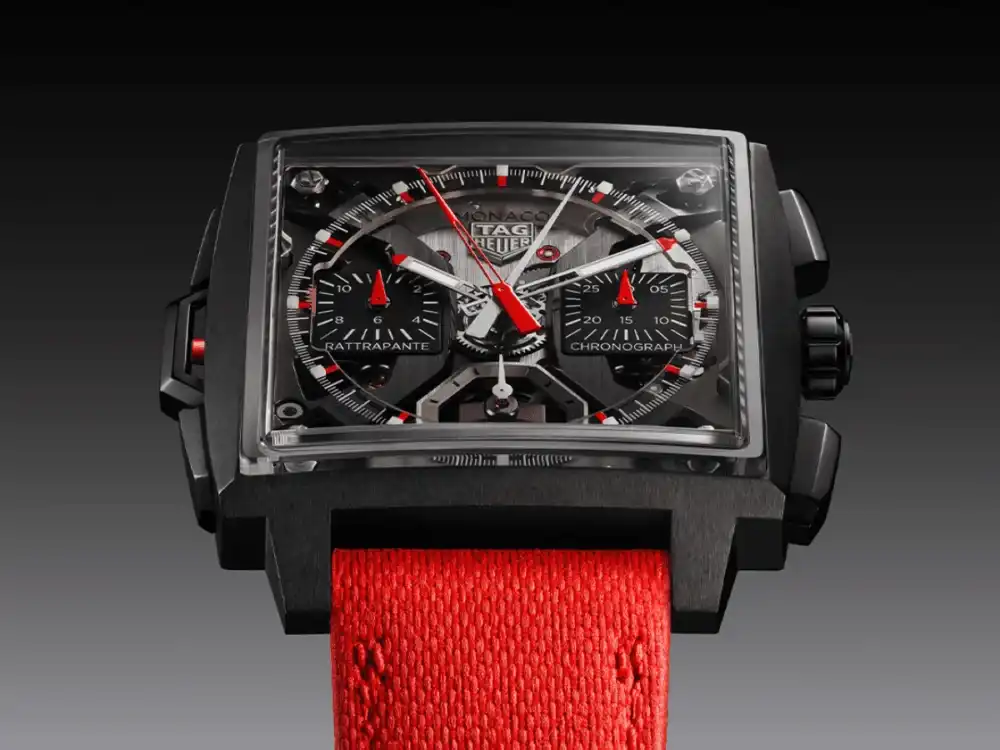
The re-establishment of TAG Heuer as the official timekeeper of Formula 1 marks a pivotal moment in the history of both the horological and automotive industries. This return is frequently described by industry analysts as a homecoming, restoring a Swiss maison to a position it has occupied, in various capacities, for over half a century. The relationship between TAG Heuer and the pinnacle of motorsports is not merely a marketing sponsorship but a foundational element of the brand’s identity, rooted in the shared pursuit of millisecond precision and mechanical resilience under extreme conditions. Since the early 1960s, the company has transitioned from a provider of dashboard timers to a pioneer of wrist-worn chronographs, and finally to a leader in digital integration, mirroring the technological trajectory of Formula 1 itself.
The Foundation of Racing Chronography: The 1960s and the Autavia
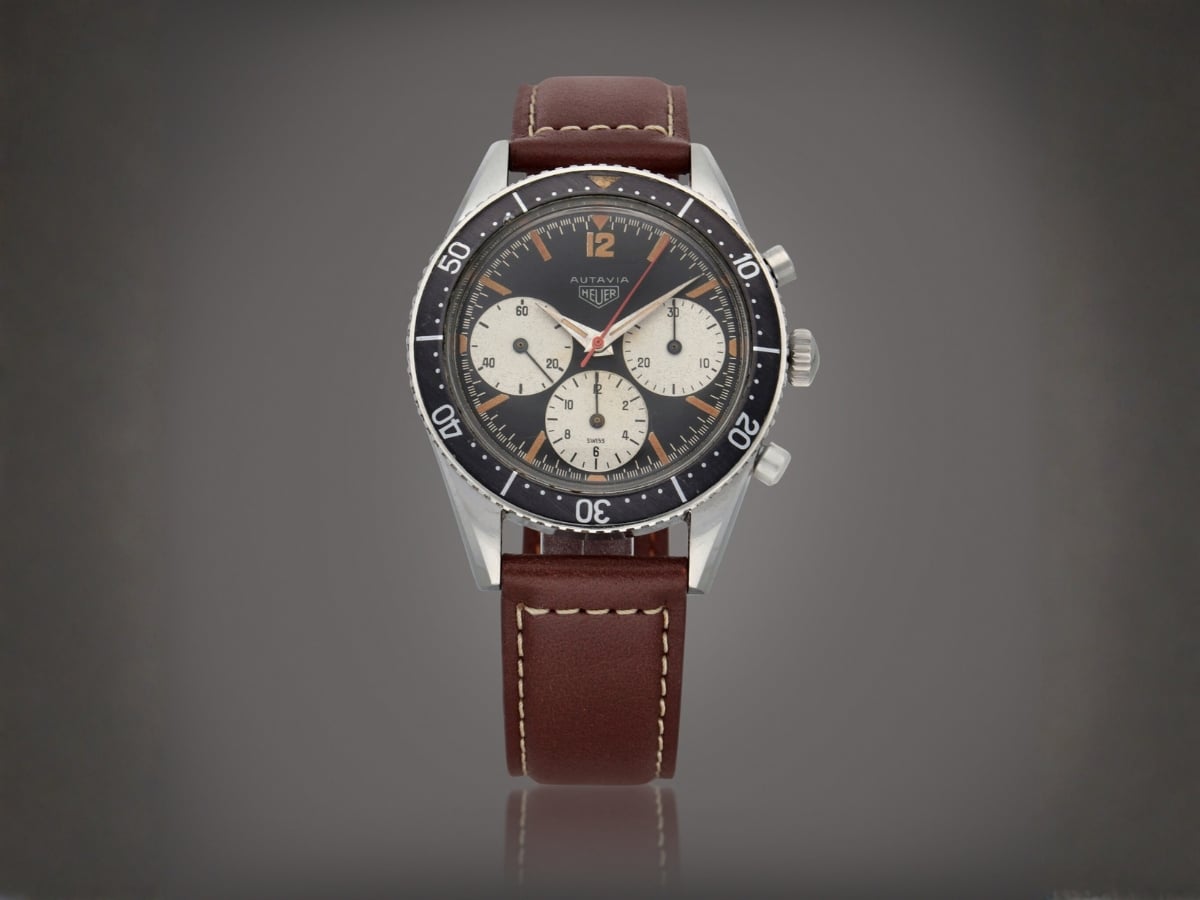
The modern era of racing watches began in earnest on March 3, 1962, with the release of the Heuer Autavia. The name, a portmanteau of "Automobile" and "Aviation," originally referred to dashboard timers produced by the company starting in 1933. However, under the leadership of Jack Heuer, the Autavia was reimagined as a wristwatch chronograph specifically designed for the rigors of the cockpit. It featured a rotating bezel—a first for a Heuer chronograph—which allowed drivers to track elapsed time or intervals with greater ease.
The Autavia established a template for professional racing instruments. Its manual-winding movement and large, high-contrast sub-dials were designed for legibility at high speeds. The watch quickly gained traction among the elite drivers of the era, including Jo Siffert, the Swiss Grand Prix winner who became the first driver to be officially sponsored by a watch brand. Siffert’s preference for the Autavia, characterized by its white dial and blue accents, made the model a staple in the paddock. This period also saw the Autavia adopted by Derek Bell, a legend of endurance racing and Formula 1, further cementing the watch’s status as a tool of the trade rather than a mere accessory.

The Carrera and the Pursuit of Legibility
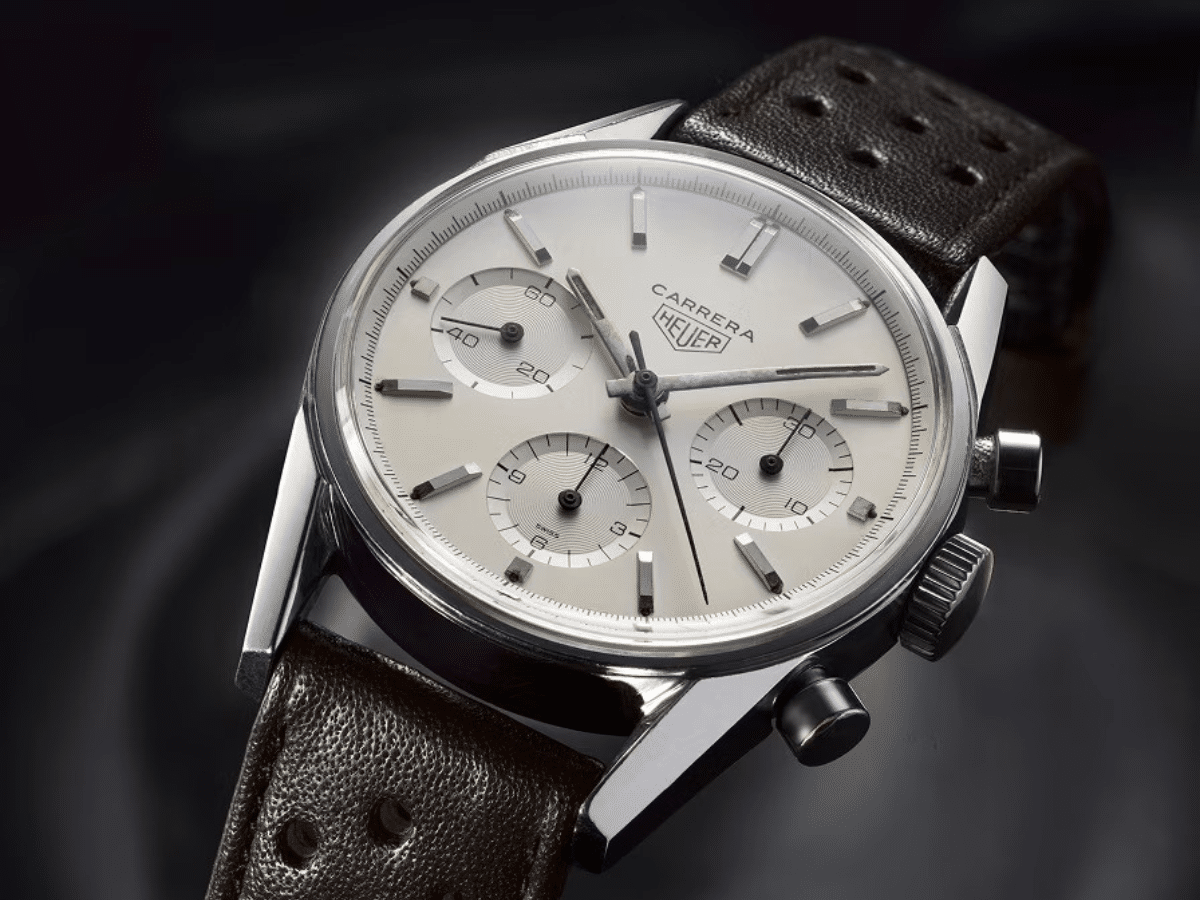
Following the success of the Autavia, Jack Heuer turned his attention to a more streamlined design, resulting in the launch of the Carrera in 1963. Named after the notoriously dangerous Carrera Panamericana road race, the Carrera was a masterclass in minimalist functionalism. Heuer’s obsession with legibility led to the removal of unnecessary scales from the dial, moving the tachymeter to the tension ring to create a cleaner, more readable surface.
Throughout the 1960s and 1970s, the Carrera became the definitive watch for the Formula 1 elite. It was the flagship model during TAG Heuer’s tenure as the official timekeeper for Scuderia Ferrari from 1971 to 1979. During this "golden age," drivers such as Niki Lauda, Mario Andretti, and Jacky Ickx relied on Heuer chronographs to monitor their performance. The partnership with Ferrari was revolutionary, as it involved Heuer providing electronic timing equipment for the tracks in addition to personal timepieces for the drivers. This dual role as both a consumer brand and a technical partner defined the company’s trajectory for the next four decades.
The Radical Departure: 1969 and the Monaco
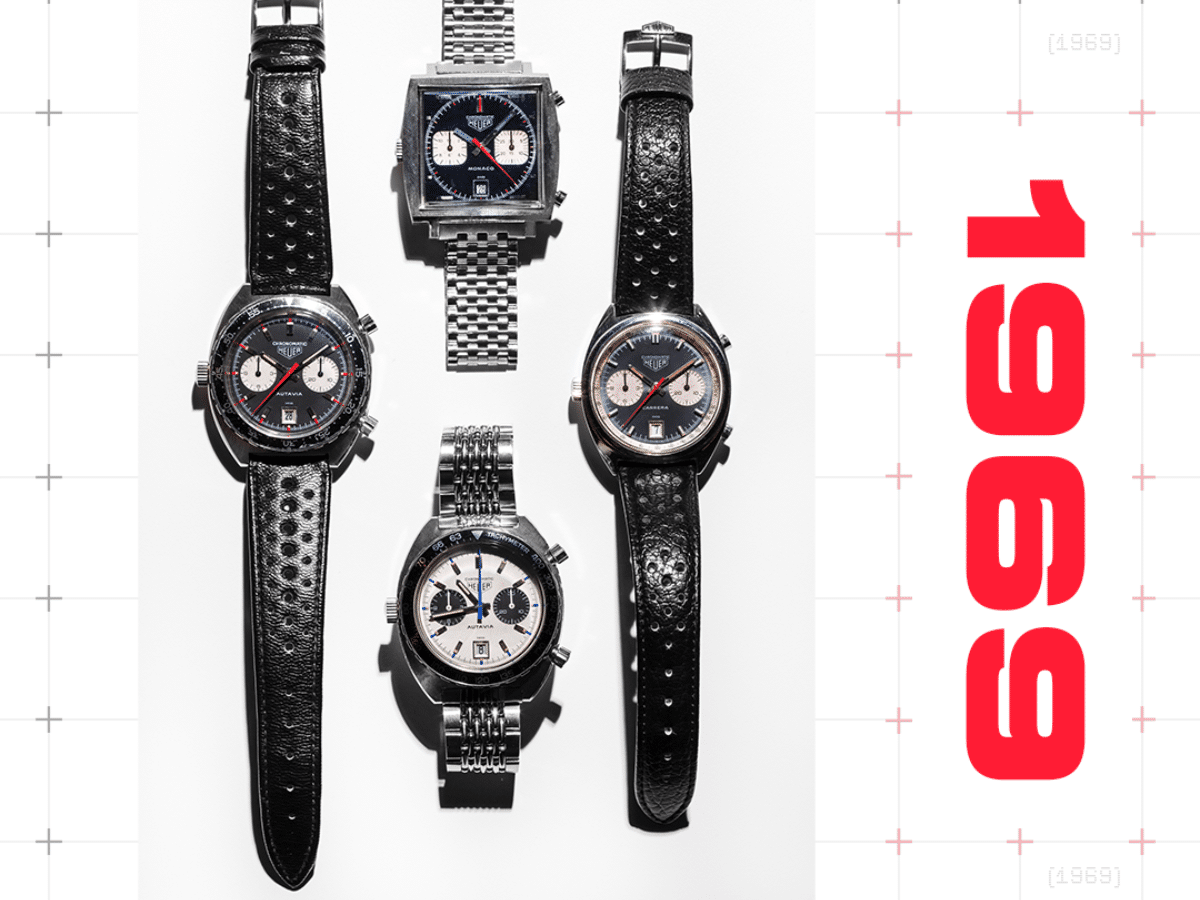
In 1969, the company introduced the Monaco, a timepiece that defied every convention of Swiss watchmaking. It featured the world’s first water-resistant square case and housed the Calibre 11, one of the first automatic chronograph movements ever developed. While its avant-garde design was initially polarizing, its association with the Monaco Grand Prix—the most prestigious race on the F1 calendar—gave it immediate sporting credibility.
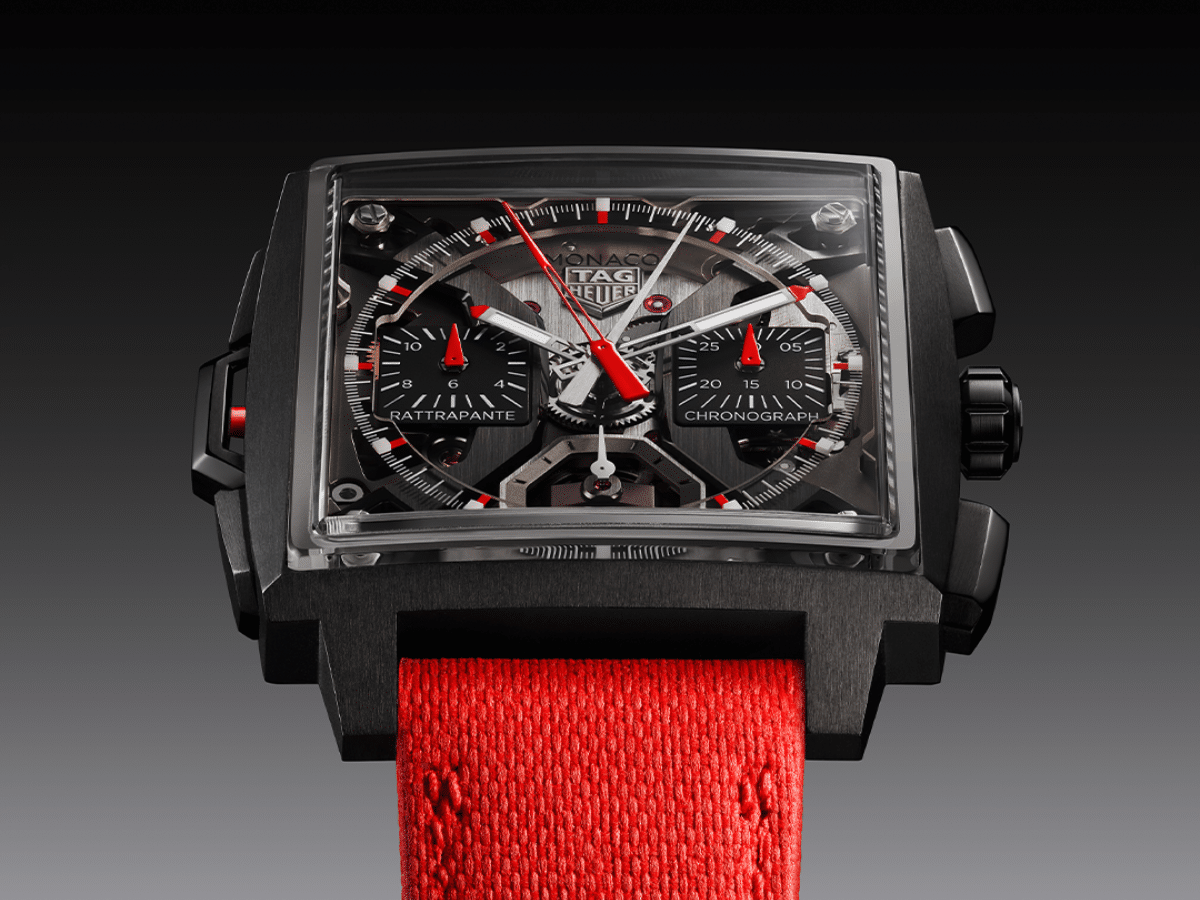
The Monaco’s status was immortalized by Steve McQueen in the 1971 film Le Mans. McQueen, seeking to portray an authentic racing driver, chose to wear the Heuer jumpsuit and the Monaco watch, modeled after his friend Jo Siffert. In recent years, the Monaco has undergone significant technical evolutions. The 2025 release of the Monaco Split-Seconds Chronograph for Formula 1 represents the contemporary peak of this line. Utilizing the TH81-00 movement, the watch is constructed from lightweight materials like grade-5 titanium and sapphire, weighing significantly less than its predecessors while offering a "rattrapante" (split-seconds) function that allows for the simultaneous timing of two separate events.
The TAG Merger and the Accessibility of the 1980s
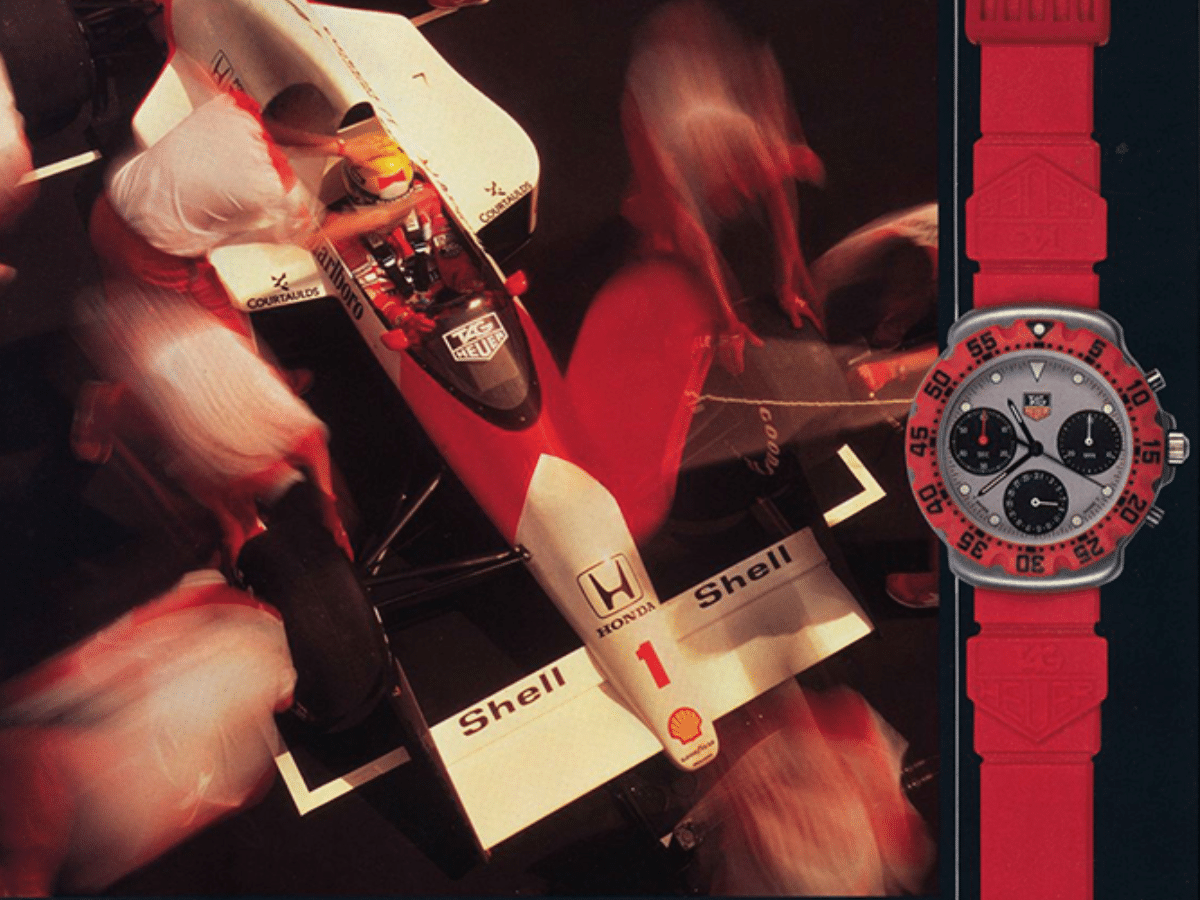
A transformative moment in the brand’s history occurred in 1985 when Heuer was acquired by Techniques d’Avant Garde (TAG), a firm deeply embedded in Formula 1 through its partnership with McLaren. This merger birthed the "TAG Heuer" brand and led to the 1986 launch of the Formula 1 collection. This line was a strategic departure from the brand’s mechanical roots, utilizing quartz movements and vibrant, synthetic materials to reflect the colorful and high-energy atmosphere of the 1980s racing scene.
The Formula 1 line was designed to be accessible to fans and engineers alike, democratizing the brand’s racing heritage. It drew direct aesthetic inspiration from the F1 cockpit, with bold numerals and rugged cases that could withstand the vibrations and oils of the pit lane. The success of this collection allowed TAG Heuer to maintain its market dominance during the "quartz crisis" while continuing to innovate in high-end mechanical horology.
Modern Era: Red Bull Racing and the "Don’t Crack Under Pressure" Philosophy
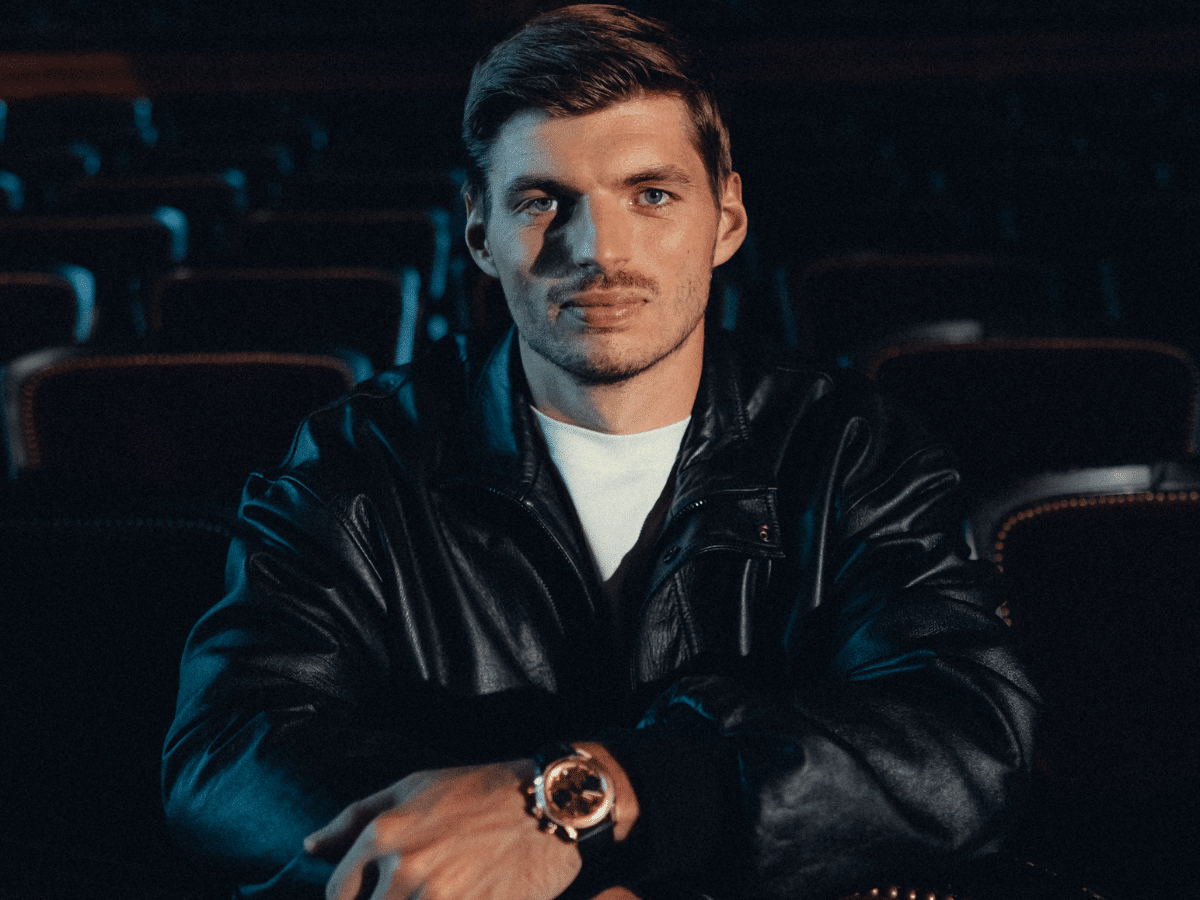
In the 21st century, TAG Heuer’s primary association has been with Red Bull Racing, one of the most successful teams in modern F1 history. This partnership has been personified by three-time World Champion Max Verstappen and his teammate Sergio Perez. The collaboration has resulted in several limited-edition timepieces that utilize modern materials such as carbon fiber and ceramic.
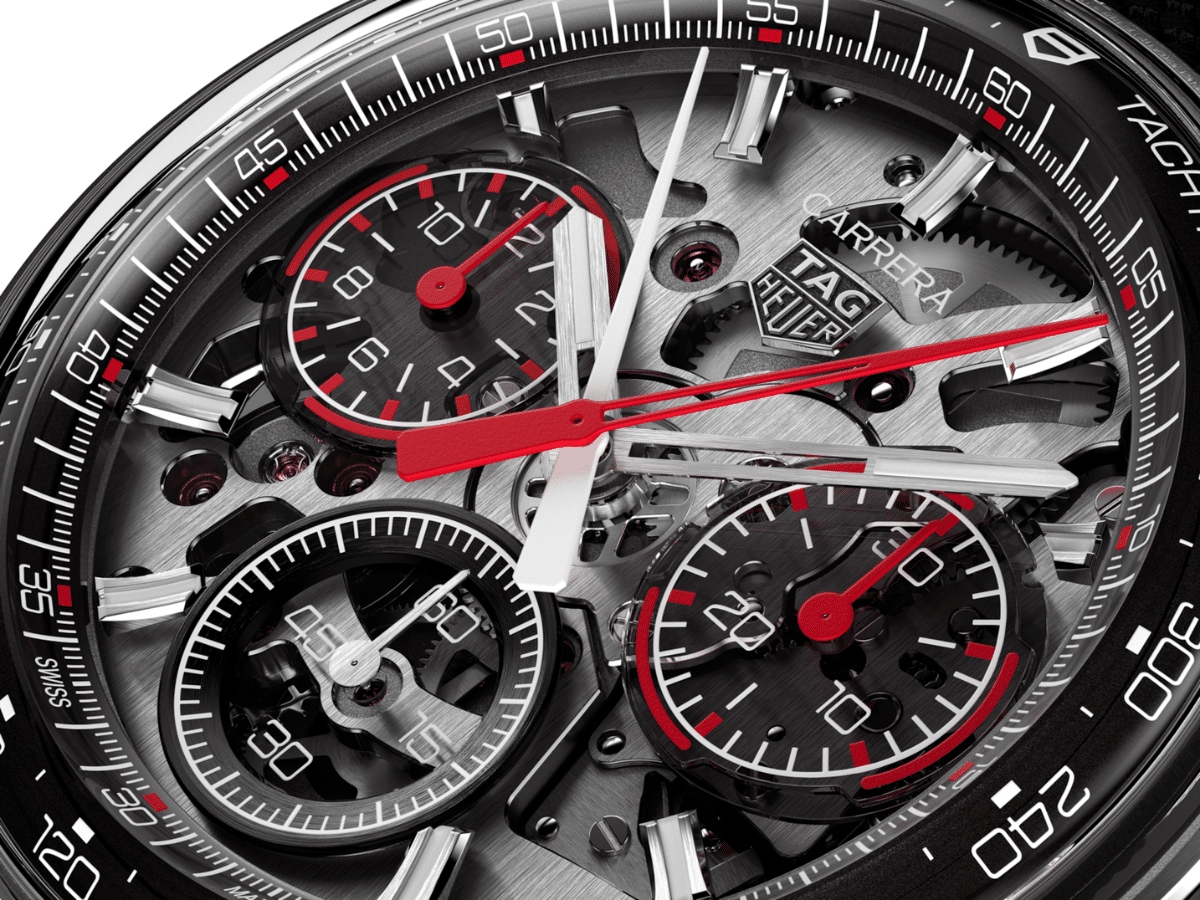
Christian Horner, Team Principal of Red Bull Racing, noted in 2016 that the TAG Heuer motto, "Don’t Crack Under Pressure," is a cultural touchstone for the team. This philosophy is reflected in the technical specifications of the modern Carrera and Monaco models, which now feature the Calibre TH20-01 movement. This movement offers a bidirectional winding system and an 80-hour power reserve, ensuring that the watches remain operational throughout a grueling race weekend without manual intervention.
The Digital Frontier: The Connected Calibre E5
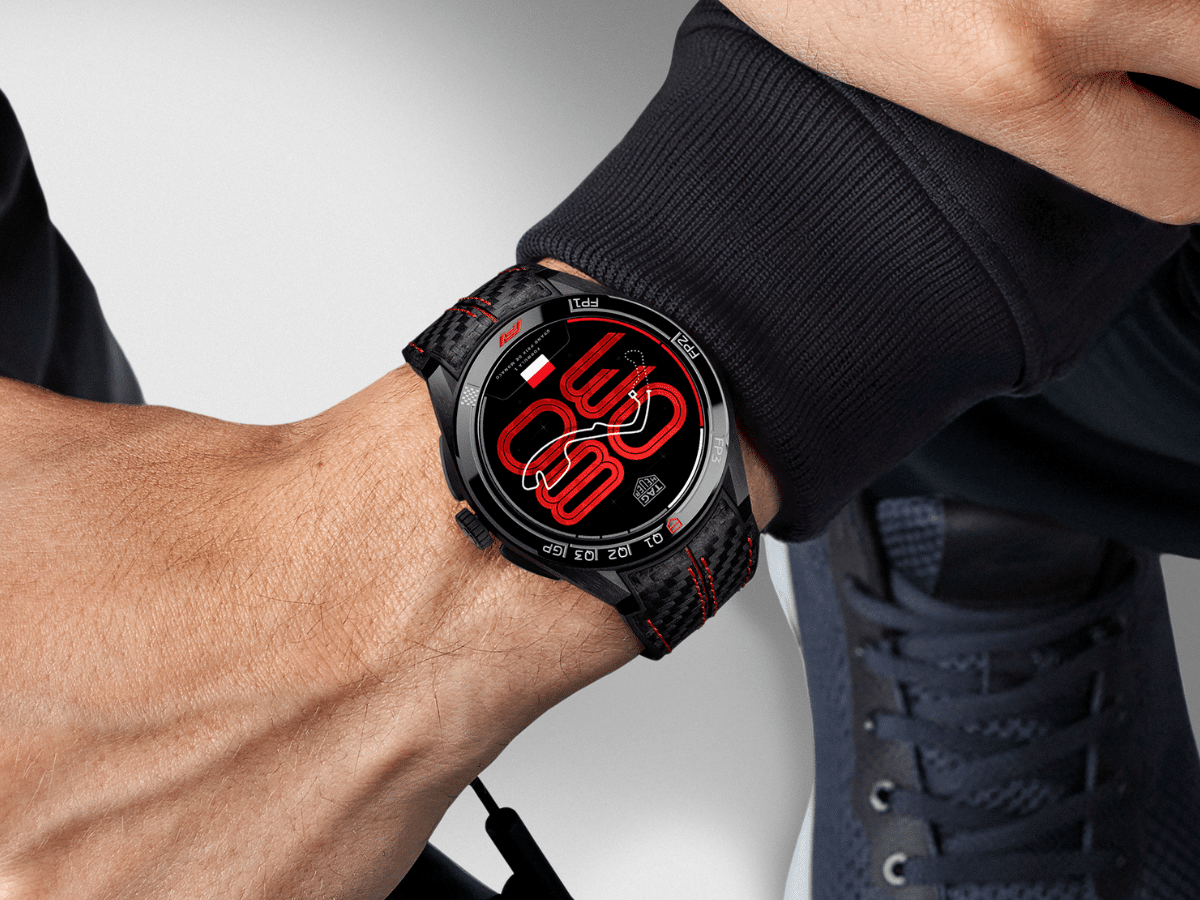
The latest evolution in the brand’s history is the Connected Calibre E5 45mm x Formula 1 Edition. This timepiece represents the convergence of traditional Swiss craftsmanship and Silicon Valley technology. Unlike standard smartwatches, the E5 is purpose-built for the Formula 1 enthusiast. It features a suite of 24 exclusive watch faces that update in real-time based on the racing calendar.
The technical integration of the E5 allows users to access Grand Prix schedules, live race results, and driver standings directly from their wrists. Smart widgets provide instant notifications for track sessions, ensuring that fans and professionals stay synchronized with the fast-paced nature of the sport. The use of ultra-light grade 2 titanium for the case ensures that despite its digital complexity, the watch maintains the physical characteristics of a high-performance racing instrument.
Technical Analysis and Engineering Implications
From an engineering perspective, the evolution of TAG Heuer’s movements mirrors the advancement of Formula 1 power units. The transition from the manual-winding Valjoux movements of the 1960s to the integrated automatic chronographs of the 1970s, and finally to the high-frequency digital processors of the 2020s, shows a consistent focus on reducing latency and increasing reliability.
The introduction of the "rattrapante" or split-seconds complication in recent Carrera and Monaco models is particularly significant. In a sport where championships are decided by thousandths of a second, the ability to measure split times is the ultimate horological tribute to the track. The engineering required to synchronize two chronograph hands—one of which can be stopped to record a lap time while the other continues to run—requires a level of micro-mechanical precision that few manufacturers can achieve.
Broader Impact and the Future of Sports Timing
The relationship between TAG Heuer and Formula 1 has broader implications for the luxury goods market and sports broadcasting. As the official timekeeper, TAG Heuer’s branding is inextricably linked with the televised data that millions of viewers consume every fortnight. This visibility has created a unique feedback loop where the demands of the sport drive the innovation of the watches, and the prestige of the watches enhances the brand value of the sport.
As Formula 1 continues to expand into new markets, particularly in North America, the role of precision timing becomes even more critical. The integration of biometric data and advanced telemetry into future iterations of the Connected Calibre suggests a future where the watch is not just a timer, but a comprehensive interface for the racing experience.
TAG Heuer’s mastery of Formula 1 timekeeping is the result of six decades of refusal to settle for "yesterday’s best." From the analog simplicity of the 1962 Autavia to the digital sophistication of the Connected Calibre, the maison remains the undisputed leader of the timekeeping paddock. As the sport moves toward a more sustainable and technologically integrated future, the partnership between the track and the watchmaker is poised to reach new extremes of accuracy, ensuring that the legacy of Jack Heuer and the pioneers of racing remains preserved in every tick of the second hand.



 Yuyun Lusiyani
 Joko Widodo
 Eva Lovia
 Pevita Pearce
 admin
admin