
 Yuyun Lusiyani
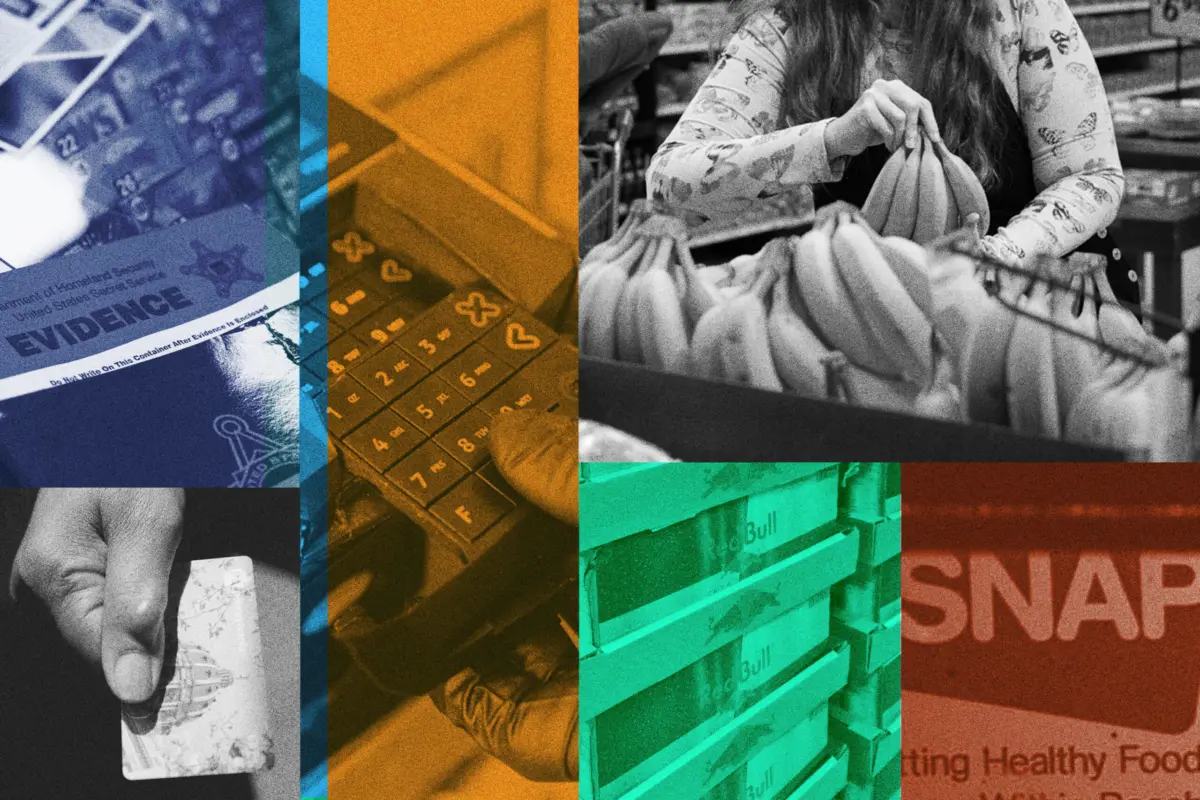
The Trump administration this week unveiled a significant overhaul of the nation’s food stamp payment system, issuing a new proposed rule mandating the transition to modernized benefit cards equipped with advanced security features designed to protect vulnerable families from electronic theft. This pivotal announcement arrives barely a week after a comprehensive investigation by ProPublica exposed the staggering scale of Supplemental Nutrition Assistance Program (SNAP) benefit theft, revealing that an estimated $470 million was pilfered from recipients last year alone, primarily due to the technological obsolescence of the current Electronic Benefits Transfer (EBT) cards. The investigation, which resonated deeply within the U.S. Department of Agriculture (USDA), underscored repeated failures by both Congress and the USDA to implement crucial upgrades, spotlighting the devastating impact on low-income households.
A Critical Shift in National Policy
The proposed rule, formally issued by the USDA’s Food and Nutrition Administration (FNA) on Friday, represents a dramatic acceleration of efforts that have been intermittently "in the works" since 2023. Prior delays were attributed to a confluence of factors, including understaffing at the USDA—exacerbated by cuts following the Department of Government Efficiency’s directives last year—and a substantial backlog of other regulatory priorities at the White House budget office. The sudden shift in momentum has prompted questions, though White House and USDA officials have yet to comment on the specific impetus behind the expedited announcement.
At its core, the new regulation mandates that all 50 states transition their EBT cards from the current magnetic stripe-only format to those incorporating digital microchips and tap-to-pay technology. This technological leap mirrors the security standards that credit and debit cards have widely adopted over the past decade. Magnetic stripe cards are notoriously susceptible to "skimming," a method where criminals illegally copy card data, often using surreptitiously installed devices at point-of-sale terminals or ATMs. Chip cards, on the other hand, generate a unique, encrypted transaction code for each purchase, making them far more difficult to clone or compromise.
Beyond the hardware upgrade, the rule also establishes new federal "SNAP EBT Operating Standards." These standards are intended to be dynamic, subject to ongoing revision, ensuring that federal and state agencies can collectively maintain pace with best practices in the broader credit card industry and adapt to the ever-evolving tactics of fraudsters. This proactive approach aims to create a more resilient and secure system for the approximately 42 million Americans who rely on SNAP benefits each month, a program that distributed over $100 billion in assistance in the last fiscal year.
The Escalating Crisis of EBT Theft
The urgency of this mandate is underscored by the escalating crisis of EBT theft. While a handful of states, such as California, have proactively transitioned to chip-enabled EBT cards, the vast majority—more than 40 states—have not. California’s experience serves as a powerful testament to the efficacy of the new technology; after adopting chip cards, the theft of SNAP and other public benefits in the state plummeted by an impressive 83% within two years.
Nationally, however, the problem has continued to surge. In 2022, a staggering $24 million in SNAP benefits was stolen. This figure skyrocketed to $470 million in 2023, and internal estimates suggest the total theft across SNAP and other public assistance programs could exceed $600 million annually. This translates into hundreds of thousands of lower-income Americans arriving at grocery store checkout lines only to discover their monthly food assistance has been entirely drained by criminals, leaving them unable to feed their families. Media outlets like NPR have also extensively reported on the devastating human impact of this widespread fraud.
Implementation Challenges and the Funding Divide
While the federal mandate marks a crucial step forward, its implementation faces considerable hurdles, particularly concerning funding and logistical complexities. States will have a 60-day public comment period to provide feedback on the proposed USDA regulation, allowing state SNAP administrators and grocery store owners to raise questions about the practicalities of overhauling their EBT systems. Following this, once the rule is formally enacted, states will be granted a two-year window to fully transition to chip cards.
However, meeting this deadline will depend on several critical factors, not least of which is financial capacity. Many states are currently grappling with severe budget constraints, partly attributable to the President Donald Trump’s "One Big Beautiful Bill Act," which significantly curtailed federal funding for states to administer their SNAP programs. These crucial dollars could have been utilized for essential upgrades to EBT systems, including the printing and mailing of new chip-enabled cards.
Multiple current and former FNA officials, alongside state program administrators, have voiced concerns to ProPublica that the agency is mandating expensive changes without a clear commitment from Congress to provide federal funding for the chip card transition. This legislative impasse is currently playing out in the debate over this year’s Farm Bill. The Senate’s version reportedly includes provisions for federal funding to support EBT card modernization, but the House version conspicuously lacks such appropriations. With Democrats and Republicans at loggerheads over overall SNAP spending, the path forward for federal financial assistance remains uncertain. The estimated total federal and state cost for these changes is approximately $283 million, a figure dwarfed by the annual losses from theft, highlighting the long-term economic benefit of the investment.
Expert Reaction and the Call for a National Standard
Despite the challenges, the mandate has been met with significant approval from advocates for low-income households. Justin King, a seasoned safety net advocate and policy director for Propel, a company assisting SNAP recipients with benefit access, described the universal mandate for chip EBT cards as "a big deal for low-income households." He admitted to being "legit surprised" by the administration’s decisive action, acknowledging the difficulty of achieving such a broad policy shift.
King emphasized the critical need for a national standard, stating, "Theft rings don’t care about state lines. You’re just squeezing a balloon if you update one state at a time." He asserted that "a national standard means there’s nowhere left to go" for criminals, effectively closing off avenues for exploitation across state borders and creating a more secure environment for all beneficiaries.
A Striking Rhetorical Shift from the Administration
Perhaps one of the most remarkable aspects of this policy shift is the palpable change in the Trump administration’s posture toward SNAP and its recipients. This became overtly clear on Wednesday when Vice President JD Vance, who also serves as the administration’s "fraud czar," held a press conference in Ohio. While campaigning for Republican candidates, Vance made a deliberate point of emphasizing that low-income families are overwhelmingly the victims of SNAP fraud, a stark departure from his previous rhetoric.
Historically, Vance and other Trump officials have often portrayed SNAP recipients as the perpetrators of fraud. For instance, Vance famously stated, "There are people who have Lamborghinis who currently receive SNAP benefits," a comment typical of his past characterizations. Research conducted for ProPublica’s earlier investigation, reviewing dozens of speeches, social media posts, and press accounts, consistently found this narrative prevalent among Trump administration figures.
Moreover, Vance adopted a strikingly different tone regarding the food stamp program itself. In his 2016 memoir, "Hillbilly Elegy," which brought him national prominence, he wrote critically of SNAP recipients in Kentucky and Ohio, suggesting they "live off of government largesse" and exhibiting "little interest in honest work." Yet, this week, speaking from a stage in southern Ohio, he declared, "Step back for a minute and realize that the [SNAP] program is one of the most important social service programs that we have in the United States of America." He elaborated further, stating that food stamps ensure "all of our fellow citizens, particularly children, are able to have a full belly at the end of every single night, that regardless of whether they can pay for a meal, we don’t let American children and American families go hungry. That is one of the most important and sacred things that our tax dollars go to."
The White House and Vance’s press office have not yet responded to requests for comment regarding this dramatic rhetorical about-face.
Enforcement and the Human Cost of Theft
During the Ohio press conference, Vance was joined by Attorney General Todd Blanche and other top officials, who provided detailed accounts of multiple recent SNAP theft prosecutions. These included several ongoing EBT card skimming cases in Oregon, where criminal organizations allegedly pilfered SNAP account numbers and PINs from legitimate beneficiaries. They then used this stolen data to purchase bulk quantities of high-value, easily resalable goods such as energy drinks and baby formula, which were subsequently resold for profits exceeding $3 million. This pattern of criminal activity directly mirrors the types of cases highlighted in ProPublica’s investigative reporting.
Vance poignantly underscored the human dimension of the crisis, stating, "The simple reality is that it is actually a very tough thing to go through a [grocery store checkout] line with kids, to present that card, to expect to be able to take that food home to your family, to be able to cook it and provide a meal for your kids, and to be told that because of the theft of a fraudster, that you are being rejected. And there are hundreds of thousands of families all across our country, all across the state of Ohio who have had that experience." His words painted a vivid picture of the indignity and hardship faced by families whose essential benefits are stolen, emphasizing the administration’s newfound focus on protecting these vulnerable populations.
The administration’s sudden and comprehensive approach to modernizing EBT cards, coupled with a significant shift in its public discourse on SNAP, marks a critical juncture in the ongoing effort to secure vital food assistance for millions of Americans. While the path to full implementation will undoubtedly present challenges, the mandate represents a clear acknowledgement of the widespread problem and a commitment to leveraging modern technology to safeguard a fundamental safety net program.




 Nila Kartika Wati

 Eva Lovia

 Lina Irawan

 Ana Megawati

 Joko Widodo
