
 Eva Lovia
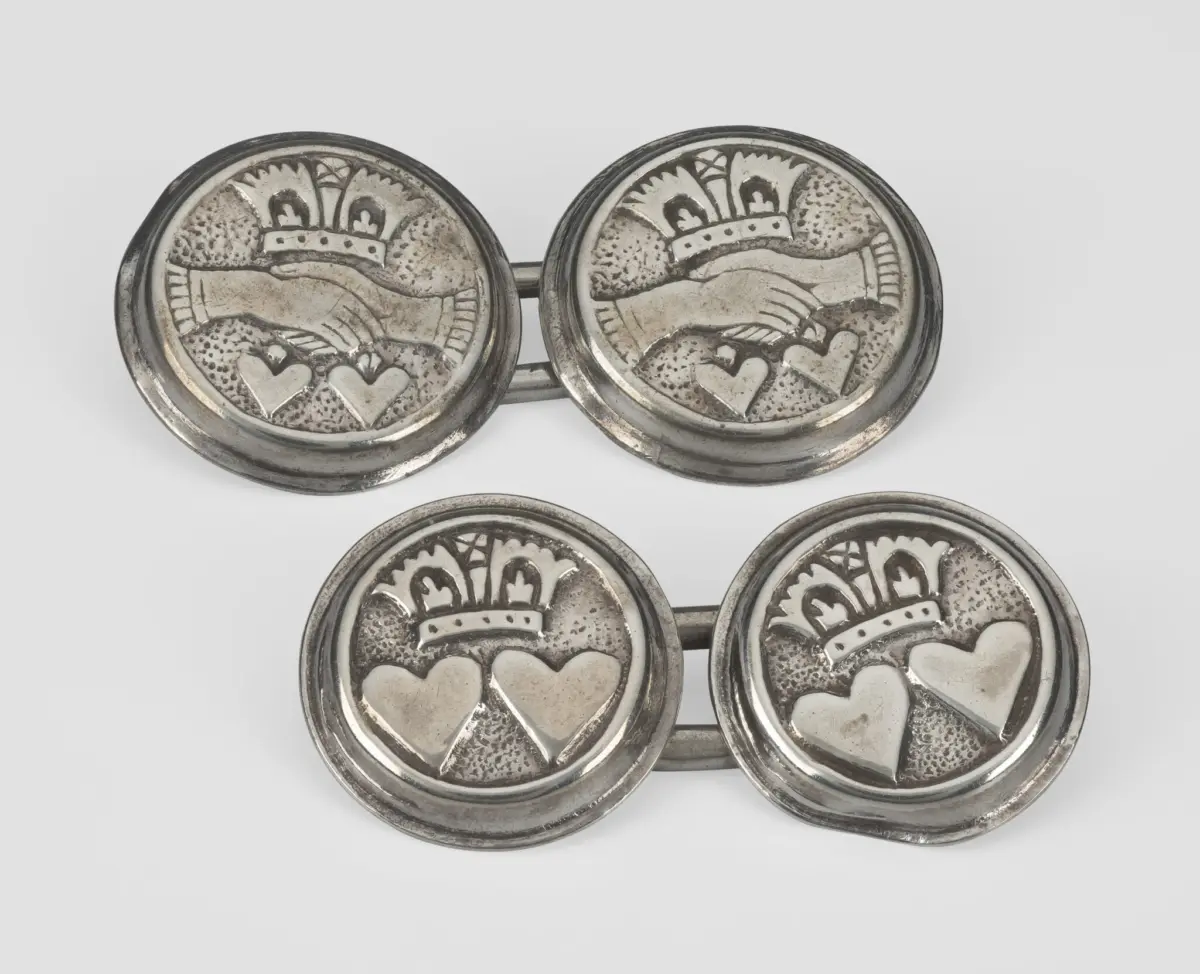
Buckingham Palace has announced an unprecedented exhibition, "Royal Jewellery: From Coronations to Keepsakes," set to open next June at The King’s Gallery. This landmark exhibition will present over 300 meticulously selected items, spanning more than 500 years of royal history, offering the public a rare glimpse into the opulent and historically significant jewels that have adorned British monarchs. Among the most compelling pieces to be displayed for the very first time is the set of cufflinks worn by King Charles I on the day of his execution, January 30, 1649. This poignant artifact, a tangible link to one of the most dramatic moments in British history, is expected to draw significant attention and underscore the exhibition’s theme of personal adornment intertwined with profound historical events.
A Glimpse into a Monarch’s Final Moments
The cufflinks, a seemingly small detail, carry immense symbolic weight. Their presence in the exhibition serves as a stark reminder of King Charles I’s final hours. Historical accounts detail that on the frigid morning of his execution, Charles I wore two shirts. This was not due to a lack of attire but a deliberate choice to conceal any potential trembling from the cold, which he feared might be misinterpreted as fear or cowardice by the assembled crowd. The cufflinks, therefore, were not merely decorative but part of a carefully considered presentation by a monarch facing his end. Their public debut after nearly four centuries offers a unique opportunity for the public to connect with this pivotal historical figure on a more intimate level, examining the personal effects that accompanied him to the scaffold.
The Tumultuous Reign and Execution of Charles I
The execution of Charles I marked a watershed moment in English history, bringing an end to the monarchy for a period and ushering in the Commonwealth under Oliver Cromwell. The English Civil War (1642-1651) was a conflict born out of deep-seated political and religious disagreements between the King and Parliament. Charles I, a staunch believer in the Divine Right of Kings, clashed repeatedly with Parliament over issues of governance, taxation, and religious policy. His attempts to rule without Parliament and his perceived absolutist tendencies ultimately led to armed conflict.
Following his defeat and capture by Parliamentarian forces, Charles I was put on trial for high treason. The trial, conducted by the Rump Parliament, was highly controversial, as the legitimacy of trying a monarch was unprecedented. On January 27, 1649, he was found guilty and sentenced to death. The execution took place on January 30, 1649, outside the Banqueting House in Whitehall, London. The event sent shockwaves across Europe, challenging the established order of monarchy and divine right.
Relics of a Martyred King
In the aftermath of Charles I’s execution, items associated with him, particularly those worn at the time of his death, were treated as sacred relics by his loyal supporters. These objects became potent symbols of his perceived martyrdom and the injustice of his fate. The careful preservation of his cufflinks reflects this deep reverence and the desire among Royalists to maintain a tangible connection to their fallen king.
Oliver Cromwell, the architect of the Parliamentarian victory, was acutely aware of the potential impact of Charles I’s death on public sentiment. He reportedly took steps to ensure the king’s body was transported to Windsor Castle under cover of darkness, a measure possibly intended to prevent public demonstrations of grief or unrest. Charles I was eventually buried in St. George’s Chapel at Windsor Castle, a somber end for a monarch whose reign had been so tumultuous.
"Royal Jewellery: From Coronations to Keepsakes" – A Grand Exhibition
The upcoming exhibition promises a comprehensive exploration of royal adornment, moving beyond mere spectacle to delve into the historical narratives and personal significance embedded within these precious objects. With over 300 items, the exhibition will showcase a breathtaking array of jewels, from the grand regalia used in coronation ceremonies to more intimate keepsakes passed down through generations.
Beyond the poignant cufflinks of Charles I, other significant pieces will include:

- The George IV State Diadem: A magnificent piece commissioned for George IV’s coronation in 1821, this diadem has been a symbol of the monarchy for centuries. It is renowned for its exquisite craftsmanship and the valuable gemstones it incorporates.
- Queen Victoria’s Coronet: This coronet, used by Queen Victoria in the latter part of her reign, became so intrinsically linked with her image that it was placed atop her coffin during her lying in state. Its inclusion highlights the personal association between monarchs and their regalia.
- Queen Elizabeth II’s Necklace: A personal gift from her grandmother, Queen Mary, this necklace represents the continuity of family and tradition within the Royal Family. It offers a glimpse into the private lives and familial bonds of the monarchs.
- Queen Charlotte’s Amethyst Suite: This collection of amethyst jewelry, once belonging to Queen Charlotte, consort of George III, exemplifies the fashionable tastes and personal collections of earlier queens.
The exhibition’s title, "From Coronations to Keepsakes," aptly encapsulates its broad scope. It aims to illustrate how jewellery has served multiple purposes throughout royal history: as symbols of power and sovereignty in state occasions, as personal adornments reflecting individual style and status, and as cherished heirlooms carrying familial legacies.
Supporting Data and Historical Context
The history of royal jewellery is deeply intertwined with the history of the monarchy itself. The acquisition and commissioning of precious stones and elaborate settings often reflected the political alliances, economic prosperity, and artistic trends of the time. For instance, the Great Imperial State Crown, worn by Queen Elizabeth II at State Openings of Parliament, contains over 2,800 diamonds, including the Cullinan II diamond, and significant gemstones such as the Black Prince’s Ruby and the St. Edward’s Sapphire. These jewels are not just objects of beauty but also repositories of history, bearing witness to centuries of royal ceremonies and national events.
The craftsmanship involved in creating these pieces also speaks volumes. Many were produced by renowned jewelers and goldsmiths, showcasing the pinnacle of artistic and technical skill available during their respective eras. The evolution of jewelry design, from the more robust and symbolic pieces of earlier centuries to the intricate and delicate creations of later periods, will be a fascinating narrative thread within the exhibition.
Official Responses and Public Anticipation
While official statements from Buckingham Palace have been concise, focusing on the announcement of the exhibition and its opening date, the anticipation among royal enthusiasts and historians is palpable. The inclusion of King Charles I’s execution cufflinks is particularly noteworthy, promising a deeply evocative and historically significant display. A spokesperson for the Royal Collection Trust commented, "We are delighted to present ‘Royal Jewellery: From Coronations to Keepsakes,’ an exhibition that will offer a unique and comprehensive insight into the role of jewellery within the British monarchy. The opportunity to display items as historically charged as King Charles I’s execution cufflinks is a privilege, and we believe it will resonate profoundly with our visitors."
The exhibition is poised to be a major draw, offering a rare educational and cultural experience. The Royal Collection Trust, responsible for managing the Royal Collection, has a strong track record of curating engaging and informative exhibitions that attract a global audience.
Broader Impact and Implications
The exhibition’s significance extends beyond its aesthetic appeal. By showcasing these historically charged artifacts, "Royal Jewellery: From Coronations to Keepsakes" offers a platform for reflection on key moments in British history. The inclusion of Charles I’s cufflinks, in particular, invites contemplation on themes of power, authority, revolution, and the enduring legacy of a monarchical system.
The exhibition also serves to highlight the cultural heritage of the United Kingdom and the role of the monarchy in shaping national identity and historical narrative. The jewels on display are not merely personal possessions but are imbued with national significance, having been part of state ceremonies and public life for centuries.
Furthermore, the exhibition provides an economic and cultural boost, drawing visitors to London and contributing to the city’s vibrant tourism sector. The Royal Collection Trust’s commitment to making these historical treasures accessible to the public underscores a modern approach to heritage preservation and public engagement.
Tickets for "Royal Jewellery: From Coronations to Keepsakes" will be available for purchase from the start of November via the Royal Collection Trust website, allowing the public ample time to plan their visit to what promises to be one of the most significant royal exhibitions in recent memory. The exhibition runs from June at The King’s Gallery, adjacent to Buckingham Palace, promising a journey through centuries of regal splendor and historical resonance.



 Nila Kartika Wati

 Lina Irawan

 Yuyun Lusiyani

 Ana Megawati

 Joko Widodo
