
 Eva Lovia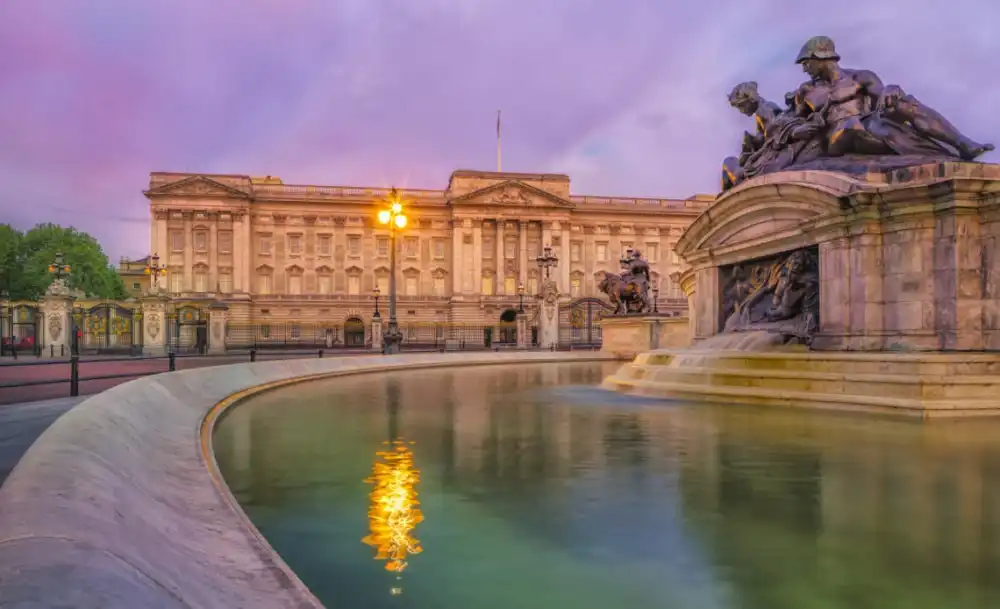
Thames Valley Police have issued an updated statement regarding the arrest and subsequent release under investigation of Andrew Mountbatten-Windsor, who holds the position of eighth in line to the British throne. The development follows a significant police operation that included searches in Norfolk, which have now concluded, while investigations in Berkshire are ongoing. The arrest, which occurred on Thursday, February 19, 2026, at approximately 8:00 AM, was made by officers examining allegations of misconduct in public office. Prince Andrew has consistently maintained his innocence, denying any wrongdoing.
Key Developments and Official Statements
The full statement released by Thames Valley Police reads: "On Thursday (19/2) we arrested a man in his sixties from Norfolk on suspicion of misconduct in public office. The arrested man has now been released under investigation. We can also confirm that our searches in Norfolk have now concluded." The police have indicated that no further comments will be made at this time, emphasizing the ongoing nature of the investigation.
Prince Andrew Mountbatten-Windsor, who until January resided at Royal Lodge in Berkshire, had recently relocated to the Sandringham estate in Norfolk. This geographical detail is significant as it underscores the dual locations of interest for the ongoing police inquiries.
In the wake of the arrest, Buckingham Palace released a statement from His Majesty King Charles III, expressing his deep concern. The monarch stated, "Let me state clearly: the law must take its course." He elaborated on his sentiments, adding, "I have learned with the deepest concern the news about Andrew Mountbatten-Windsor and suspicion of misconduct in public office. What now follows is the full, fair and proper process by which this issue is investigated in the appropriate manner and by the appropriate authorities. In this, as I have said before, they have our full and wholehearted support and co-operation." The royal statement concluded with a commitment to duty: "As this process continues, it would not be right for me to comment further on this matter. Meanwhile, my family and I will continue in our duty and service to you all." The statement was formally signed "Charles R."
Later on the same day, King Charles III attended British Fashion Week. When approached by reporters for a comment on the unfolding situation, His Majesty, in accordance with established protocol, declined to speak.
Background and Timeline of Events
The arrest of Prince Andrew marks a significant escalation in the ongoing scrutiny of his affairs. While the precise nature of the alleged misconduct in public office remains undisclosed by Thames Valley Police, the investigation has been ongoing for a considerable period.
Chronological Overview:
- Early 2026 (Prior to Feb 19): Prince Andrew Mountbatten-Windsor moves his primary residence from Royal Lodge in Berkshire to the Sandringham estate in Norfolk. This relocation is noted by authorities and may be a factor in the logistical coordination of the investigation.
- February 19, 2026, ~8:00 AM: Thames Valley Police officers arrest a man in his sixties, identified as Andrew Mountbatten-Windsor, at his Norfolk residence. The arrest is based on suspicion of misconduct in public office.
- February 19, 2026 (Post-Arrest): Police conduct searches in Norfolk. Simultaneously, searches are confirmed to be ongoing in Berkshire, specifically referencing the area around Royal Lodge.
- February 19, 2026 (Afternoon): Prince Andrew is released under investigation. This means he is not charged but remains subject to inquiry and potential future questioning or charges.
- February 19, 2026 (Evening): Thames Valley Police issue a formal statement detailing the arrest and release under investigation, confirming the conclusion of searches in Norfolk.
- February 19, 2026 (Evening): Buckingham Palace releases a statement from King Charles III expressing concern and emphasizing the importance of due process.
- February 19, 2026 (Late Evening): King Charles III attends British Fashion Week and declines to comment on the matter when approached by the press.
The phrase "misconduct in public office" is a serious criminal offense, typically involving a breach of the trust placed in a public official. It can encompass a wide range of behaviours, from corruption and bribery to the abuse of power or disclosure of confidential information. The specifics of the allegations against Prince Andrew are not yet public.
Supporting Data and Context
Prince Andrew, the third child and second son of the late Queen Elizabeth II and Prince Philip, Duke of Edinburgh, has occupied various public roles throughout his life, including as a former naval officer and a special representative for trade and investment. His public life has been subject to intense media scrutiny, particularly in recent years following his association with convicted sex offender Jeffrey Epstein. While he has strenuously denied any wrongdoing in relation to Epstein’s crimes, he stepped down from royal duties in 2019.
The Sandringham estate, a sprawling royal residence in Norfolk, has historically served as a private retreat for the Royal Family. Its association with Prince Andrew in this context highlights a potential shift in his living arrangements and public profile. Royal Lodge, where he resided until January, is a Grade I listed mansion located within the Windsor Great Park in Berkshire. The continued police activity in Berkshire suggests that evidence or further inquiries related to his former residence may still be pertinent to the investigation.
The legal framework surrounding "misconduct in public office" in the UK is governed by common law. To secure a conviction, prosecutors would typically need to prove that the individual was in a position of public trust, acted dishonestly, and that their conduct was so serious as to amount to a breach of that trust. The fact that Prince Andrew has been released under investigation indicates that the police have gathered sufficient grounds to continue their inquiries but have not yet reached a threshold for formal charges.
Broader Impact and Implications
The arrest and subsequent release under investigation of a member of the Royal Family on such serious allegations inevitably sends ripples through the institution and public perception.
Institutional Impact:
The statement from King Charles III underscores the monarchy’s commitment to upholding the rule of law. By publicly stating that "the law must take its course" and offering "full and wholehearted support and co-operation" to the investigating authorities, the King signals a departure from any perception of special treatment or royal immunity. This stance is crucial for maintaining public trust in the monarchy, particularly in an era where transparency and accountability are paramount.
The ongoing investigation places further strain on the Royal Family, which has already navigated several high-profile challenges in recent years. The need for the King and other senior royals to continue their public duties while such a significant matter unfolds within their own family presents a delicate balancing act.
Public Perception and Media Scrutiny:
The news has generated considerable public interest and will undoubtedly be a dominant subject in media coverage for the foreseeable future. Prince Andrew’s past controversies, particularly his association with Jeffrey Epstein and the subsequent civil lawsuit filed against him in the United States, mean that any new legal or investigative developments are met with intense scrutiny. The current allegations of "misconduct in public office," while distinct from the Epstein case, add another layer of complexity to his public image.
The release under investigation is a critical juncture. It means that while he is not yet facing charges, the investigation is active and could lead to charges being brought at a later date. This uncertainty can have a significant impact on an individual’s reputation and public standing.
Legal and Procedural Considerations:
The investigation by Thames Valley Police, a territorial police force responsible for policing the counties of Berkshire, Buckinghamshire, and Oxfordshire, highlights the fact that these allegations are being treated as a matter of criminal law. The involvement of multiple police forces or specialist units is not indicated at this stage, suggesting the primary investigation is being led by Thames Valley Police.
The fact that searches are being conducted in both Norfolk and Berkshire indicates that the investigation has a geographical spread, potentially encompassing evidence and witnesses across different locations where Prince Andrew has resided or conducted activities. The conclusion of searches in Norfolk signifies a stage of evidence gathering that has been completed in that specific area, while ongoing searches in Berkshire suggest that enquiries there are still active.
The legal concept of "misconduct in public office" can be challenging to prosecute. It requires a clear demonstration of dishonesty and a breach of public trust. The burden of proof rests with the prosecution, and the accused is presumed innocent until proven guilty. Prince Andrew’s consistent denial of wrongdoing is a significant factor in the narrative as the investigation progresses.
In conclusion, the arrest and release under investigation of Prince Andrew Mountbatten-Windsor marks a serious development with far-reaching implications for the individual, the Royal Family, and public perceptions of the monarchy. The coming weeks and months will likely see further developments as Thames Valley Police continue their meticulous and complex investigation.


 Yuyun Lusiyani
 Joko Widodo
 Pevita Pearce
 admin
admin
 Lina Irawan