
 Lina Irawan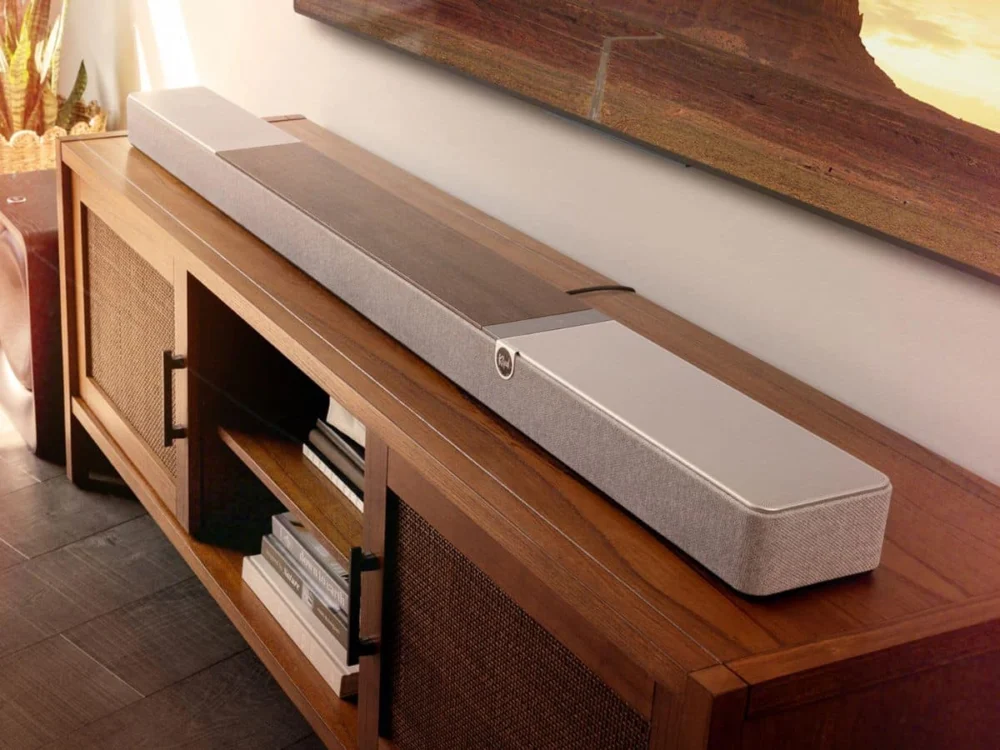
The transformation of residential entertainment spaces has reached a pivotal juncture in 2026, as the traditional liquor cabinet evolves into a sophisticated ecosystem of interconnected devices, sustainable materials, and artificial intelligence. What was once a static corner for spirit storage has transitioned into a high-tech sanctuary of personal expression, defined by a seamless blend of high-end mixology and ambient intelligence. This shift reflects broader consumer trends toward "premiumization" and the integration of Internet of Things (IoT) technology into every facet of domestic life. In the modern era, a home bar is no longer judged solely by the rarity of its single malts, but by its interoperability—the ability for lighting, sound, climate control, and automated pouring systems to function as a singular, responsive environment.
The Chronology of Home Entertaining: From Mid-Century to the Smart Era
The trajectory of the home bar can be traced through three distinct phases. In the 1950s and 60s, the "Mad Men" era established the bar as a social centerpiece, characterized by walnut finishes and manual brass tools. Following a period of decline during the late 20th century, the 2010s witnessed a "Craft Revival," where consumers rediscovered artisanal bitters, complex garnishes, and the ritual of the hand-shaken cocktail. By 2020, the global pandemic accelerated the "home-as-hub" movement, forcing a professionalization of the domestic drinking experience.
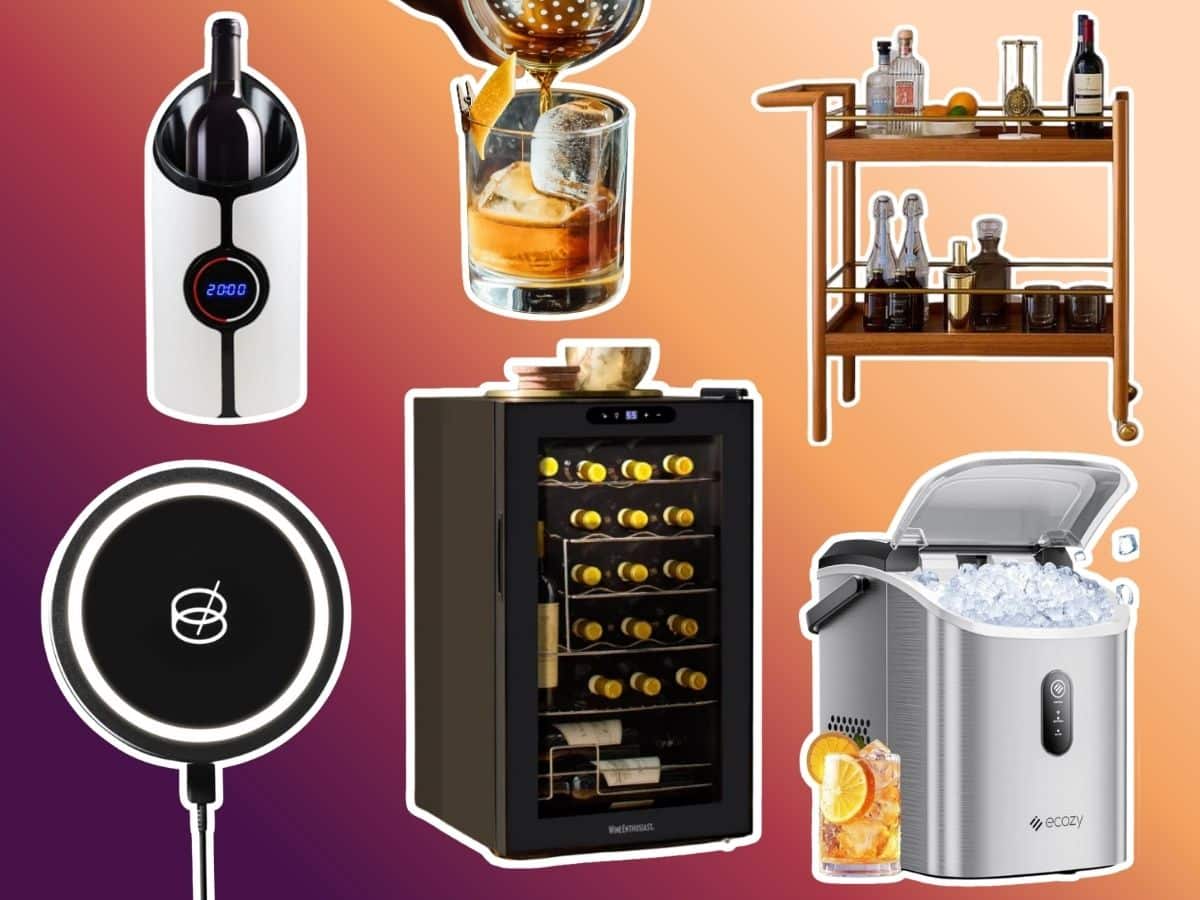
As of 2026, the industry has entered the "Intelligent Era." Market data indicates that the global smart home market is projected to exceed $600 billion by 2030, with specialized kitchen and bar appliances representing one of the fastest-growing segments. This evolution is driven by a consumer base that demands the precision of a professional sommelier with the convenience of voice-activated automation.
Foundational Aesthetics: The Convergence of Heritage and Sustainability
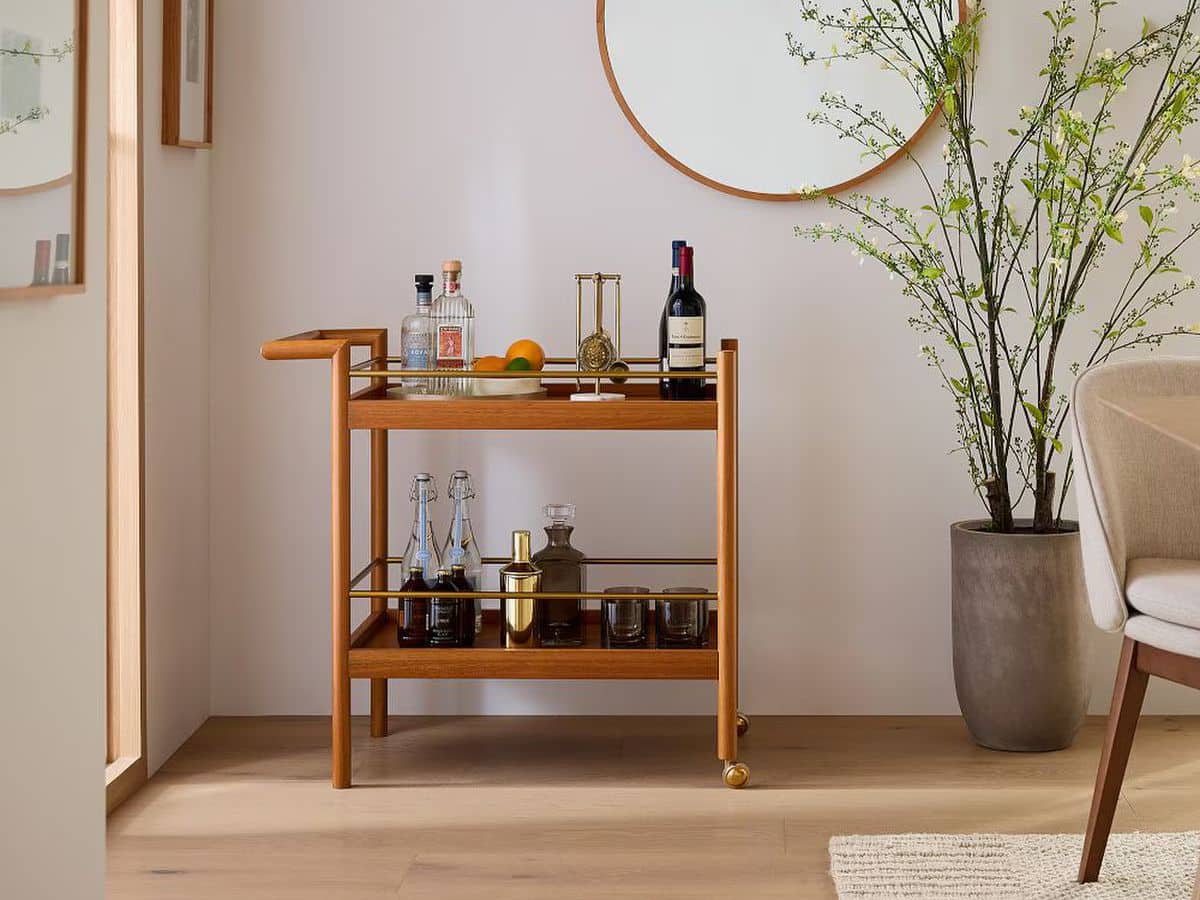
Despite the influx of technology, the modern home bar remains anchored by physical design. The West Elm Mid-Century Bar Cart serves as a primary example of how contemporary furniture manufacturers are balancing heritage aesthetics with modern ethical standards. Constructed from Forest Stewardship Council (FSC)-certified eucalyptus wood, the unit reflects a growing demand for sustainable luxury.
The use of FSC-certified materials is not merely a stylistic choice but a response to global regulatory shifts regarding timber sourcing. In the context of 2026 design, the "acorn" finish and antique brass hardware of such pieces provide a necessary tactile warmth that offsets the clinical nature of high-tech appliances. Analysts suggest that the "portable bar" segment has seen a 15% year-over-year increase in urban markets, where space constraints necessitate multifunctional, mobile furniture solutions.

Climate Precision and the Science of Preservation
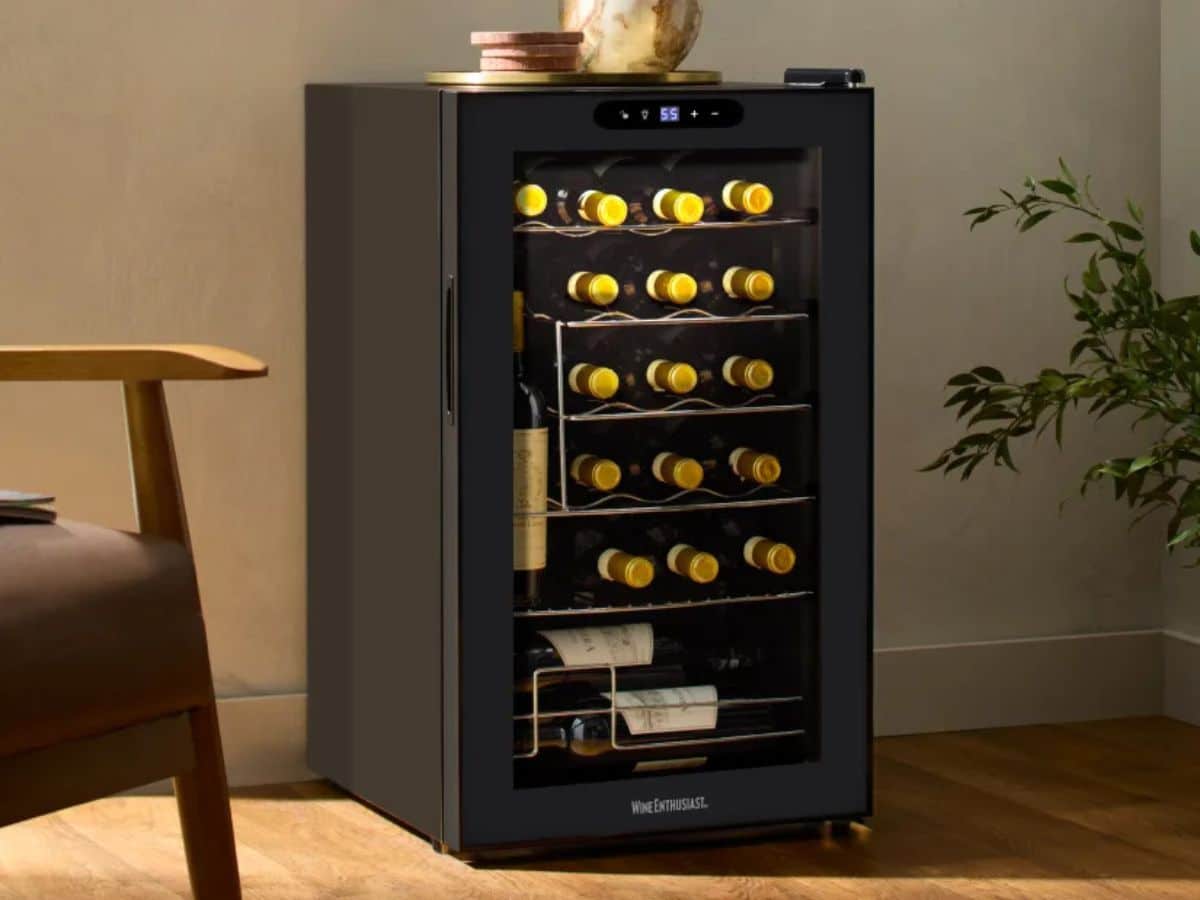
For the modern collector, storage has moved beyond the shelf to the laboratory. The Wine Enthusiast 32-Bottle Dual Zone MAX represents the current standard in domestic viticulture management. Unlike traditional refrigerators, which can fluctuate in temperature and humidity, modern dual-zone coolers utilize advanced compressor technology to maintain specific micro-climates.
Data from the International Organisation of Vine and Wine (OIV) suggests that improper storage is the leading cause of premature wine degradation. The integration of multi-tiered temperature zones allows for the simultaneous storage of red wines (typically 15-18°C) and white wines or champagnes (typically 7-12°C). Furthermore, the transition to digital touchscreen interfaces and UV-protected glass indicates a move toward "preventative maintenance" in home bars, ensuring that high-value investments are protected from thermal shock and light strike.
Molecular Innovation: The Sonic Decanter and Ultrasonic Aging
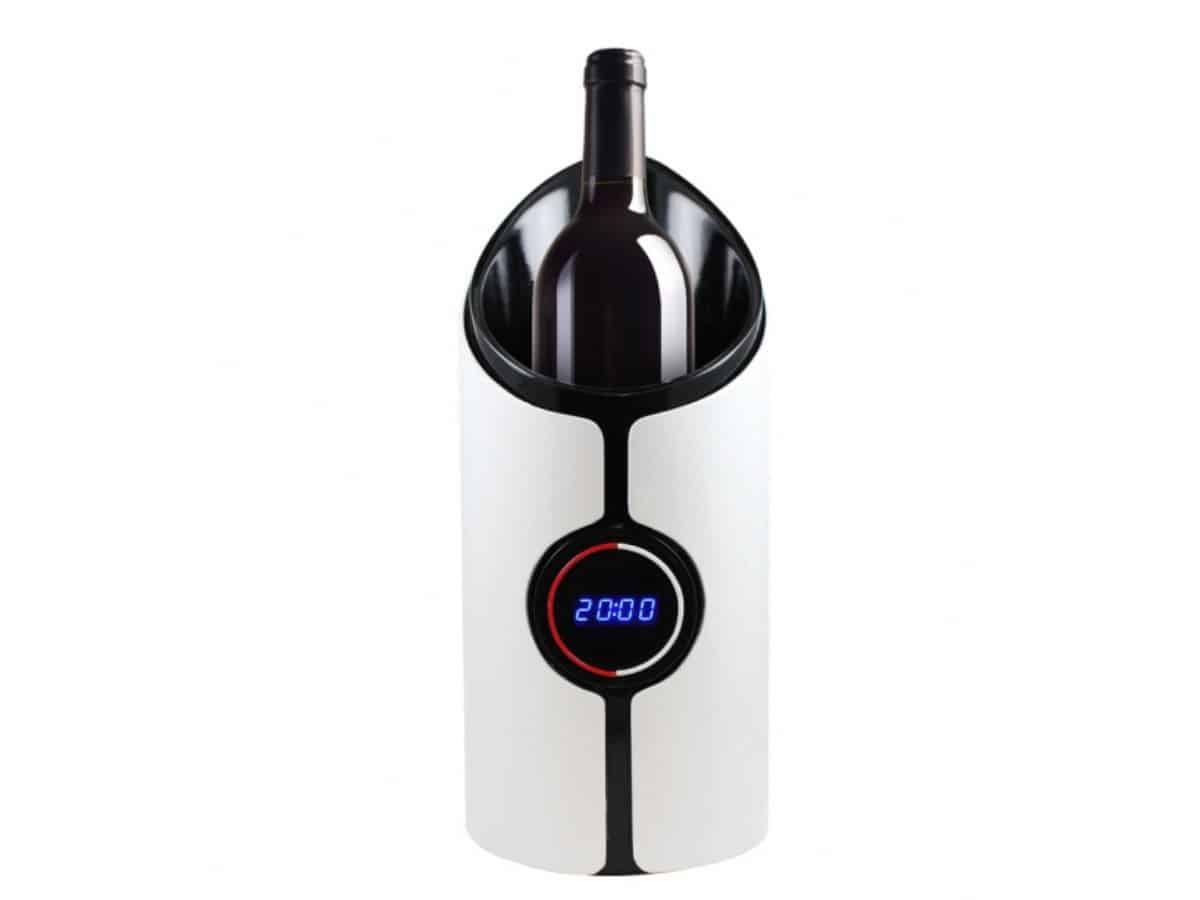
Perhaps the most controversial and technologically ambitious addition to the 2026 bar is the Sonic Decanter. Originally emerging from a successful Kickstarter campaign nearly a decade ago, the device has recently gained mainstream traction. The unit utilizes ultrasonic waves—frequencies above the range of human hearing—to alter the molecular structure of wine.
Proponents of the technology claim that these waves break down tannins and reduce pH levels, effectively "aging" a young wine in twenty minutes. While traditionalists in the sommelier community remain skeptical, chemical analysis suggests that ultrasound can accelerate the release of aromatic compounds. This represents a broader trend in "molecular mixology" where physics is applied to traditional beverage service to enhance the sensory experience without the need for decades of cellar aging.
The Digital Pour: IoT Integration and Precision Mixology
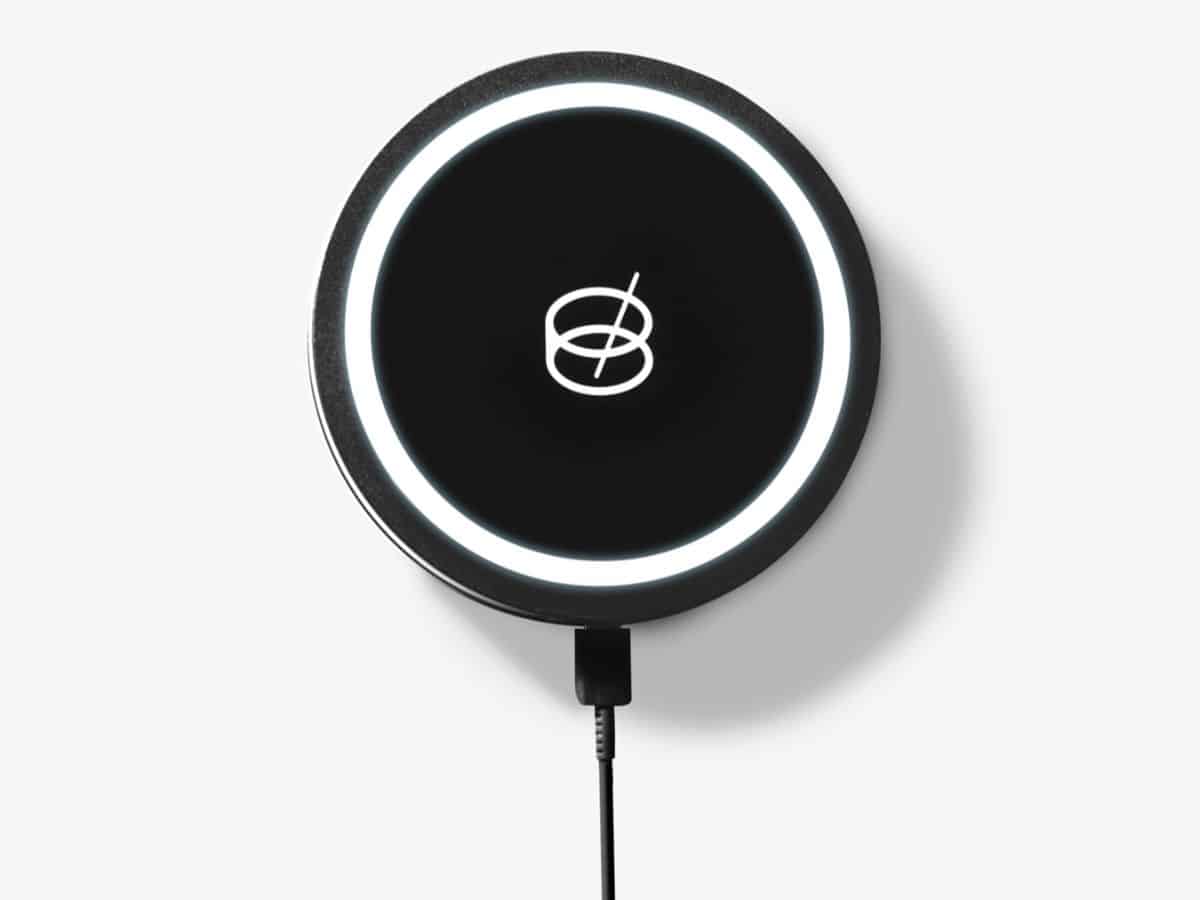
The introduction of the Barsys Smart Coaster 2.0 has addressed the "skill gap" in home bartending. By syncing with a cloud-based recipe database via Bluetooth, the device uses precision load cells to measure liquid weight in real-time. This eliminates the need for manual jiggers and reduces human error in complex multi-ingredient cocktails.
The Barsys ecosystem now includes over 2,000 recipes, reflecting the "platformization" of the home bar. Users no longer follow printed books; they follow LED-guided prompts. This shift toward "ambient guidance" allows hosts to focus on social interaction rather than measuring milliliters. Market research from 2025 indicates that 40% of millennial consumers prefer smart-assisted appliances for entertaining, citing consistency as the primary motivator.
Specialized Appliances: The Rise of "Nugget Ice" and Self-Cleaning Tech
The ecozy Smart Nugget Ice Maker highlights a specific consumer obsession: the texture of ice. "Nugget ice," characterized by its porous, chewable quality, was once exclusive to high-end commercial establishments. The miniaturization of this technology for the home bar involves complex freezing and scraping mechanisms that were previously too bulky for residential use.
Modern units in 2026 are defined by three key features:
- App Integration: Users can schedule ice production cycles via Alexa or Google Assistant.
- Resource Efficiency: Closed-loop water systems ensure that melted ice is filtered and refrozen.
- Automated Hygiene: Self-cleaning functions use UV sterilization to prevent the buildup of mineral scale and bacteria, a common failure point in older ice-making technology.
Sensory Environments: Atmospheric Lighting and Acoustic Calibration
A modern bar is incomplete without the "theatre" of service. The Kyoto Intelligent Floor Lamp and the Klipsch Flexus Core 300 Soundbar represent the shift toward sensory-synchronized environments. The Kyoto lamp, capable of producing 1,300 lumens across millions of color combinations, allows the user to shift the "vibe" of a room from a bright lounge to a dimly lit speakeasy via a smartphone.
Simultaneously, the Klipsch soundbar utilizes Dirac Live technology—a sophisticated room-correction software. Dirac Live uses a microphone to scan the acoustic properties of a room, correcting for reflections and bass build-up caused by furniture and walls. This level of acoustic calibration ensures that the "soundscape" of the home bar is as curated as the drink menu, allowing for clear conversation even at higher volumes.
The Artificial Intelligence Frontier: The AI Bartender
The most significant technological leap in 2026 is the emergence of devices like the BreakReal R1 AI Bartender. Moving beyond simple automation, these devices utilize Large Language Models (LLMs) to act as conversational interfaces. A user can describe their mood or a flavor profile they enjoy, and the AI will generate a bespoke recipe from its internal reservoirs.
The BreakReal R1 is capable of crafting over 500 cocktails, but its true value lies in its "predictive mixology." By analyzing past preferences, the device can suggest drinks based on the time of day, the weather, or even the guest’s previous choices. This represents the ultimate integration of AI in the home—where the machine moves from being a tool to being a collaborator in the hosting process.
Broader Impact and Industry Implications
The professionalization of the home bar has significant implications for the hospitality industry. As the "at-home" experience begins to rival the quality and atmosphere of high-end commercial bars, public venues are being forced to innovate further to remain competitive. Furthermore, the data generated by smart bar devices—what people are drinking, at what time, and in what quantities—is becoming a goldmine for spirits brands looking to understand consumer behavior in real-time.
However, this technological surge also raises questions regarding "digital obsolescence." As home bar tools become more reliant on software and cloud connectivity, the longevity of these investments depends on continued manufacturer support. Industry analysts warn that while a 1950s shaker remains functional for a century, a 2026 AI bartender may require frequent firmware updates to remain operational.
Ultimately, the 2026 home bar is a testament to the human desire for ritual, enhanced by the precision of the digital age. By combining sustainable furniture like the West Elm cart with the high-octane intelligence of AI-driven tools, the modern host can create an environment that is both timeless in its hospitality and futuristic in its execution. The home bar has officially transitioned from a luxury to a highly engineered sanctuary for social connection.


 Jia Lissa
 Yuyun Lusiyani
 Joko Widodo
 Eva Lovia

 Pevita Pearce