
 Lina Irawan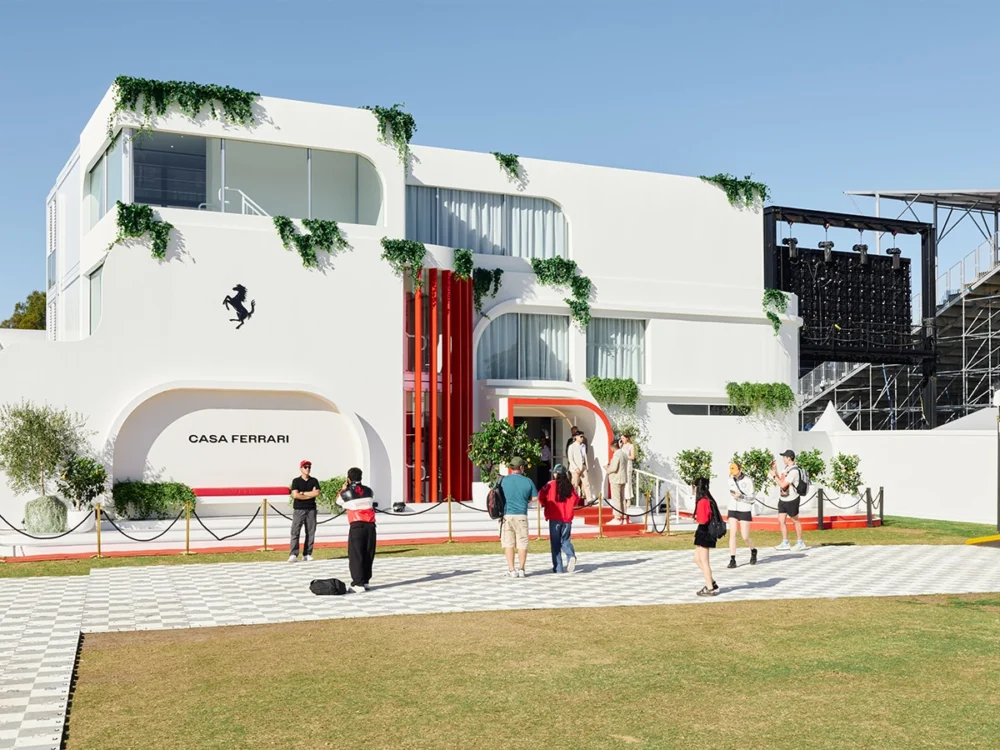
The 2026 Formula 1 season arrived in Melbourne under a cloud of immense technical anticipation, marked by the most significant regulatory overhaul in the sport’s modern era. As the Albert Park Circuit played host to the Australian Grand Prix, the conversation was dominated by the debut of advanced power units—utilizing a 50/50 split between internal combustion and electric power—and the introduction of active aerodynamics. However, for the record-breaking crowds in attendance, the technical complexities of the cars were momentarily eclipsed by a dramatic turn of events involving local hero Oscar Piastri. The McLaren driver’s race ended prematurely following a crash on the formation lap, an incident that resonated throughout the grandstands and hospitality suites alike, setting a somber tone for the local faithful while underscoring the high-stakes nature of the new 2026 machinery.
Despite the on-track volatility, the off-track experience reached new heights of luxury and logistical sophistication. The Australian Grand Prix Corporation (AGPC) has increasingly pivoted toward a lifestyle-centric model, blending elite motorsport with high-end culinary arts, fashion, and corporate networking. This shift was evident in the 2026 hospitality lineup, which saw a diversification of offerings catering to a demographic that includes traditional racing enthusiasts, corporate executives, and a burgeoning class of international digital content creators.
The 2026 Regulatory Context and Race Dynamics
The 2026 Australian Grand Prix served as a critical litmus test for the FIA’s new technical regulations. With the mandate for 100% sustainable fuels and a heavy emphasis on electrical energy recovery, the "soundscape" of the race changed, though the intensity of the competition remained high. The Albert Park Circuit, known for its high-speed flow and unforgiving barriers, proved particularly challenging for drivers navigating the increased torque and revised aero-balance of the 2026 cars.
The Piastri incident at Turn 4 became the defining narrative of the weekend for many. Positioned at the end of the main straight, the Piastri Grandstand witnessed the "life get sucked out" of the venue as the home favorite hit the wall before the lights even went green. For those positioned in the luxury suites, the crash was observed through high-definition monitors and from vantage points that offered a stark contrast between the chaos of the track and the refinement of the hospitality environments.
The Hierarchy of Hospitality: A Categorical Breakdown
The 2026 event saw a strategic rebranding and expansion of the circuit’s most exclusive zones. The transition of the traditional "Paddock Club" into the "Melbourne Podium Club" signaled a move toward a more integrated fan-and-corporate experience, providing unprecedented access to the inner workings of the pit lane.

1. The Melbourne Podium Club: The Corporate Epicenter
Located directly above the F1 team garages, the Melbourne Podium Club remains the gold standard for trackside access. With single-day passes starting at AUD$925, it provides a tiered entry point for fans seeking a premium experience. The facility serves as the primary hub for major manufacturers, including Ferrari, Audi, and the newly entered Cadillac.
The primary draw of the Podium Club is its proximity to the technical heart of the race. Ticket holders are granted access to the Pit Lane walk, a highly regulated window where spectators can observe the precision of the mechanics. The rooftop deck offers a panoramic view of the main straight, though analysts note that the density of the crowd during qualifying and the race start necessitates early arrival for optimal viewing. While the Podium Club is the most prestigious in terms of access, it is often viewed as a networking environment rather than a pure spectator’s vantage point.
2. Casa Ferrari: Exclusive Brand Heritage
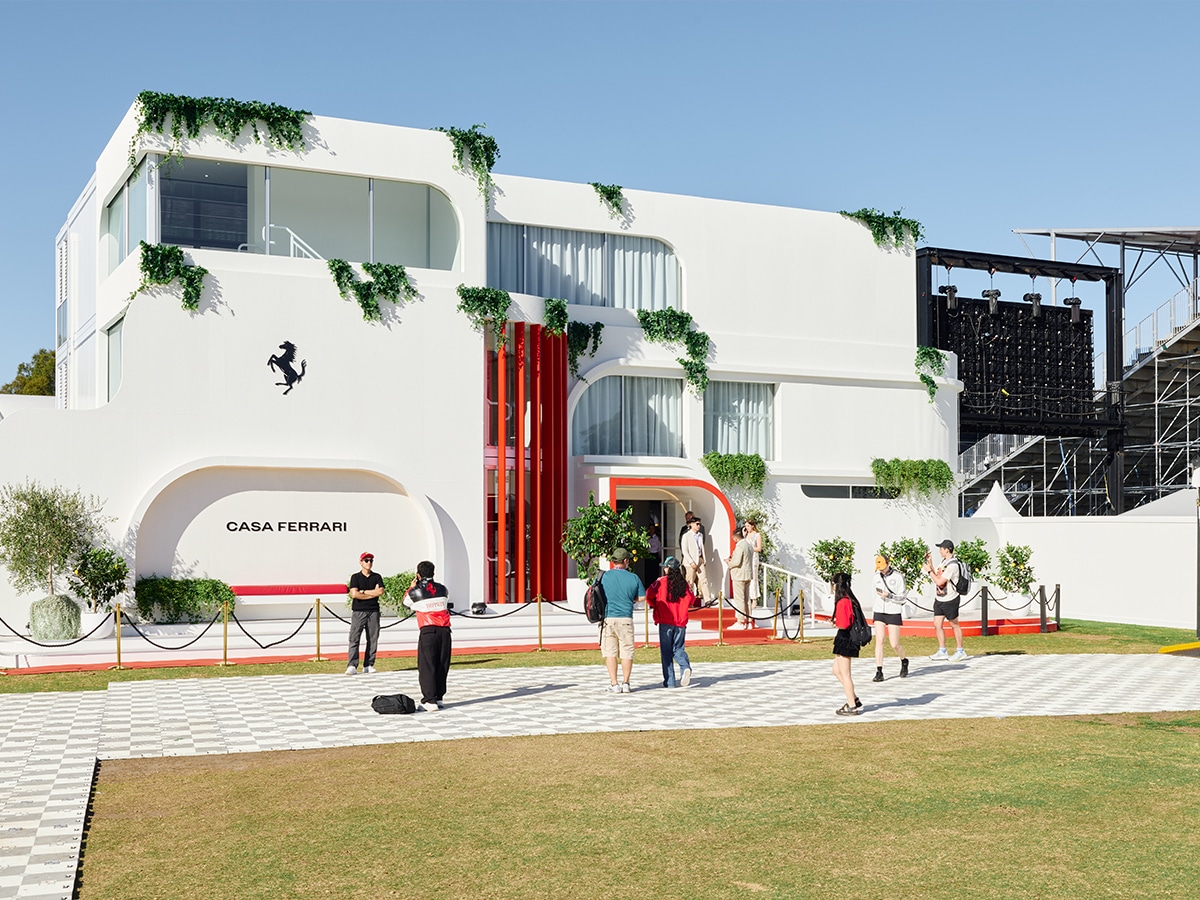
Ferrari’s hospitality remains the most elusive and expensive at Albert Park. Priced at approximately AUD$12,000 for a three-day pass and restricted to invitation-only guests via Ferrari retailers, Casa Ferrari represents the pinnacle of brand-integrated hospitality.
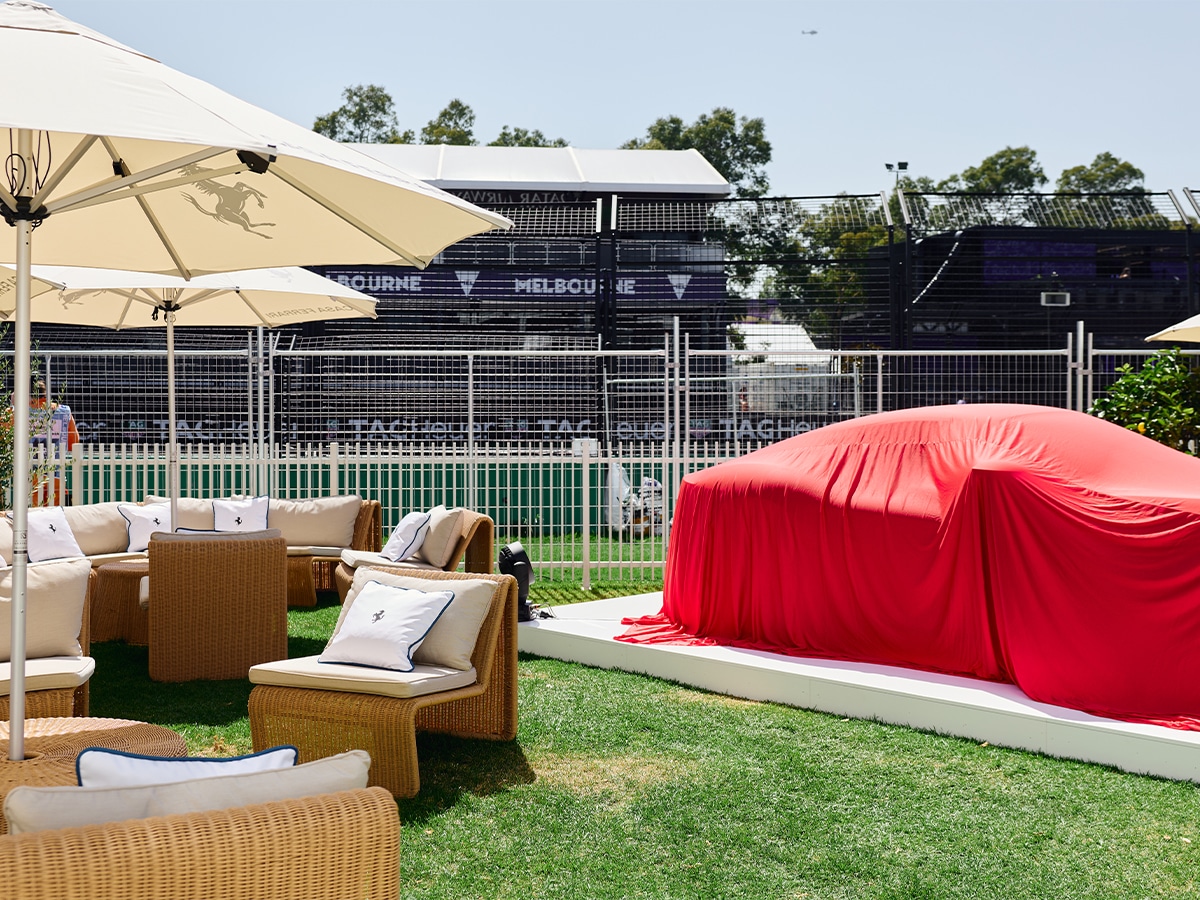
Positioned on the main straight, the suite emphasizes the Italian heritage of the Scuderia. The 2026 iteration featured a culinary program centered on authentic Italian cuisine, including fresh pizza and pasta, complemented by a selection of premium Italian beverages. For the "Tifosi" in attendance, the experience culminated in the celebration of Charles Leclerc’s podium finish. The suite’s design, featuring bespoke Ferrari-branded furnishings, reinforces the brand’s status as a luxury icon beyond the confines of the racetrack.
3. Porsche Pavilion: The Spectator’s Choice
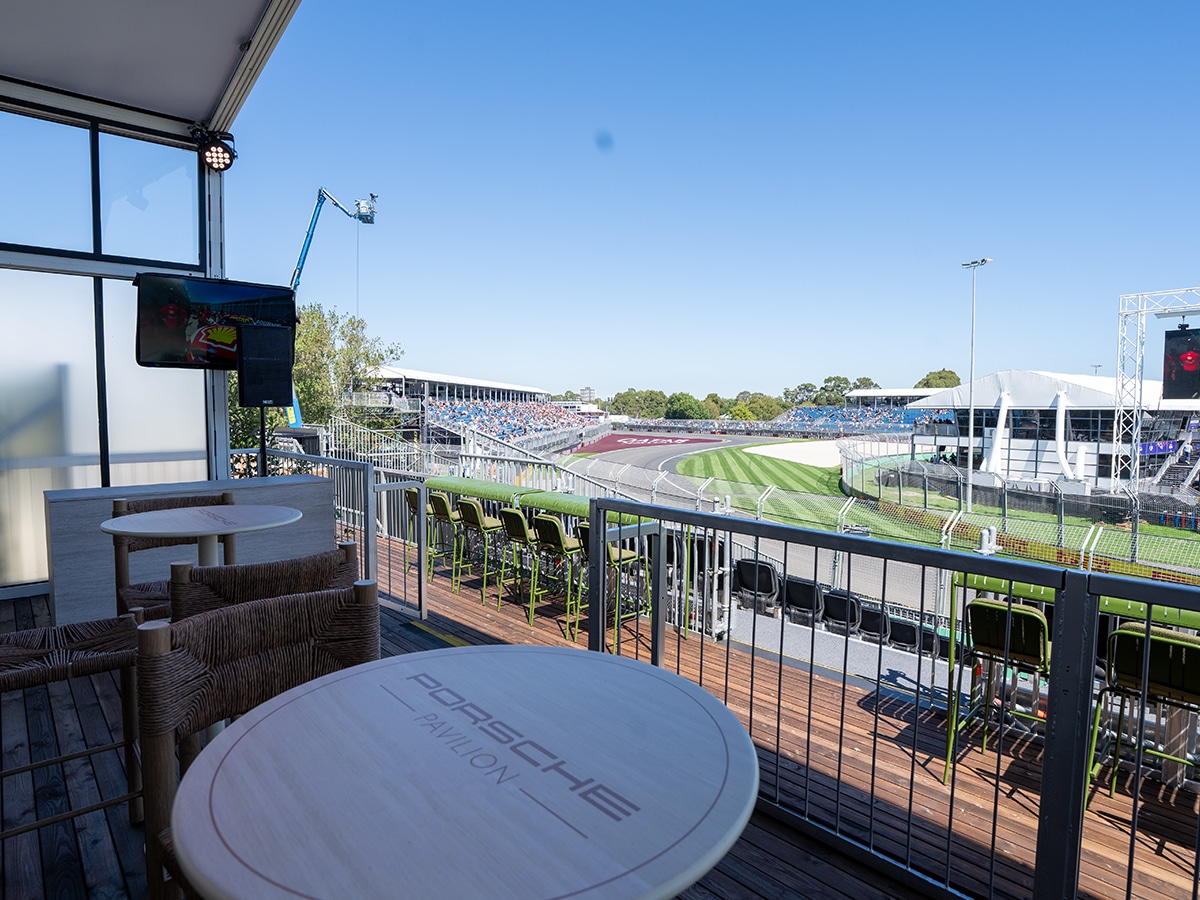
For enthusiasts focused on the mechanics of racing, the Porsche Pavilion at Turn 2 is widely regarded as the premier vantage point. Priced at AUD$9,970 for a three-day pass, it offers an uninterrupted view of the circuit’s opening corners—zones notorious for high-speed overtakes and frequent collisions.
The pavilion is a multi-level, custom-built structure that includes a private grandstand and lounge seating. In 2026, Porsche utilized the space to showcase its latest automotive achievements, including the 2026 Porsche 911 Turbo S and the Cayenne Turbo Electric. This integration of product display with live racing creates a unique marketing ecosystem, appealing to both current owners and brand aspirants.
4. Audi Trackside Suite: The New Contender
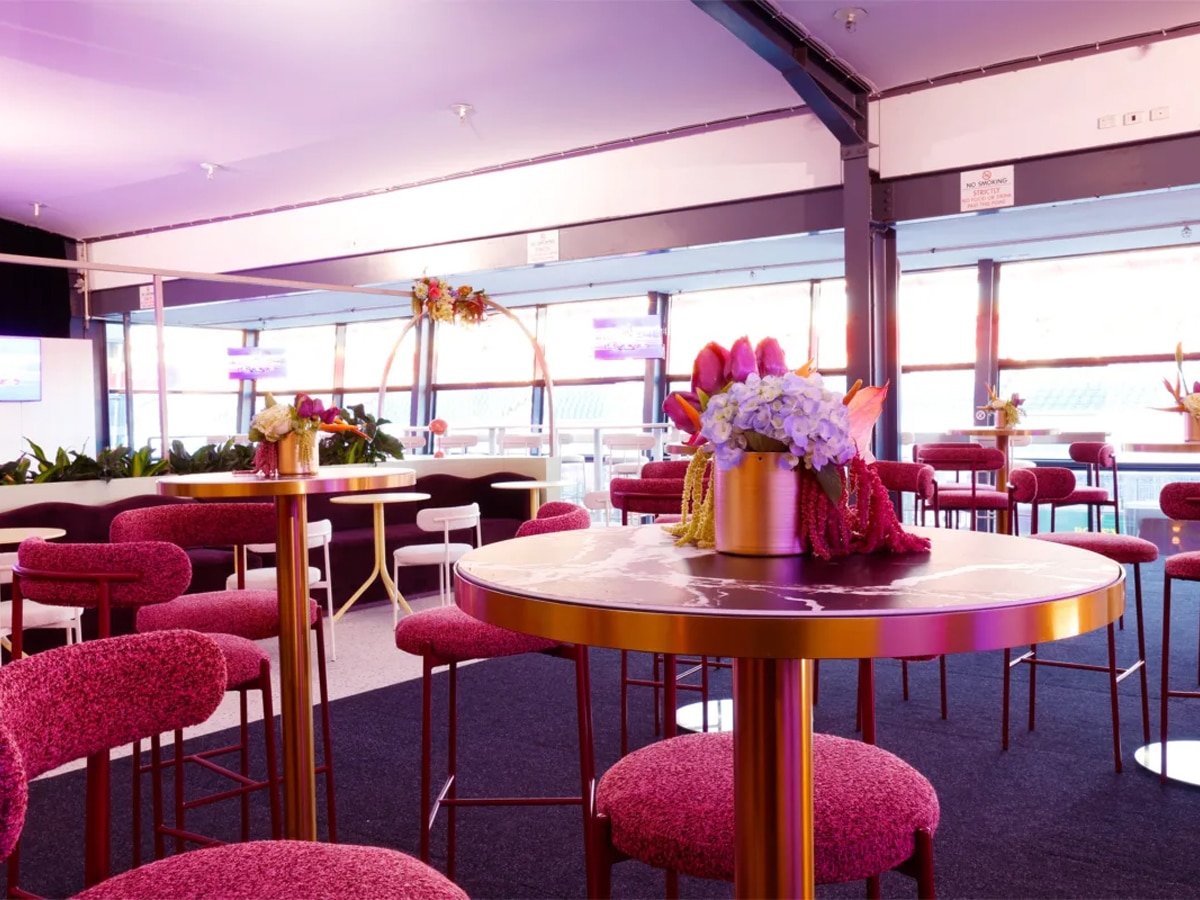
With Audi’s increased involvement in Formula 1 for the 2026 season, their trackside hospitality saw a significant expansion. The Audi Trackside Suite, located along the main straight, was a three-story venue designed to accommodate a high volume of guests while maintaining a premium feel.
Priced at AUD$8,490, the suite featured a menu designed by celebrated chef and Audi ambassador Guillaume Brahimi. The emphasis on high-end catering and "barista-made" coffee reflects a broader trend in F1 hospitality where the culinary experience is as vital as the sporting event. The suite’s capacity and amenities made it a "sell-out success" for 2026, suggesting that Audi is successfully carving out a significant presence in the Australian market.
5. Mercedes-AMG Lounge: High-Speed Precision
Located at Turns 9 and 10—the fastest corners on the Albert Park Circuit—the Mercedes-AMG Lounge provides a sensory experience of the cars’ aerodynamic capabilities. Access is strictly controlled via a Unique Customer ID (UCID), making it a dedicated space for the Mercedes-AMG community.
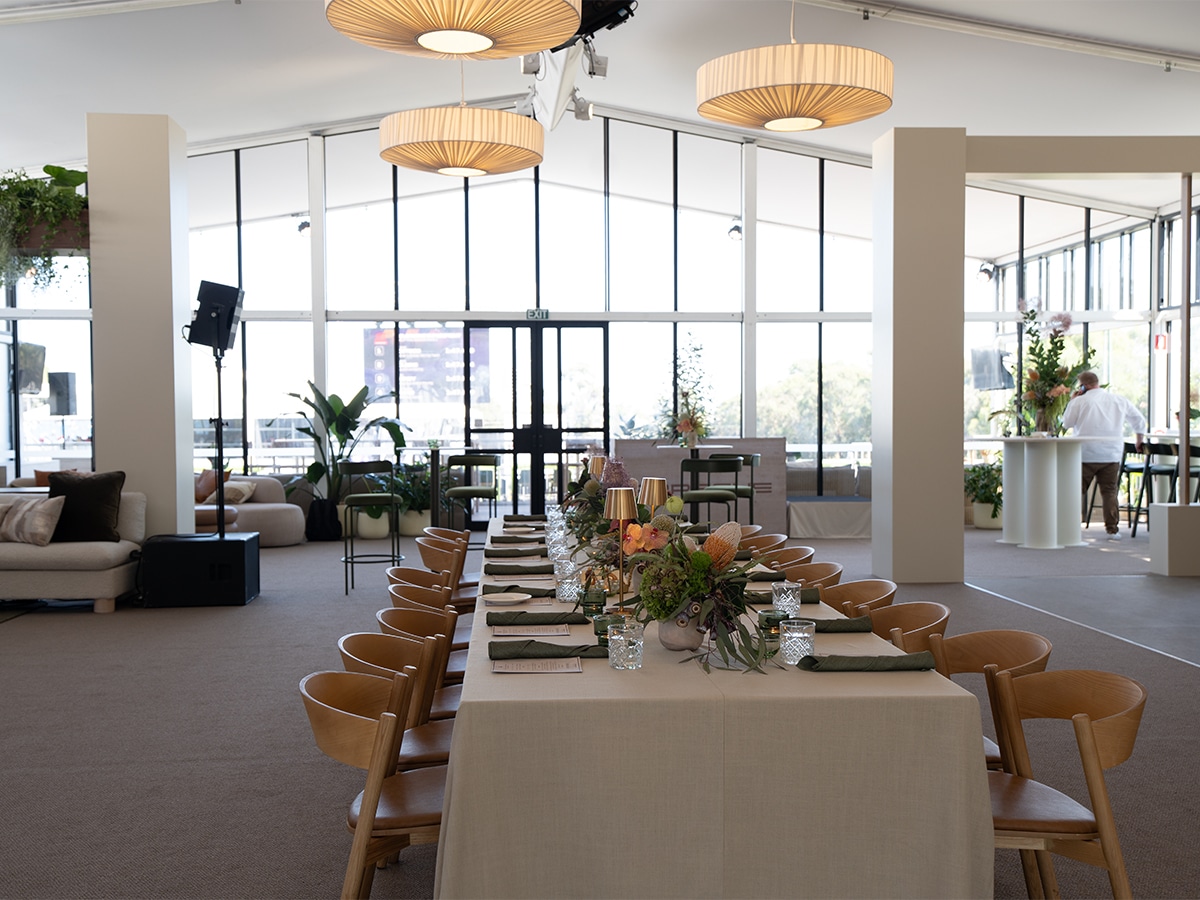
The lounge offers a combination of indoor luxury and outdoor grandstand viewing. Prices for the 2026 event ranged from AUD$1,200 for a single day to AUD$4,750 for the weekend. The proximity to the "super screen" ensures that guests can track the race progress in other sectors while witnessing the high-G-force maneuvers in front of the suite.
6. The Laneway: Melbourne’s Urban Influence
A relatively new addition to the circuit’s hospitality portfolio, The Laneway is designed to reflect Melbourne’s famed urban culture. Priced at AUD$5,995 for a three-day pass, it is positioned as a mid-tier option that appeals to a younger, lifestyle-oriented audience.
Located across from the pit exit, The Laneway offers a unique perspective on the cars as they rejoin the track. However, logistical analysts point out that some views are obstructed by the circuit’s footbridge, and the "capacity event" status of the suite can lead to crowding during peak race hours.
Economic Impact and Marketing Evolution
The 2026 Australian Grand Prix highlights a significant shift in how Formula 1 events are marketed. The presence of hundreds of "content creators" alongside CEOs and CMOs underscores the sport’s transition into a global entertainment property. By inviting influencers from the fashion and beauty sectors, the AGPC and team sponsors are reaching demographics that were previously untapped by traditional motorsport marketing.
Data from the 2026 event suggests that hospitality revenue continues to be a primary driver for the Grand Prix’s economic success. With ticket prices for premium suites ranging from $925 to $12,000, the "spend-per-head" has increased significantly compared to the 2022-2025 cycle. This influx of capital supports the circuit’s infrastructure and the high costs associated with hosting a world-class event under new technical regulations.
Culinary Integration and Brand Identity
A notable feature of the 2026 hospitality suites was the move away from standardized corporate catering toward bespoke culinary experiences. The involvement of celebrity chefs like Guillaume Brahimi and the emphasis on "bottomless Italian cocktails" at Casa Ferrari indicate that the Grand Prix is now competing with Melbourne’s elite dining scene. For many corporate partners, the quality of the food and beverage service is a critical metric for the success of their hospitality investment.
Conclusion: The Future of the Australian Grand Prix
The 2026 Australian Grand Prix successfully navigated a period of immense change for Formula 1. While the local tragedy of Oscar Piastri’s early exit was a blow to the sporting narrative, the robustness of the hospitality sector provided a buffer for the event’s commercial success. The diversity of the suites—ranging from the high-speed vantage points of the Mercedes-AMG Lounge to the urban chic of The Laneway—ensures that the event remains accessible to various segments of the market.
As Formula 1 continues to evolve under its new technical and environmental mandates, the Australian Grand Prix at Albert Park stands as a blueprint for how a temporary street circuit can provide a permanent, high-luxury experience. The 2026 event confirmed that while the cars on the track are the primary draw, the world-class hospitality surrounding the circuit is what cements Melbourne’s position as a crown jewel in the international racing calendar. For 2027 and beyond, the challenge for organizers will be to balance the increasing demand for exclusivity with the need to maintain the "fan-first" atmosphere that has long defined the Melbourne race.

 Jia Lissa
 Yuyun Lusiyani
 Joko Widodo
 Eva Lovia

 Pevita Pearce