
 Amara Maple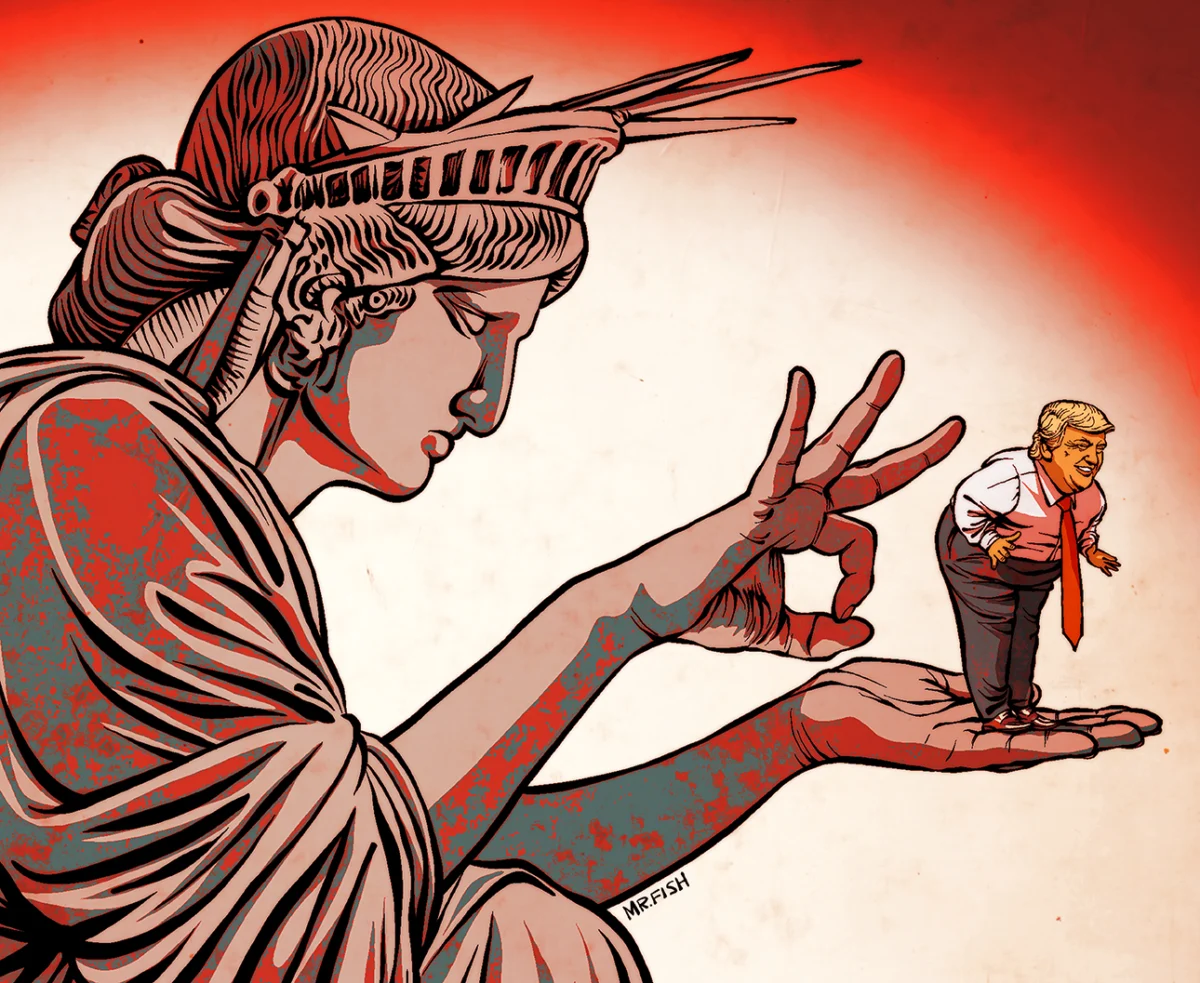
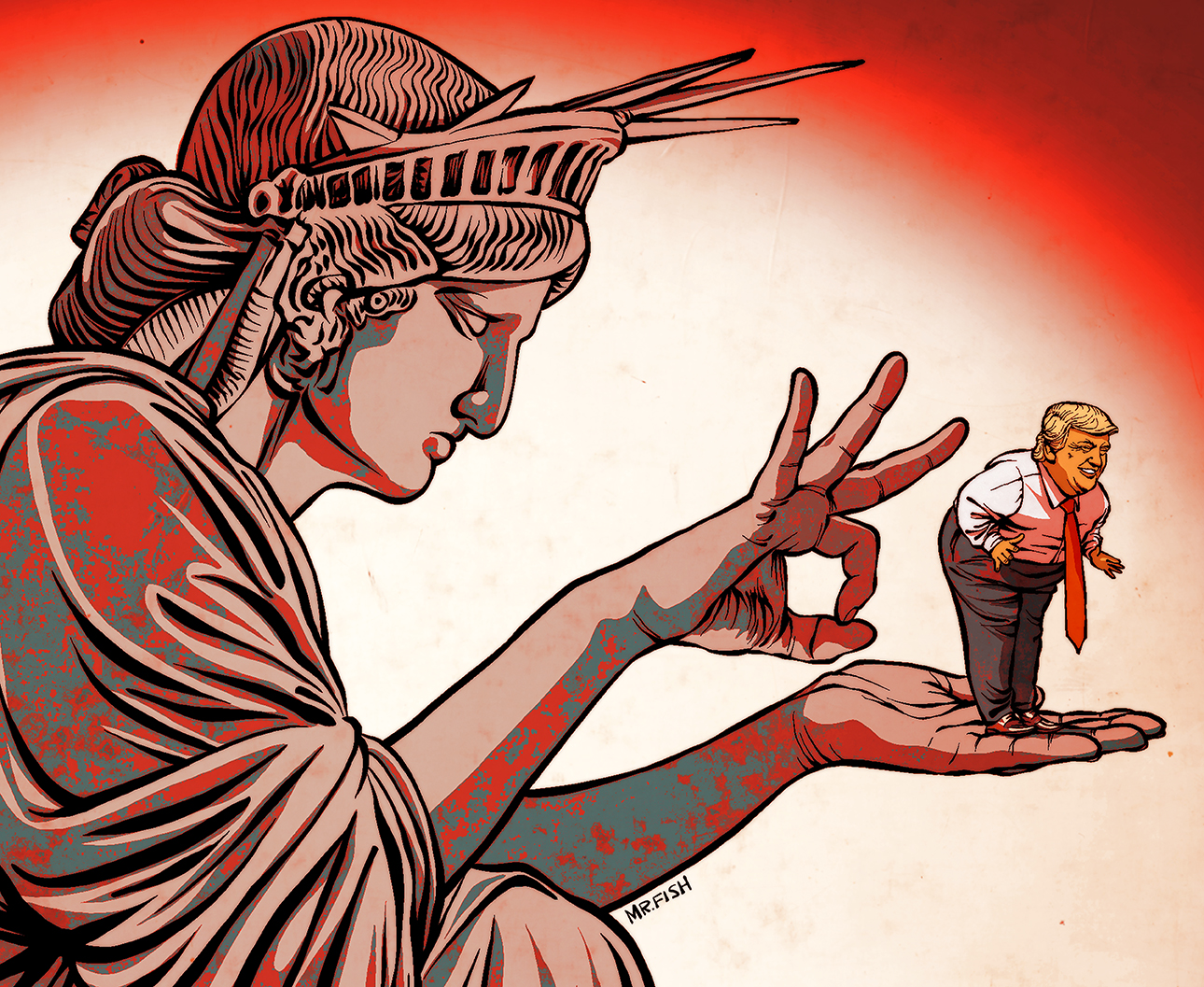
Washington, D.C. – Esteemed consumer advocate Ralph Nader and renowned constitutional lawyer and scholar Bruce Fein are set to convene the second in a series of pivotal symposia, focusing on the compelling necessity of impeaching and removing President Donald Trump. This high-profile event, scheduled for July 22, 2026, will gather a distinguished array of legal experts, political figures, and policy analysts at the Senate Visitors Center, Room 201-00, in Washington, D.C., to dissect the constitutional, legal, and ethical grounds for such actions.
The symposium aims to delve into a comprehensive spectrum of alleged presidential misconduct, ranging from criminal wars of aggression and abuses of power to corruption, executive overreach, and attacks on democratic institutions. It serves as a crucial platform for exploring strategies to uphold the rule of law and address concerns about potential dictatorial ambitions, emphasizing the critical role of constitutional checks and balances.
Convening a Critical Dialogue: The Organizers’ Vision
Ralph Nader, a towering figure in American public life for over six decades, is widely recognized for his pioneering work in consumer protection, corporate accountability, and government transparency. His activism has profoundly shaped environmental, health, and safety regulations. Bruce Fein, a constitutional lawyer and former Associate Deputy Attorney General under President Ronald Reagan, is a respected scholar known for his unyielding defense of constitutional principles and his incisive critiques of executive power. Both Nader and Fein have consistently advocated for robust government accountability and have been vocal critics of perceived executive abuses, making them potent forces behind this series of symposia.
Their collaboration on this "watershed" series underscores a shared conviction regarding the profound threats they believe certain presidential actions pose to the fabric of American democracy. The inaugural symposium likely laid the groundwork, and this second installment is poised to deepen the analysis and galvanize a broader discussion on the mechanisms available to ensure presidential adherence to the Constitution and statutory law. The use of the term "urgency" highlights their belief that the issues at stake transcend ordinary political debate and touch upon foundational principles of governance.
A Deep Dive into Allegations and Constitutional Breaches
The event’s agenda is meticulously structured to address a wide array of specific allegations and concerns. These include:
- Criminal Wars of Aggression: This point targets presidential actions perceived as initiating military conflicts without proper congressional authorization, potentially violating international law and the U.S. Constitution’s allocation of war powers. The discussion will likely explore historical precedents and the constitutional framework governing the use of military force.
- Murder, Piracy, and Kidnapping: While severe, these charges would likely refer to specific instances where executive orders or covert operations might be interpreted as violating domestic or international law concerning individual rights and state sovereignty.
- Bribery, Extortion, and Auctioning Off Pardons: These are grave allegations of corruption, suggesting the use of presidential power for personal gain or political favors. Discussions would inevitably touch upon ethics in government, the abuse of the pardon power, and the potential for federal crimes committed in office.
- Refusing to Faithfully Execute the Laws: This directly implicates the President’s constitutional duty under the "Take Care" Clause, which mandates that the President "shall take Care that the Laws be faithfully executed." Experts would analyze instances where the executive branch allegedly neglected or actively undermined the enforcement of established laws.
- Abusing Prosecutorial Discretion: The symposium will address concerns about the alleged weaponization of the Department of Justice and other enforcement agencies to reward political allies or donors and to harass political opponents, thereby undermining the impartial application of justice.
- Employing Government Power to Punish or Silence Critics: This focuses on alleged efforts to use federal agencies or influence to retaliate against journalists, whistleblowers, or political adversaries, raising serious First Amendment and democratic freedom concerns.
- Ruling by Decree Through Bogus Declarations of National Emergencies: This point critiques the alleged overreliance on executive orders and the potentially unconstitutional use of "national emergency" declarations to bypass legislative processes and expand presidential authority.
- Racist, Xenophobic Attacks on Immigrants: This refers to rhetoric and policies targeting immigrant communities, raising questions about human rights, civil liberties, and the foundational values of equality and non-discrimination.
- Decapitating Consumer Welfare, Health, Safety, and Environmental Agencies: This addresses concerns about deregulation efforts that allegedly weaken federal protections in critical areas, potentially endangering public health, safety, and environmental integrity for corporate interests.
Each of these points represents a significant area of constitutional and legal contention, forming the bedrock of the organizers’ argument for the necessity of presidential accountability, up to and including impeachment and removal.
Strategies for Upholding Constitutional Governance
Beyond merely outlining grievances, the symposium is designed to explore tangible strategies for "defeating President Trump’s dictatorial ambitions." These strategies are multifaceted, recognizing that accountability can come through various channels:
- State Authorities: This refers to the potential for state-level legal actions, investigations, or civil suits that could address aspects of alleged misconduct not exclusively under federal jurisdiction or that persist even after a president leaves office. State attorneys general or local prosecutors might pursue charges related to actions taken within their states.
- Law Professors and Academia: The involvement of leading legal scholars signifies a focus on developing robust constitutional arguments and legal frameworks. Academia plays a vital role in intellectual discourse, shaping legal interpretations, and educating the public and future legal professionals on constitutional principles. Their contributions can provide the intellectual ammunition for impeachment efforts.
- Support for House Resolution 1155: While the specifics of House Resolution 1155 are not detailed, in the context of an impeachment symposium, it would logically refer to a conceptual or proposed legislative vehicle designed to outline specific articles of impeachment. Such a resolution would articulate the constitutional grounds and specific charges against a president, initiating the formal impeachment process in the House of Representatives. This highlights the legislative pathway for accountability, emphasizing that ultimately, Congress holds the power of impeachment.
Distinguished Speakers and Their Contributions
The symposium boasts an impressive roster of speakers, each bringing unique expertise and perspectives to the complex issues at hand:
- Ralph Nader: Delivering the opening remarks, Nader will likely set the stage by articulating the overarching themes of accountability, democratic integrity, and the constitutional imperative for addressing presidential misconduct.
- Congressman Steve Cohen (D-Tennessee): A prominent voice in the House Judiciary Committee, Congressman Cohen was actively involved in both previous impeachment proceedings against Donald Trump. His participation offers an invaluable legislative perspective on the practicalities and political realities of impeachment.
- Richard Painter: As the Chief White House ethics lawyer under George W. Bush, Painter brings a deep understanding of executive branch ethics, conflicts of interest, and the mechanisms designed to prevent corruption within the highest levels of government. His insights into ethical breaches will be crucial.
- Erwin Chemerinsky: The Dean of UC Berkeley Law School and a preeminent constitutional scholar, Chemerinsky’s expertise in constitutional law, presidential powers, and the impeachment process will provide critical legal analysis and historical context.
- Celinda Lake: As President of Lake Research Partners, a leading Democratic polling firm, Lake will likely offer insights into public opinion dynamics surrounding presidential accountability, impeachment, and the political viability of such actions.
- Michael J. Gerhardt: Recognized as a pre-eminent scholar on impeachment and the Constitution, Gerhardt has frequently testified before Congress on impeachment matters. His academic authority will lend significant weight to the constitutional arguments presented.
- Suparna Reddy: As Senior Counsel for Free Speech For People, Reddy’s contributions will likely focus on the role of money in politics, executive overreach, and the protection of democratic processes from undue influence or authoritarian tendencies.
- William D. Hartung: A Senior Research Fellow at the Quincy Institute for Responsible Statecraft, Hartung’s expertise in foreign policy and military spending will be particularly relevant to discussions on "criminal wars of aggression" and the constitutional limits on presidential war powers.
- Mark Green: A former New York City Public Advocate, Green brings a background in public advocacy and policy, offering a perspective on how alleged presidential misconduct impacts citizens and local governance.
- Congressman Al Green (D-Texas): Tentatively confirmed, Congressman Green has also been a vocal proponent of presidential accountability and participated in past impeachment efforts, further solidifying the legislative voice at the symposium.
Broader Implications and The Political Landscape of 2026
The scheduling of this symposium in July 2026 places it within a dynamic political landscape. Donald Trump’s past presidency (2017-2021) was marked by two impeachments, making him the only U.S. president to face such proceedings twice. The first impeachment in 2019 centered on abuse of power and obstruction of Congress related to his dealings with Ukraine, while the second in 2021 focused on incitement of insurrection following the January 6th Capitol attack. Though acquitted by the Senate in both instances, these events firmly established a precedent for vigorous congressional oversight and the willingness of some lawmakers to pursue impeachment.
By 2026, Trump could be a former president, a leading political figure, or even a candidate for future office. The symposium’s continued focus on "impeaching and removing" him, even if he were out of office, suggests a belief among organizers that accountability for past actions is crucial, and that the constitutional tools of impeachment and removal must be understood as both punitive and preventative measures against future abuses of power, should he ever return to a position of influence. This event signals an ongoing effort by certain segments of the legal and political establishment to ensure that presidential conduct, regardless of an individual’s current office, remains subject to the highest constitutional scrutiny.
The outcomes of such symposia, while not legally binding, significantly contribute to public discourse, shape legal arguments, and can influence political strategies. They serve to educate the public, galvanize activists, and provide intellectual frameworks for lawmakers considering future actions. In an era often characterized by political polarization, events like this underscore the enduring importance of constitutional principles and the rule of law as a bulwark against executive overreach. The sustained effort by figures like Nader and Fein indicates a deep-seated concern that the issues they address represent systemic threats to American democratic institutions.
Logistical Details for Attendees
The symposium will be held on July 22, 2026, from 11:00 a.m. to 3:00 p.m. in Room 201-00 of the Senate Visitors Center in Washington, D.C. Coffee will be available for attendees starting at 11:00 a.m., with lunch served at 12:15 p.m. The event is open to the public, but due to limited capacity and security protocols, attendees are required to register in advance. The deadline for responses is Monday, July 20, at 10:00 a.m. Interested individuals can sign up to attend via the provided Google Forms link: https://docs.google.com/forms/d/e/1FAIpQLSeU4rAImLtVDme6GgD6_hZS5ex-kpZ-lV_FmBa_LW1n7rmefQ/viewform. This public accessibility ensures that the critical discussions and proposed strategies reach a broad audience, fostering informed public engagement on matters of national importance.


 Yuyun Lusiyani
 Ana Megawati
 Joko Widodo
 Eva Lovia
 Jia Lissa
 Pevita Pearce