
 Eva Lovia
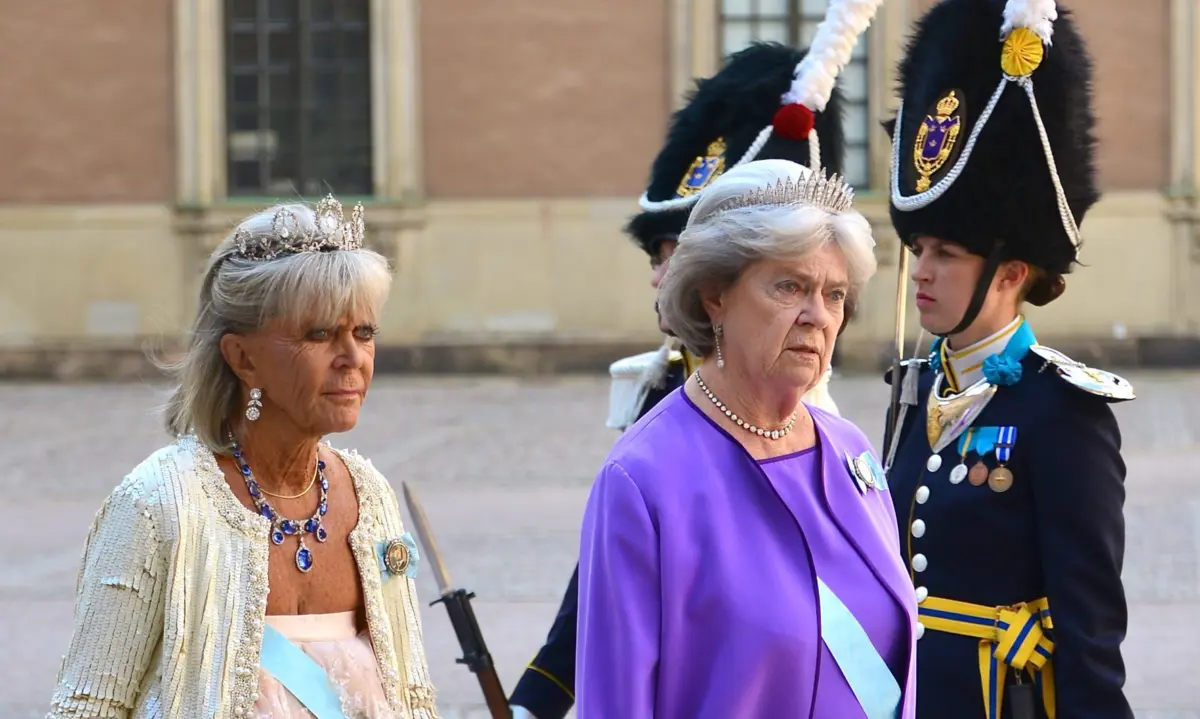
A royal expert has claimed that a king could consider bidding for an historic set of sapphires that once belonged to his mother after they appeared at auction. King Carl XVI Gustaf of Sweden is being talked about as a possible buyer of a demi parure of sapphires and diamonds that were once the property of his mother, Princess Sybilla. The gems appeared in the catalogue of a sale called Royal and Noble Jewels with Sotheby’s set to auction the gems in Geneva on November 11. The catalogue shows that the necklace and earrings belonged to Princess Birgitta, an older sister of King Carl Gustaf. Birgitta died last year.
A Legacy of Sapphires Surfaces for Auction
The upcoming Sotheby’s auction in Geneva, scheduled for November 11, presents a unique crossroads for the Swedish Royal Family. A significant demi parure – a set of jewelry comprising a necklace and earrings – once belonging to Princess Sybilla, the late mother of King Carl XVI Gustaf, has emerged as a star lot. This collection, steeped in royal history, is not only notable for its intrinsic value but also for its profound familial connection. The sapphires and diamonds, described as a “demi parure,” carry a rich provenance, tracing their ownership back through generations of European royalty.
Tracing the Sapphires’ Royal Lineage
The detailed provenance provided in the Sotheby’s catalogue illuminates the historical significance of these jewels. The necklace and earrings were inherited by Princess Birgitta, King Carl Gustaf’s elder sister, from their mother, Princess Sybilla. Princess Sybilla herself received this exquisite set as a wedding present in 1932 upon her marriage to Prince Gustaf Adolf. The donor was Ferdinand, the former Tsar of Bulgaria, a testament to the significant diplomatic and personal ties that existed between European royal houses. Further historical research suggests that these sapphires may have once graced the collection of Maria Feodorovna, the Tsarina of Russia, who was born Princess Dagmar of Denmark. This lineage connects the Swedish sapphires to the grandeur of the Russian Imperial family, adding another layer of historical weight to their potential sale.
The estimated value of this historic demi parure is substantial, with a six-figure price tag anticipated. This places it among the most valuable lots in the "Royal and Noble Jewels" auction. The inclusion of such a significant piece with direct royal ties invariably sparks interest not only from collectors but also from the families to whom these items hold sentimental and historical importance.
The King’s Stance and Potential Intervention
The prospect of these cherished family heirlooms entering the open market has prompted commentary from royal experts and Swedish media. Johan T. Lindwall, the editor-in-chief of Svensk Damtidning, a prominent Swedish royal magazine, has voiced his perspective on the situation. According to Lindwall, King Carl XVI Gustaf was reportedly unaware of the impending sale of his mother’s jewelry. He described the King as "so conservative that this goes against his values," suggesting that the act of selling such personal family artifacts at auction is antithetical to the King’s deeply held principles.
Lindwall further posited that it is "not out of the question" for King Carl Gustaf to consider purchasing the jewels himself. This potential intervention underscores the complex interplay between personal sentiment, historical preservation, and financial realities that often characterize the management of royal treasures. The King’s conservative nature, as described by Lindwall, implies a strong inclination towards maintaining family legacy and heritage, which could motivate him to reclaim these pieces of his mother’s history.

A Legacy of Jewels: The Swedish Royal Collection
The Swedish Royal Family possesses one of Europe’s most distinguished and historically significant jewelry collections. These pieces are often linked to some of the most prominent royal figures throughout history, including connections to Empress Josephine of France. The collection already boasts a notable set of sapphires, known as the Leuchtenberg sapphires, which are exclusively worn by the current Queen, Silvia. This existing collection highlights the family’s long-standing appreciation for precious stones and their historical resonance.
The sapphires now up for auction hold particular significance for Princess Birgitta, who was known to be fond of them. She was frequently photographed wearing the demi parure at various royal weddings, often pairing them with elaborate diamond tiaras. Her fondness for the jewels suggests they were more than mere adornments; they were likely pieces that held personal meaning and were integrated into her public and private life as a member of the Swedish aristocracy.
Broader Implications of the Auction
The emergence of Princess Sybilla’s sapphires at auction raises broader questions about the dispersal of royal assets and the management of familial legacies. While Princess Birgitta had the right to bequeath her possessions as she saw fit, the historical and emotional weight of these specific jewels may present a unique challenge for the Royal Family. The potential for the King to repurchase the items could be seen as an effort to consolidate and protect a significant piece of his mother’s legacy and, by extension, the historical narrative of the Swedish monarchy.
Beyond the sapphires, the auction features other historically significant items. Notably, other gems linked to Princess Sybilla will also be going under the hammer, including a distinctive piece featuring a padparadsca sapphire, a rare stone known for its captivating pink hue. This suggests that the current sale represents a broader dispersal of Princess Sybilla’s inherited collection.
Furthermore, the auction includes other significant royal jewels, such as two pieces of emerald and diamond jewelry that once belonged to Maria Amelia, the last Queen of Portugal. Additionally, a diamond and emerald bracelet, formerly part of the collection of Queen Alexandrine of Denmark, will also be available. The inclusion of these items underscores the auction’s focus on high-profile historical royal jewelry, attracting collectors and institutions with a deep interest in royal history and opulent craftsmanship.
The Historical Context of Royal Jewelry
Royal jewelry collections are not merely displays of wealth; they are often tangible links to historical events, diplomatic alliances, and dynastic traditions. The sapphires that belonged to Princess Sybilla, with their potential Russian Imperial provenance, exemplify this. Such pieces serve as historical artifacts, embodying the stories of the individuals who wore them and the eras in which they were prominent.
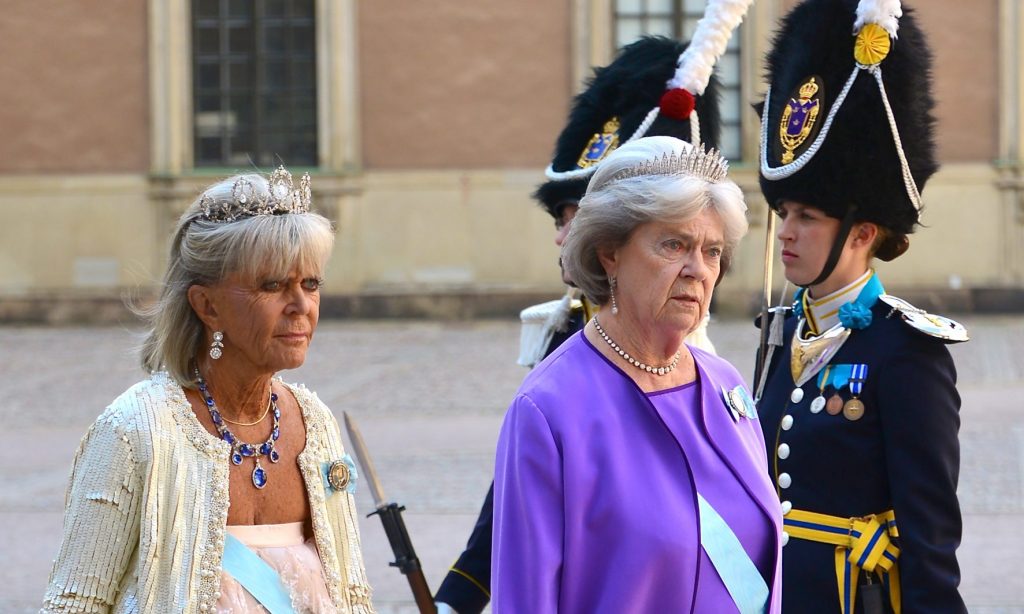
Princess Sybilla, a German princess, married into the Swedish royal family and became a significant figure in Swedish public life. Her wedding gift from Tsar Ferdinand I of Bulgaria highlights the complex web of European royal relationships in the early 20th century. The fact that these sapphires may have originated from the Russian Imperial collection, particularly from Tsarina Maria Feodorovna, a prominent figure in her own right, adds another layer of historical significance. Maria Feodorovna was known for her extensive and exquisite jewelry collection, and any piece tracing back to her is of considerable interest to jewelry historians and collectors.
Princess Birgitta: A Life of Royal Duty and Personal Style
Princess Birgitta, who passed away last year, was the eldest daughter of Prince Gustaf Adolf and Princess Sybilla. She maintained a close relationship with her siblings and was a prominent figure within the Swedish Royal Family. Her known fondness for the sapphire demi parure suggests a personal connection to the jewels, likely viewing them as a cherished memento of her mother. Her choice to wear them at significant royal occasions further emphasizes their importance within her personal collection and within the broader context of Swedish royal traditions. Her passing means that her possessions, including these historically significant jewels, are now subject to the legal and familial processes of inheritance and distribution.
Financial and Sentimental Considerations
The decision to auction such personal and historically rich items often involves a delicate balance between financial necessity and sentimental value. For Princess Birgitta’s estate, the auction offers a means to realize the considerable monetary value of the demi parure. However, for the Swedish Royal Family, and particularly for King Carl XVI Gustaf, the potential loss of these heirlooms could represent a significant emotional and historical void. The suggestion that the King might intervene indicates a prioritization of familial heritage over financial gain.
The conservative nature attributed to King Carl XVI Gustaf by royal commentators implies that he may view the preservation of family history and legacy as paramount. Repurchasing the jewels would not only secure their future within the family but also prevent them from becoming part of a private collection inaccessible to the public or the Royal Family itself. This act could be interpreted as a duty to honor his mother’s memory and to safeguard a tangible piece of Swedish royal history.
Conclusion: A Historical Jewel’s Next Chapter
The upcoming Sotheby’s auction presents a compelling narrative that extends beyond the mere valuation of precious stones. The demi parure of sapphires and diamonds, once cherished by Princess Sybilla and later by Princess Birgitta, now stands at a potential turning point in its long and storied history. Whether these jewels will find a new custodian in the open market or be reacquired by the Swedish Royal Family through the intervention of King Carl XVI Gustaf remains to be seen. Regardless of the outcome, the story of these sapphires serves as a poignant reminder of the enduring connection between royal families, their historical artifacts, and the intricate legacies they carry forward through generations. The November 11th auction date will mark a significant moment in the ongoing saga of these royal treasures.



 Nila Kartika Wati

 Lina Irawan

 Yuyun Lusiyani

 Ana Megawati

 Joko Widodo
