
 Eva Lovia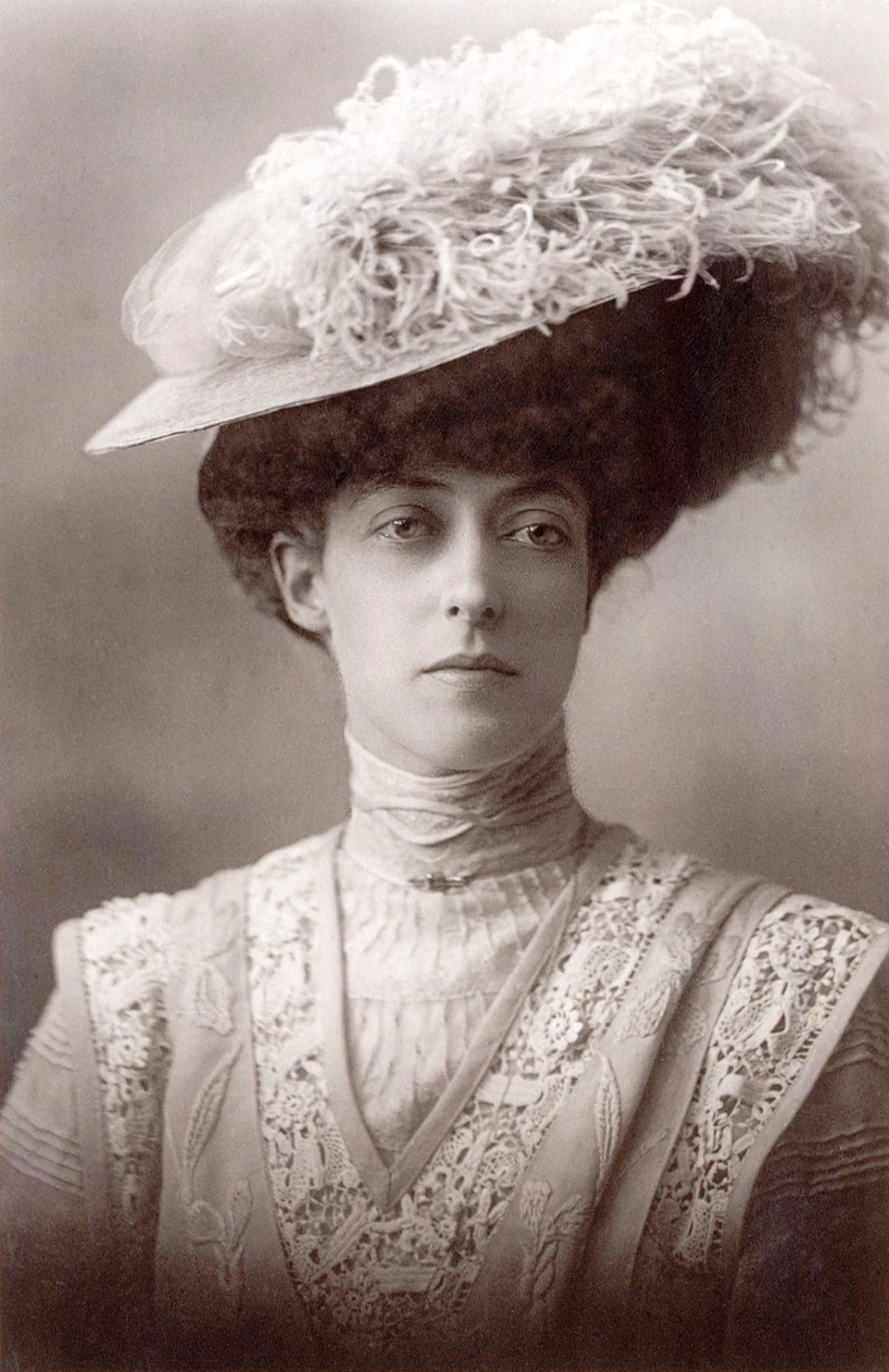
April 1926 was a period of intense royal focus, with the British public captivated by a confluence of significant events. The impending birth of the first child of the Duke and Duchess of York, the second in line to the throne, generated considerable anticipation. Simultaneously, concerns for the health of Princess Victoria, a sister of King George V, occupied significant newspaper space, while whispers of a potential royal romance added another layer of intrigue to the news cycle. Easter Sunday, April 4th, found the nation’s press saturated with stories of the Royal Family, painting a vivid picture of royal life, its challenges, and its enduring public fascination.
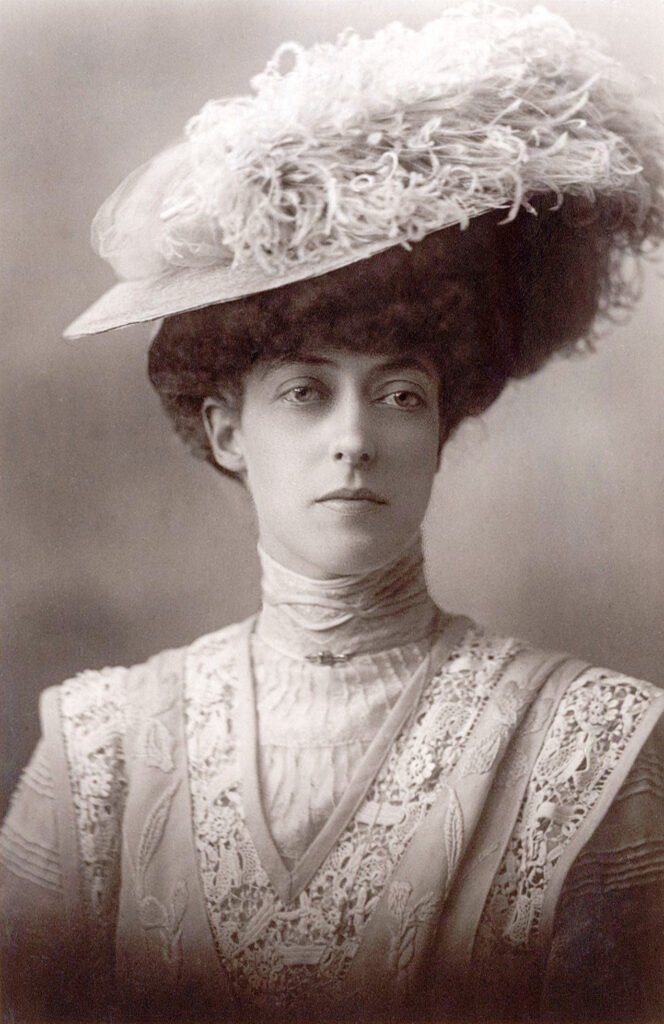
The most pressing concern for many was the declining health of Princess Victoria. A sister to King George V, she had been battling pneumonia for an extended period. As April commenced, speculation about her condition was rife, with updates eagerly awaited by the public and reported diligently by the press. On Easter Saturday, a bulletin was issued, subsequently carried by most of the Easter Sunday papers. The Sunday Express reported, "the following bulletin was issued yesterday with regard to the condition of Princess Victoria: ‘although the pneumonia is resolving, the strain on the heart remains great.’" This terse statement underscored the gravity of her situation, highlighting the precarious balance between recovery from the acute infection and the lingering damage to her cardiovascular system. The strain on her heart was a critical concern, indicating that while the immediate threat of pneumonia was receding, the long-term prognosis remained uncertain.
In an effort to inject a note of optimism amidst the prevailing anxiety, the Sunday Mirror, in its "Mainly for Women" section, highlighted the efforts of Prince George, the youngest surviving son of King George V, to uplift his aunt’s spirits. Serving with the Royal Navy at the time, Prince George’s dispatches from various naval ports were described as a source of great joy. The paper noted, "the Prince’s racy letters from the various ports, illustrated by the little thumbnail sketches which he knows so well how to do, have been a great joy to her." This personal touch offered a glimpse into the familial bonds and the quiet efforts made to provide comfort during a difficult time. These illustrated letters, a testament to Prince George’s artistic talents and his affectionate relationship with his aunt, served as a much-needed distraction and a symbol of enduring familial support.
Further reflections on Princess Victoria’s circumstances were offered by the Sunday Sun of Newcastle. This publication presented a more poignant and perhaps quasi-obituary perspective, framing the Princess as something of a victim of her royal circumstances. The article emphasized the profound impact that leaving her long-time home at Sandringham had on her well-being. "The leaving of beloved Sandringham, where she had been for so many years, was a heavy trial," the paper reported, underscoring the emotional toll of such a significant life change. The piece also delved into her deep devotion to her mother, Queen Alexandra, who had passed away the previous November. The Sunday Sun noted, rather starkly, that Alexandra "clung with pathetic affection to Princess Victoria," who was herself "afflicted with peculiar severity" by the death of the Queen Mother. The paper recalled that Victoria had been affectionately known as "The Unselfish Princess" by her late father, King Edward VII, and suggested that she had also been privately referred to as "the Unknown Princess," perhaps alluding to a life lived somewhat in the shadows of more prominent royal figures.
Princess Victoria, though her health was a cause for concern, was far from "unknown" in the public consciousness that April. Her ongoing health struggles kept her name in the headlines, serving to maintain the Royal Family’s presence in the news as the nation eagerly awaited a more joyous royal event: the birth of a new royal baby.
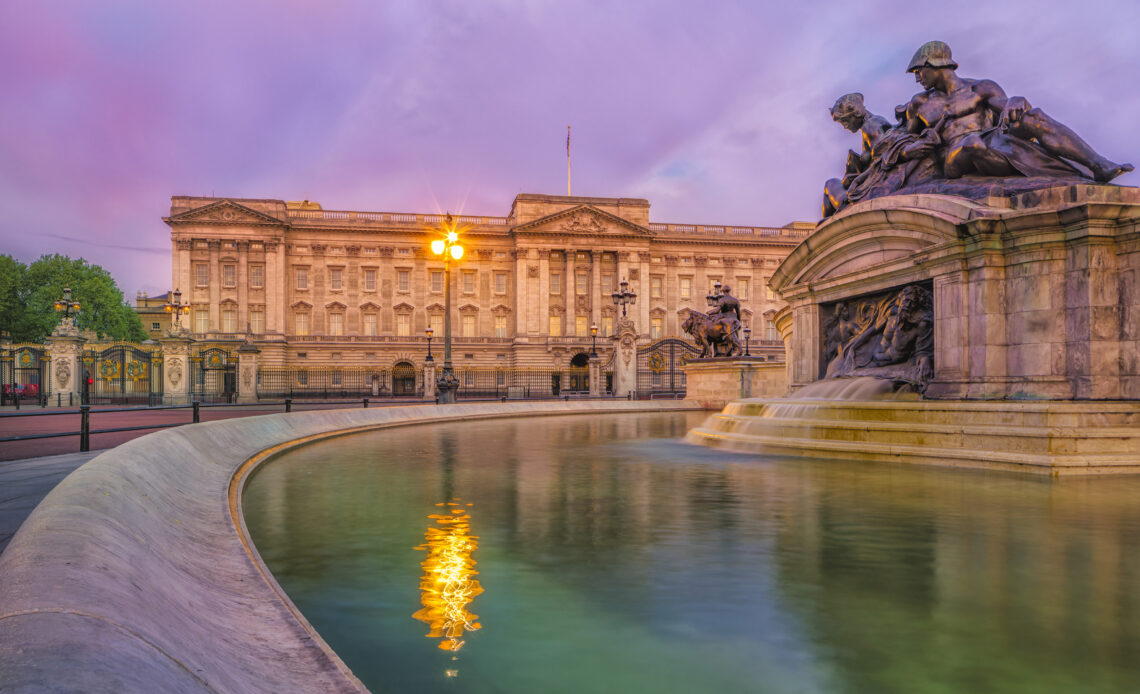
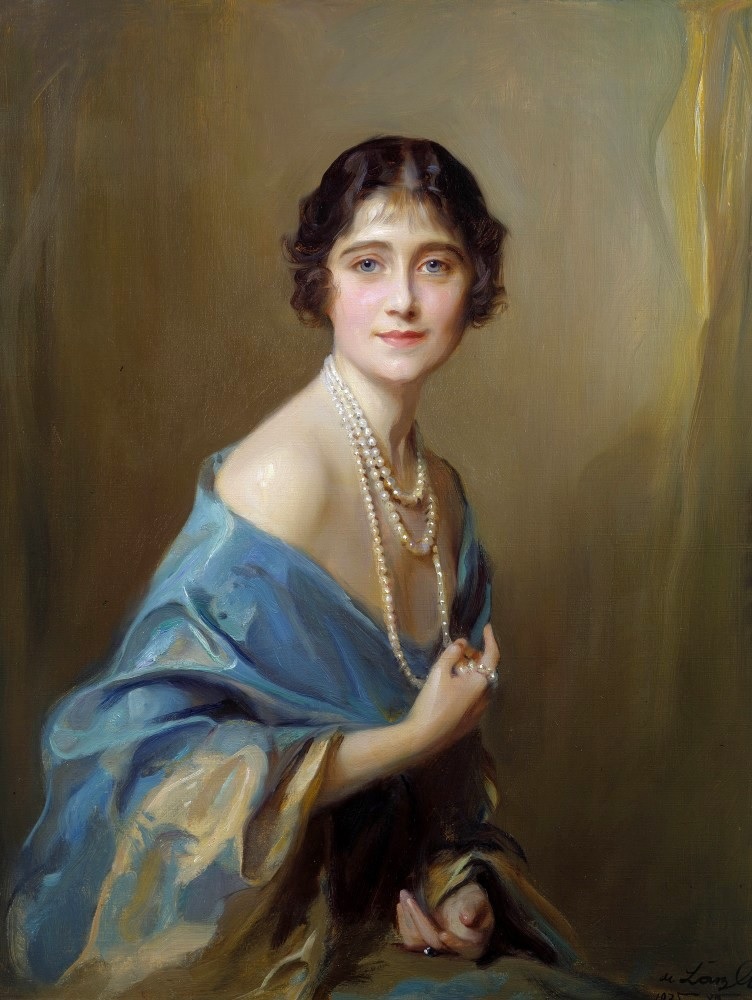
The impending arrival of the first child of the Duke and Duchess of York was the most anticipated royal event of the year. While the press typically referred to this in genteel terms such as "the forthcoming happy event," The People newspaper adopted a more direct approach on Easter Sunday. It reported, "the Duchess of York’s baby is expected to arrive early in May at 17 Bruton Street, the Duchess’s old home." This prediction proved remarkably accurate in terms of location and general timeframe, with the actual birth occurring on April 21, 1926, just slightly earlier than anticipated by The People, but well within the early May window they suggested. The location, 17 Bruton Street in Mayfair, London, was indeed the Duchess of York’s family home at the time. This specificity in reporting indicated a keen interest in the details surrounding the birth, from the expected timing to the chosen venue.
Beyond the direct news of the impending birth, The People also provided an interesting anecdote about the Duke of Norfolk. As Earl Marshal, he held the significant responsibility of organizing major Crown events, including coronations. It would fall to this very Duke, decades later, to orchestrate the coronation of the child about to be born. However, in April 1926, his public profile was somewhat different. The People noted that he was "not musical but has been practising lassoing, a rather difficult art in a London ballroom but useful at times for the removal of a dull guest." This lighthearted observation, though seemingly tangential, offered a humanizing portrayal of a key figure in royal ceremonial. The implication, of course, is that the Duke’s skills in lassoing were not required during the solemnity of the 1952 coronation, suggesting that the event was characterized by its grandeur rather than any need to "remove" attendees.
Adding a touch of royal romance to the Easter weekend news was the emerging story surrounding the Crown Prince of Norway. Later to reign as King Olav V, one of the 20th century’s most esteemed monarchs, he was then known as a handsome prince at the heart of a developing royal love story. While speculation was rife, the identity of his paramour remained a subject of intense media interest and conjecture.
Reynold’s Newspaper, among other publications, reported on a forthcoming royal engagement. The newspaper stated, "the betrothal of the Crown Prince of Norway will be announced shortly. The bride-elect is a member of the British Royal Family, closely related to The Queen." This report, however, proved to be inaccurate. No engagement to a member of the British Royal Family was ever announced. Crown Prince Olav’s heart was ultimately captured by Princess Märtha of Sweden, whom he married in 1929. This episode highlights the challenges faced by the press in reporting on royal romances, where secrecy and speculation often intertwined. The initial reports, though wide of the mark, underscore the public’s avid interest in any potential alliances between European royal houses, particularly those involving the British monarchy.
Returning to the subject of Princess Victoria, the Sunday Mirror, in its Easter Day edition, offered a fascinating historical tidbit. The paper highlighted Princess Victoria’s early adoption of modern activities, referring to her as a "pioneer" within the Royal Family. Alongside her sister, Maud, who would later become Queen of Norway and mother to Crown Prince Olav, Princess Victoria had "amazed London by bicycling in Battersea Park." The article left it to the reader’s imagination whether the shock was caused by the sight of royalty engaging in the relatively new pastime of cycling or by the fact that they were seen so far south in London, away from their more traditional royal haunts. This anecdote paints a picture of two young princesses embracing contemporary trends, demonstrating a facet of royal life that was perhaps less publicized but equally indicative of evolving social norms.
The media landscape of April 1926, as revealed through these reports, was dominated by the interwoven narratives of royal duty, personal health challenges, and the enduring appeal of romance and anticipation. The press acted as both chronicler and commentator, shaping public perception and fueling the nation’s ongoing fascination with its Royal Family. The stories of Princess Victoria’s resilience, the excitement surrounding the imminent arrival of a future monarch, and the unfolding of a royal courtship all contributed to a rich tapestry of royal news, solidifying the monarchy’s central place in the public imagination. The events of that Easter weekend serve as a reminder of how, even in the early 20th century, the lives and fortunes of the Royal Family were a constant source of interest and a significant element of national discourse. The careful reporting, the speculation, and the human-interest angles all coalesced to create a compelling narrative that resonated with a broad audience, demonstrating the timeless power of royal storytelling.


 Jia Lissa
 Yuyun Lusiyani
 Joko Widodo

 Pevita Pearce