
 Joko Widodo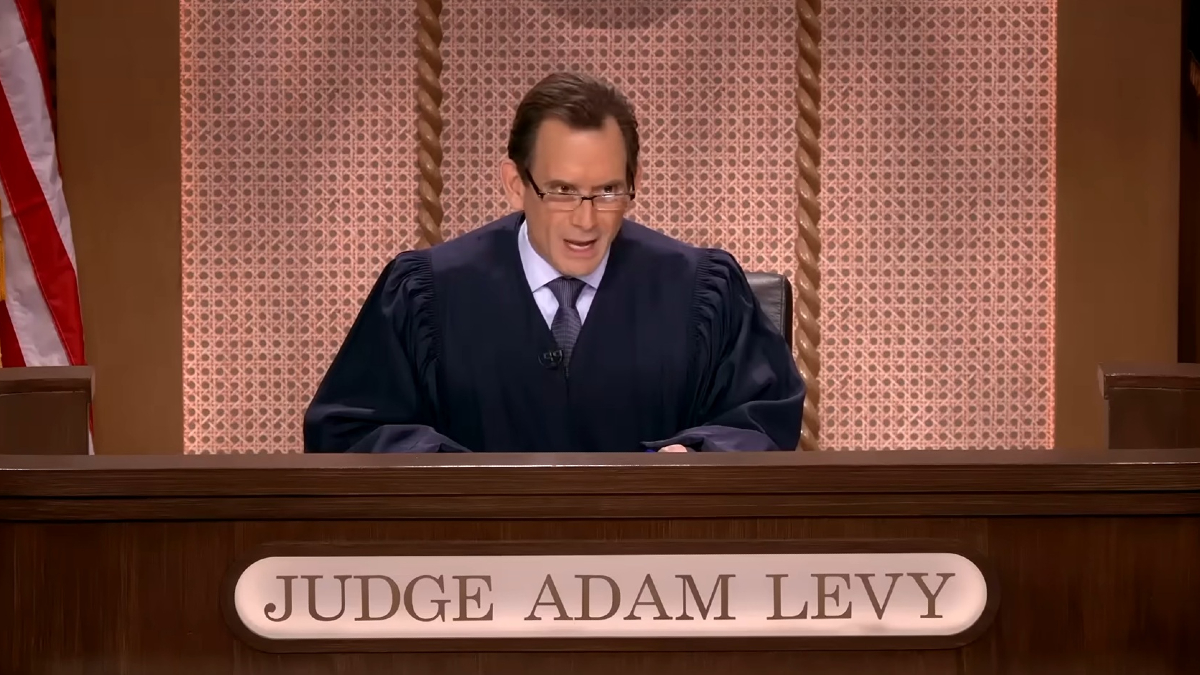
The television landscape is set to welcome a new judicial presence with the debut of "Adam’s Law," a courtroom reality program helmed by Judge Adam Levy. Levy, widely recognized as the son of the legendary Judge Judy Sheindlin, inherits a significant legacy, as his mother presided over "Judge Judy" for an impressive 25 seasons, becoming a household name and a titan of the daytime television genre. The impending premiere of "Adam’s Law" inevitably invites comparisons and raises questions about whether Levy can forge his own distinct identity and achieve comparable success, or if he will be perpetually viewed through the lens of his mother’s monumental career.
Levy, a graduate of Hofstra Law School and a former Putnam County District Attorney, brings a demonstrable legal background to his new role. His mother, Judith Sheindlin, herself a former family court judge, has publicly acknowledged her son’s legal acumen, stating that he "understands the law" and possesses "fabulous recall." This praise suggests a solid foundation for adjudicating real-life cases, a cornerstone of the courtroom drama genre. However, the transition from legal professional to television personality involves more than just a command of legal principles; it requires an ability to connect with and engage a broad audience, a skill that Judge Judy honed to perfection over decades.
The trailer for "Adam’s Law" offers a glimpse into the show’s intended tone and style. It promises viewers "real cases" and "real justice," echoing the straightforward approach that defined Judge Judy’s long-running program. Early observations suggest a striking resemblance between father and son in their courtroom demeanor. Both exhibit a no-nonsense attitude, a sharp wit, and a knack for delivering memorable soundbites. This similarity, while potentially reassuring to fans of his mother’s style, also fuels the central question: will Adam Levy’s on-screen persona be distinct enough to capture the public’s imagination, or will it feel like a derivative performance?
The Shadow of a Legend: Navigating a Precedent-Setting Legacy
Judge Judy’s impact on the television industry is undeniable. Her show, which premiered in 1996, revolutionized the courtroom reality genre. Sheindlin’s direct, no-holds-barred style, coupled with her seemingly unshakeable judgment and memorable catchphrases, resonated with millions. The program consistently ranked as one of the highest-rated syndicated television shows, earning numerous awards and solidifying Sheindlin’s status as a television icon. The show’s longevity speaks to its broad appeal, tackling relatable disputes with a blend of legal resolution and human drama.
Adam Levy’s background includes prior television experience on "Tribunal Justice," another courtroom program. While this experience provides a foundation, the transition to a show bearing his name, and directly linked to his mother’s legacy, presents a unique set of challenges. The inherent nature of courtroom dramas, which often involve conflicts and resolutions within a structured legal framework, can make it difficult to innovate and stand out. The visual and auditory cues of such programs – the gavel, the witness stand, the judge’s pronouncements – are familiar tropes. The success of any new entrant in this genre often hinges on the personality and charisma of its presiding judge.
A Family Affair in the Courtroom: Legal Prowess Meets Television Appeal
Adam Levy’s legal career predates his television endeavors. His work as a prosecutor in Putnam County, New York, honed his understanding of criminal justice and courtroom procedure. He has also been instrumental in developing programs aimed at addressing societal issues, notably an award-winning Drug Treatment Program. This demonstrates a commitment to justice beyond the confines of a television studio, suggesting a genuine desire to make a positive impact. The question remains whether this dedication and legal expertise can translate into compelling television that captivates a mainstream audience.
The trailer for "Adam’s Law" has been scrutinized for its perceived similarities to Judge Judy’s signature style. Critics and viewers have noted that Levy’s assertive nature, his facial expressions, and his delivery often mirror those of his famous mother. While toughness is undoubtedly a prerequisite for maintaining order in any courtroom, whether on or off-screen, television demands a certain level of distinctiveness to capture and retain viewer attention. The challenge for Levy will be to leverage his legal authority and inherited understanding of the genre without appearing to be merely a carbon copy of his predecessor.
Analyzing the Market and Audience Expectations
The courtroom reality genre has seen numerous iterations and imitators since "Judge Judy" first aired. While some have found moderate success, few have achieved the sustained cultural impact of Sheindlin’s program. The television audience for these shows often seeks a combination of legal resolution, relatable disputes, and a strong, authoritative personality to guide them. Judge Judy’s success was built on her authenticity and her ability to deliver swift, no-nonsense justice, often with a dose of dry humor.
The initial viewership for "Adam’s Law" is likely to be driven by curiosity and brand recognition, with audiences eager to see if the son can live up to the mother’s reputation. However, sustained success will depend on the show’s ability to offer something more than a familiar echo. The analysis of the trailer suggests that Levy may be attempting to build upon his mother’s legacy by replicating her formula. While this approach might guarantee an initial audience, it carries the risk of alienating viewers who are looking for novelty and a fresh perspective. The concern is that a "Judge Judy copycat" could quickly become monotonous.
Broader Implications and Future Outlook
The launch of "Adam’s Law" occurs at a time when the television industry is constantly seeking new talent and formats to engage audiences. The success of "Judge Judy" demonstrated the immense commercial potential of the courtroom reality genre. For CBS, the network behind "Adam’s Law," this represents an opportunity to tap into a familiar demographic while introducing a new, albeit related, judicial personality. The show is scheduled to air on numerous CBS-owned stations, indicating a significant promotional push.
Beyond the immediate success of the show, Adam Levy’s foray into television raises questions about the future of judicial personalities on screen. Will audiences embrace a new generation of legal arbiters, or are they inherently tied to the iconic figures of the past? The fact that Judge Judy Sheindlin herself continues to be a subject of public interest, as evidenced by her involvement in high-profile legal matters such as her defamation lawsuit concerning the Menendez brothers case, highlights the enduring fascination with her persona and legal career. While that specific lawsuit was dismissed, it underscores the ongoing media attention surrounding the Sheindlin family.
The ultimate success of "Adam’s Law" will likely hinge on Adam Levy’s ability to balance his inherited legacy with his own unique strengths. While his legal credentials and his mother’s endorsement provide a strong starting point, television audiences are discerning. They appreciate authenticity, engaging personalities, and a fresh approach to familiar formats. Whether Adam Levy can carve out his own niche in the crowded television landscape, or if he will remain in the considerable shadow of his illustrious mother, remains to be seen. The premiere on September 14th will provide the first definitive answers as to whether "Adam’s Law" can stand on its own merits and capture the hearts and minds of viewers.




 Yuyun Lusiyani
 Eva Lovia
 Pevita Pearce
 admin
admin
 Lina Irawan