admin
admin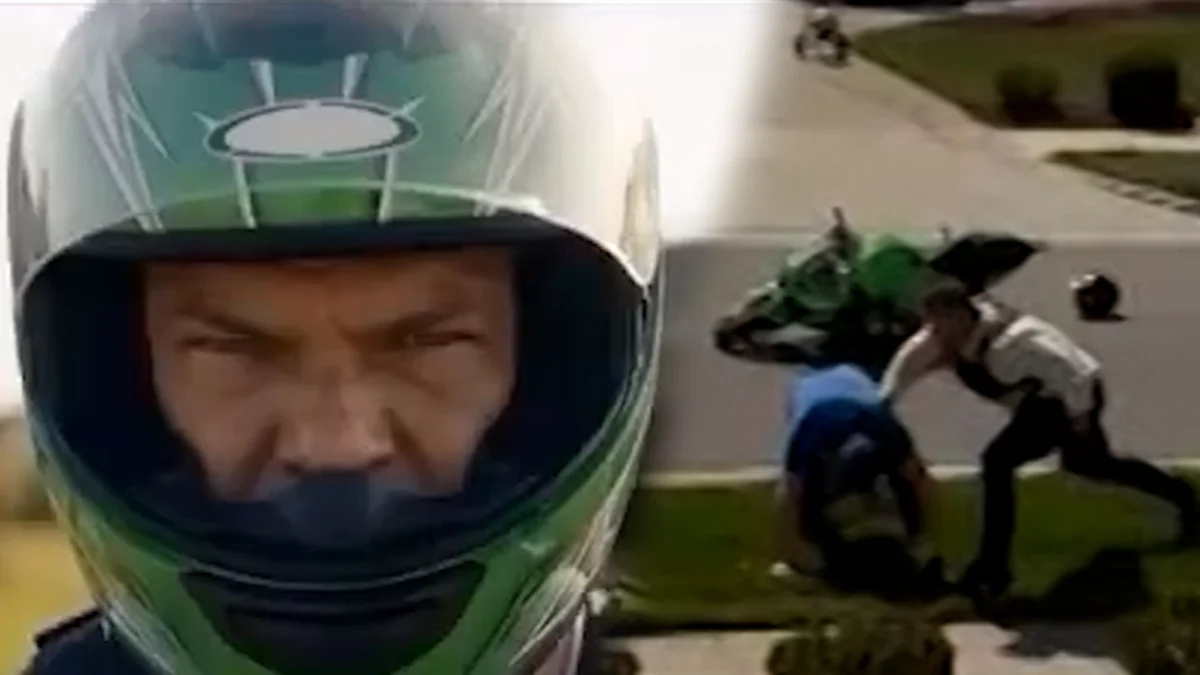
The digital landscape of entertainment witnessed a remarkable convergence of reality and artificial intelligence this week, as an A.I.-generated movie trailer starring actor Alan Ritchson surfaced online, humorously dramatizing a recent real-life neighborhood altercation involving the star. Released on March 25, 2026, the trailer quickly garnered significant attention, highlighting both the burgeoning capabilities of generative A.I. and the public’s fascination with celebrity incidents translated into fictionalized narratives. This innovative piece of digital content, crafted by filmmaker Taylor Chien, transforms Ritchson’s recent confrontation into a cinematic spectacle, complete with a cameo from wrestling icon John Cena, further blurring the lines between viral news and fabricated movie promotion.
The Genesis of a Viral Sensation
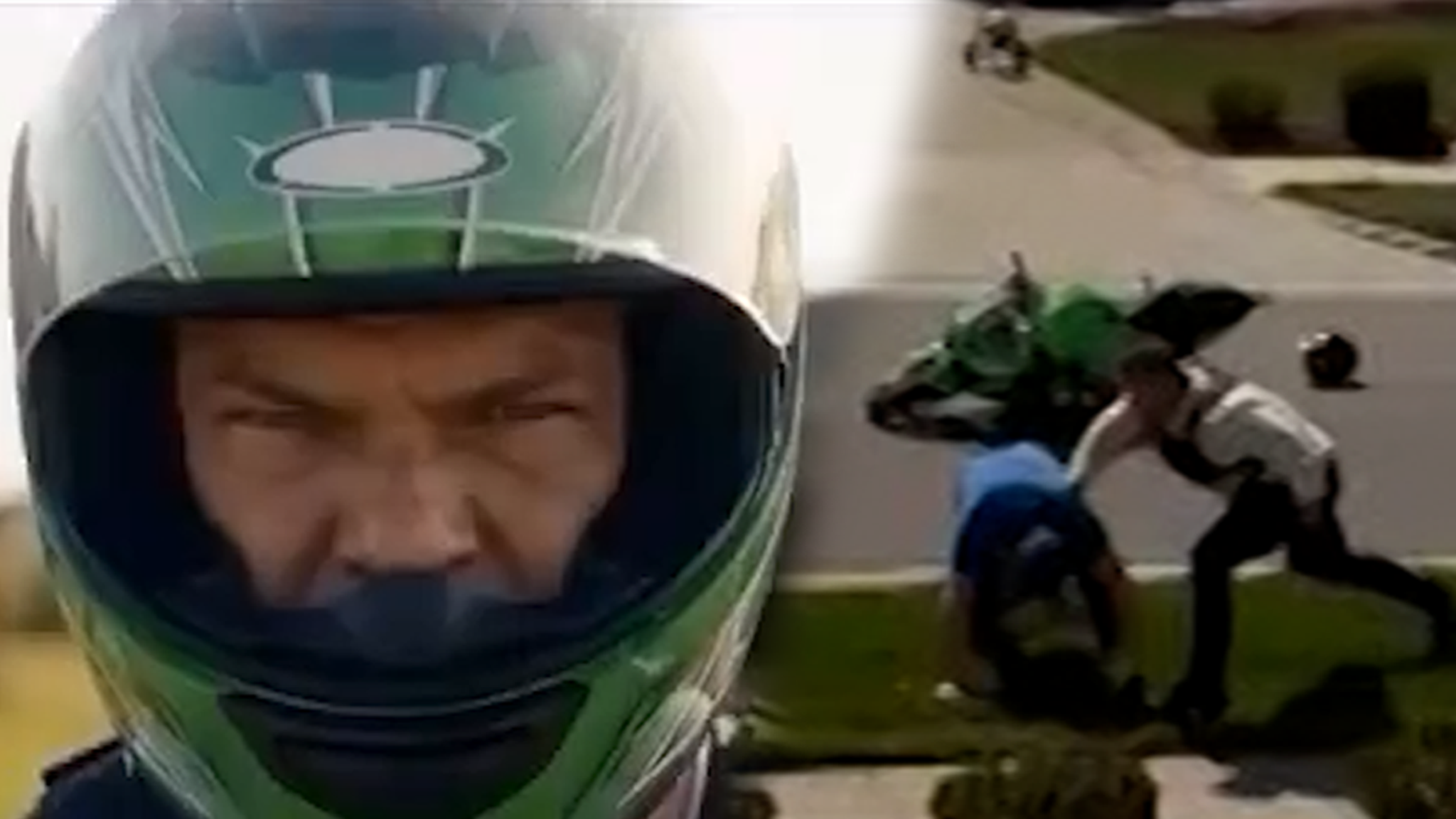
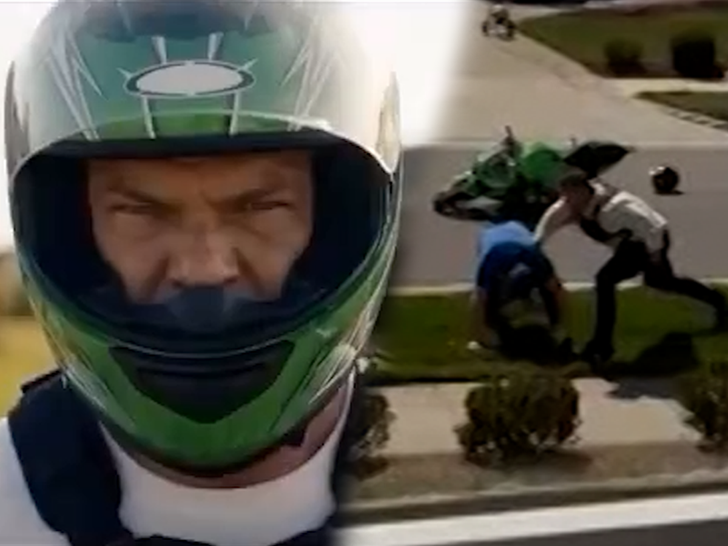
The trailer, a product of sophisticated artificial intelligence algorithms, depicts a narrative closely mirroring the widely reported incident where Alan Ritchson, known for his formidable roles such as Jack Reacher in Amazon Prime Video’s Reacher series, was involved in a dispute with a neighbor. The original incident, which TMZ first reported on March 22, 2026, involved a confrontation stemming from Ritchson’s presence in a quiet Tennessee neighborhood, reportedly while riding a motorcycle with his children. Details surrounding the exact nature of the initial disagreement remain somewhat ambiguous in public reports, but it escalated to a physical altercation that quickly became a subject of widespread discussion across social media platforms. The incident itself provided fertile ground for public discourse, particularly given Ritchson’s public persona as a no-nonsense action hero, creating a peculiar parallel between his on-screen roles and real-life events.
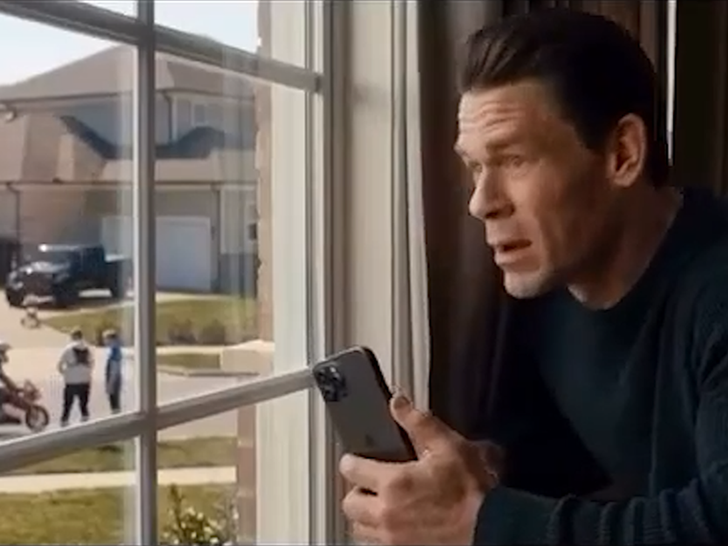
The A.I. trailer masterfully capitalizes on this narrative. It opens with Ritchson, identifiable by his likeness, navigating a serene suburban street with his children, an image designed to evoke a sense of everyday normalcy before the impending conflict. The tension escalates as an upset neighbor, bearing a striking resemblance to the individual involved in the actual incident, confronts Ritchson. What follows is a dramatized depiction of a fight breaking out, rendered with a cinematic flair that belies its A.I. origins. The trailer then introduces an unexpected element of meta-commentary by featuring John Cena observing the brawl through a window, seemingly recording it, adding another layer of celebrity involvement to the fictionalized event. This inclusion not only injects humor but also satirizes the pervasive nature of citizen journalism and the instant virality of such incidents in the digital age.
Taylor Chien: The Visionary Behind the AI Reel
The architect of this viral phenomenon is filmmaker Taylor Chien, who has rapidly established himself as a notable figure in the burgeoning field of A.I.-generated cinema. Chien is not new to experimenting with artificial intelligence to create compelling and often humorous movie trailers. His work exemplifies a growing trend among digital artists and content creators who are leveraging A.I. tools to produce high-quality, narrative-driven visual content with unprecedented speed and creative flexibility. Chien’s approach often involves taking real-world events or cultural touchstones and recontextualizing them through the lens of a fictionalized trailer, demonstrating the A.I.’s capacity for both mimicry and creative extrapolation.
In a statement inferred from his public activities and previous works, Chien’s intention appears to be twofold: to entertain and to push the boundaries of what is possible with A.I. in filmmaking. By selecting a high-profile, recent event like Ritchson’s neighborhood dispute, Chien taps into immediate public interest, transforming a news item into a piece of entertainment that resonates with current cultural conversations around celebrity, privacy, and digital media. His ability to generate realistic likenesses of actors, create dynamic action sequences, and craft a cohesive narrative arc within a short trailer format underscores the rapid advancements in A.I. video generation technologies, such as those that can synthesize human speech, movements, and expressions with remarkable accuracy.
The Original Incident: Context and Public Reaction
To fully appreciate the A.I. trailer’s impact, it is crucial to revisit the actual event that inspired it. The confrontation involving Alan Ritchson occurred in what was described as a residential area, bringing a sudden burst of celebrity-related drama to an otherwise quiet community. While the specific provocations leading to the physical altercation remain under wraps, initial reports suggested a disagreement over Ritchson’s activities or presence in the neighborhood. Given Ritchson’s prominent roles as an action star, the incident quickly drew comparisons between his on-screen persona and his real-life actions, sparking a wave of online commentary that ranged from supportive to critical.
The incident itself was a stark reminder of the challenges celebrities face in maintaining privacy and managing their public image, especially when personal conflicts spill into the public domain. In the age of ubiquitous smartphones and instant social media dissemination, any public interaction, particularly one involving a physical dispute, can rapidly become fodder for news cycles and viral content. Ritchson, known for his physically imposing stature and roles requiring combat skills, found himself in a real-world scenario that, to many, seemed ripped straight from a script. This inherent dramatic irony likely fueled the public’s interest and provided the perfect satirical canvas for Chien’s A.I. creation. The public reaction to the real fight was varied, with some fans defending Ritchson’s actions in self-defense or protection of his family, while others debated the appropriateness of a celebrity engaging in such a public confrontation. This complex backdrop of public opinion contributed significantly to the resonance of the A.I. trailer.
AI’s Broader Implications in Entertainment and Beyond
The "Alan Ritchson A.I. Movie Trailer" is more than just a humorous take on a celebrity skirmish; it serves as a potent illustration of the accelerating integration of artificial intelligence into the creative industries. The ability to generate realistic, emotionally resonant, and narratively coherent video content using A.I. tools has profound implications for filmmaking, marketing, and celebrity culture.
- Filmmaking and Production: A.I. is already being used in various stages of film production, from scriptwriting assistance and pre-visualization to special effects and even deepfake technology for de-aging actors or creating digital doubles. Trailers like Chien’s demonstrate the potential for A.I. to quickly prototype marketing materials, generate concept art, or even produce entire short films, drastically reducing production times and costs. This could democratize filmmaking, allowing independent creators with limited budgets to produce high-quality visual content.
- Marketing and Advertising: The ability to instantly generate trailers for fictional scenarios based on current events offers novel avenues for viral marketing and advertising campaigns. Brands could potentially create bespoke, hyper-relevant content that taps into real-time cultural moments, fostering engagement in unprecedented ways.
- Celebrity Image and Brand Management: For public figures, the rise of sophisticated A.I. raises new questions about image control and personal brand management. While the Ritchson trailer is clearly satirical and unlikely to be mistaken for a real film, more insidious applications of deepfake technology could be used to create misleading or defamatory content. Celebrities and their teams will increasingly need to monitor and potentially counteract A.I.-generated content that manipulates their likeness or actions.
- Intellectual Property and Ethics: The creation of A.I.-generated content that uses the likenesses of real individuals, or mimics copyrighted styles, raises complex legal and ethical questions. Who owns the "performance" of an A.I.-generated Alan Ritchson? What are the boundaries of fair use and parody when A.I. can perfectly replicate a person’s image without their explicit consent? These questions are at the forefront of ongoing debates in legal and creative communities.
The Ethical and Legal Landscape of Deepfakes and AI Creativity
The inclusion of recognizable figures like Alan Ritchson and John Cena in an A.I.-generated trailer, even for comedic effect, highlights critical discussions around consent, image rights, and the ethical use of artificial intelligence. While the intent here is clearly parody, the technology itself carries significant potential for misuse. Deepfake technology, a subset of A.I. used to create realistic synthetic media, has already been exploited for malicious purposes, including misinformation, defamation, and non-consensual pornography.
Industry experts and legal scholars are grappling with how to regulate A.I.-generated content. Current intellectual property laws, largely designed for human-created works, are often inadequate to address the nuances of A.I. creativity. For instance, the concept of "personality rights" or "right of publicity" protects individuals from the unauthorized commercial use of their name, likeness, or other identifiable aspects of their persona. While a satirical trailer might fall under fair use in some jurisdictions, the commercial implications of such A.I. creations are a growing concern.
Furthermore, the blurring of lines between reality and simulation impacts public trust and media literacy. As A.I. tools become more accessible and sophisticated, discerning authentic content from fabricated material becomes increasingly challenging. This necessitates greater transparency from creators about the use of A.I. and enhanced critical thinking skills from consumers.
Conclusion: A Glimpse into the Future of Fictionalized Reality
The A.I.-generated movie trailer starring Alan Ritchson is a microcosm of the exciting, yet complex, future unfolding in the realm of digital media. It underscores the profound impact artificial intelligence is having on how stories are told, how celebrities interact with their public image, and how news events can be reinterpreted through a creative, often humorous, lens. As Taylor Chien and other innovators continue to push the boundaries of what A.I. can achieve, the entertainment industry is poised for a significant transformation.
This particular trailer, a "hilarious play on his motorcycle incident," as described by the original report, perfectly encapsulates the zeitgeist of an era where viral content, celebrity culture, and advanced technology converge. It serves as both an entertaining diversion and a significant talking point, inviting audiences to ponder the implications of a world where "A.I. slop imitating life’s sloppiness" can generate highly realistic and engaging narratives from real-world events. The ongoing evolution of A.I. in creative fields promises a future filled with innovative content, but also one that demands careful consideration of ethical guidelines, legal frameworks, and the profound societal impact of increasingly indistinguishable digital realities. The Alan Ritchson A.I. trailer is not just a joke; it is a harbinger of things to come.


 Yuyun Lusiyani
 Joko Widodo
 Jia Lissa
 Pevita Pearce