
 Lina Irawan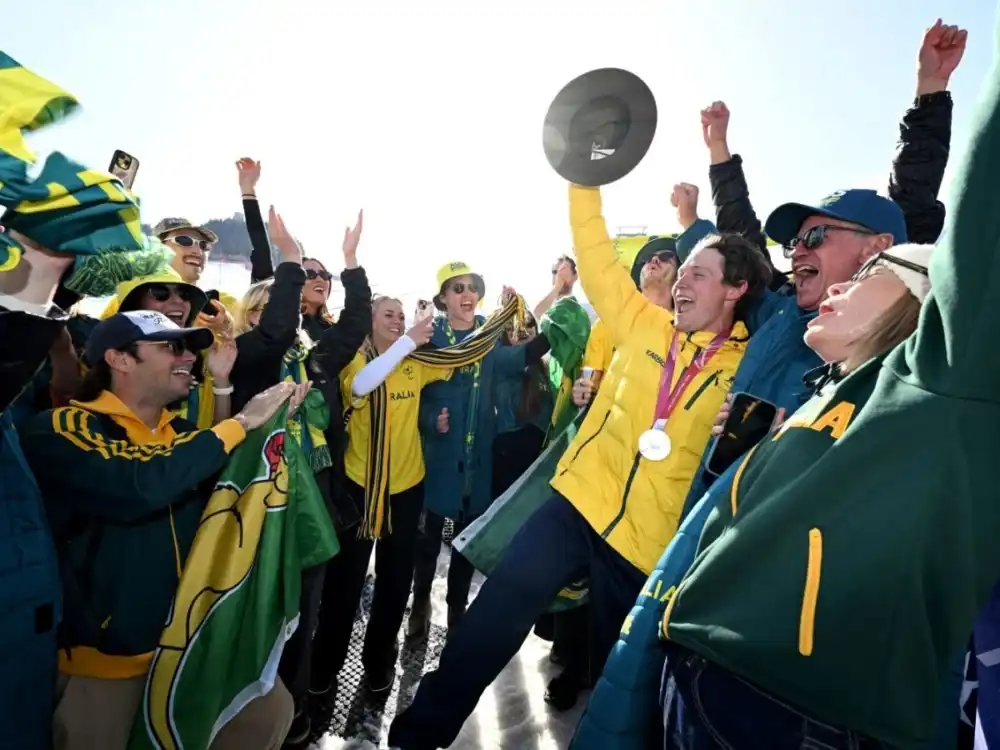
The Milano Cortina 2026 Winter Paralympic Games reached a pivotal moment for the Australian contingent as elite snowboarder Ben Tudhope secured a silver medal in the men’s SB-LL2 snowboard cross final. This achievement marks a significant milestone in Tudhope’s storied career and underscores the growing prowess of Australia’s winter para-athletes on the global stage. Competing at the high-altitude courses of Cortina d’Ampezzo, Tudhope navigated a field of world-class competitors, finishing just behind Italy’s Emanuel Perathoner, while Korea’s Lee Jehyuk claimed the bronze. The result reinforces Tudhope’s status as a premier athlete in the discipline and provides a surge of momentum for the Australian team as the Games approach their final days.
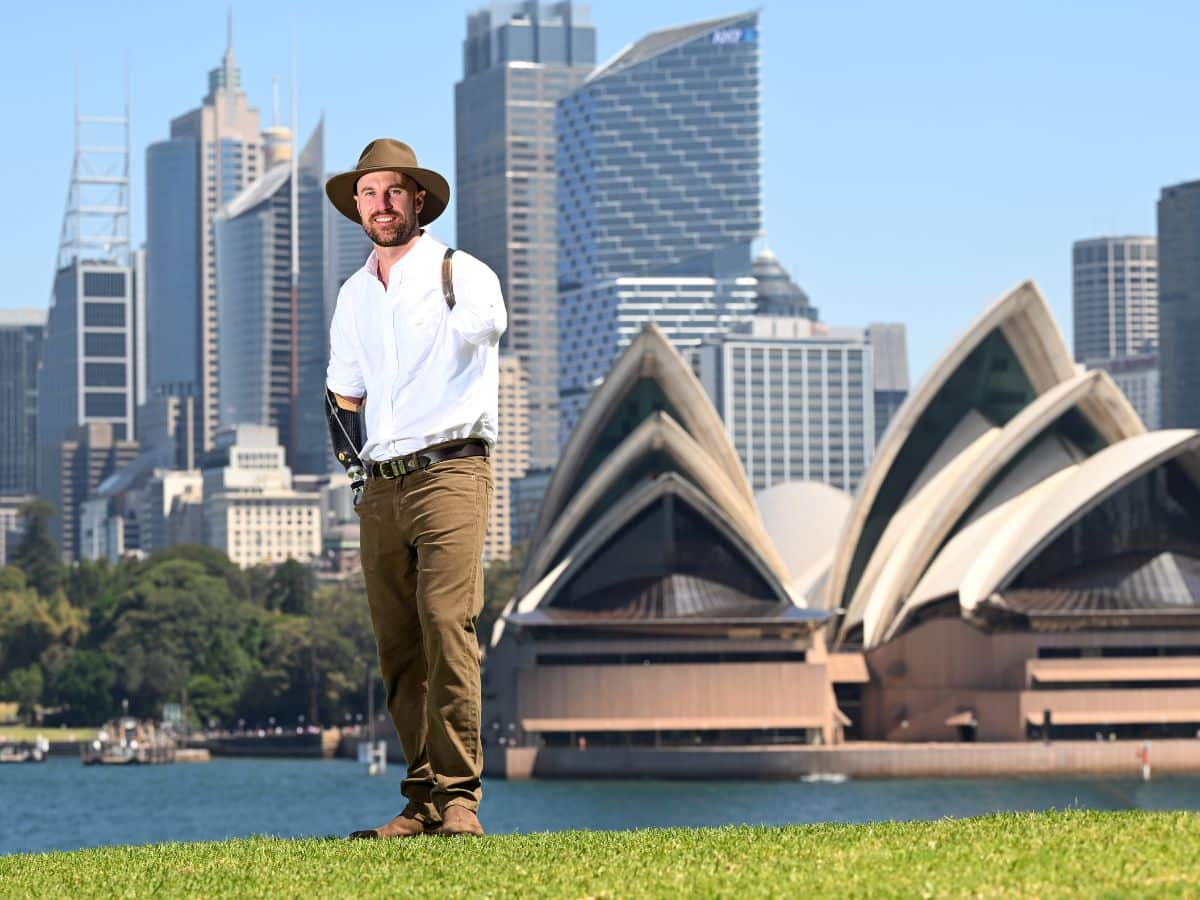
Accompanying Tudhope’s success, Australian team captain Sean Pollard demonstrated remarkable resilience in the SB-UL classification. Pollard, a respected leader within the para-sport community, won his opening heat with a dominant display of technical skill. Although he narrowly missed out on the semi-finals after a third-place finish in a highly competitive quarter-final, his performance served as a testament to the rigorous preparation and tactical depth of the Australian snowboarding program. The efforts of both riders highlight the "controlled chaos" of snowboard cross, a sport where split-second decisions and physical bravery are the prerequisites for success.
The Technical Dynamics of Snowboard Cross at the Paralympic Level
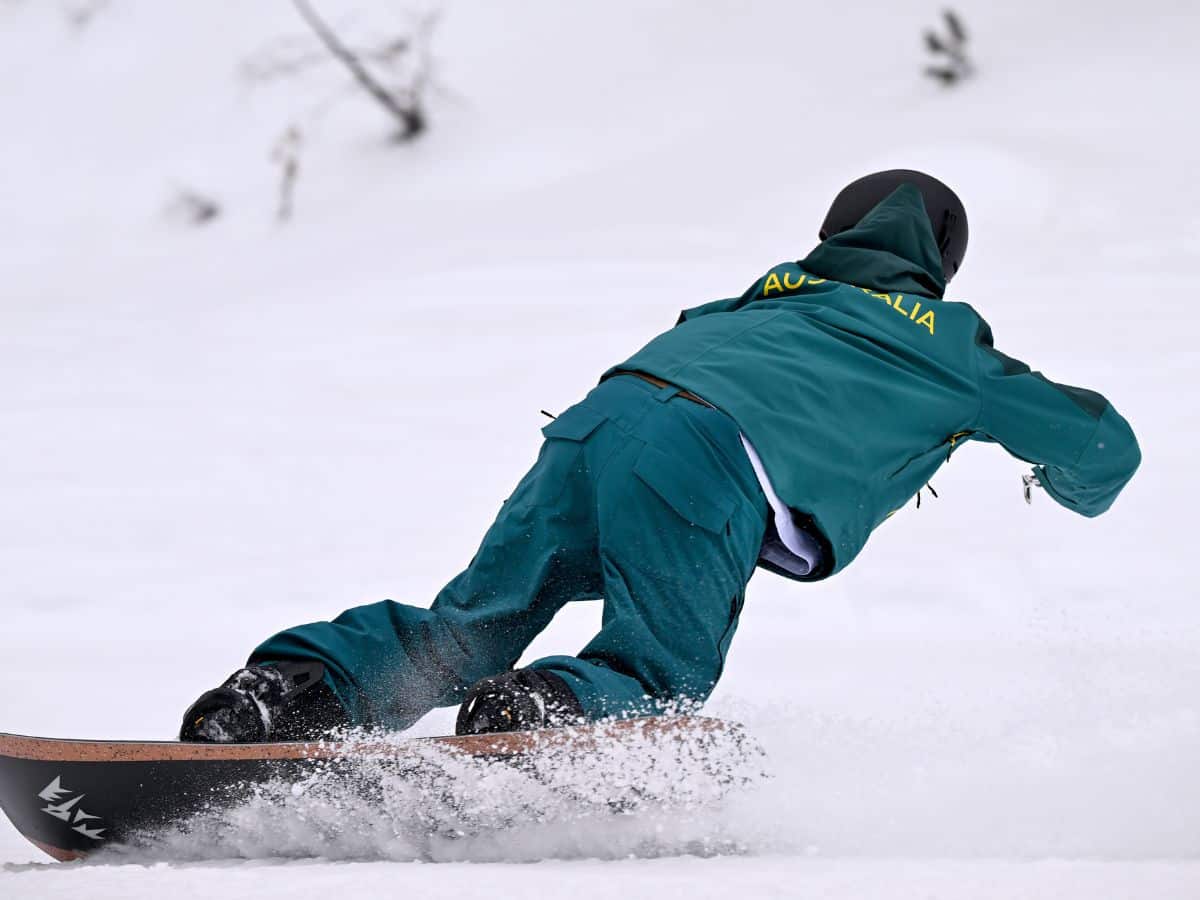
Snowboard cross is widely regarded as one of the most volatile and exhilarating events in the Winter Paralympics. The discipline involves multiple riders racing simultaneously down a course designed with various obstacles, including steep banked turns, rollers, and massive jumps. In the Paralympic context, the complexity is heightened by the specific physical classifications of the athletes. The SB-LL2 category, in which Tudhope competes, features athletes with lower limb impairments, while the SB-UL category is for those with upper limb impairments.

Success in this arena is not merely a matter of speed; it is a complex calculation of physics and psychology. According to Pollard, the strategy begins well before the riders reach the snow. The qualification times are critical, as they determine gate selection. In a sport where the first ten meters can dictate the outcome of the entire race, securing a preferred starting position is essential. Once the gates drop, riders must balance the aggression needed to hold their line with the finesse required to execute clean passes. The risk of collision is constant, and maintaining composure under the pressure of three other riders in close proximity is what separates the podium finishers from the rest of the field.
Behind the scenes, the technical preparation is equally intense. The Australian team employs specialized service technicians whose sole focus is the optimization of the boards. The "waxing" of a board is a highly guarded science, involving the selection of specific compounds based on the temperature, moisture content, and texture of the snow. A board that is even slightly misaligned with the day’s conditions can result in a loss of milliseconds that are impossible to recover on the course.
A Decade of Evolution: The Journey of Ben Tudhope
Ben Tudhope’s silver medal in 2026 is the culmination of a journey that began over twelve years ago. Making his Paralympic debut in Sochi in 2014 as a fourteen-year-old, Tudhope was the youngest competitor at those Games. Over the subsequent decade, he has transitioned from a precocious talent to the "veteran" of the Australian winter team. This longevity is rare in a sport as physically demanding as snowboarding, and it has granted Tudhope a unique perspective on the evolution of the Paralympic movement.
Reflecting on his career, Tudhope notes that the professionalization of the sport has increased exponentially. The gap between the top competitors has narrowed, requiring athletes to find marginal gains in every aspect of their lives—from nutrition and biomechanics to psychological resilience. However, despite his veteran status, Tudhope maintains that the primary driver of his success remains the adrenaline rush and the unpredictability of the race. His stated goal for the Milano Cortina Games was to "leave with a smile," a sentiment that belies the intense competitive drive required to secure a silver medal at the highest level of international sport.
Integrated Training and the Australian Sporting Ecosystem
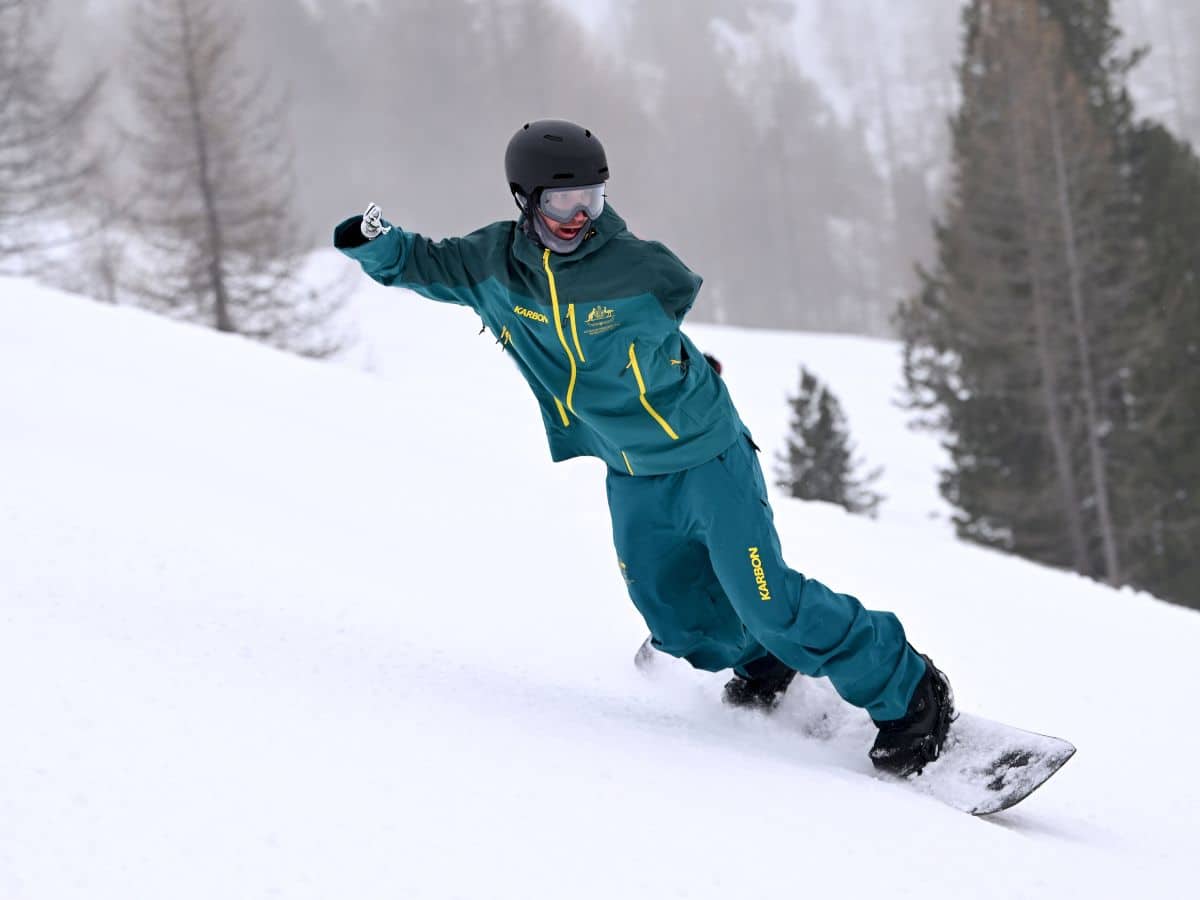
One of the defining characteristics of the Australian winter sports program is the high level of integration between Olympic and Paralympic athletes. Due to Australia’s relatively small pool of elite winter competitors and the limited domestic snow season, para-athletes and able-bodied athletes frequently train alongside one another. This collaborative environment has created a unified "snow world" culture where knowledge and resources are shared across disciplines.
Tudhope and Pollard have both noted that their training regimes often mirror those of Olympic stars like Josie Baff, Tess Coady, and Valentino Guseli. This integration provides para-athletes with a high-performance benchmark and fosters a sense of community that transcends the boundaries of classification. For Pollard, training with Olympians is simply part of the reality of being a winter athlete in the Southern Hemisphere. This cross-pollination of talent has been a key factor in Australia’s ability to consistently punch above its weight in international winter competitions, despite the geographical disadvantages.
Adaptive Innovation: The Role of Official Apparel
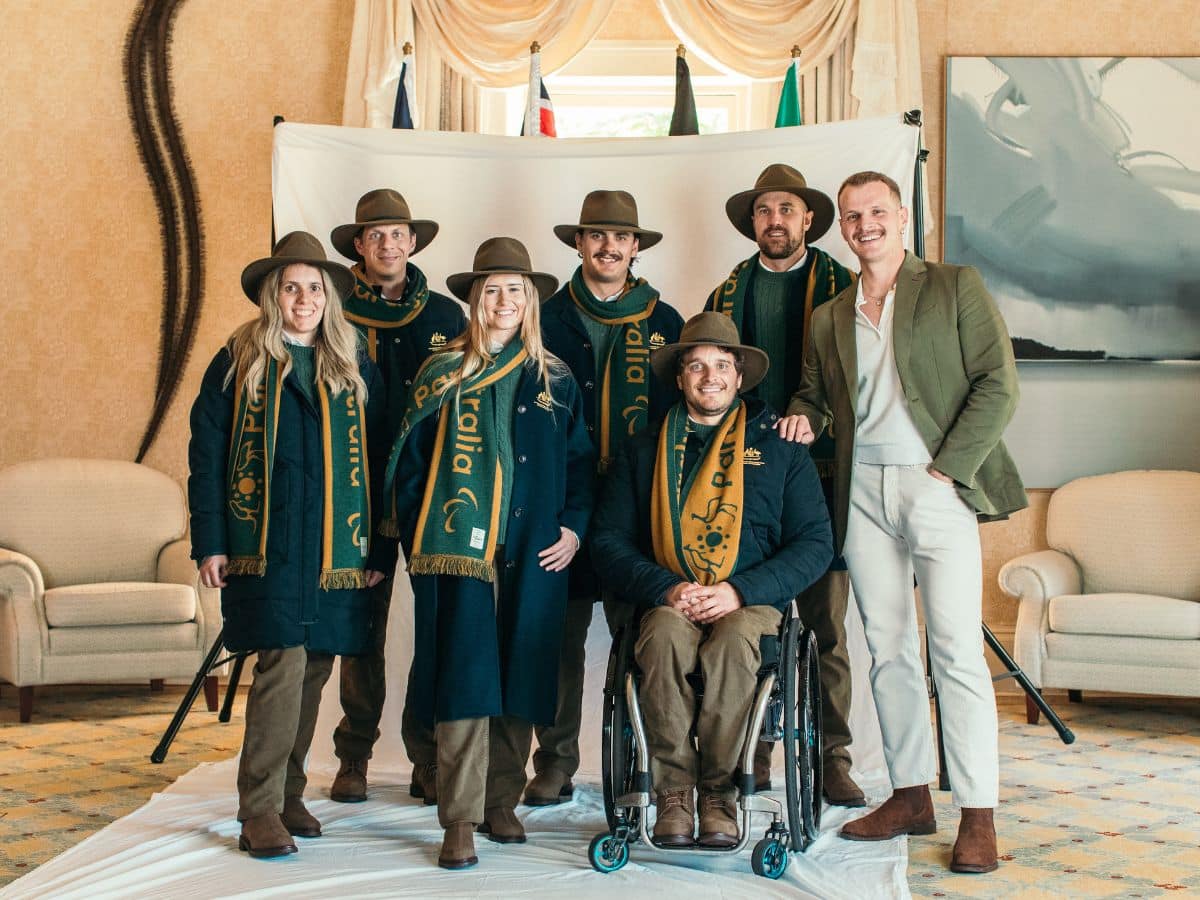
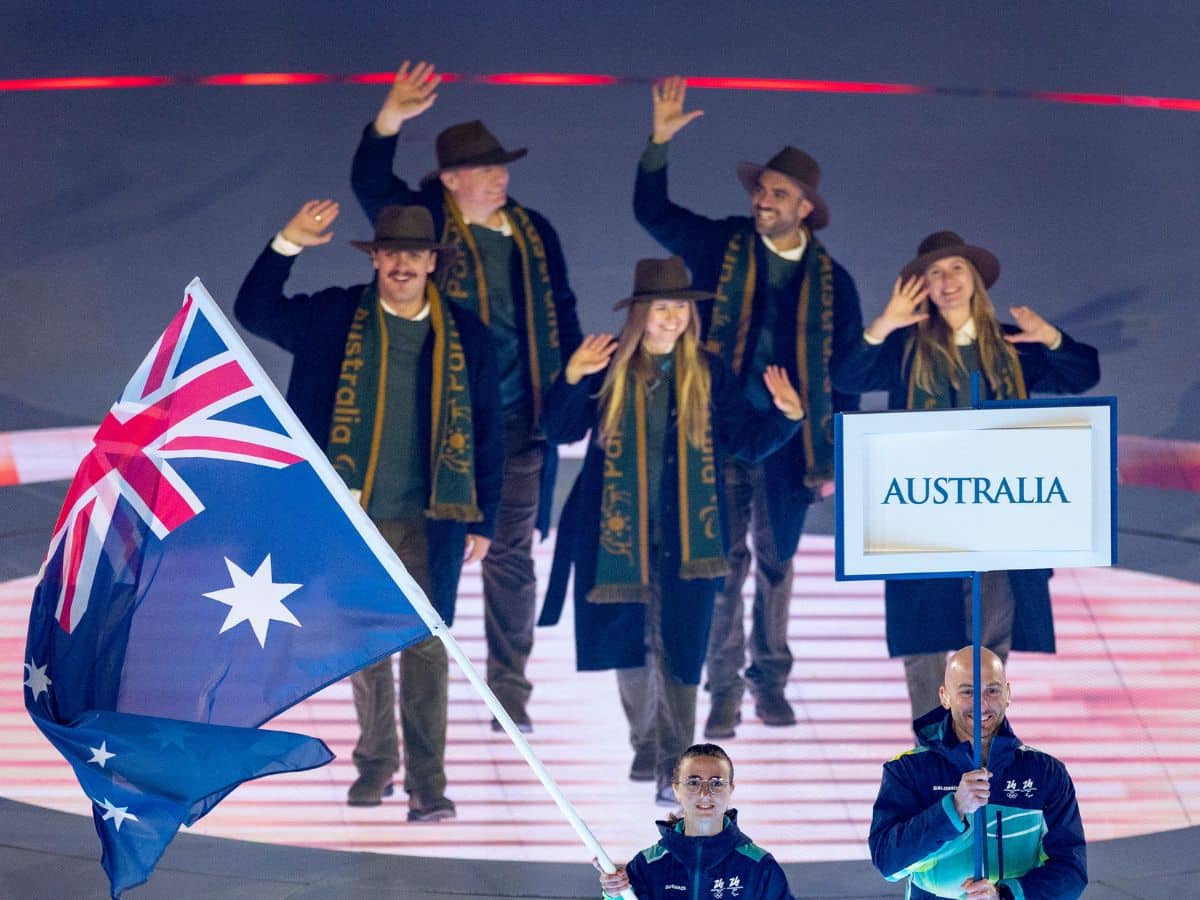
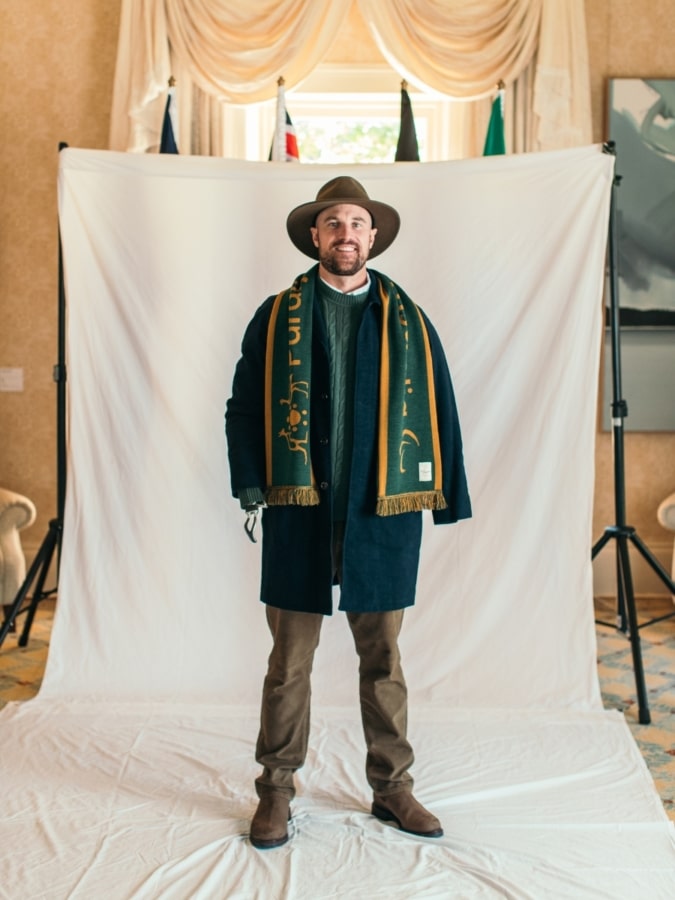
The visibility of the Australian Paralympic Team is further enhanced by their partnership with iconic Australian brand R.M. Williams. For the Milano Cortina 2026 Games, the official Opening Ceremony uniforms were designed not only for aesthetic appeal but for functional accessibility. This represents a broader shift in the sports industry toward inclusive design that considers the specific needs of athletes with disabilities.
The uniforms feature adaptive technologies, such as Velcro closures and specialized fastenings, which allow athletes with limited dexterity or prosthetic limbs to dress with independence and ease. Tudhope emphasized that these "little things" are significant, as they remove practical barriers and allow athletes to focus entirely on their performance. The psychological impact of the uniform is also notable; Pollard remarked that wearing the R.M. Williams kit provides a sense of pride and professional identity that marks the transition from the training phase to the global stage. The "dapper" look of the Australian team at the Opening Ceremony served as a statement of intent, signaling that the athletes were there to be taken seriously as elite professionals.
Addressing the Equity Gap in Para-Sport
While the successes in Cortina are cause for celebration, they also bring to light the ongoing challenges regarding equity in sport. Ben Tudhope has been vocal about the practical and financial barriers that remain for para-athletes. Despite the parity in effort and dedication, para-sport often lags behind in terms of funding, sponsorship, and accessible infrastructure.
Reaching the Paralympic Games requires an "extra step" for athletes with disabilities, involving logistical hurdles that able-bodied athletes rarely encounter. This includes the high cost of specialized equipment, the need for accessible training facilities, and the complexities of international travel with medical and mobility aids. The Australian Paralympic Committee and various sporting bodies have made strides in closing this gap, but athletes like Tudhope argue that true equity is still a work in progress. The success of the team in Milano Cortina serves as a powerful argument for continued and increased investment in para-sport programs.
Chronology of the Milano Cortina 2026 Campaign
The path to the podium for the Australian team followed a rigorous timeline of preparation and competition:
- Pre-Games Preparation: Years of international competition and training blocks in both the Australian Alps and European facilities.
- Opening Ceremony: The unveiling of the adaptive R.M. Williams uniforms and the formal entry into the Games at the stadium in Cortina.
- Snowboard Cross Heats: Early March saw the commencement of the snowboard cross events, with Pollard winning his opening heat and Tudhope establishing himself as a medal favorite.
- The Finals: The high-stakes SB-LL2 and SB-UL finals took place, resulting in Tudhope’s silver medal.
- Upcoming Events: The Australian snowboard team is scheduled to return to the slopes for the banked slalom on March 14, a discipline that requires extreme precision and edge control.
- Closing Ceremony: The Games will officially conclude on March 15 in Cortina d’Ampezzo, marking the end of the Milano Cortina 2026 Paralympic cycle.
Broader Impact and Global Implications
The performance of the Australian team at the 2026 Winter Paralympics has implications far beyond the medal tally. It contributes to a shifting global narrative regarding disability and athletic excellence. The Games provide a platform for stories of resilience and perspective, as noted by Sean Pollard, who believes that the diverse backgrounds of para-athletes offer a unique depth to the sporting world.

Furthermore, the technological advancements showcased in Cortina—from adaptive apparel to high-tech board maintenance—are likely to influence the broader consumer market. As brands like R.M. Williams demonstrate the feasibility and style of adaptive clothing, it paves the way for greater inclusivity in mainstream fashion and equipment manufacturing.
For the Australian public, the success of athletes like Tudhope and Pollard provides a source of national pride and encourages participation in winter sports among people with disabilities. The visibility of these athletes on major networks such as Channel Nine and Stan Sport ensures that their achievements reach a wide audience, fostering a more inclusive sporting culture for future generations.
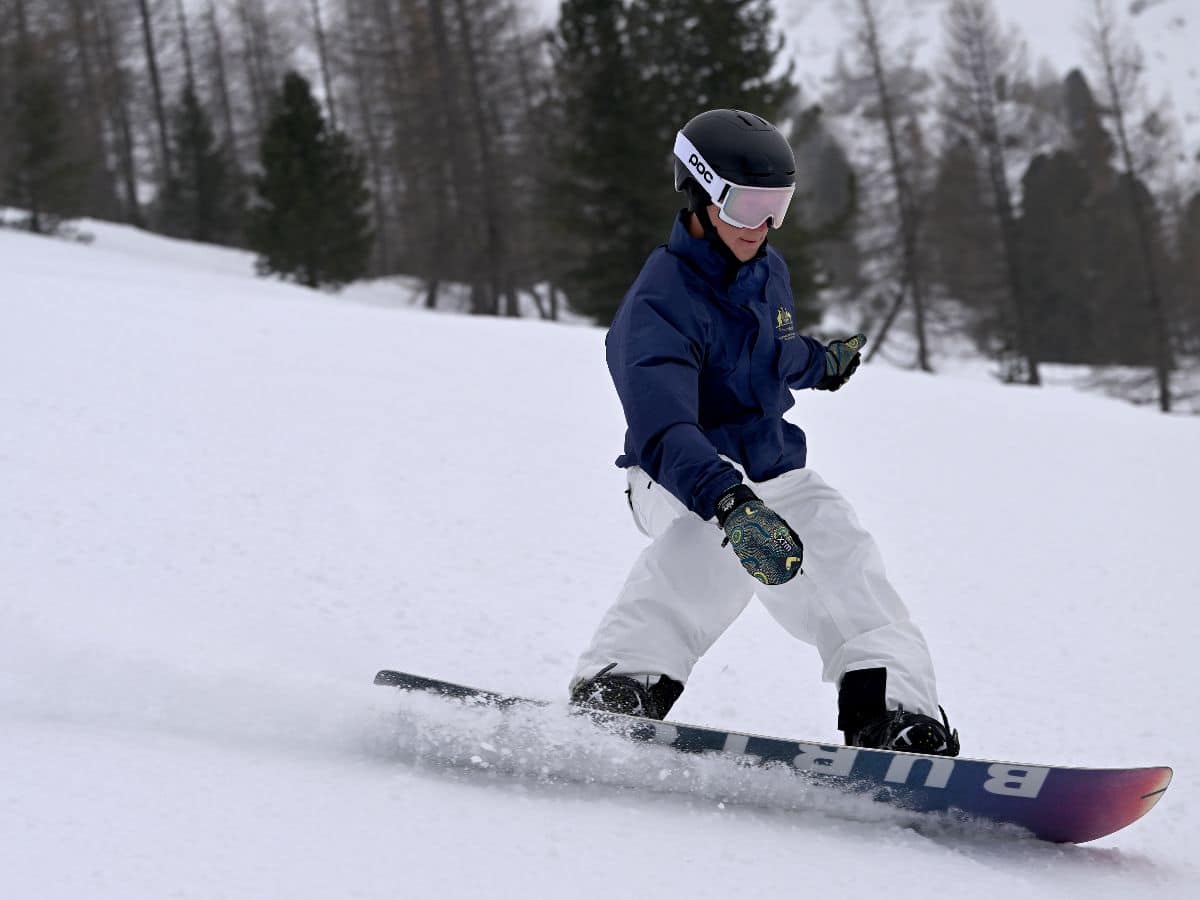
As the Milano Cortina 2026 Winter Paralympics draw to a close, the Australian team can look back on a campaign defined by silver-medal success, technical innovation, and a powerful demonstration of the "veteran" leadership that continues to drive the nation’s winter sports program forward. With the banked slalom still to come, the opportunity for further glory remains, but the legacy of this team—rooted in perspective, equity, and elite performance—is already secure.


 Yuyun Lusiyani
 Joko Widodo
 Eva Lovia
 Pevita Pearce
 admin
admin