
 Pevita Pearce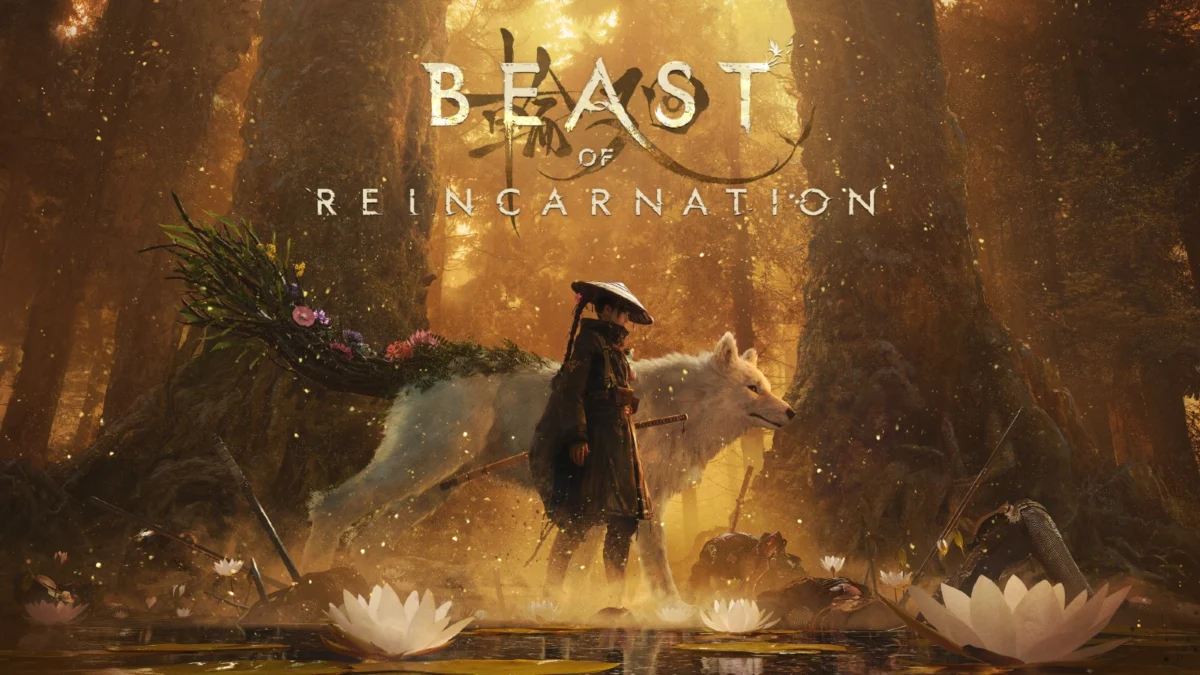
The release of Beast of Reincarnation marks a pivotal moment in the history of Game Freak, the Tokyo-based developer synonymous with the multi-billion-dollar Pokémon franchise. For nearly three decades, the studio has been defined by its work on creature-collection RPGs, rarely venturing far from the established mechanics of the Kanto and Paldea regions. However, Beast of Reincarnation represents a significant departure from these roots, offering a post-apocalyptic action RPG that trades turn-based strategy for high-intensity, "Soulslike" combat. Set in a desolate future, the title seeks to establish Game Freak as a versatile developer capable of competing in the increasingly crowded action-adventure market.
Narrative Foundations and the World of 4026
The setting of Beast of Reincarnation is a stark contrast to the vibrant, often utopian landscapes of the Pokémon series. The game is set in the year 4026, depicting a Japan ravaged by a catastrophic event known as the "Blight." This infectious force has decimated the human population and mutated the local flora and fauna into aggressive, distorted versions of their former selves. The narrative follows Emma, a "Sealer" who has been cast out from society. Sealers are individuals tasked with the dangerous duty of neutralizing the Blight, though they are often feared by the very people they protect.
Accompanying Emma is Koo, a large white canine companion reminiscent of the divine wolves seen in Studio Ghibli’s Princess Mononoke. Together, the pair traverses a ruined archipelago to defeat the "Nushi"—colossal, infected apex predators that rule various territories—and ultimately confront the titular Beast of Reincarnation. While the core narrative follows familiar post-apocalyptic tropes, the relationship between Emma and Koo serves as the emotional anchor of the experience. The story spans approximately 30 hours of gameplay, incorporating several plot twists that explore the origins of the Blight and the nature of the Sealer’s curse.
Combat Mechanics: A Synthesis of Action Subgenres
The most significant shift in Beast of Reincarnation is its combat system. Eschewing the menu-driven battles of Game Freak’s past, this title adopts a real-time, reflex-heavy approach that draws clear inspiration from FromSoftware’s Sekiro: Shadows Die Twice and Team Ninja’s action titles. The gameplay loop centers on a rhythmic dance of parries and counterattacks, where timing is the primary factor in survival.
The Role of the Canine Companion
Koo is not merely a cosmetic follower but a central component of the combat engine. Players do not directly control the wolf but rather issue commands that integrate with Emma’s attacks. When selecting Koo’s elemental abilities, the game utilizes a tactical slowdown mechanic similar to the "Active Time Battle" system in Final Fantasy VII Remake. This allows players to pause the frantic action and select specific targets for Koo to engage.
Koo’s abilities are plant-based and diverse:

- Fiery Flowers: A ranged attack that peppers enemies with explosive, scorched seeds.
- Shield-Breaking Branches: A heavy melee strike designed to shatter enemy defenses and launch them into the air for aerial juggles, echoing the combat style of Devil May Cry.
- Acid-Filled Bomb Flowers: A tactical utility that melts through heavily armored foes, applying damage-over-time effects.
To prevent ability spamming, the game employs a "Parry-to-Power" system. Players must successfully deflect incoming attacks to build up the resources required to trigger Koo’s commands. This creates a high-stakes risk-reward loop where the player must engage with the enemy’s most dangerous attacks to unlock their own offensive potential.
Emma’s Tactical Toolkit
While Koo provides elemental support, Emma handles the direct physical engagement. Her combat style is characterized by "Flower Combos," which involve high-mobility strikes and leapfrogging maneuvers. One of the game’s standout features is the "Entanglement Overdrive." Functioning similarly to "Witch Time" in Bayonetta or the "Overclock" mechanic in NieR: Automata, a perfectly timed dodge triggers a localized slowdown effect. During this window, Emma can reposition, recover health, or unleash a devastating flurry of blows. This mechanic is essential for managing the game’s "Nushi" boss fights, which often feature wide-reaching area-of-effect attacks and complex patterns.
Exploration and Traversal Systems
Despite its focus on combat, Beast of Reincarnation places a heavy emphasis on environmental navigation. Emma’s abilities as a Sealer extend to her hair, which she can magically manipulate to interact with the environment. This leads to several unique traversal mechanics:
- Vine Conjuration: Used to bridge gaps and cross treacherous cliffs.
- Beanstalk Summations: Holding the jump button allows Emma to sprout a giant beanstalk, providing vertical mobility to reach hidden areas.
- Plant-Based Grappling: A mechanic inspired by The Legend of Zelda: Breath of the Wild, allowing Emma to zip toward distant structures or her own conjured flora.
These tools are integrated into the combat as well, allowing Emma to gain a height advantage for "instant kill" takedowns on unsuspecting enemies. However, the traversal system has faced some criticism for the scale of the game’s world. Large zones, such as the Oguchi Buffer Zone and the Crater Zone, feature vast stretches of empty land. Critics and players alike have noted the absence of a mounting system for Koo or a gliding mechanic, which can make traveling between objectives feel sluggish during the mid-game.
Technical Performance and Visual Fidelity
Beast of Reincarnation has received a mixed reception regarding its technical presentation, particularly on the PlayStation 5. While the art direction—a blend of traditional Japanese aesthetics and industrial decay—is praised, the execution often falters.
Graphical Analysis
On the base PS5 hardware, the game suffers from inconsistent texture quality. Environments such as the underground "Rusty Robot" facilities and the rugged deserts often display muddy textures that feel outdated compared to other 2024/2025 releases like Ghost of Yotei. The "Nushi" boss designs are visually striking, but the standard enemy variety is limited, leading to visual fatigue during longer play sessions. Furthermore, the soundtrack has been described as repetitive, lacking the iconic melodic hooks usually associated with Game Freak’s audio department.
The "Base Camp" System
Borrowing from the "Bonfire" mechanic of the Souls series, Beast of Reincarnation features base camps scattered throughout the map. These camps serve as hubs where players can:

- Replenish healing potions and health.
- Invest experience points into Emma and Koo’s base statistics.
- Navigate complex skill trees to unlock new elemental attacks and passive buffs.
- Fast-travel between discovered regions.
Strategic Context: Game Freak’s "Gear Project"
To understand the existence of Beast of Reincarnation, one must look at Game Freak’s internal "Gear Project" initiative. This program allows staff to pitch and develop non-Pokémon projects during "off-seasons" or alongside main-line production. Previous titles from this initiative include Giga Wrecker, Tembo the Badass Elephant, and Little Town Hero.
Beast of Reincarnation is by far the most ambitious "Gear Project" to date. It signals a strategic attempt by Game Freak to diversify its portfolio and reduce its reliance on a single intellectual property. In an era where development costs are skyrocketing, having a secondary, mature-rated franchise could provide the studio with a hedge against market shifts and allow its developers to explore more complex gameplay systems that wouldn’t fit within the family-friendly Pokémon brand.
Broader Impact and Implications for the Industry
The release of Beast of Reincarnation comes at a time when the "Soulslike" genre is diversifying. No longer confined to the dark fantasy of FromSoftware, the genre is seeing influxes of "Action-Soulslike" hybrids that prioritize speed and flashiness over pure attrition. Game Freak’s entry into this space suggests that the studio is paying close attention to global gaming trends.
From a business perspective, the success of this title—or even its status as a "cult classic"—could influence how the studio approaches future Pokémon titles. The implementation of advanced traversal and more complex real-time combat elements could eventually bleed back into the main franchise, addressing long-standing criticisms regarding the stagnation of Pokémon’s technical and mechanical depth.
Final Assessment
Beast of Reincarnation is a bold, if unpolished, step forward for Game Freak. While it struggles with technical hurdles such as muddy textures and a lack of environmental density, its core combat loop is a resounding success. By blending the precision of Sekiro with the companionship mechanics of a monster-tamer, Game Freak has created a combat system that feels both familiar and distinct.
The game does not surpass the masterpieces that inspired it, but it achieves its primary goal: proving that Game Freak is more than just a one-trick pony. For players willing to look past the graphical inconsistencies, Beast of Reincarnation offers a rewarding, 30-hour journey through a hauntingly beautiful post-apocalyptic Japan, anchored by the best "digital dog" in recent memory. Whether this becomes a standalone hit or the start of a new franchise, it represents a necessary evolution for one of the world’s most famous development houses.




 Yuyun Lusiyani
 Joko Widodo
 Eva Lovia
 admin
admin
 Lina Irawan