
 Lina Irawan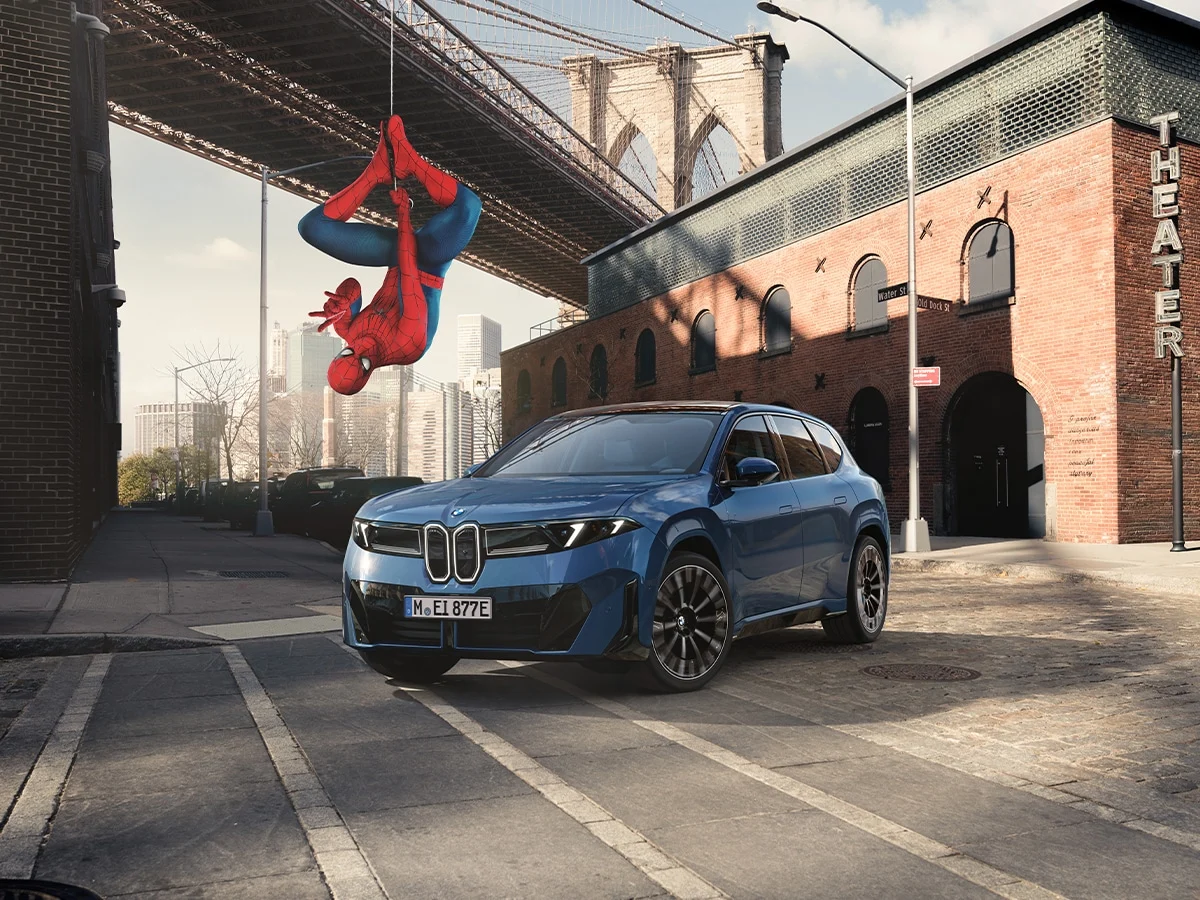
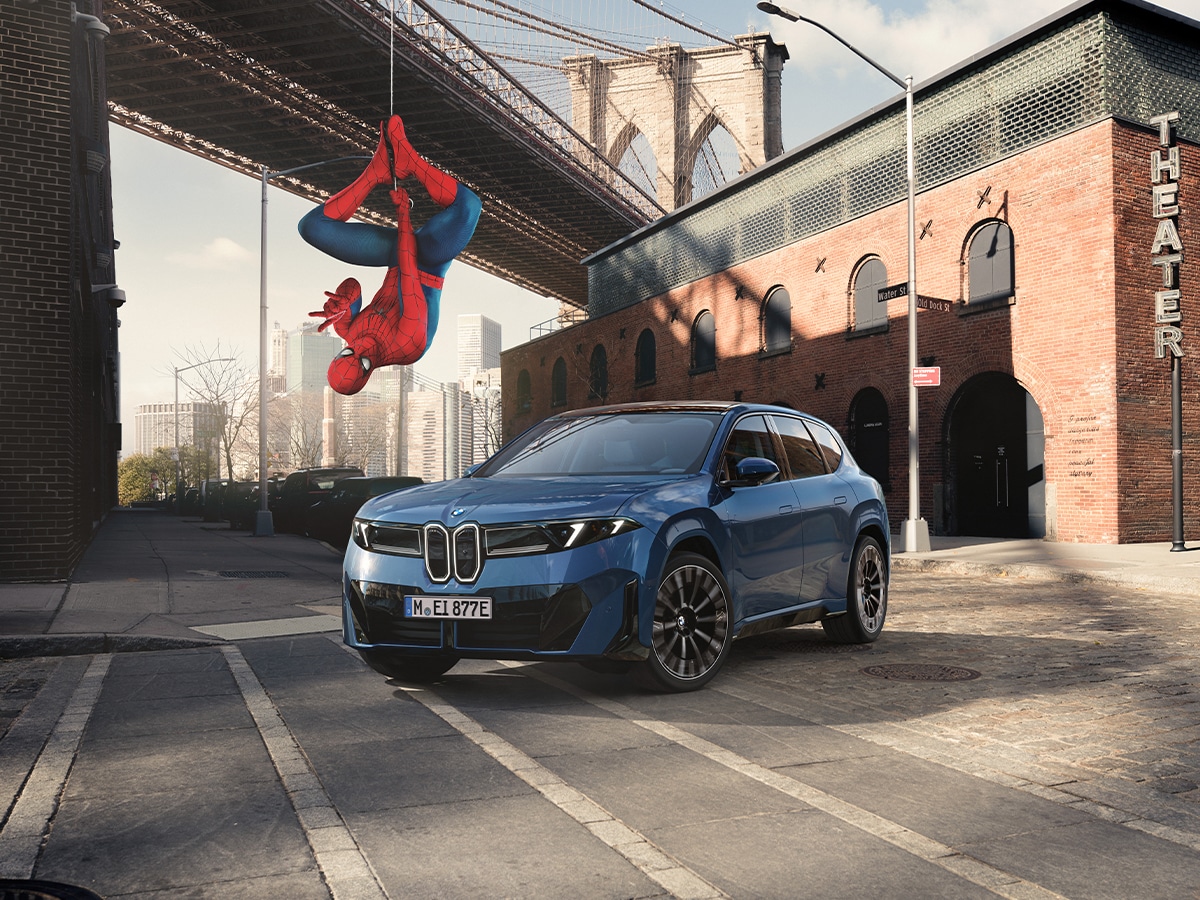
The BMW Group has initiated a global marketing campaign for Sony Pictures’ upcoming release, Spider-Man: Brand New Day, by deploying promotional content directly to the infotainment systems of millions of vehicles worldwide. The campaign, delivered via an over-the-air (OTA) software update, targets BMW models produced after July 2020 that are equipped with iDrive Operating Systems 7, 8, 8.5, 9, or X. This move has sparked significant debate regarding the boundaries of digital advertising and the sanctity of the driver-vehicle interface in the era of software-defined vehicles (SDVs).
The promotion manifests as a full-screen banner or prompt appearing on the primary instrument cluster or center console immediately upon vehicle startup. While BMW maintains that the interaction is elective—requiring a driver to click the banner to engage with the full promotional content—the presence of third-party marketing on a premium vehicle’s dashboard has drawn sharp criticism from owners and industry analysts alike. The update includes exclusive animations, synchronized ambient cabin lighting effects, and cinematic music, showcasing the deep integration capabilities of modern automotive software while simultaneously testing the limits of consumer tolerance for "monetized attention."
Technical Execution and Scope of the Update
The rollout constitutes one of the largest non-functional OTA updates in automotive history, spanning approximately 70 countries. By targeting iDrive versions ranging from the legacy OS 7 to the latest OS X, BMW has ensured that the campaign reaches a vast demographic, from owners of the previous generation 3 Series to those driving the flagship i7 and the newly revealed Neue Klasse prototypes.
The promotional package is designed to leverage the vehicle’s "My Modes" architecture. When activated, the "Spider-Man" experience utilizes the car’s internal hardware to create an immersive environment. This includes:
- Visual Displays: High-definition animations featuring superhero graphics across the Curved Display.
- Acoustic Integration: Cinematic soundscapes played through the vehicle’s premium audio system.
- Ambient Lighting: The cabin’s LED lighting strips transition to colors associated with the film’s branding, typically deep reds and blues.
- Exterior Technology: For select promotional models, such as the "iX3 Flow," BMW utilized its "E Ink Prism" technology. This allows the vehicle’s exterior paint to change patterns and animate graphics in real-time, effectively turning the car’s body into a dynamic display.
Historical Context: The Software-Defined Vehicle Transition
The controversy surrounding BMW’s latest move echoes a pivotal moment in consumer technology from a decade ago. In September 2014, Apple Inc. pushed U2’s album Songs of Innocence to 500 million iTunes accounts without user consent. The move, intended as a gift, was widely perceived as an intrusion into personal digital space, leading Apple to release a dedicated removal tool following a public relations crisis.

Automotive experts suggest that BMW’s Spider-Man campaign represents a similar overreach in the burgeoning SDV sector. As vehicles transition from mechanical machines to "computers on wheels," manufacturers are increasingly viewing the dashboard as a digital storefront. This shift is driven by the search for post-sale revenue streams. According to data from McKinsey & Company, the market for automotive software and electronics is expected to reach $462 billion by 2030, representing a compound annual growth rate of 5.5%. For legacy automakers like BMW, capturing a portion of this market through digital services and partnerships is a strategic priority.
The Policy Pivot: From Sanctuary to Billboard
The deployment of the Spider-Man advertisement stands in stark contrast to previous statements made by BMW leadership regarding the privacy of the vehicle cabin. In December 2021, Stephan Durach, Senior Vice President of Connected Company Development at BMW Group, explicitly addressed the prospect of in-car advertising during an industry roundtable.
"I think your car is your last private space," Durach stated at the time. "It’s where you can do whatever you want by yourself… To say I’m selling the screen to play a commercial, I don’t see it. It’s a private space."
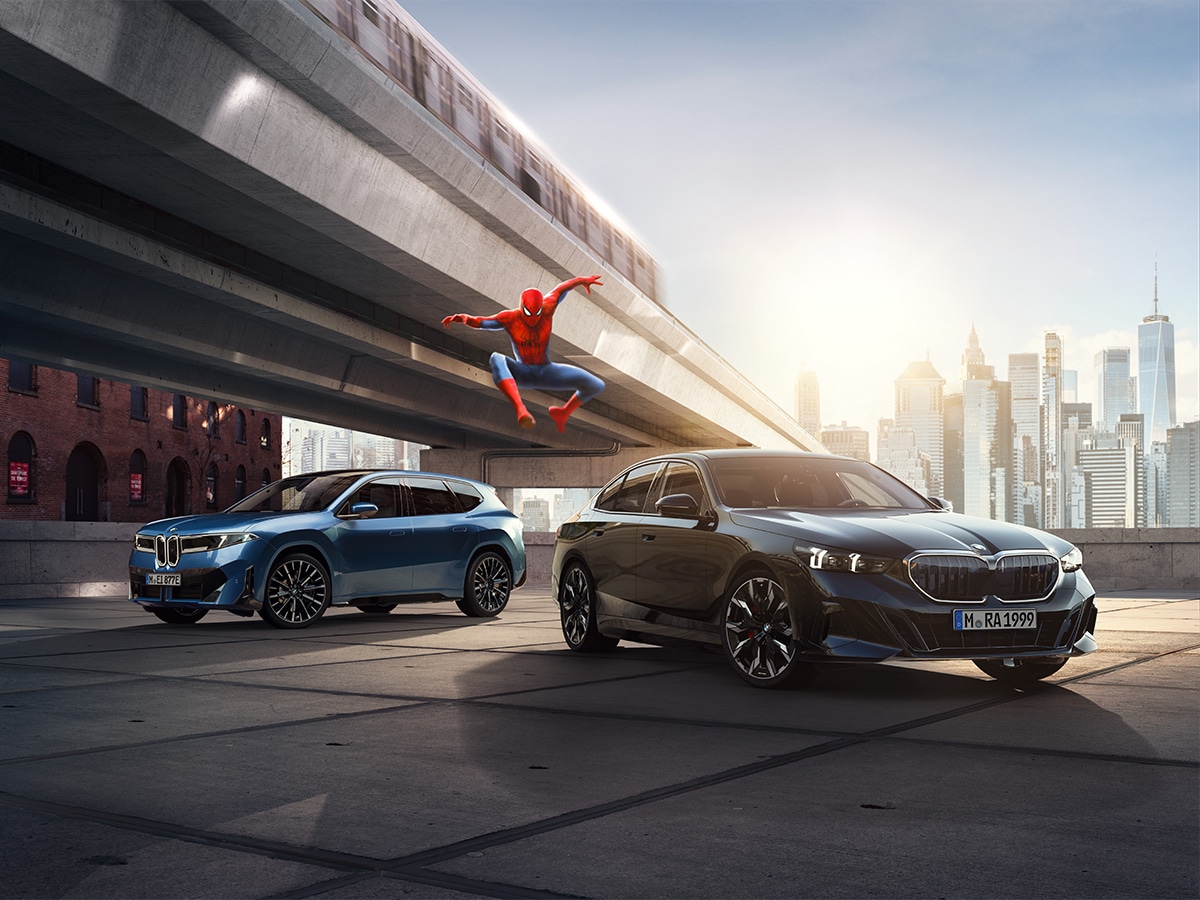
The current campaign suggests a significant shift in internal policy or a redefinition of what constitutes a "commercial" versus an "exclusive owner experience." Bernd Körber, Senior Vice President of BMW Brand Management, framed the update in a more positive light, describing the movie tie-in as a "special surprise" for drivers and a celebration of the "new BMW era" joining forces with "a brand new day."
Recurring Revenue and the Subscription Model
The Spider-Man promotion is part of a broader, more controversial trend within the BMW Group to monetize vehicle hardware through software locks. The company previously faced international backlash for introducing a monthly subscription fee (approximately $18 USD in various markets) to activate heated seats—a feature already physically installed in the vehicles at the time of manufacture.
While BMW eventually pivoted away from charging for basic hardware features like seat heating, the company has maintained a robust digital "Functions on Demand" store. Currently, many new BMW models are equipped with 360-degree cameras, adaptive suspensions, and advanced driver-assistance systems (ADAS) that remain inactive unless the owner pays a one-time fee or a recurring subscription. The introduction of third-party advertisements via OTA updates suggests that BMW is now exploring "ad-supported" models, a common practice in the smartphone and streaming industries but largely unprecedented in the luxury automotive sector.
Consumer and Market Reaction
The reaction from the BMW owner community has been predominantly negative. On platforms such as Reddit and various BMW enthusiast forums, users have expressed concerns over "software-defined intrusions" and the degradation of the premium brand experience. One widely cited comment described the update as a "dystopian eventuality," highlighting a growing anxiety that high-value assets like luxury vehicles are no longer fully under the owner’s control once connected to the manufacturer’s cloud.
Market analysts note that while the revenue from a single movie partnership may be negligible for a company of BMW’s size, the precedent it sets is significant. If consumers accept startup advertisements, it could open the door for more intrusive forms of data-driven marketing, such as location-based ads for restaurants or fuel stations appearing on the navigation screen.
Legal and Regulatory Implications
The practice of pushing unrequested commercial content to a vehicle’s primary safety and navigation interface may eventually attract the attention of regulators. In the European Union, the General Data Protection Regulation (GDPR) and the Digital Services Act (DSA) set strict guidelines on how companies can interact with consumers digitally. While BMW’s update likely falls within the broad "terms and conditions" agreed to by owners during the initial setup of their ConnectedDrive accounts, the "opt-out" nature of these OTA updates is a point of contention.
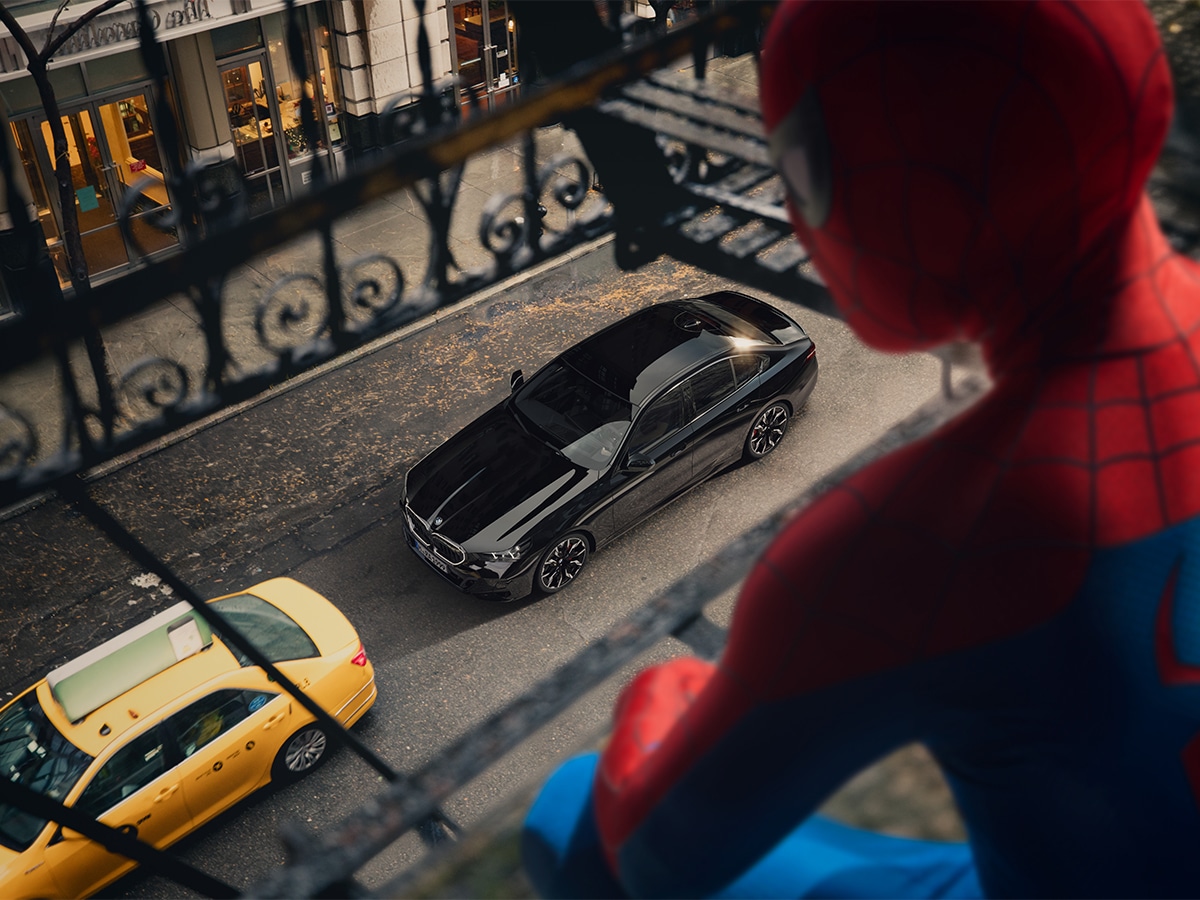
Furthermore, safety advocates have raised questions regarding "cognitive load" and driver distraction. While BMW ensures the animation does not play while the vehicle is in motion, the presence of a large, brightly colored advertisement during the critical moments when a driver is starting their car and potentially setting their navigation or climate controls is seen by some as a safety compromise.
The Future of the Dashboard Covenant
As the automotive industry continues its pivot toward electrification and software integration, the "covenant" between the builder and the buyer is being rewritten. For decades, the purchase of a vehicle was a static transaction; the car’s features and interface remained unchanged from the day it left the showroom. Today, the OTA update capability allows for constant improvement, such as performance enhancements or security patches. However, as demonstrated by the Spider-Man campaign, it also allows manufacturers to alter the user experience in ways the buyer may not have anticipated or desired.
The success or failure of BMW’s Spider-Man campaign will likely serve as a bellwether for the rest of the industry. Competitors such as Mercedes-Benz, which recently debuted its 39.1-inch MBUX Hyperscreen, and Audi are watching closely to see if the "rolling billboard" model is a viable path toward profitability or a permanent stain on brand prestige. For now, BMW owners are left to decide whether the "exclusive surprise" on their dashboard is a glimpse into a high-tech future or an unwelcome intrusion into their last private space.



 Yuyun Lusiyani
 Joko Widodo
 Eva Lovia
 Pevita Pearce
 admin
admin