Pevita Pearce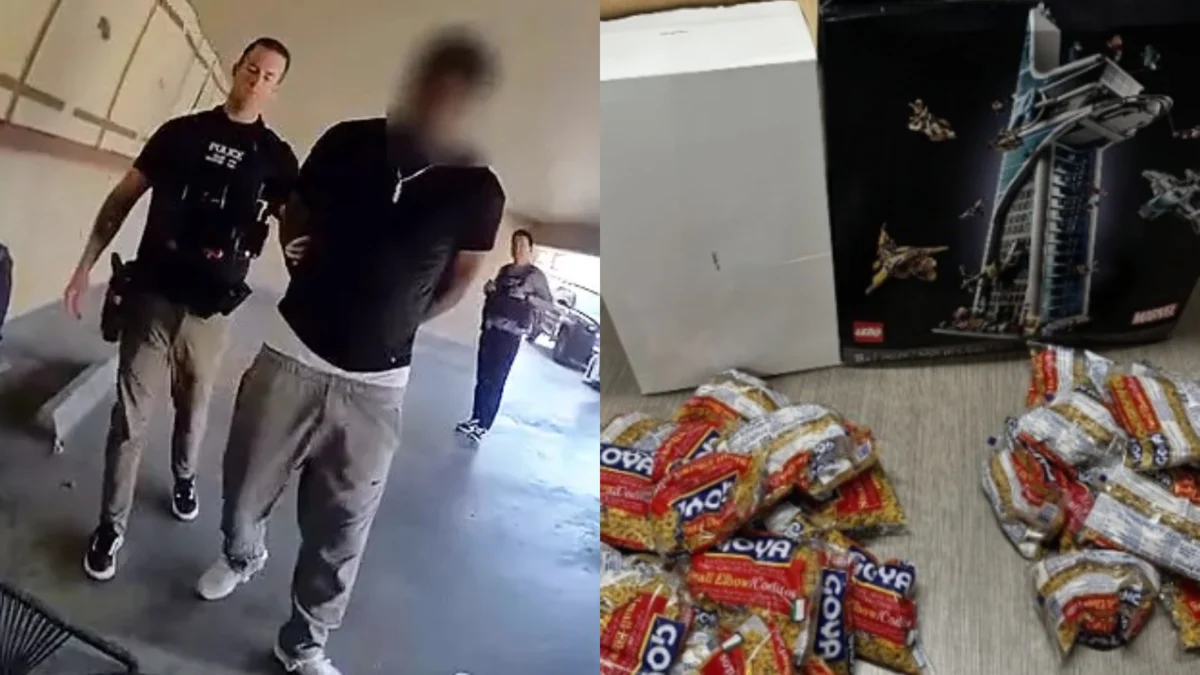
Authorities in Southern California have apprehended a 28-year-old man in connection with a sophisticated retail fraud operation that spanned dozens of locations and involved the systematic replacement of high-value LEGO sets with dried pasta. The Irvine Police Department confirmed the arrest of Jarrelle Augustine, who is accused of defrauding the retail giant Target of approximately $34,000 through a series of fraudulent returns. The investigation, which culminated in an arrest on April 14, 2024, has shed light on the increasing complexity of organized retail crime and the specific vulnerabilities within the secondary market for collectible toys.
According to official police reports and surveillance footage released by the department on April 16, Augustine allegedly executed a "return fraud" scheme that targeted at least 70 different Target locations across the United States. The methodology was as consistent as it was unusual: Augustine would purchase premium LEGO sets—often those containing rare "minifigures" or intricate parts—and then carefully open the packaging. After removing the valuable plastic components, he would refill the boxes with Goya-brand pasta noodles to approximate the original weight of the product before resealing the boxes and returning them for a full refund.
The Mechanics of the Investigation and Arrest
The Irvine Police Department’s Property Crimes Unit began tracking the suspect after receiving reports of tampered merchandise appearing on store shelves in the region. Modern retail loss prevention systems are increasingly adept at identifying patterns of suspicious returns, and the sheer volume of Augustine’s activity eventually triggered internal alarms at Target’s regional security hubs.
On April 14, detectives from the Irvine Police Department (IPD) conducted a targeted surveillance operation. Officers observed the suspect at a local Target branch, where he was seen exiting the store with LEGO merchandise. Police bodycam and surveillance footage show the moment of the intervention, as officers apprehended Augustine while he was inside his vehicle in the store’s parking lot.
Following the arrest, a search of the vehicle and subsequent investigation revealed the extent of the operation. Augustine was booked at the Orange County Jail on charges of grand theft, a felony in the state of California for thefts exceeding $950. The IPD utilized social media to announce the arrest, adopting a tone that blended factual reporting with several puns related to the nature of the crime, noting that the suspect’s "master plan" was eventually "cooked al dente" by diligent detective work.
Understanding the Value of the "LEGO Black Market"
To the casual observer, the theft of plastic building blocks might seem trivial compared to high-end electronics or jewelry. However, the secondary market for LEGO products is a multi-billion-dollar industry. High-value sets, particularly those licensed under franchises like Star Wars, Marvel, or Harry Potter, often appreciate in value the moment they are retired from production.
More importantly for retail thieves, the "minifigures"—the small articulated characters included in sets—can command prices ranging from $5 to several hundred dollars each on platforms like eBay or BrickLink. By removing only the figures and the most desirable pieces, a thief can leave the bulk of the "filler" bricks or, in Augustine’s case, replace the entire contents with inexpensive foodstuffs like pasta. This allows the perpetrator to retain the high-value assets for resale while recovering the initial capital investment through a fraudulent return.
Industry analysts note that LEGO sets are often referred to as "liquid gold" among retail criminals because they are difficult to track, lack serial numbers on individual pieces, and have a universal demand that ensures quick turnover in the underground market. The $34,000 figure cited by Irvine police represents the retail value of the sets tampered with, though the actual profit generated from the sale of the stolen components could vary based on market demand.
A Timeline of the Fraudulent Activity
The investigation suggests that the scope of the crime was not limited to the immediate vicinity of Irvine. The timeline of the alleged activity indicates a coordinated effort to hit multiple jurisdictions to avoid detection by local store managers.
- Early 2024: Retailers begin noticing an uptick in "dead boxes"—returned items that contain incorrect merchandise—specifically within the toy aisles of major big-box stores in California.
- March 2024: Internal loss prevention at Target identifies a recurring pattern of LEGO returns linked to a specific set of credentials or geographic movements.
- April 14, 2024: Irvine Police Department detectives observe the suspect at a Target location. Augustine is arrested after allegedly attempting another fraudulent transaction.
- April 15, 2024: Evidence processing reveals the use of Goya pasta as a weight substitute in dozens of boxes, confirming the "pasta-LEGO" modus operandi.
- April 16, 2024: The Irvine Police Department publicly identifies Jarrelle Augustine and details the $34,000 loss across 70 stores.
The Rising Trend of Organized Retail Crime (ORC)
The arrest of Augustine is part of a broader, more concerning trend of organized retail crime that has plagued the United States over the last several years. According to the National Retail Federation (NRF), retail theft accounted for nearly $112 billion in losses in 2022, up from $93.9 billion in 2021. While "smash-and-grab" robberies often dominate the headlines, "return fraud"—the category Augustine’s alleged crimes fall into—is a significant contributor to these figures.
The use of food items to facilitate retail theft is a recurring, if bizarre, theme in recent police blotters. Just weeks prior to Augustine’s arrest, a man in Florida was charged with using taco seasoning packets to manipulate the weight of trading card packages to facilitate theft. These incidents highlight a specific tactic: matching the weight of a product to deceive automated scales or unsuspecting customer service representatives during the return process.
Implications for Retailers and Consumers
The "pasta-LEGO" scheme has significant implications for both the retail industry and the average consumer. For retailers like Target, the incident underscores the need for more rigorous return inspections, particularly for high-value collectibles. Many stores have already begun implementing policies where "blind" returns of electronics and toys are no longer permitted; instead, employees must open the box to verify the contents before issuing a refund. However, this creates a friction point in the customer experience, leading to longer wait times and potential disputes with honest customers.
For consumers, the risk is the "phantom purchase." When a fraudulent return like Augustine’s is successfully processed, the item is often placed back on the shelf for resale. A customer purchasing a high-priced LEGO set for a birthday or holiday may arrive home only to find a box of pasta instead of the intended toy. This not only causes immediate frustration but erodes trust in the retail chain.
The Irvine Police Department has advised consumers to be vigilant when purchasing items that show any signs of tampering, such as compromised tape or irregular box weight. "Like most bad builds, this one didn’t hold together," the department stated, emphasizing that while the crime was creative, the digital and physical footprint left by the suspect across 70 stores made his apprehension inevitable.
Legal Consequences and Next Steps
Jarrelle Augustine currently faces multiple counts of grand theft. Under California Penal Code 487, grand theft is a "wobbler," meaning it can be charged as either a misdemeanor or a felony depending on the defendant’s criminal history and the specific circumstances of the case. Given the multi-jurisdictional nature of the crimes and the high dollar amount involved, prosecutors are likely to pursue felony charges.
The Orange County District Attorney’s office is expected to review the evidence provided by the Irvine PD, including the surveillance footage and the physical evidence of the tampered boxes. If convicted, Augustine could face significant prison time and be ordered to pay full restitution to Target for the $34,000 in losses.
As of late April, Target has not issued a formal statement regarding the specific security lapses that allowed the suspect to hit 70 stores before being caught, though the company generally maintains a policy of cooperating fully with law enforcement in matters of organized retail crime. The case serves as a stark reminder that in the world of modern crime, even the most playful of products can become the center of a sophisticated criminal enterprise.




 Jia Lissa
 Yuyun Lusiyani
 Joko Widodo
 Eva Lovia