
 Pevita Pearce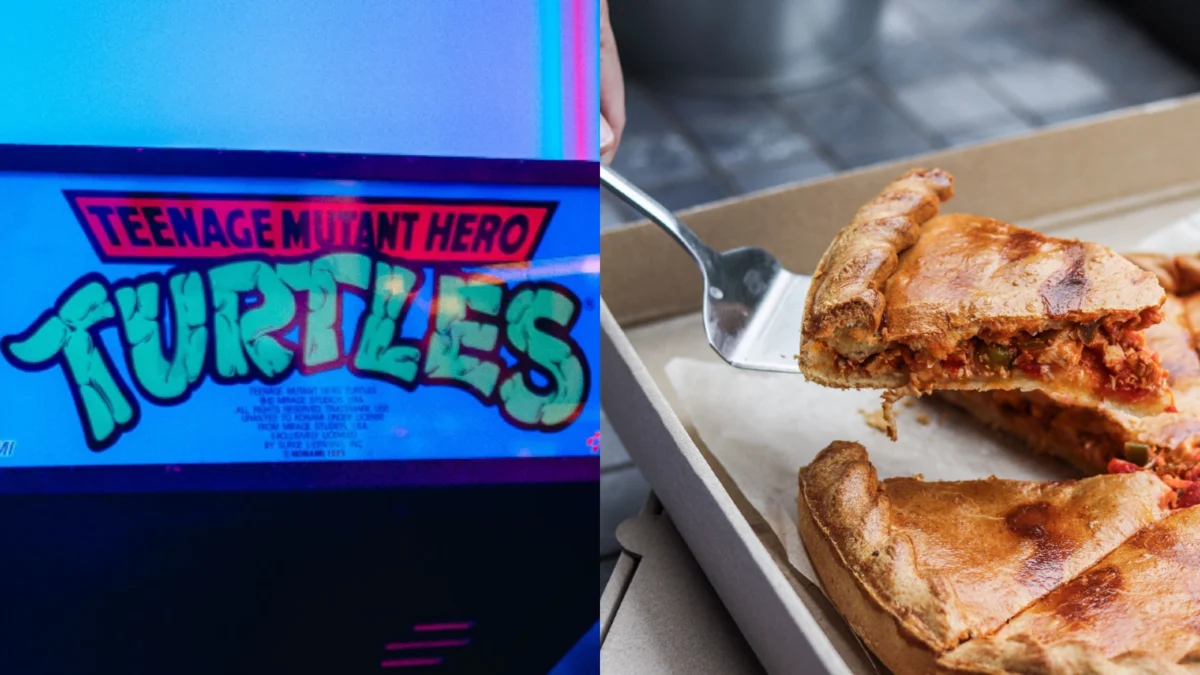
Cowabunga! Pizza Pies, a family-owned establishment located in Chicago, Illinois, has recently become the center of a significant digital controversy that highlights the friction between modern automation and traditional customer service expectations. The restaurant, which markets itself heavily on a 1990s aesthetic and a thematic connection to the Teenage Mutant Ninja Turtles (TMNT) franchise, is facing a wave of negative feedback known as "review bombing." This surge in criticism follows reports that the establishment has implemented artificial intelligence (AI) agents—specifically programmed to mimic the persona of Ninja Turtles—to handle telephonic orders, coupled with a series of confrontational public responses from the business toward dissatisfied patrons.
The establishment’s branding is built upon a foundation of "totally rad" nostalgia, aiming to transport customers back to the late 20th century through its decor and marketing language. However, the introduction of 21st-century technology into this retro-themed environment has proven polarizing. The controversy gained national attention after a social media post went viral, detailing a customer’s refusal to provide sensitive financial information to a digital recreation of a fictional turtle.
The Integration of Artificial Intelligence and Nostalgia Branding
At the heart of the dispute is the shop’s decision to use an AI-driven voice interface for order processing. According to customer reports, callers attempting to place orders via telephone are greeted by an AI agent performing the role of Michelangelo, one of the four protagonists of the TMNT series. While the use of AI in the quick-service restaurant (QSR) industry is increasing, Cowabunga! Pizza Pies has taken the unique step of giving its automated system a specific, character-driven personality.
The friction point for many consumers appears to be the transition from casual conversation to the exchange of personal data. One specific review, which became the catalyst for the current viral discourse, was posted by a user identified on X (formerly Twitter) as @tgmt_nikkitine. The customer left a one-star rating on Google, stating, "Sorry I don’t want to give my card details to AI Michelangelo." This sentiment reflects a broader societal anxiety regarding data privacy and the perceived "uncanny valley" effect of using fictional characters to conduct serious financial transactions.
The business’s response to this specific feedback was notably unorthodox. Rather than offering a standard corporate apology or an explanation of their data security protocols, the shop replied: "Cool story bro! Welcome to the future! […] get a life!" This aggressive stance has since become a hallmark of the store’s online presence, leading to further escalations in the digital sphere.
A Timeline of the Social Media Escalation
The transition of Cowabunga! Pizza Pies from a local niche eatery to a viral subject occurred over a rapid 72-hour period. The chronology of the event can be traced through several key stages:
- Initial Implementation: The shop introduced the AI Ninja Turtle phone agents as a way to streamline the ordering process and reinforce its thematic branding.
- The Viral Post: On or around September 20, 2024, the screenshot of the "AI Michelangelo" review and the subsequent "get a life" response began circulating on X.
- Mass Visibility: Within hours, the post amassed millions of views, drawing the attention of both nostalgia enthusiasts and critics of AI automation.
- The Review Surge: Following the viral exposure, the restaurant’s Google Business profile was inundated with hundreds of new reviews. While some users praised the "edgy" responses as a humorous marketing tactic, a significant majority criticized the lack of professionalism and the reliance on automated systems.
- Owner Persistence: Despite the mounting pressure, the store’s management continued to reply to negative reviews using derogatory terms such as "dorks," "morons," and "dumb," further fueling the controversy.
Industry Context: The Rise of Automated Voice Ordering
The situation at Cowabunga! Pizza Pies is an extreme example of a wider trend within the American food service industry. As labor costs rise and the availability of front-of-house staff fluctuates, many restaurants are turning to AI voice bots to handle high volumes of phone calls. According to industry data from 2023, the market for AI in the food and beverage sector is projected to reach over $29 billion by 2026.
Major chains, including McDonald’s and Wendy’s, have experimented with AI at drive-thrus, though these initiatives have met with mixed results. For example, McDonald’s recently announced it would end its global partnership with IBM on an automated order-taking pilot after several viral videos showed the system incorrectly processing orders. The Cowabunga! Pizza Pies incident suggests that for smaller, independent businesses, the implementation of such technology carries even higher risks, particularly when the technology is used as a primary point of contact for customer service.
Analyzing the Impact of Unconventional Customer Service Responses
In the digital age, a business’s response to negative feedback is often as visible as the review itself. Conventional public relations wisdom suggests that businesses should remain objective, empathetic, and solution-oriented. Cowabunga! Pizza Pies has opted for the opposite approach, engaging in what some digital marketers call "antagonistic branding."
While brands like Wendy’s have successfully used "roasting" or playful insults on social media to build a following, there is a distinct difference between corporate banter on X and insulting individual customers who have legitimate concerns about order accuracy or data security. The aggressive replies from the Chicago pizza shop have led to a "review bombing" campaign—a coordinated effort to lower a business’s rating—which can have long-term consequences for local search engine optimization (SEO) and foot traffic.
Google’s policies generally prohibit "fake" reviews or those not based on a real customer experience. However, when a business’s own public responses are the source of the grievance, the line between a legitimate complaint and a coordinated attack becomes blurred.
Consumer Privacy and the Security of AI-Managed Transactions
The specific concern raised by the customer regarding "AI Michelangelo" and credit card details highlights a significant hurdle for AI adoption: trust. When a customer provides a credit card number over the phone to a human employee, there is a baseline of human accountability. When that data is requested by an AI agent—especially one speaking in a 1990s surfer-slang dialect—consumers may feel a heightened sense of vulnerability.
From a technical standpoint, most modern AI voice agents used in restaurants are integrated with secure, PCI-compliant payment gateways. These systems are designed to encrypt data immediately, often making them more secure than a human employee writing down card numbers on a piece of paper. However, Cowabunga! Pizza Pies has seemingly failed to communicate these security measures to its clientele, choosing instead to mock those who express apprehension.
Broader Impact and Implications for Thematic Dining
The controversy surrounding Cowabunga! Pizza Pies serves as a cautionary tale for the thematic dining industry. Thematic restaurants rely on the "suspension of disbelief" and a high degree of customer engagement. When technology disrupts that experience—or when the management behind the theme breaks the "fourth wall" to insult the audience—the brand’s value proposition is compromised.
Chicago is home to one of the most competitive pizza markets in the world, characterized by a deep reverence for tradition. In an environment where local favorites have operated for decades based on personal relationships and consistent quality, the introduction of a polarizing AI interface can alienate the very community a family-owned shop needs to survive.
Furthermore, this incident underscores the growing divide in consumer sentiment regarding AI. While younger, tech-savvy demographics may find the concept of a "Ninja Turtle" bot amusing, older demographics or those concerned with the automation of labor may view it as a detriment to the community.
Current Status of the Controversy
As of the latest reports, Cowabunga! Pizza Pies remains operational, and its management has shown no signs of retracting its statements or modifying its phone system. The shop’s Google rating continues to fluctuate as new reviews are posted and older, non-compliant reviews are potentially flagged for removal by Google’s moderation team.
The event has also sparked a secondary debate about the "right to be served by a human." As more service-oriented businesses automate their front-end operations, consumer advocacy groups are beginning to question whether customers should have a clear, immediate option to bypass AI systems, particularly when financial information is involved.
For now, Cowabunga! Pizza Pies stands as a unique case study in how not to manage a digital reputation. Whether the shop will thrive as a "cult" destination for those who appreciate its combative style, or whether the weight of negative public perception will force a change in strategy, remains to be seen. In the interim, the "AI Michelangelo" remains on the line, ready to take orders from anyone willing to navigate the boundary between 90s nostalgia and the automated future.




 Yuyun Lusiyani
 Joko Widodo
 Eva Lovia
 admin
admin
 Lina Irawan