
 Pevita Pearce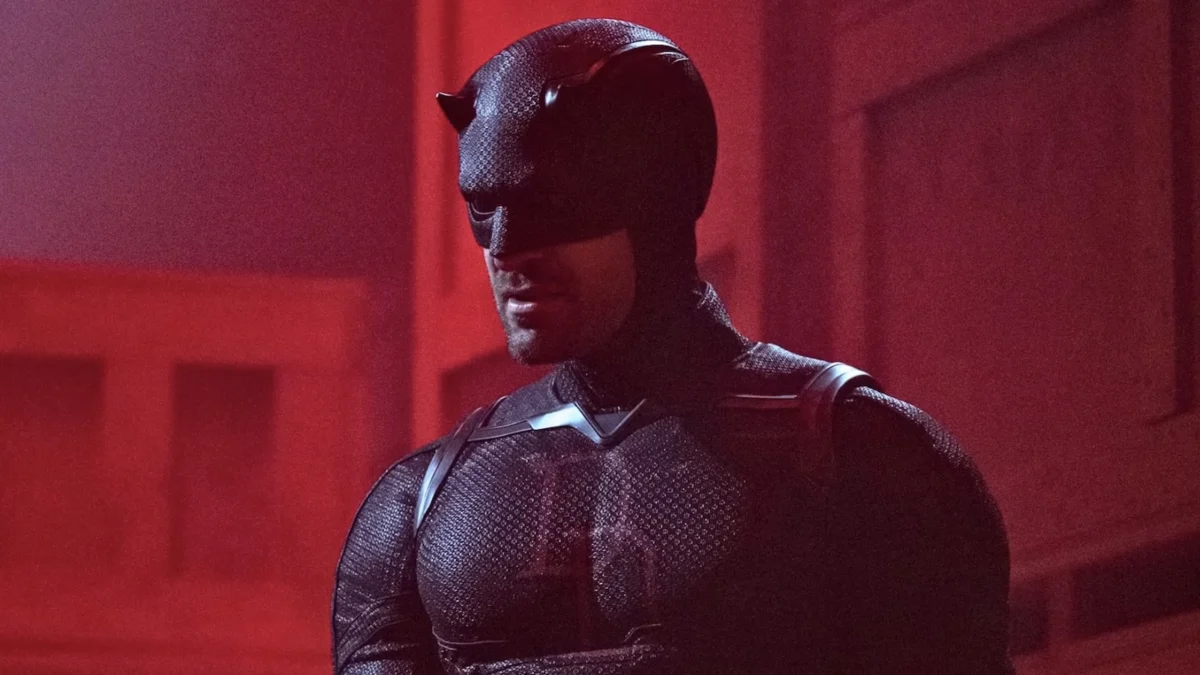
The second season of Daredevil: Born Again represents a pivotal moment for the Marvel Cinematic Universe as it integrates the grounded, visceral storytelling of the original Netflix series with the broader narrative stakes of the current Disney+ era. Following the dramatic events of the first season, which saw Wilson Fisk (Vincent D’Onofrio) consolidate power and systematically dismantle the life of Matt Murdock (Charlie Cox), the new episodes depict a New York City under a regime that blurs the lines between municipal governance and organized crime. Murdock, stripped of his legal standing and forced into the shadows, leads a grassroots resistance against Mayor Fisk in a narrative that showrunners describe as a reflection of contemporary sociopolitical tensions.
The Escalation of the Murdock-Fisk Conflict
The narrative core of Season 2 centers on the fallout of Wilson Fisk’s ascent to the Mayor’s office. Having utilized his vast resources to secure a democratic mandate, Fisk has transitioned from a back-alley kingpin to a legitimate political figurehead, wielding the law as a weapon against his detractors. The season opens with Matt Murdock on the defensive, operating as a fugitive after his civilian identity was compromised and his residence destroyed in the previous season’s finale.
This shift in power dynamics fundamentally alters the "Man Without Fear." No longer acting as a vigilante within a functioning legal system, Murdock must navigate a city under martial law. Fisk has established an "Anti-Vigilante Task Force," a paramilitary unit that functions as his private enforcement arm. This group is tasked with the systematic removal of "masked threats," effectively silencing any opposition to Fisk’s administration. The narrative focuses on Murdock’s struggle to maintain his moral compass while engaging in what has essentially become an urban insurgency.
Chronology of the Daredevil Franchise Transition
The journey to Daredevil: Born Again Season 2 has been marked by significant creative shifts and production milestones. Understanding the current state of the series requires a look at the timeline of the character’s transition into the primary MCU continuity:

- October 2018: The original Daredevil series is canceled by Netflix after three seasons, despite high viewership and critical acclaim.
- December 2021: Charlie Cox officially enters the MCU as Matt Murdock in Spider-Man: No Way Home, while Vincent D’Onofrio appears as Kingpin in the Hawkeye series.
- May 2022: Marvel Studios officially announces Daredevil: Born Again for Disney+.
- Late 2023: Following a creative overhaul during the SAG-AFTRA and WGA strikes, the show undergoes a reboot to align more closely with the tone and continuity of the original Netflix series. Dario Scardapane is appointed as showrunner.
- March 2025: Season 2 is scheduled to premiere, following the successful launch of the initial episodes.
This timeline reflects a broader strategy shift within Marvel Studios toward "Marvel Spotlight," a branding initiative designed to focus on character-driven, street-level stories that do not require extensive knowledge of the wider Avengers-level continuity.
Supporting Cast and New Antagonists
While the primary conflict remains the ideological and physical battle between Murdock and Fisk, Season 2 introduces new variables that complicate the power struggle. Matthew Lillard joins the cast as Mr. Charles, a high-ranking CIA operative. Unlike previous government figures in the series, Charles represents the federal government’s pragmatic—and often unethical—interest in Fisk’s "Freeport" project. The Freeport serves as a sovereign criminal enterprise operating under the guise of municipal infrastructure, allowing Fisk to manage illicit trade without traditional oversight.
The return of Deborah Ann Woll as Karen Page provides the emotional anchor for the season. Page, now working alongside Murdock in a more clandestine capacity, investigates the financial corruption underpinning Fisk’s administration. The second half of the season is also notable for the reintroduction of Krysten Ritter as Jessica Jones. Her arrival signifies a move toward reunifying the "Defenders" era characters, though the production team has emphasized that these appearances are narratively driven rather than serving as mere fan service.
Production Data and Technical Execution
The technical production of Season 2 sees the return of Philip Silvera as the stunt coordinator and second unit director. Silvera, who was instrumental in the acclaimed action sequences of the original series, has prioritized a return to long-take, "one-shot" fight choreography.
Data from the production indicates a significant increase in the use of practical effects and on-location filming in New York City to maintain the show’s gritty aesthetic. The "Black Suit," a tactical outfit Matt Murdock adopts this season, was designed specifically for these high-intensity sequences. Unlike the reinforced red suit of earlier iterations, the black suit emphasizes stealth and mobility, reflecting Murdock’s status as a guerrilla fighter.

Action sequences in Season 2 are notably more brutal than those seen in other Disney+ Marvel offerings. The stunt team has focused on environmental storytelling, where Murdock utilizes the decaying infrastructure of the city—cargo ships, abandoned prisons, and subway tunnels—to neutralize the better-equipped Anti-Vigilante Task Force.
Themes of Fascism and Moral Ambiguity
Showrunner Dario Scardapane has stated that the overarching theme of Season 2 is the "erosion of the line between justice and criminality." By placing Fisk in a position of legitimate authority, the show explores how institutional power can be co-opted to serve authoritarian ends. The "Anti-Vigilante Task Force" serves as a narrative device to explore the consequences of state-sanctioned violence and the suppression of civil liberties.
For Matt Murdock, the challenge is no longer just about arresting a criminal; it is about dismantling a system that has been legally ratified by the public. This forces Murdock to confront his own ego and his long-standing rule against lethal force. The season repeatedly asks whether a hero can remain "good" when the law itself has become "evil." This thematic depth aligns the show more closely with prestige political thrillers than traditional superhero media.
Broader Impact on the Marvel Cinematic Universe
The success of Daredevil: Born Again Season 2 is expected to have long-term implications for the future of the MCU’s television strategy. Early industry analysis suggests that the move toward serialized, mature-rated content is a direct response to audience fatigue regarding high-concept, multiversal plots.
By focusing on a localized conflict in Hell’s Kitchen, Marvel Studios is testing the viability of a "Street Level MCU." If viewership metrics for Season 2 match the critical reception, it is highly probable that other characters from the Netflix era, such as Luke Cage and Iron Fist, will receive similar revitalizations. Furthermore, the portrayal of Wilson Fisk as a political powerhouse sets the stage for potential crossovers with other New York-based heroes, including Spider-Man, establishing a persistent and evolving "urban" layer to the cinematic universe.

Conclusion and Release Information
Daredevil: Born Again Season 2 represents a sophisticated evolution of the character, prioritizing thematic weight and technical excellence over spectacle. With Charlie Cox and Vincent D’Onofrio delivering what critics have called their most nuanced performances to date, the series solidifies its place as the flagship of Marvel’s new television direction.
The season is scheduled to begin streaming on Disney+ on March 24 in the United States, with a subsequent release on March 25 in the United Kingdom and other international territories. As the MCU continues to diversify its content offerings, the return of the Man Without Fear serves as a reminder of the franchise’s potential for grounded, impactful storytelling.




 Joko Widodo
 Eva Lovia
 admin
admin
 Lina Irawan
 Jia Lissa