Pevita Pearce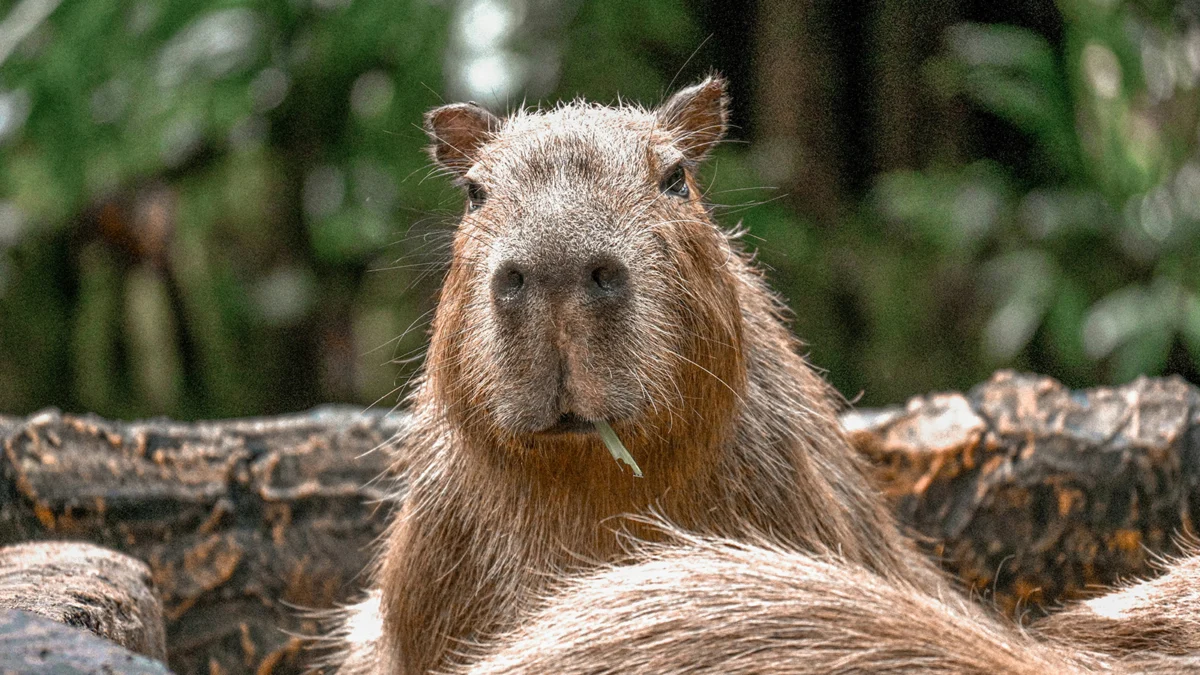
Search and rescue operations have entered an intensive phase in Hampshire as wildlife experts and local authorities attempt to locate and safely recover a nine-month-old capybara named Samba. The juvenile female, who had arrived at the Marwell Zoo only one day prior to her disappearance, has been missing since Tuesday, March 17. The incident has triggered a significant response from Marwell Wildlife, the charitable organization that operates the zoo, as they navigate the complexities of capturing the world’s largest rodent in a sprawling, water-rich environment.
The search is currently concentrated along the banks of the River Itchen in Winchester, a historic city in Southern England characterized by its network of chalk streams and lush riparian habitats. Samba was last positively identified in this area after a chance encounter with a local resident, which was captured on video and has since circulated widely on social media. The footage provides a clear look at the animal’s agility, showing the capybara leaping into the river and swimming with remarkable speed to evade contact.
The Circumstances of the Escape and Initial Sightings
Samba’s escape occurred during what should have been a routine period of acclimatization. Having arrived at Marwell Zoo as part of a planned introduction to the facility’s South American exhibit, she managed to breach her enclosure within 24 hours of her arrival. While zoo officials have not yet released a technical report on the specific point of failure regarding the enclosure’s security, the primary focus remains the safe recovery of the animal.
The most significant lead in the search came from Claudie Paddick, a local dog walker who encountered the capybara while traversing the paths near the River Itchen. Paddick initially mistook the animal for a more common local species, such as a deer, before realizing the unique nature of the creature before her. According to Paddick, the capybara exhibited a high degree of wariness. When Paddick’s dog approached, the animal reacted with startling speed, heading directly for the water—a natural defense mechanism for the species.
"I thought it was a deer. You don’t casually see a capybara on your walks," Paddick told the BBC. Her account highlighted the difficulty of the recovery task ahead, noting that the animal was "rapid" and appeared entirely comfortable navigating the cold waters of the Hampshire river system. Since that sighting, the zoo has been flooded with reports from the public, though many have proven to be cases of mistaken identity.
A Chronology of the Search and Recovery Efforts
The timeline of the incident reflects a rapidly evolving situation that has transitioned from a localized zoo search to a regional wildlife recovery operation:
- Monday, March 16: Samba arrives at Marwell Zoo, Hampshire, from a partner institution. She is placed in a transition enclosure for monitoring and health checks.
- Tuesday, March 17: Keepers discover Samba is missing during morning rounds. An immediate sweep of the 140-acre zoo grounds is conducted.
- Wednesday, March 18 – Friday, March 20: The search expands to the surrounding countryside. Marwell Wildlife issues alerts to local residents and landowners.
- Saturday, March 21: The first confirmed sighting by the public occurs near the River Itchen. Video evidence confirms the animal is indeed the missing capybara.
- Sunday, March 22 – Present: Search teams deploy specialized equipment, including thermal imaging and nets, along the river corridor. Zoo officials issue specific guidance to dog owners and residents.
The search has been complicated by the presence of muntjac deer, which are prevalent in the Hampshire area. At a distance and in low light, the silhouette and reddish-brown fur of a muntjac can easily be mistaken for a juvenile capybara. This has led to several "false alarms," requiring search teams to divert resources to verify sightings that ultimately turn out to be local wildlife.
Technical Challenges in Capturing a Semi-Aquatic Rodent
The recovery of an escaped capybara presents unique logistical challenges that differ significantly from the recovery of terrestrial mammals. Capybaras (Hydrochoerus hydrochaeris) are highly adapted for life in and around water. Their biological traits make them elusive targets for traditional capture methods.
Laura Read, the Chief Executive Officer of Marwell Wildlife, has outlined the strategic options available to the recovery team, emphasizing that the animal’s proximity to water dictates the methodology. "We’ve got nets and we have got the option of a dart gun which would temporarily knock her out," Read stated. However, she noted a critical safety concern: "If she is anywhere near the water, that is a no-go."
The use of tranquilizer darts on a semi-aquatic animal near a river carries a high risk of drowning. Once the sedative takes effect, the animal loses motor control; if it is in the water or on a steep bank, it could slip into the current and perish. Consequently, the team is prioritizing the use of long-handled nets and humane traps. The goal is to corner the animal on land where she can be safely restrained without the use of chemical immobilization.
Biological and Behavioral Analysis: Why Samba is Hard to Track
To understand why Samba has successfully eluded capture for over a week, one must look at the natural history of the capybara. Native to the wetlands and forests of South America, these rodents are built for evasion.

1. Exceptional Speed and Agility: Despite their somewhat stout and heavy appearance, capybaras are surprisingly fast. On land, they can reach speeds of up to 22 miles per hour (35 kilometers per hour). This speed is comparable to that of a horse over short distances, allowing them to outrun many potential threats.
2. Aquatic Mastery: Capybaras are excellent swimmers. They have slightly webbed feet which provide propulsion in the water. Furthermore, their facial structure is an evolutionary marvel for a semi-aquatic life; their eyes, ears, and nostrils are located high on their heads. This allows them to remain almost entirely submerged—hiding from predators—while still being able to breathe and monitor their surroundings. They can also remain underwater for up to five minutes at a time.
3. Environmental Adaptability: While Hampshire is far removed from the tropical climate of the Amazon basin, the River Itchen provides a surprisingly viable habitat for a capybara in the short term. The river is rich in vegetation, and the current temperatures, while cool, are not yet life-threatening for a healthy juvenile. The abundance of grasses and aquatic plants ensures that Samba has a steady food source, which reduces her motivation to return to a central location for feeding.
Official Responses and Public Safety Guidance
Marwell Zoo has maintained a transparent line of communication with the public, urging cooperation while discouraging residents from attempting to catch the animal themselves. The primary concern is that untrained individuals might inadvertently scare Samba into more dangerous territory or cause her to cross busy roads.
Laura Read has specifically addressed dog owners in the Winchester and Hampshire areas. "We are encouraging dog owners to keep their pups on a leash," Read advised. The presence of a dog, as seen in the initial sighting video, triggers the capybara’s flight response. A chased capybara is more likely to sustain an injury or move into an area where search teams cannot track her.
The zoo has also requested that residents check their gardens, outbuildings, and any areas with standing water or dense vegetation. While capybaras are generally docile and do not pose a direct threat to humans, they are wild animals and can bite if they feel cornered or threatened.
Broader Context and Implications for Zoo Management
The escape of Samba comes at a time when capybaras have reached an unprecedented level of global popularity. Often referred to as "nature’s diplomats" due to their perceived friendly interactions with other species in captivity, they have become a staple of internet culture. However, this viral fame often masks the reality of their needs as wild animals and the complexities involved in their care.
This incident also follows a poignant story from another UK zoo that recently captured public attention, involving the euthanasia of a capybara and its best friend, a tapir. The two animals shared such a profound bond that staff determined it would be inhumane to leave one behind after the other’s health failed. Such stories highlight the emotional and social complexity of these animals, which zoo keepers must balance against the rigorous demands of physical security and containment.
From a management perspective, Samba’s escape will likely prompt a review of "arrival protocols" for new animals. The first 48 hours are a critical window where animals are most likely to experience stress and attempt to explore the boundaries of their new environment. Ensuring that transition enclosures are redundant in their security measures is a standard practice that will undoubtedly be scrutinized in the wake of this event.
Future Outlook for the Recovery Operation
As the search enters its second week, the pressure is on to locate Samba before she wanders too far from the River Itchen corridor. The longer an exotic animal remains in the wild, the higher the risk of accidents involving vehicles or negative interactions with native wildlife.
Marwell Wildlife remains optimistic. The fact that Samba has been spotted and appears healthy is a positive sign. The team is currently monitoring several "zones of interest" where the habitat is particularly suited to her needs. They are utilizing a combination of traditional tracking skills and modern technology to close the gap.
For now, the people of Winchester remain on "capybara watch." The sight of a South American rodent swimming alongside the ducks and swans of the Itchen has become a surreal addition to the local landscape, but for the staff at Marwell Zoo, the priority remains a swift and safe conclusion to Samba’s unexpected Hampshire adventure. The zoo continues to ask anyone with a confirmed sighting to contact them immediately, providing as much detail as possible regarding the location and direction of travel.




 Jia Lissa
 Yuyun Lusiyani
 Joko Widodo
 Eva Lovia