admin
admin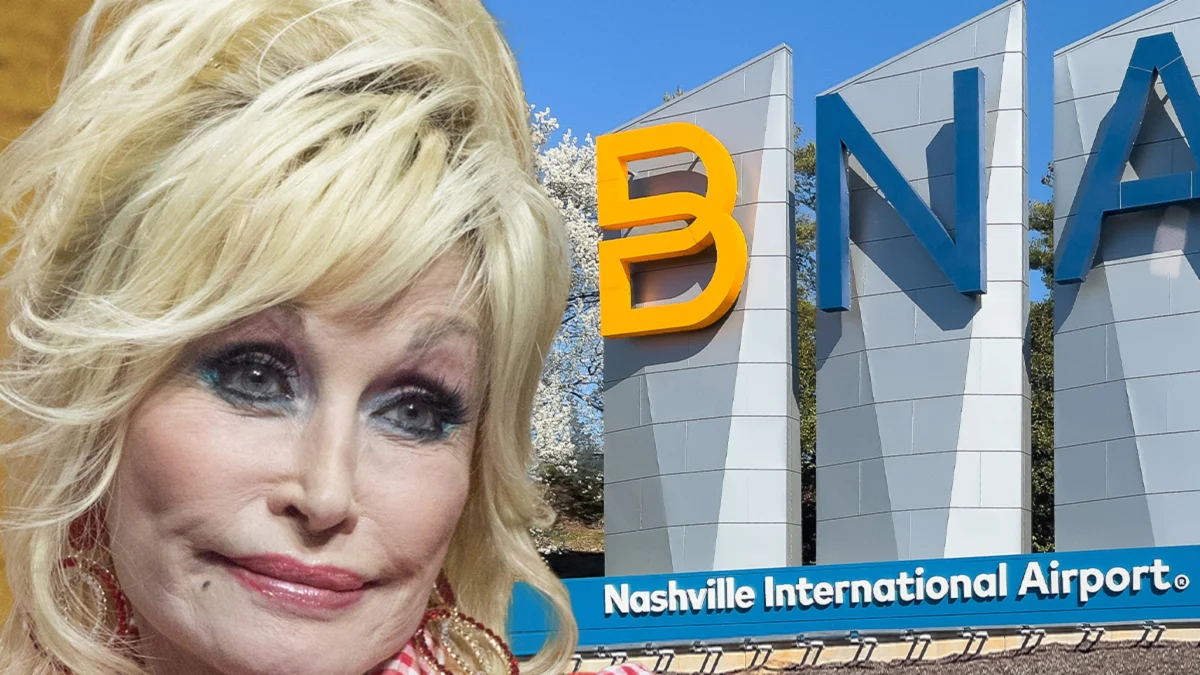
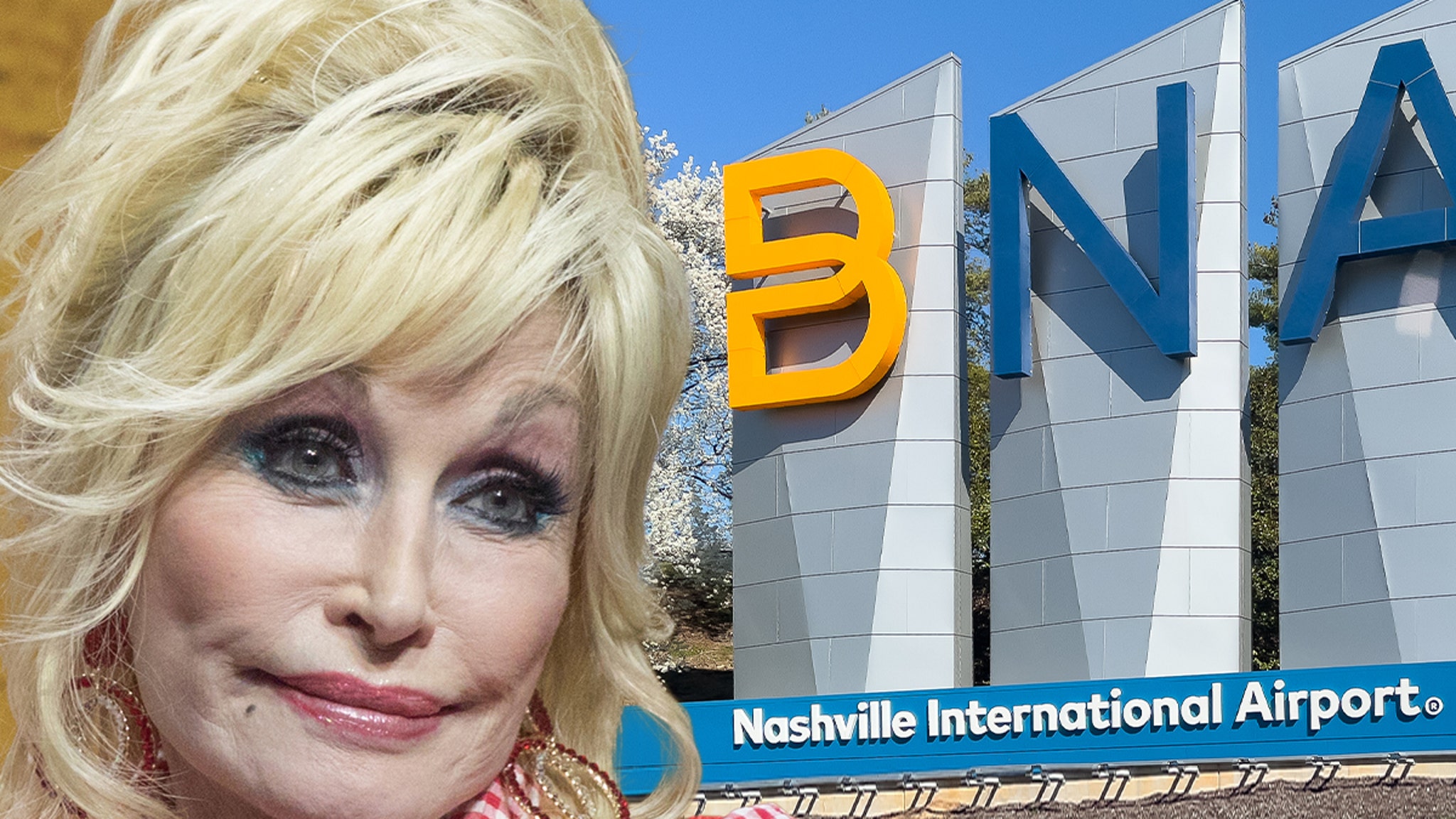
A powerful movement has rapidly gained momentum in the wake of country music legend Dolly Parton’s death, with fans advocating for the renaming of Nashville International Airport (BNA) to "Dolly Parton International Airport." This impassioned plea, initially launched as a Change.org petition, has seen an unprecedented surge in signatures, surpassing 100,000 supporters within a day of the iconic singer’s passing on Tuesday, August 25, 2026, at the age of 80. The proposition seeks to immortalize one of Tennessee’s most beloved figures, transforming the primary gateway to Music City into a permanent tribute to her enduring legacy.
A Groundswell of Support for a Music City Icon
The Change.org petition, which originated in January 2025, had steadily accumulated approximately 53,000 signatures over more than a year and a half. However, the news of Parton’s death acted as a catalyst, igniting a fervent push from her global fanbase and dedicated admirers. Within just 24 hours of her passing, the petition doubled its previous count, demonstrating the profound impact Parton had on millions and the collective desire to honor her memory in a grand, public manner. This rapid increase underscores the emotional resonance and widespread approval for such a significant gesture, reflecting Parton’s unique status as not just a musical artist but a cultural phenomenon.
Celebrity endorsements have further amplified the campaign. Grammy-winning artist Sheryl Crow, a fellow Tennessee resident and admirer, publicly expressed her unequivocal support during a live Instagram stream hosted by journalist Katie Couric. Crow articulated the sentiment shared by many, stating that renaming the airport after Dolly Parton was an "absolute no-brainer," given Parton’s monumental contributions and deep connection to the state. Adding a layer of legislative weight to the initiative, Tennessee State Representative Todd Warner has confirmed his intention to introduce legislation aimed at formally pursuing the name change. This dual-pronged approach, combining grassroots activism with political will, suggests a serious and concerted effort to bring the proposed renaming to fruition.
Dolly Parton’s Enduring Legacy and Connection to Tennessee
Dolly Parton’s life and career are inextricably linked with Tennessee. Born in humble beginnings near Sevierville, Tennessee, in 1946, she epitomized the American dream, rising from poverty in the Great Smoky Mountains to achieve global superstardom. Her journey to Nashville in the mid-1960s marked the beginning of an unparalleled career that spanned over six decades, cementing her status as one of country music’s most prolific and beloved figures.
Parton’s influence extends far beyond her musical achievements. Her entrepreneurial spirit led to the creation of Dollywood, a theme park in Pigeon Forge, Tennessee, which has become a major economic driver for the region, attracting millions of tourists annually. Her philanthropic endeavors, most notably the Imagination Library, have provided free books to millions of children worldwide, fostering a love of reading and early childhood literacy. This initiative, launched in her home county in 1995, has since expanded to all 50 U.S. states, Canada, the United Kingdom, and Australia, delivering over 200 million books. Her dedication to education and community development has solidified her image as a benevolent force, deeply committed to giving back to the communities that nurtured her.
From Sevier County to Global Stardom: A Brief Biography
Dolly Rebecca Parton’s journey began in a one-room cabin in Locust Ridge, Tennessee. Her early life in the Smoky Mountains profoundly influenced her songwriting, often drawing on themes of resilience, faith, and the simple beauty of rural life. After moving to Nashville the day after her high school graduation, she quickly made her mark as a gifted songwriter, penning hits for other artists before launching her own solo career. Her distinctive soprano voice, flamboyant image, and poignant storytelling resonated with audiences worldwide.
Over her illustrious career, Parton garnered 11 Grammy Awards, including the Lifetime Achievement Award, and was inducted into the Country Music Hall of Fame. Her discography boasts over 50 studio albums, with iconic songs like "Jolene," "I Will Always Love You," and "9 to 5" becoming timeless classics. Beyond music, she achieved success in acting, producing, and authoring, further cementing her status as a multifaceted entertainer. Her consistent message of self-acceptance, kindness, and hard work resonated across generations and demographics, making her a universally admired figure. For many, she was not just a singer but a symbol of hope and authenticity, a global ambassador for Tennessee and its rich cultural heritage.
The Mechanics of Renaming an Airport: A Complex Process
Renaming a major international airport like Nashville International Airport (BNA) is a multi-layered undertaking that requires approvals from various governmental bodies and significant logistical planning. The process typically involves local, state, and potentially federal agencies, each with its own set of protocols and considerations.
First, the Metropolitan Nashville Airport Authority (MNAA), which governs BNA, would need to consider and approve the proposal. This body is responsible for the airport’s operations, infrastructure, and strategic direction. Their decision would likely involve assessments of public opinion, financial implications, and the broader impact on airport branding and navigation. Following MNAA approval, the proposal would then typically move to the Metropolitan Government of Nashville and Davidson County, specifically the Metro Council, for their endorsement. Given Nashville’s identity as "Music City" and Parton’s profound connection to it, local political support could be robust.
At the state level, Representative Todd Warner’s announced intention to introduce legislation signals a path through the Tennessee General Assembly. State-level approval would lend significant weight and official endorsement to the change, potentially facilitating subsequent steps. Furthermore, because BNA is an international airport and part of the national air traffic control system, the Federal Aviation Administration (FAA) would also need to be informed and involved. While the FAA does not typically dictate airport names, changes must be registered and updated across all aeronautical charts, databases, and air traffic control systems to ensure safety and operational clarity.
Precedent and Practicalities
The concept of naming airports after significant local or national figures is not new. Examples include Louis Armstrong New Orleans International Airport (MSY), John Wayne Airport in Orange County, California (SNA), and Thurgood Marshall Baltimore/Washington International Airport (BWI). These precedents demonstrate that such changes are feasible, albeit often complex and costly.
The practical challenges of rebranding BNA would be substantial. Every piece of signage, both internal and external, would need to be updated. This includes road signs leading to the airport, terminal wayfinding, baggage claim carousels, parking structures, and even staff uniforms. Digital assets, such as the airport’s website, mobile apps, and social media channels, would require comprehensive rebranding. More critically, the airport’s International Air Transport Association (IATA) code (BNA) and International Civil Aviation Organization (ICAO) code (KBNA) are unlikely to change, as these codes are globally recognized and highly resistant to modification due to the potential for widespread disruption in aviation systems. This means that while the public-facing name would honor Parton, the operational codes would likely remain the same, a nuance that often accompanies such renamings. The financial implications of this extensive rebranding effort, which could run into millions of dollars, would also need to be carefully considered and funded.
Official Reactions and Legislative Intent
The public outpouring of support has been met with positive signals from key figures. Sheryl Crow’s high-profile endorsement adds significant celebrity backing, resonating with a broad audience. More concretely, State Representative Todd Warner’s commitment to introducing legislation in the Tennessee General Assembly signifies a critical step toward formalizing the proposal. His actions would initiate a legislative process that would require hearings, debates, and votes, ultimately determining if the state formally endorses and facilitates the renaming.
While the Metropolitan Nashville Airport Authority (MNAA) has not yet issued a formal statement regarding the petition, it is anticipated that they would carefully evaluate the proposal, weighing the public sentiment against the operational and financial implications. The MNAA’s board, composed of local business and community leaders, would be central to any decision, likely seeking input from various stakeholders, including airlines, airport tenants, and the broader Nashville community. Similarly, the Nashville Metro Council would need to gauge public support and consider the economic and cultural benefits of such a tribute. The unified voice from constituents, celebrities, and legislators suggests that the proposal will receive serious consideration from all relevant bodies.
Beyond the Name: The Economic and Cultural Impact
Renaming Nashville International Airport after Dolly Parton would be more than just a symbolic gesture; it would have tangible economic and cultural ramifications. Parton’s name is synonymous with Tennessee and its rich musical heritage. An airport bearing her name would serve as a constant, prominent gateway, reinforcing Nashville’s identity as "Music City" and enhancing its global brand appeal. Tourists arriving in Nashville would immediately be greeted by a tribute to one of the city’s most beloved and internationally recognized figures, potentially boosting tourism and further cementing the region’s cultural significance.
The move could also inspire a new wave of pride among Tennesseans, offering a lasting monument to a woman who embodied the spirit of the state through her talent, generosity, and unwavering authenticity. It would solidify her place not just in music history, but in the very fabric of Tennessee’s public identity, offering a powerful narrative to visitors and residents alike. The economic benefits could include increased visitor engagement with Parton-related attractions, greater media attention for the region, and a stronger emotional connection for travelers passing through.
A Final Farewell: Dolly Parton’s Passing and Its Aftermath
Dolly Parton’s death on August 25, 2026, at Vanderbilt University Medical Center in Nashville, came after a period of declining health. Her inner circle had reportedly "scrambled" to bring close family and friends to her side over the preceding weekend, as her health took a dire turn. While there were initial hopes for recovery, as she had experienced with prior health setbacks, her condition rapidly deteriorated.
Her representatives later revealed that Parton had been battling cancer, though the specific type was not immediately disclosed. She was surrounded by her loved ones in her final moments, a peaceful end to a life lived fully and generously. The news of her passing sent shockwaves across the globe, prompting an outpouring of grief and tributes from fans, fellow artists, world leaders, and institutions. Social media platforms were flooded with heartfelt messages, recounting personal connections to her music, her philanthropy, and her indomitable spirit. It is within this context of immense public mourning and deep gratitude for her life that the movement to rename Nashville International Airport has gained such extraordinary traction, serving as a collective expression of love and respect for a woman who truly embodied the heart and soul of Tennessee.
The campaign to rename Nashville International Airport after Dolly Parton represents a profound desire to honor a legend whose influence transcended music, touching lives through her philanthropy, entrepreneurship, and unwavering spirit. As the petition continues to gather support and legislative efforts begin, the prospect of "Dolly Parton International Airport" becoming a reality reflects not just a tribute to an icon, but a lasting testament to the deep, enduring connection between a remarkable woman and the home she so dearly loved. The discussions and decisions that lie ahead will undoubtedly be shaped by the immense legacy Dolly Parton leaves behind, ensuring her memory continues to inspire for generations to come.


 Yuyun Lusiyani
 Joko Widodo
 Jia Lissa
 Pevita Pearce