
 admin
admin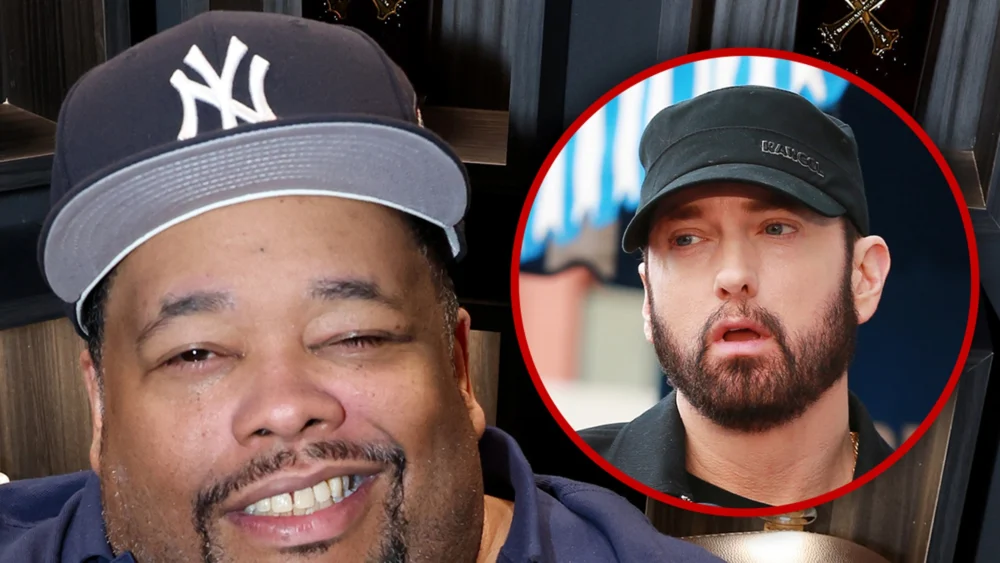
The hip-hop world is mourning the profound loss of Lord Sear, a legendary DJ, radio personality, and integral figure in the culture, who passed away on March 12, 2026, at the age of 53. His death marks the end of an era for many who grew up listening to his distinctive voice and sharp wit, both on the airwaves and through his myriad contributions to some of hip-hop’s most iconic projects. The cause of death has not been publicly disclosed at this time, leaving fans and peers to grapple with the sudden absence of a beloved icon.
Sear’s passing was met with immediate and heartfelt tributes from across the music industry, none more poignant than that of his longtime collaborator and friend, Marshall Mathers, better known as Eminem. The global superstar took to social media to express his profound grief, stating, "SEAR WAS MORE THAN A VOICE ON THE RADIO – HE WAS A FORCE, A FRIEND, AND FAMILY TO SO MANY OF US!" Eminem’s post further underscored their deep bond, recalling, "Sear was one of the greatest people to be around, I will never forget how he made me laugh on our tour together. Our time on @Shade45 together was always some of my favorite interviews. He made the world a better place and I’m gonna seriously miss that. Rest in peace Lil Trey…" This sentiment resonated widely, highlighting not just Sear’s professional prowess but also his cherished personality and the joy he brought to those around him.
A Pillar of Hip-Hop Radio: From WKCR to Shade 45
Born and raised in the vibrant, competitive crucible of New York City, Lord Sear emerged as one of the most recognizable and respected voices in hip-hop radio, carving out a career that spanned decades and left an indelible mark on the genre. His journey began in an era when independent radio stations and mixtapes were the lifeblood of hip-hop, serving as crucial platforms for emerging talent before the internet’s dominance.
Sear first gained significant recognition while touring with the acclaimed rapper Kurious, an early experience that solidified his presence within the burgeoning underground scene. However, it was his pivotal role on WKCR’s iconic "Stretch Armstrong and Bobbito Show" in the 1990s that cemented his status as a tastemaker and an essential voice in hip-hop’s golden age. The show, broadcast from Columbia University’s WKCR 89.9 FM, was far more than just a radio program; it was a cultural phenomenon. From 1990 to 1998, "Stretch and Bobbito" provided an unparalleled platform for unsigned and up-and-coming artists, often hosting live freestyles and interviews that became legendary.
Lord Sear’s contributions to the "Stretch Armstrong and Bobbito Show" were multifaceted. As a charismatic personality, he added an extra layer of humor and authenticity, engaging with artists and listeners alike. His presence helped shape the show’s raw, unfiltered aesthetic, which was crucial for its appeal. It was on this program that countless future legends were introduced to the world, including, most famously, Jay-Z, Nas, and the Wu-Tang Clan. These artists, who would go on to define an era, found their earliest mainstream exposure through the discerning ears of Stretch, Bobbito, and Sear. The show’s influence cannot be overstated; it was a de facto proving ground, a seal of approval that signaled genuine talent and street credibility. For many, hearing a new artist on "Stretch and Bobbito" was the first indication of their impending stardom. Sear’s role in this groundbreaking era positioned him as a gatekeeper and a visionary, helping to curate the sound of an entire generation.
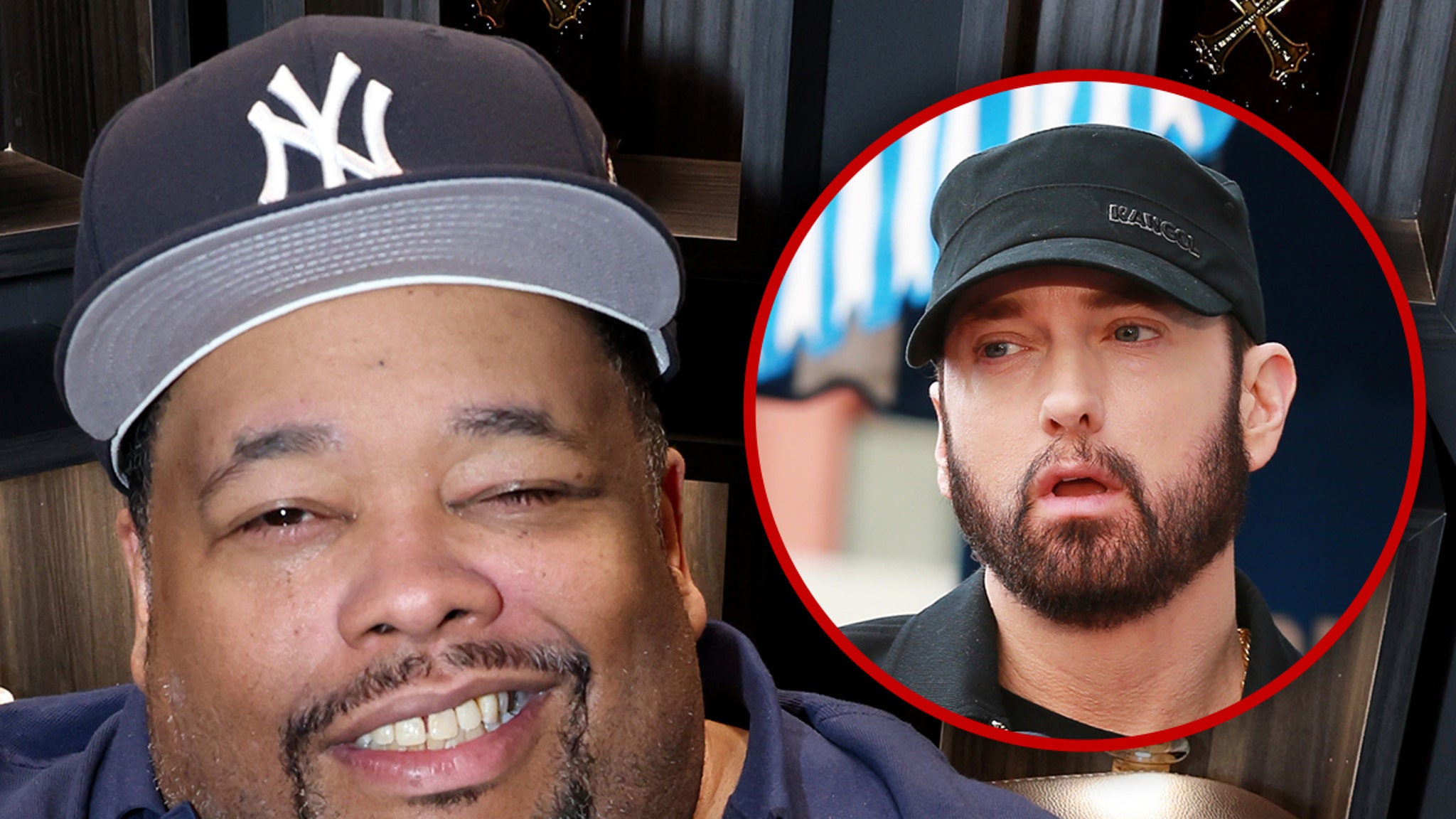
Following his impactful tenure at WKCR, Lord Sear transitioned into the world of satellite radio, joining SiriusXM in the 2000s. This move coincided with the launch of Eminem’s dedicated hip-hop channel, Shade 45, in 2004. Shade 45 was envisioned by Eminem as a raw, uncensored outlet for hip-hop, mirroring the spirit of the genre’s early, independent days. Sear became an immediate and indispensable part of this vision. He co-hosted "The All Out Show with Rude Jude," a program known for its candid discussions, irreverent humor, and deep dives into hip-hop culture. Sear’s ability to blend comedic timing with serious commentary made the show a fan favorite. His voice, instantly recognizable and deeply authentic, became a staple for listeners tuning into Shade 45.
He later branched out to host his own program, "The Lord Sear Special," also on SiriusXM’s Shade 45. This show allowed him to further explore his unique perspectives on music, life, and culture, solidifying his bond with a dedicated audience who appreciated his unfiltered approach and encyclopedic knowledge of hip-hop. He remained a vibrant presence on Shade 45 until his untimely passing, a testament to his enduring passion for radio and his connection to the hip-hop community.
Beyond the Airwaves: A Multifaceted Talent
Lord Sear’s influence extended far beyond the realm of radio. He was also a respected artist in his own right, contributing his talents to numerous albums and projects across the hip-hop landscape. His rap music and distinctive vocal contributions appeared on records by some of the most revered names in the industry. He collaborated with the iconic Beastie Boys, lending his unique voice to their eclectic soundscapes. His work with the late, great Big Pun showcased his versatility and ability to complement different styles. He was also a frequent collaborator with the enigmatic MF DOOM, another artist known for his intricate lyricism and unique persona, where Sear’s ad-libs and skits often added a layer of comedic genius and narrative depth.
Furthermore, Sear contributed to projects by legendary DJ collective The X-Ecutioners, highlighting his deep roots in DJ culture, and with acclaimed producer Statik Selektah, underscoring his contemporary relevance. These collaborations weren’t merely guest appearances; they were integral components that added texture, humor, and an authentic street sensibility to these albums, demonstrating his deep respect within the artistic community. His ability to seamlessly transition between roles – from DJ to rapper to comedic interlude provider – showcased a rare versatility that few in the industry could match.
In a surprising yet fitting extension of his vocal talents, Lord Sear also lent his distinctive voice to the world of video games. He was featured in two of the most popular and culturally significant titles of all time: "Grand Theft Auto III" and "Grand Theft Auto IV." In these games, known for their immersive worlds and meticulously crafted radio stations, Sear’s voice helped to build the authentic, gritty atmosphere that players adored. His presence in these titles introduced his unique cadence and personality to an entirely new, massive audience, further cementing his status as a recognizable cultural figure beyond just music aficionados. His voice acting roles in the "Grand Theft Auto" series underscore his broad appeal and the distinctiveness of his vocal delivery.
The Anger Management Tour and Personal Connections
Lord Sear’s connection with Eminem was particularly deep, dating back to the early 2000s when he joined the rapper on the monumental Anger Management Tour. This global tour, featuring a rotating lineup of hip-hop and rock acts, was a defining moment for Eminem’s career and a significant cultural event. Being part of such an extensive and high-profile tour meant prolonged periods on the road, fostering strong personal bonds among the crew. Eminem’s tribute, specifically mentioning Sear’s ability to make him laugh on tour, speaks volumes about the camaraderie and personal connection they shared during those intense times. Sear was not just a professional colleague but a source of levity and friendship, an essential presence that helped navigate the pressures of touring life. This experience undoubtedly laid the groundwork for their subsequent collaboration on Shade 45, where their professional synergy continued to flourish.
An Enduring Legacy and Broader Implications
The news of Lord Sear’s death has sent ripples of sadness and reflection throughout the hip-hop community and beyond. His passing at 53 is a poignant reminder of the fragility of life and the immense contributions he made in a relatively short span. Tributes are expected to continue pouring in from artists, producers, radio personalities, and fans who were touched by his work. Figures like Stretch Armstrong and Bobbito Garcia, who shared formative years with him on WKCR, are likely to reflect on his foundational role in their collective legacy. The loss of such a unique voice leaves a significant void in the landscape of hip-hop radio, which has increasingly struggled to maintain its authentic, unfiltered roots in an age of corporate consolidation and digital content.
Lord Sear was more than just a DJ; he was a cultural institution, a bridge between the raw energy of underground hip-hop and its mainstream evolution. His career trajectory mirrored the growth and diversification of hip-hop itself, from its grassroots origins in New York City to its global dominance. He embodied the spirit of authenticity, humor, and deep respect for the craft that defined hip-hop’s golden era. His distinct voice, whether introducing a nascent talent, dropping a comedic interlude on an album, or guiding listeners through "The Lord Sear Special," always carried an unmistakable energy and an undeniable connection to the culture he loved.
His legacy will undoubtedly live on through the countless artists he helped discover, the memorable recordings he graced, and the generations of listeners who found solace, entertainment, and a genuine connection through his presence on the airwaves. Lord Sear’s impact on hip-hop is immeasurable, a testament to a career built on passion, talent, and an unwavering commitment to the culture. He made the world a better, funnier, and more authentic place, and his absence will be profoundly felt. The hip-hop community has lost a true original, a friend, and a family member. Rest in peace, Lord Sear.


 Yuyun Lusiyani
 Joko Widodo
 Eva Lovia
 Pevita Pearce

 Lina Irawan