
 Joko Widodo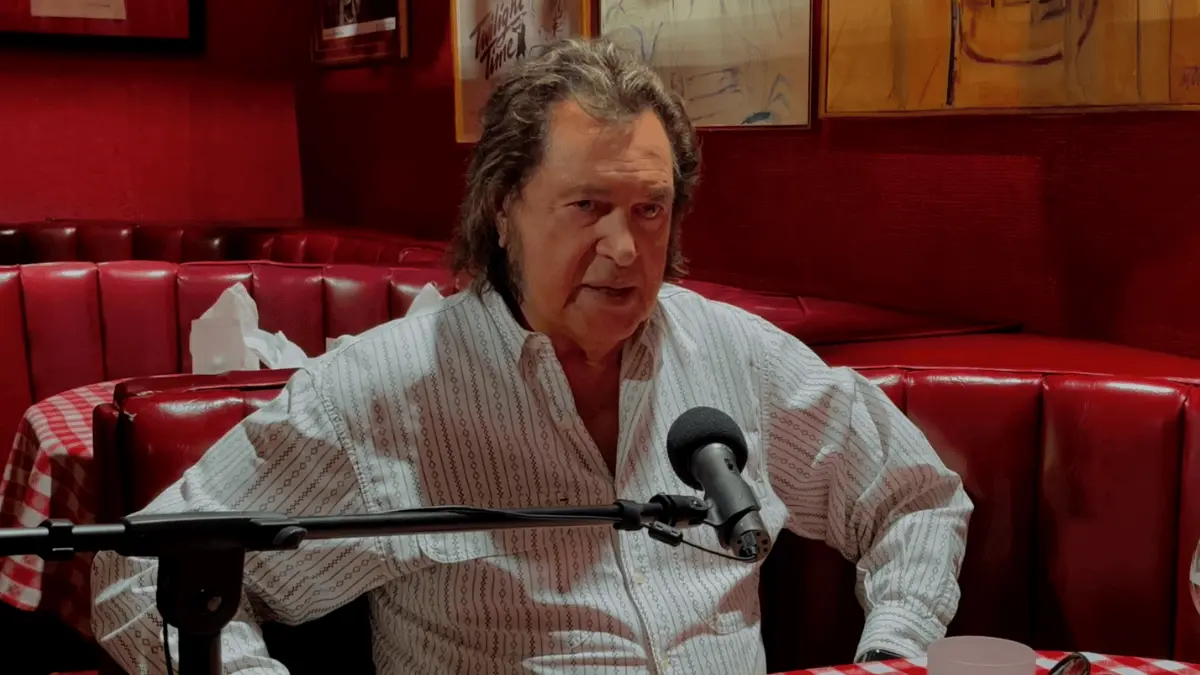
In a candid reflection shared on his program, "The Engelbert Humperdinck Show," the legendary British singer Engelbert Humperdinck, born Arnold George Dorsey, has shed light on the darker, often unspoken, realities of the entertainment industry during his formative years. The 90-year-old icon revealed the significant personal toll and ethical compromises he faced while attempting to establish his music career in the late 1950s and early 1960s, detailing instances of unwelcome advances from talent agents and the pervasive "casting couch" culture that characterized the era. His narrative provides a stark reminder of the challenges faced by aspiring artists, particularly those navigating the power dynamics inherent in securing professional representation.
The Early Struggles: From Leicester to London’s Competitive Scene
Humperdinck’s journey into the music industry began with a move from his hometown of Leicester to London, a hub of artistic ambition and fierce competition. The singer recounted the financial hardships that underscored his early pursuit of a career. His older sister, he disclosed, "could barely afford to fund a one-night hotel stay" for him during his initial meetings with potential agents. This financial precarity amplified the pressure to secure representation, making him particularly vulnerable to exploitation. The pursuit of a record deal and professional guidance often meant navigating a landscape where personal motives could overshadow artistic merit.
Unwanted Advances and the "Agent’s Way"
The crux of Humperdinck’s revelations centers on his encounters with talent agents who, he alleges, exhibited undue personal interest. He described the difficulty in finding suitable representation, stating it was "very difficult" because "some talent agents were interested in something other than his professional career." He elaborated on the prevalent culture within some agencies at the time, noting that "a lot of the agencies were… the men that fancied men." This observation points to a specific demographic of agents whose personal orientations influenced their professional interactions, leading to situations where aspiring artists, regardless of their own orientation, could be subjected to unwanted advances.
Humperdinck recounted, "I had to go through a lot because I got chased a lot by agents." He emphasized his commitment to his own integrity, stating, "I was true to myself then. And I avoided all that, but I went through hell with that sort of thing." This phrase, "went through hell," encapsulates the emotional and psychological strain he endured. He explicitly drew a parallel between these experiences and the concept of the "casting couch," a term widely associated with the film industry where sexual favors are demanded in exchange for career opportunities. However, Humperdinck clarified that his experience was not necessarily within a Hollywood context but rather within the "agent’s way, you know." This distinction highlights that the predatory practices were not confined to one sector of entertainment but were a broader issue within the industry’s power structures. "Every agent I went to was the same thing," he added, suggesting a systemic problem rather than isolated incidents.
The "Casting Couch" Culture: A Broader Industry Problem
The term "casting couch" has become a shorthand for the abuse of power in the entertainment industry, where individuals in positions of authority leverage their influence to extract sexual favors from those seeking employment or advancement. While often associated with auditions and film roles, Humperdinck’s testimony suggests that similar dynamics were at play within talent agencies, which serve as gatekeepers to the industry. The pressure to conform to these expectations, or the fear of professional repercussions for refusal, created a deeply uncomfortable and potentially damaging environment for aspiring artists.
The Role of Sydney Myers: A Guiding Light
Amidst these challenging encounters, Humperdinck found a crucial ally in Sydney Myers, a married talent agent who offered him a different kind of support. Myers’ intervention marked a turning point in Humperdinck’s career. He extended an offer for Humperdinck to stay with him for six months, providing a stable base from which to network and pursue opportunities. This period of mentorship and practical assistance was invaluable. Humperdinck described Myers as a "meticulous man" and expressed his genuine admiration for him, stating, "I liked him very much." The support extended beyond just professional guidance; Myers also helped cover some of Humperdinck’s living expenses, a significant relief given his earlier financial struggles. Crucially, Myers’ wife was also reportedly welcoming, creating a supportive and professional atmosphere.
A Stepping Stone to Stardom: "Song Parade" and the Birth of Engelbert Humperdinck
Under Myers’ guidance, Humperdinck secured a significant opportunity: a 42-week engagement on the British music variety series "Song Parade." This platform provided him with invaluable exposure and a chance to hone his performance skills. It was during this period that he performed under his birth name, Gerry Dorsey, before ultimately adopting the stage persona of Engelbert Humperdinck. The success on "Song Parade" was instrumental in his transition from an aspiring artist facing significant obstacles to a recognized performer on the cusp of international fame. The adoption of a new stage name also signifies a deliberate branding effort, a common practice in the music industry to create a distinct identity for an artist.
Broader Implications and Industry Accountability
Humperdinck’s disclosures resonate with broader discussions about power dynamics and ethical conduct within the entertainment industry. His experiences, while from a bygone era, highlight enduring issues of exploitation and the need for robust safeguarding mechanisms for emerging talent. The #MeToo movement, which gained prominence in the late 2010s, brought to light numerous allegations of sexual harassment and assault across various industries, including entertainment. Humperdinck’s early account serves as a historical precursor to these more recent reckonings, underscoring the long-standing nature of these problems.
The implications of such experiences extend beyond individual trauma. They can stifle creativity, discourage diverse voices from entering the industry, and perpetuate a culture of silence. For aspiring artists, particularly those from marginalized backgrounds or without established networks, the fear of reprisal for speaking out can be a significant deterrent. The fact that Humperdinck, now a globally recognized figure, feels compelled to share these stories suggests that the wounds from these early experiences may still be felt.
The music industry, like many creative fields, relies heavily on subjective judgment and personal relationships. While this can foster valuable mentorship, it also creates fertile ground for abuse when power is unchecked. The need for transparent hiring practices, clear ethical guidelines, and accessible channels for reporting misconduct remains paramount. The involvement of agents and managers, who act as crucial intermediaries, necessitates a high degree of professionalism and accountability.
A Legacy of Resilience
Engelbert Humperdinck’s career, spanning over six decades, is a testament to his resilience and talent. His decision to speak openly about these challenging experiences in his early career not only sheds light on a difficult period for him but also contributes to a larger conversation about the ethics and realities of the entertainment world. By sharing his narrative, he offers a valuable perspective for current and future generations of artists, reminding them of the importance of integrity and the potential for overcoming adversity, even when faced with deeply entrenched systemic issues. His story underscores that while the path to success may be fraught with obstacles, personal fortitude and the support of ethical professionals can pave the way for a lasting career. The longevity and enduring appeal of Humperdinck’s music, coupled with his willingness to address these sensitive topics, further solidify his legacy as an artist who has not only entertained millions but has also contributed to a more nuanced understanding of the industry that shaped him.




 Yuyun Lusiyani
 Ana Megawati
 Eva Lovia
 Jia Lissa
 Pevita Pearce