
 Yuyun Lusiyani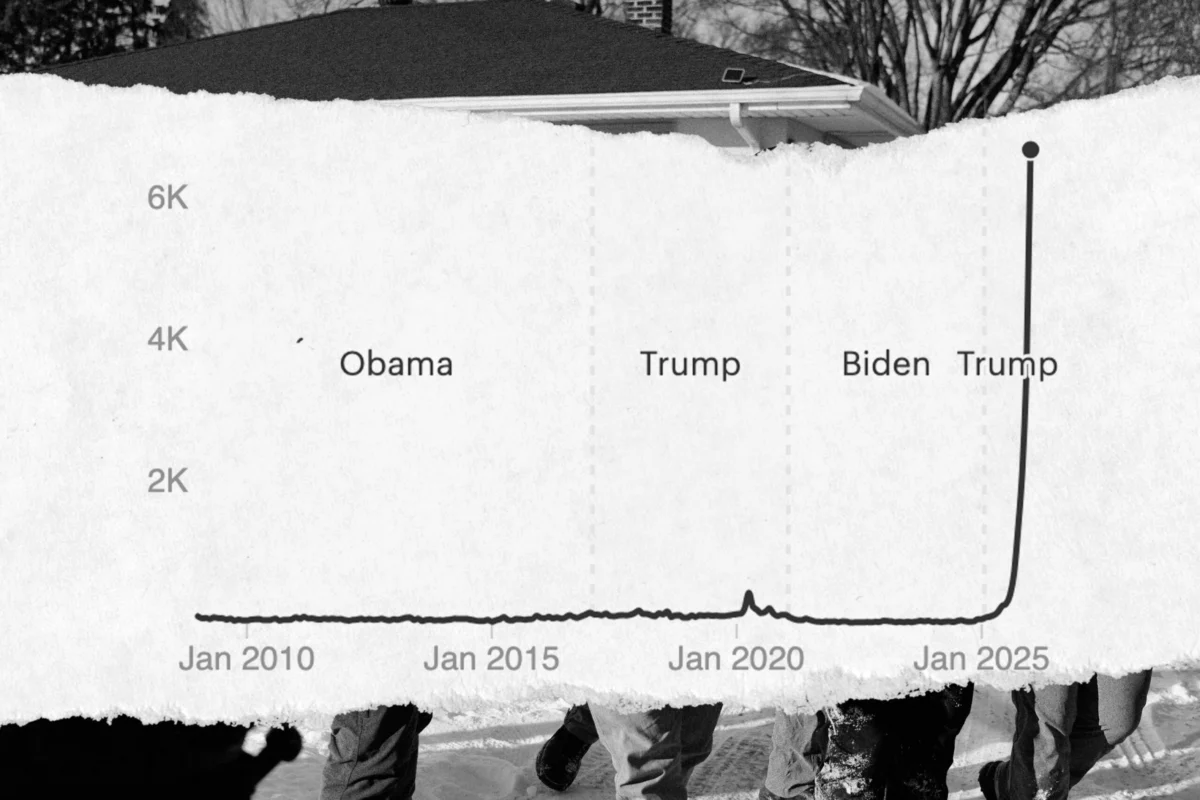
The return of President Donald Trump to the White House in January 2025 heralded a dramatic shift in U.S. immigration enforcement, leading to an unprecedented era of mass detention. Under this new directive, immigrants, including many with no criminal convictions who would have previously been released on bond or not detained at all, are now held indefinitely while their immigration cases navigate the notoriously slow legal system. This policy has triggered a flood of habeas corpus petitions, pushing federal courts to their breaking point and creating severe disparities in the speed at which individuals can challenge their detention.
The Genesis of Mass Detention: A Policy Overhaul
President Trump’s second term initiated what many observers describe as a "seismic shift" in immigration enforcement. Departing significantly from the practices of prior administrations, which often favored alternatives to detention for non-criminal immigrants, the new policy mandates widespread detention. This aggressive stance is rooted in a broader strategy to deter illegal immigration and expedite deportations, regardless of an individual’s ties to the community or lack of criminal record. The underlying premise appears to be that holding all individuals, irrespective of their flight risk or danger to the community, serves as a more effective deterrent and ensures compliance with removal orders. This marked a return to, and an intensification of, "zero tolerance" approaches seen in earlier phases of his presidency, but now with a broader application across the immigration detention landscape. The sheer volume of individuals now subject to mandatory detention has fundamentally altered the operational landscape for U.S. Immigration and Customs Enforcement (ICE), necessitating an expansion of detention capacity and a corresponding increase in legal challenges.
Habeas Corpus: A Constitutional Safeguard Under Strain
In response to their prolonged confinement, tens of thousands of detainees have sought relief through habeas corpus petitions. Derived from the Latin phrase "you should have the body," habeas corpus is a fundamental constitutional right, enshrined in Article I, Section 9 of the U.S. Constitution, that allows individuals to challenge the legality of their detention before a federal judge. It is designed to be an expedited process, recognizing that a person’s liberty is at stake. The U.S. Court of Appeals for the D.C. Circuit underscored this principle in a 1988 decision, stating, "Delay is undesirable in all aspects of our justice system, but it is especially to be avoided in the sensitive context of habeas corpus." The habeas statute itself directs judges to give the government a mere three days to initially respond with justification for detention, with an allowance for extension up to 20 days. However, as ProPublica’s recent analysis reveals, the reality on the ground is starkly different, with judicial discretion often leading to vastly extended timelines.
Since January 2025, over 70,000 habeas cases have been filed, according to a comprehensive ProPublica analysis of court records updated as of August 25. This unprecedented volume has inundated federal courts, many of which were already grappling with existing backlogs and staffing shortages. The resulting judicial bottleneck has meant that while some detainees secure release within days, others languish for months, with some even being deported before a judge can rule on their petition.
A Deep Dive into Delays: Regional Disparities
The ProPublica analysis highlights significant geographic disparities in the speed of habeas case resolution. The waits have been particularly protracted in parts of Mississippi and Louisiana, where federal judges typically take three months or more to decide whether a detainee should be released. In Mississippi, specifically, half of all resolved cases took 92 days or longer—the longest median processing time of any state. This represents a critical failure of the system, where the constitutional right to a speedy review of one’s detention is effectively denied by administrative and judicial inertia.
Conversely, federal courts in other states have demonstrated a greater capacity to adapt to the new reality. In Texas, California, and Florida, courts, which have handled thousands more habeas petitions, generally render decisions in about a month and a half or less. Minnesota stands out as a model of efficiency, with courts reaching decisions and closing cases even faster, boasting a median processing time of approximately 12 days, despite experiencing a surge in habeas petitions earlier in the year. This stark contrast underscores the uneven adjustment of federal courts nationwide to the unprecedented influx of filings, indicating that local judicial practices and administrative efficiencies play a critical role in determining an individual’s fate.
The Human Cost of Legal Limbo: Voices from Detention
The consequences of these delays are profoundly human. Detainees are held in facilities overseen by U.S. Immigration and Customs Enforcement (ICE), which advocates frequently describe as substandard and unsafe. Allegations range from spoiled food and beatings to severe medical neglect. Liudmila Nafikov, whose husband, Aidar Nafikov, a Russian asylum seeker, has been detained in a large Mississippi facility for nearly two years awaiting a habeas decision, articulated the grim reality. "The amount of food they are being given is simply not enough, and people are left hungry," she stated, adding, "For three days, they have had no hot food or hot water." She condemned the conditions as neither "fair nor humane," particularly for individuals without criminal records and those with existing health issues.
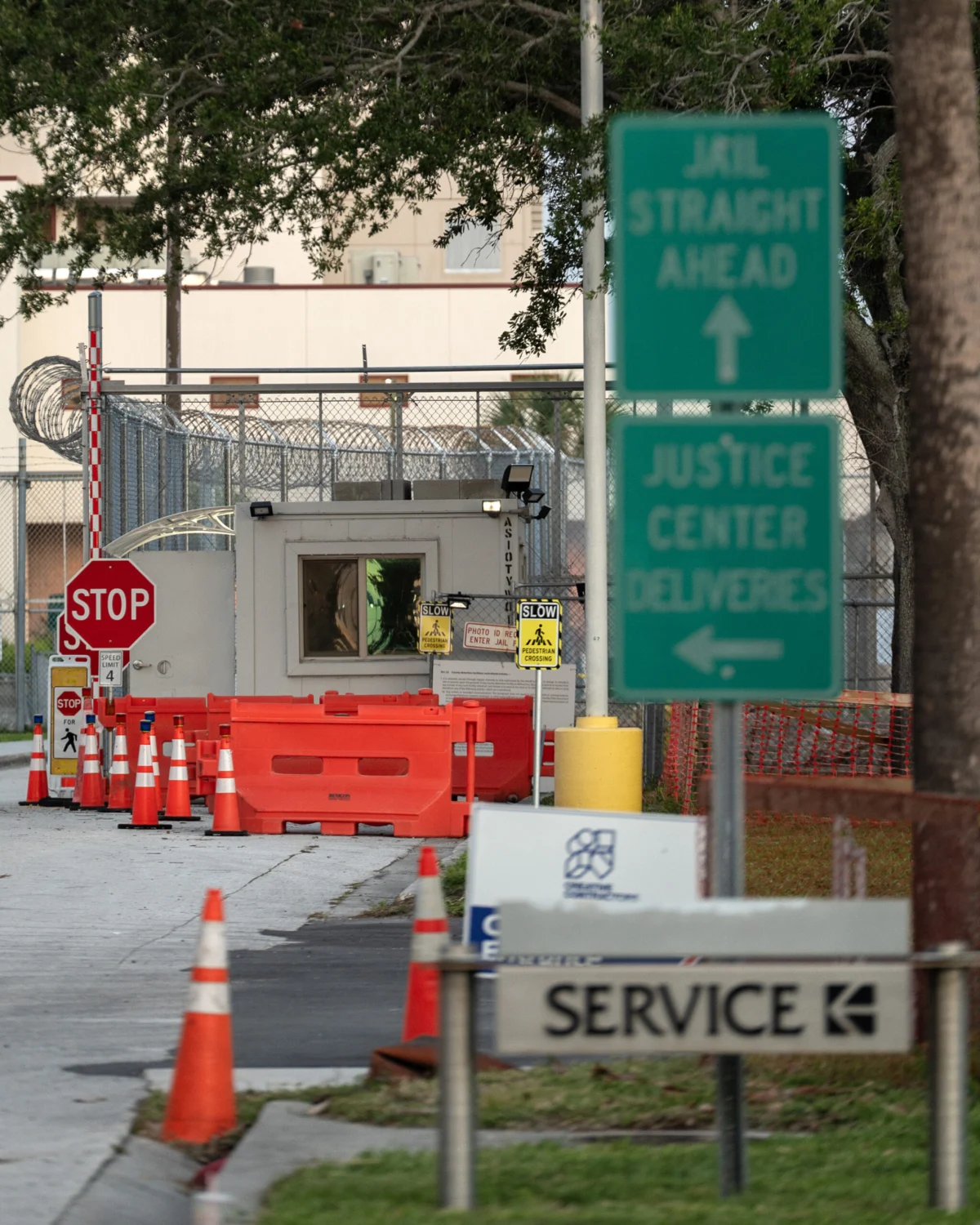
A Department of Homeland Security (DHS) spokesperson acknowledged an August 22 fire outside the Natchez, Mississippi, facility that impacted "all hot water, kitchen services, and laundry operations," but asserted that "No one was injured as a result of this incident and as of August 24, the facility is back in 100% operation with hot water and meals." The spokesperson generally refuted claims of substandard conditions, stating that "All detainees are provided with 3 meals a day, clean water, clothing, bedding, showers, soap, and toiletries." However, such official assurances often clash with the lived experiences documented by detainees and their legal representatives. Aidar Nafikov’s health has reportedly deteriorated significantly during his detention, suffering repeated bouts of strep throat and developing kidney problems, with his wife lamenting the difficulty of obtaining timely medical help.
For many, the dire conditions and the interminable wait become unbearable. Some immigrants have reluctantly accepted the government’s offer to leave the country or have been deported before a judge could even rule on their freedom. Elissa Stiles, an Oklahoma immigration attorney, noted that nearly one in five of her completed cases ended before her client received a judicial answer. In four instances, clients were deported, and in 15 others, they chose voluntary departure, despite their entire lives being in the U.S. "It’s rare that a client is immediately interested in voluntary departure because their entire lives are here," Stiles explained, concluding that "If their cases had been adjudicated more quickly, they would not be taking voluntary departure." A DHS spokesperson commented that the department is "working rapidly and overtime to remove these aliens from detention centers to their final destination – home," further adding that detained immigrants can request "a free flight home and a $3,000 exit bonus," a statement that underscores the government’s approach to managing the detention population.
Judicial Discretion and Systemic Bottlenecks
The vast discretion afforded to federal judges in setting deadlines for habeas petitions plays a significant role in these delays. Judges must balance these urgent liberty challenges against a heavy docket of other civil litigation and criminal trials. While the habeas statute provides a framework, judges have the ultimate authority to order responses, grant extensions, and prioritize cases. The U.S. courts’ rules governing non-immigration habeas cases are even less specific, merely stating that judges must order the government to respond "within a fixed time."
California-based immigration attorney Bonita Gutierrez experienced this dichotomy firsthand. Her California habeas cases often see swift movement, leading to client releases within days. Yet, when her client’s adult son was detained in Mississippi in August 2025, she filed a habeas petition in February, only for it to fall into "a completely unresponsive black hole." After both sides presented arguments, the case languished for a month without a decision. Her client was deported in late April, rendering his habeas case moot after eight months in ICE custody.
Much of the bottleneck in Mississippi’s Southern District can be traced to Judge David C. Bramlette III, a George H.W. Bush appointee. Almost all cases in his district are assigned to him and referred to two magistrate judges. Bramlette presides over the division that includes Adams County Correctional Center, one of the nation’s largest ICE facilities. As of August 25, 747 habeas cases have been assigned to Bramlette during the second Trump administration, making him one of the most burdened federal judges in the country. A staggering 539 of these cases, approximately 72%, remain active. While a spokesperson for Judge Bramlette did not directly address case wait times, they pointed to a public page tracking his habeas caseload. Lawyers practicing in Mississippi confirm that many of their cases are similarly languishing post-briefing, awaiting a judicial response.
The issue is compounded by the federal government’s practice of transferring many detainees to the nation’s largest detention facilities, often located in states like Louisiana and Mississippi, further crowding dockets in these regions and complicating legal representation.
Procedural Hurdles and Unresolved Legal Questions
In Louisiana, which holds the second-largest immigrant detainee population after Texas, with over 2,600 habeas cases filed, more than half of resolved cases took 89 days or more to decide. Louisiana attorneys highlight procedural obstacles, such as the former requirement in the Western District that petitioners formally deliver lawsuits and summons to government defendants in person and via certified mail, a process handled by the court itself in other states. While the Western District of Louisiana issued an order in July authorizing the court to serve defendants, thereby streamlining the process, its practical impact on shortening deadlines remains to be seen.
Furthermore, judges in Louisiana have been criticized for granting the government overly generous deadlines—sometimes up to 60 days—to respond to habeas petitions, treating them more like ordinary civil litigation rather than urgent liberty cases. This contrasts sharply with Minnesota, where judges typically order responses within three or four days. Unresolved legal questions also contribute to delays. For example, Louisiana Judges David C. Joseph and Alexander Van Hook recently paused some habeas cases pending a decision from the 5th U.S. Circuit Court of Appeals on whether the government can detain an immigrant without a bond hearing, adding another layer of uncertainty.
Adapting to Crisis: Court Innovations and Legislative Stagnation
Despite the challenges, some federal courts have found ways to adapt. Many have issued standing orders to shorten briefing schedules or assigned public defenders to detainees without legal representation. Courts in California have even temporarily assigned judges from other districts to alleviate backlogs. The Georgia Middle District, home to the Stewart Detention Center, provides an example of proactive management. Judge Clay D. Land, who has been assigned the most habeas cases of any judge in the ProPublica analysis (around 1,500), declared an "administrative judicial emergency." He directed magistrate judges to use preapproved language for bond hearing orders under certain parameters, without requiring his direct approval, enabling the district to close cases with a median of 29 days and clear nearly 80% of its habeas docket.
However, broader systemic solutions remain elusive. The Administrative Office of the United States Courts, while acknowledging the "unprecedented number" of habeas petitions and a shortage of federal judges, stated that it does not "impose directives on judges to manage their dockets differently." The Judicial Conference, the principal policymaking body of the U.S. federal courts, recommended in 2025 that Congress create 71 new judgeships to address increasing caseloads. Critically, this list did not include any new judges for Mississippi, Louisiana, or the Western District of Oklahoma, where habeas cases have experienced the longest delays. New district judgeships have not been authorized for over two decades. A bill passed by Congress in December 2024 that would have added 66 new federal judges was vetoed by then-President Joe Biden a month before leaving office, thus missing an opportunity to strengthen the judiciary prior to the current crisis.
In Louisiana, the July order authorizing court-served lawsuits and standard scheduling orders offers a glimmer of hope, although immigration attorney Carley Tatman remains cautiously optimistic, noting that it still takes several days or weeks for scheduling orders to be issued. Similarly, Mississippi lawyers have recently reported some movement in long-delayed cases, with Judge Bramlette closing over 90 of his cases since July.
The Enduring Toll of Uncertainty
Despite these nascent efforts, the human toll of the delays continues. Liudmila Nafikov still awaits a decision in her husband’s case. Their separation of almost two years has been "physically and emotionally taxing," leaving her as the sole caregiver struggling to meet basic family needs and legal expenses. Her three children, traumatized by their father’s absence, constantly ask when he will return. "And I can’t give them an answer because I don’t have it myself," she said, encapsulating the agonizing uncertainty faced by thousands of families caught in the gears of a severely overburdened and inequitably functioning legal system. The constitutional promise of habeas corpus, intended as a swift bulwark against unlawful detention, remains an unfulfilled aspiration for far too many.



 Joko Widodo
 admin
admin
 Lina Irawan
 Jia Lissa
 Pevita Pearce