
 Pevita Pearce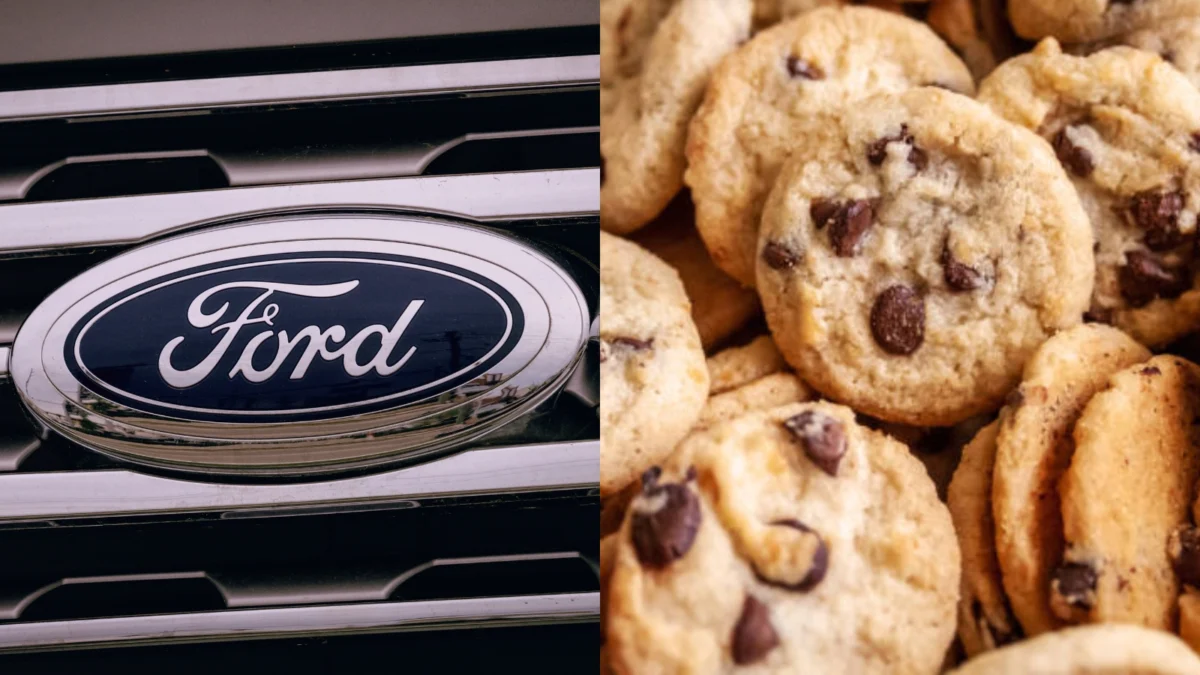
The Ford Motor Company has launched a comprehensive internal investigation following a series of controversial terminations involving long-term employees accused of theft. The incidents, which center on the purchase of snacks and beverages from automated breakroom kiosks, have raised significant questions regarding the reliability of third-party vending technology and the company’s disciplinary protocols. While several employees have been reinstated after proving their innocence, the situation has sparked a broader conversation about the intersection of automated workplace services and employee rights within the American automotive industry.
The controversy first gained national attention in early July when Kurt Kromm, an 11-year veteran of Ford’s Kentucky Truck Plant, was abruptly fired. The basis for his termination was an allegation that he had stolen a single cookie valued at $1.95. Kromm, 60, maintained from the outset that he had attempted to pay for the item using the self-service kiosks provided in the employee break area. According to his account, he encountered technical difficulties with the first machine he used and moved to a second kiosk to complete the transaction. Despite his efforts to comply with payment requirements, surveillance footage and transaction logs initially used by the company suggested a failure to pay, leading to his immediate dismissal.
Kromm’s case highlights a growing friction point in modern industrial workplaces: the reliance on "micro-markets." These are unstaffed retail spaces within offices or factories that rely on self-checkout technology. Following his termination, Kromm was able to produce bank records and transaction evidence proving that the $1.95 payment had indeed been processed. Faced with this evidence, Ford management offered Kromm his position back, along with back pay for the duration of his unemployment. However, citing a loss of trust in the company’s management culture, Kromm declined the offer and pursued employment elsewhere.
Escalation at the Michigan Assembly Plant
The issue has since expanded beyond a single isolated incident in Kentucky. Recent reports from the Detroit Free Press indicate that at least three additional employees at the Michigan Assembly Plant (MAP) in Wayne, Michigan, were subjected to similar disciplinary actions. These workers were also accused of theft related to snacks and cookies, only to have the allegations retracted after further review.
Unlike Kromm, the three employees at the Michigan plant accepted Ford’s offer of reinstatement after being cleared of any wrongdoing. However, the pattern of "fire first, investigate later" has caused significant alarm among the workforce. The Michigan Assembly Plant is a critical hub for Ford, responsible for the production of high-demand vehicles like the Ford Ranger and the Ford Bronco. Any disruption in labor relations at such a facility carries heavy implications for production schedules and employee morale.
The Chronology of a Systemic Failure
The timeline of these events suggests a persistent technical glitch that went unaddressed for weeks, if not months.
- Early July: Kurt Kromm is fired from the Kentucky Truck Plant over a $1.95 cookie.
- Mid-July: Internal reviews at the Kentucky facility confirm Kromm’s payment was valid. Ford offers reinstatement.
- Late July: Reports emerge from the Michigan Assembly Plant regarding three more terminations under nearly identical circumstances.
- Present Day: Ford officials confirm a joint investigation with Aramark, the vendor responsible for the kiosks, to identify the root cause of the transaction failures.
Employee testimony suggests that the issues are not new. Brendan Fluker, an employee at the Michigan plant, informed reporters that the kiosks have been prone to malfunction for years. According to Fluker, the machines frequently freeze mid-transaction, leaving employees in a state of uncertainty as to whether a payment was successfully recorded. In many cases, the machines fail to produce a physical or digital receipt, leaving the worker with no immediate proof of purchase if the system’s backend fails to log the sale.
Technical Analysis: The Aramark Kiosk System
The kiosks in question are operated by Aramark, a global leader in food service and facilities management. In an effort to modernize the workplace and provide 24/7 food access to shift workers, Ford invested significantly in these self-serve "micro-market" kiosks. These systems typically use a combination of barcode scanners, credit card readers, and sometimes biometric or employee-badge-linked accounts.
The "limited cases" of functionality issues mentioned by Ford spokespeople appear to involve a lag between the user interface and the payment processing gateway. If a user scans an item and swipes a card, but the system freezes before the "transaction complete" screen appears, the item may be flagged as stolen by automated security software or manual loss-prevention reviews of security footage. In a high-security environment like an automotive plant, where "shoplifting" is often a fireable offense regardless of the dollar amount, these technical hiccups have life-altering consequences for the staff.

Official Responses and Corporate Accountability
Ford Motor Company has moved into a damage-control phase, attempting to balance its "zero-tolerance" policy on theft with the reality of a flawed technological interface. Dave Tovar, a spokesman for Ford, addressed the situation in a statement to the media:
"We have invested significantly to upgrade our workplaces, including self-serve kiosks operated by Aramark to provide 24/7 convenience for our employees," Tovar stated. "We are aware there have been some issues raised regarding the kiosk functionality in some limited cases, and we are working with Aramark to review these situations."
Aramark has remained relatively quiet regarding the specifics of the hardware or software failures, but the company is reportedly cooperating with Ford to audit the transaction logs at both the Kentucky and Michigan plants. The goal of the investigation is to determine if other employees were wrongly disciplined or if there is a specific software patch required to prevent transaction "ghosting."
Supporting Data: The Scale of Workplace Automation
The shift toward automated breakrooms is a massive trend in corporate America. According to industry data from the National Automatic Merchandising Association (NAMA), there are now over 30,000 micro-markets operating in the United States, a number that has grown exponentially over the last decade. These markets are preferred by employers because they reduce labor costs—eliminating the need for a cashier—and offer a wider variety of fresh food than traditional vending machines.
However, the Ford incidents highlight the "automation bias" that can infect HR departments. Automation bias is the tendency for humans to favor suggestions from automated decision-making systems and to ignore contradictory information made without automation, even if it is correct. In the case of Kurt Kromm and the Michigan employees, the initial assumption by HR was that the machine’s logs were the absolute truth, while the employees’ claims of payment were treated as fabrications.
Labor Relations and the Human Cost
The United Auto Workers (UAW) union, which represents hourly workers at Ford’s U.S. plants, typically plays a role in contesting unjust terminations. While the UAW has not issued a formal national strike threat over "cookie-gate," the incidents have added friction to the relationship between labor and management. At a time when Ford is navigating a complex transition to electric vehicles and managing tight margins, the alienation of its veteran workforce over trivial sums of money is seen by analysts as a significant tactical error.
For a worker like Kurt Kromm, an 11-year tenure represents a decade of institutional knowledge and loyalty. The psychological impact of being escorted from a building over a $2 item—especially when that item was paid for—cannot be easily rectified by an offer of back pay. This "human cost" often results in the loss of skilled labor, as evidenced by Kromm’s decision to move to a different employer.
Broader Impact and Industry Implications
The situation at Ford serves as a cautionary tale for other large-scale manufacturers. As more companies move toward "smart" factories and automated amenities, the risk of "algorithmic injustice" increases. If a system is capable of triggering a termination sequence without a human-in-the-loop verification of the machine’s uptime and functionality, the potential for mass wrongful terminations remains high.
Legal experts suggest that these incidents could lead to a reevaluation of how "theft" is defined in the age of self-checkout. In a traditional retail setting, a failed transaction might result in a polite request to re-swipe a card. In a corporate environment with strict conduct codes, it is being treated as a criminal act of dishonesty. Moving forward, Ford and other manufacturers may need to implement a "grace period" or a secondary verification step for kiosk-related discrepancies before moving to terminal disciplinary action.
As the investigation continues, the focus will remain on whether Ford and Aramark can restore the reliability of the breakroom systems. For the thousands of Ford employees who rely on these kiosks during their shifts, the simple act of buying a snack has become a high-stakes endeavor. The company must now work to ensure that no other employee loses their livelihood over a software glitch and a cookie.



 Yuyun Lusiyani
 Joko Widodo
 Eva Lovia
 admin
admin
 Lina Irawan