
 Lina Irawan
The global coffee industry has undergone a radical transformation over the last two decades, evolving from a commodity-driven market into a sophisticated culinary landscape where the nuances of origin, varietal, and processing are scrutinized by professionals and consumers alike. While the roasting and brewing stages often receive the most public attention, the critical period between harvesting the coffee cherry and shipping the green bean—known as processing—is where the fundamental flavor profile of the beverage is established. According to 2026 World Barista Champion Gabrel Tan, coffee processing is defined as the essential series of steps taken before drying the green coffee. Tan emphasizes that this stage is one of the key pillars in developing and preserving coffee flavors and quality, acting as a bridge between the agricultural labor of the farmer and the sensory experience of the consumer.
The Biological Foundation: Anatomy of a Coffee Cherry
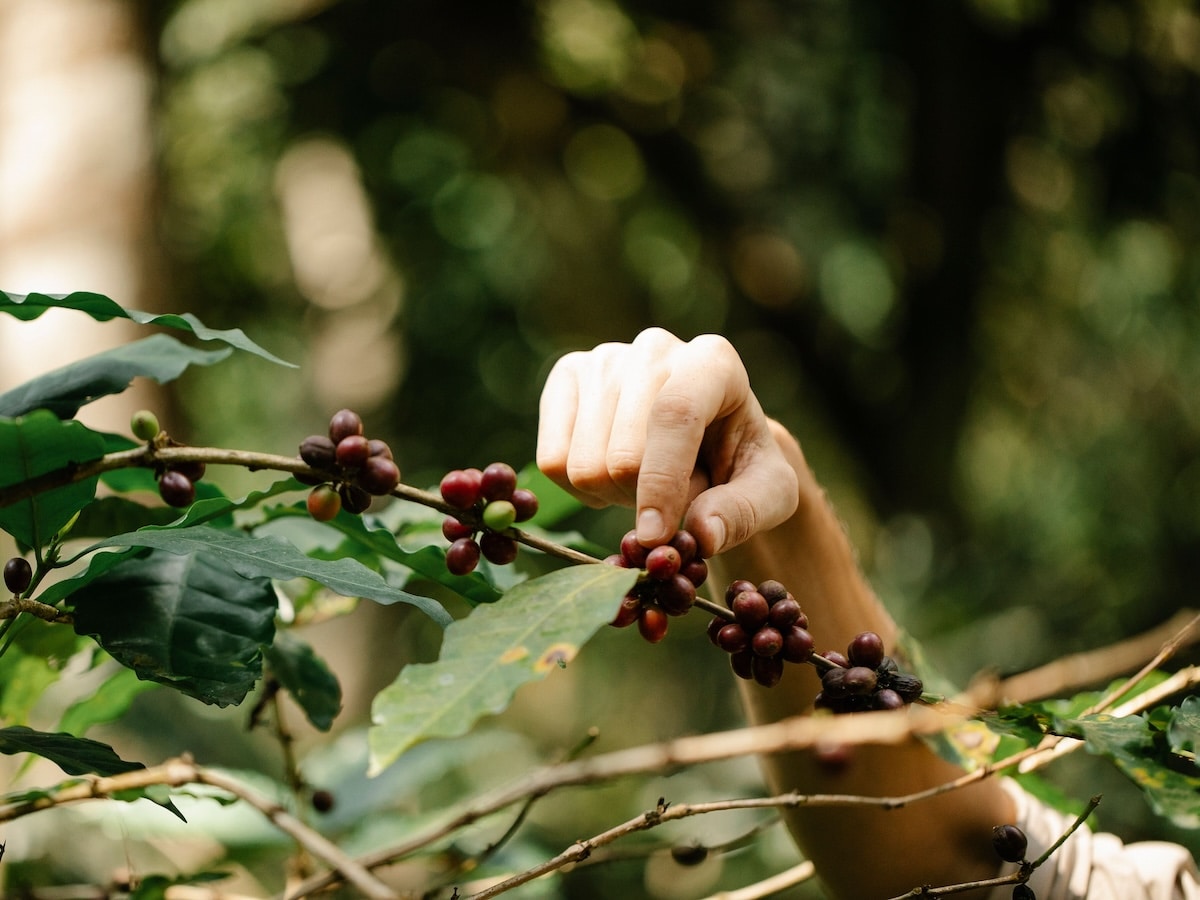
To understand the mechanics of processing, one must first understand the anatomy of the fruit. A coffee bean is not a bean in the botanical sense, but rather the seed of a fruit known as a coffee cherry. The fruit consists of several distinct layers, each playing a role in the eventual flavor of the brew. The outermost layer is the exocarp (the skin), followed by the mesocarp (the pulp). Beneath the pulp lies a sticky, sugar-rich layer called the mucilage, or pectin layer. Protecting the seed itself is the endocarp, commonly referred to as the parchment. Finally, a thin membrane called the silver skin (spermoderm) wraps the two seeds found at the center of the fruit.
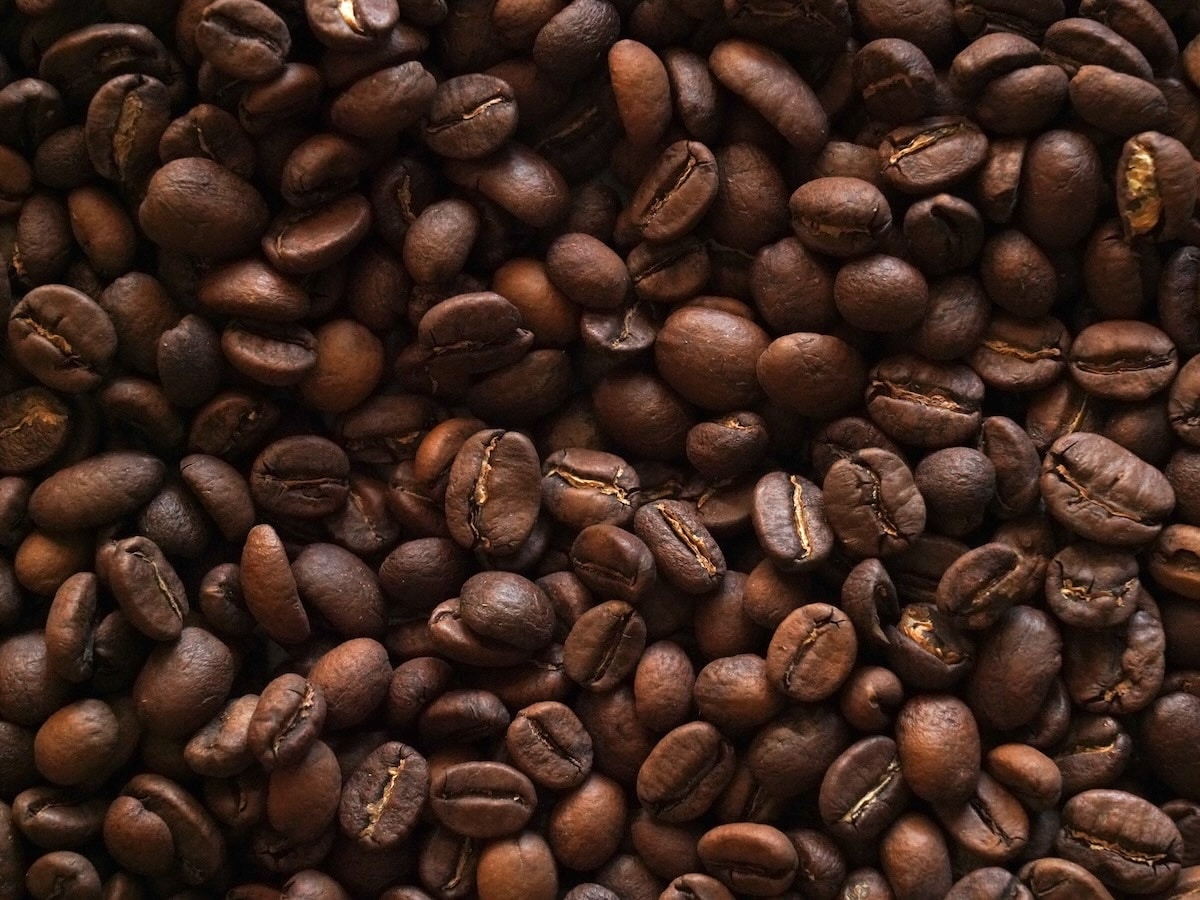
Processing is the act of removing these layers to isolate the seed while managing the moisture content. If the fruit is not processed correctly, the moisture trapped within the cherry can lead to uneven roasting, rot, or the development of chemical defects that render the crop unmarketable.
Traditional Processing Frameworks: Natural, Washed, and Honey
Historically, coffee processing was dictated by the local climate and access to resources, particularly water. These regional constraints birthed the three primary traditional methods that remain the industry standard today.
1. The Natural (Dry) Process
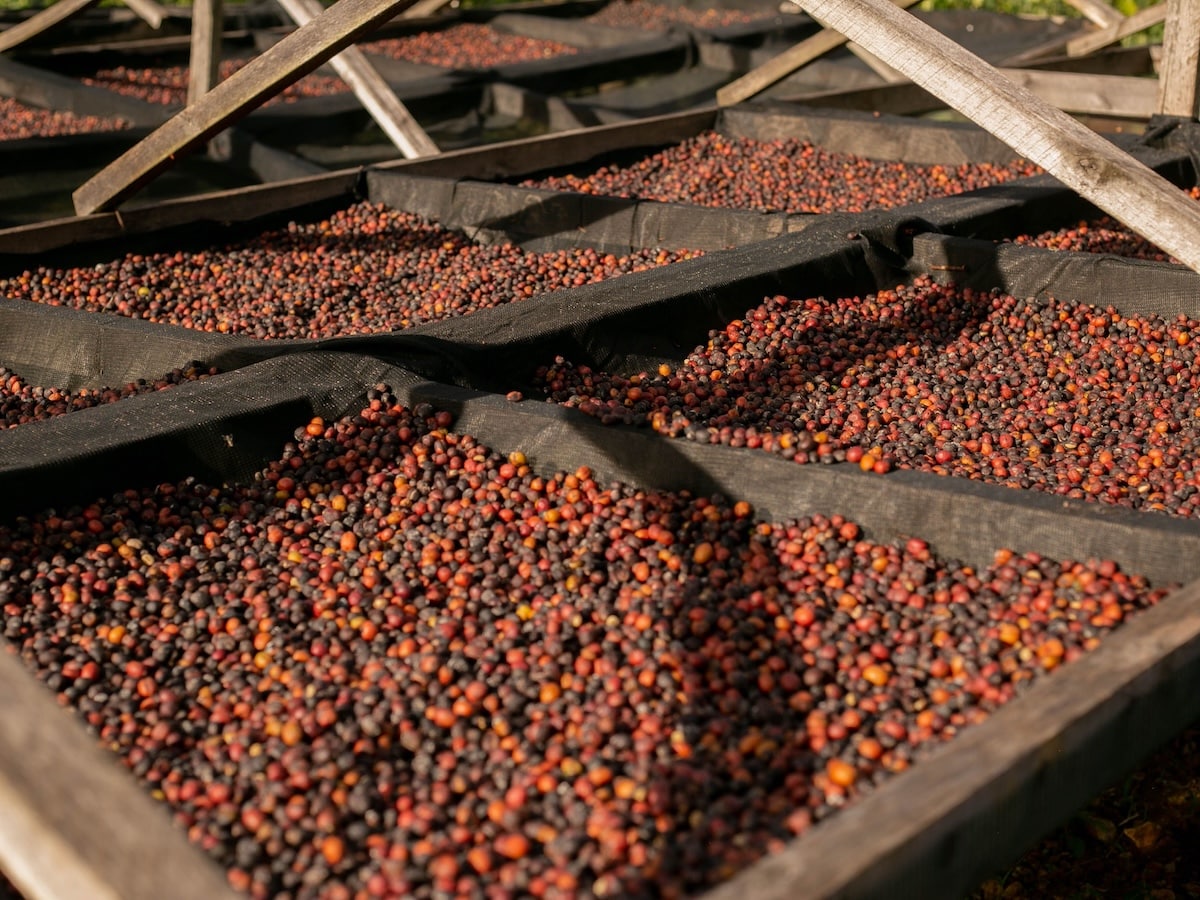
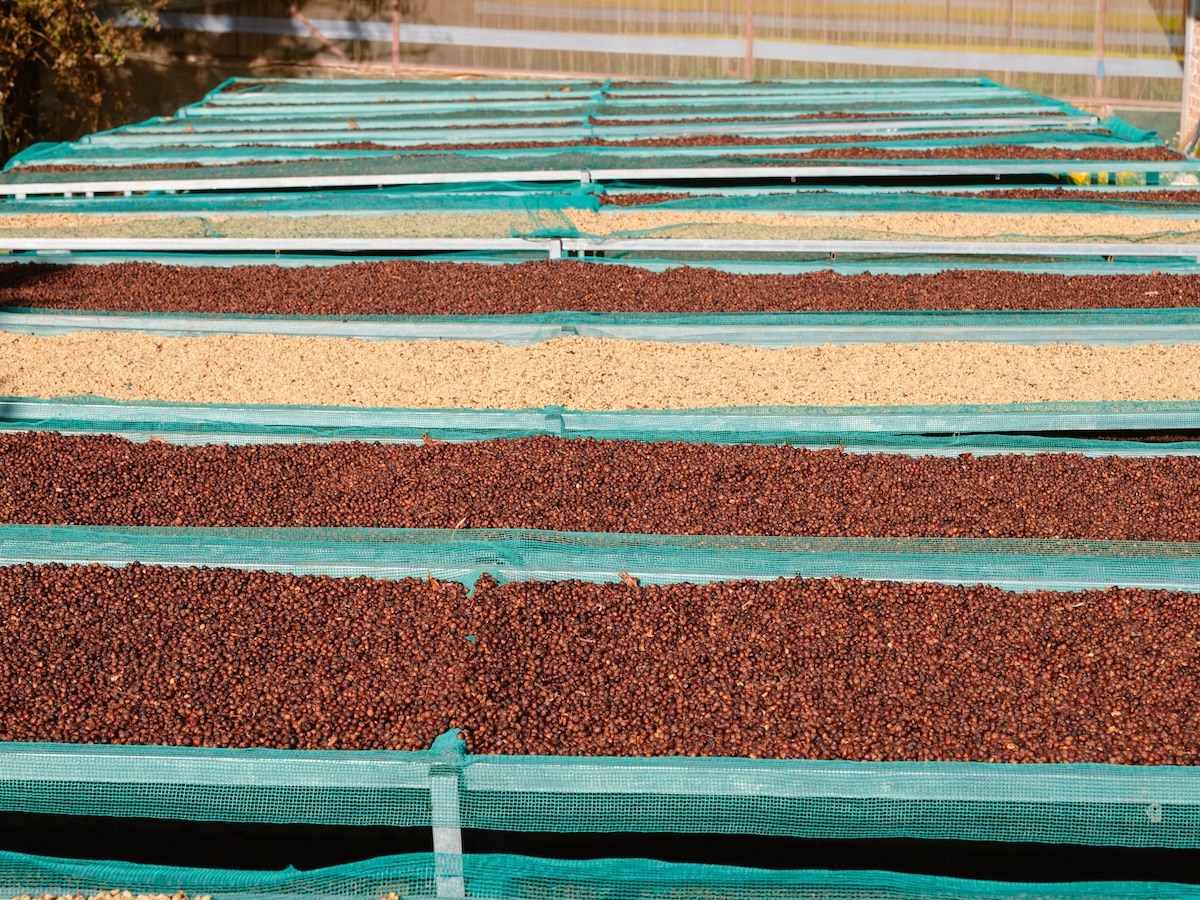
The natural process is the oldest method of coffee preparation, originating in regions with limited water access, such as Ethiopia and parts of Brazil. In this method, the cherries are harvested and immediately laid out to dry in their entirety, with the skin and pulp intact. They are spread across brick patios or raised "African beds" under direct sunlight.

The primary characteristic of the natural process is the extended contact between the seed and the fruit’s sugars. As the cherry dries, a natural fermentation occurs within the fruit wall. This allows the sugars and compounds in the mucilage to penetrate the bean. The process typically takes up to two weeks, during which the cherries must be turned constantly to prevent mold and over-fermentation.
- Flavor Profile: Natural coffees are celebrated for their heavy body, high sweetness, and vibrant, fruit-forward notes often reminiscent of berries, tropical fruits, or wine.
- Challenges: The method is highly susceptible to weather conditions. Unexpected rain or high humidity can ruin entire lots by causing rot or "earthy" defects.
2. The Washed (Wet) Process
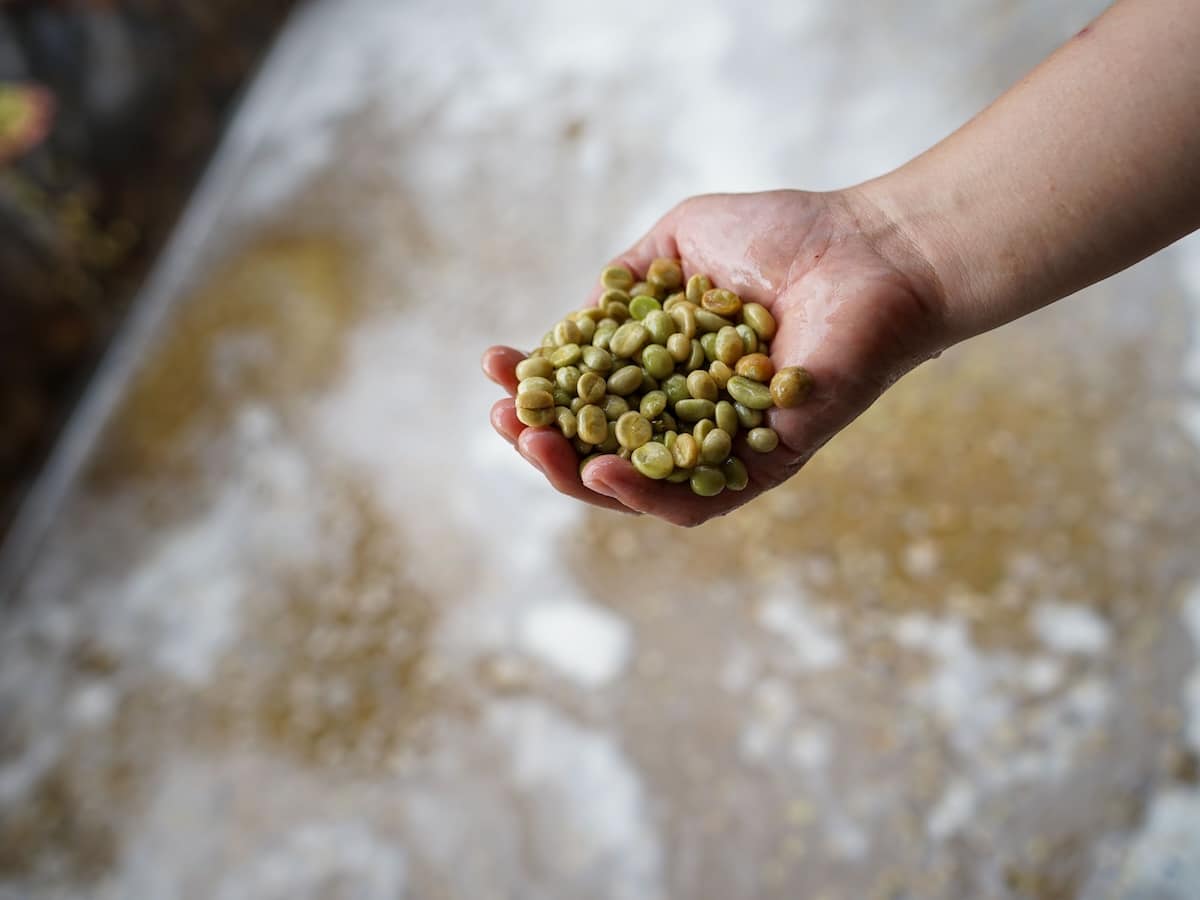
Conversely, the washed process focuses on the purity of the bean’s intrinsic flavors. In this method, the outer skin and pulp are removed mechanically by a "depulper" shortly after harvest. The beans, still covered in sticky mucilage, are then placed in fermentation tanks filled with water. Over a period of 24 to 72 hours, enzymes and microorganisms break down the mucilage. Once the mucilage is dissolved, the beans are "washed" clean with fresh water and then laid out to dry.
- Flavor Profile: Washed coffees are known for their "clarity of cup." They typically exhibit higher acidity, a lighter body, and more nuanced, floral, or citrusy notes. This method highlights the terroir—the specific soil and climate conditions of the farm—without the heavy influence of fruit fermentation.
- Challenges: The process is water-intensive, posing environmental challenges in regions without proper water treatment facilities, as the runoff (effluent) can be highly acidic and pollute local waterways.
3. The Honey (Pulped Natural) Process
Originating in Costa Rica and popularized globally over the last decade, the honey process is a hybrid of the natural and washed methods. The skin and a portion of the pulp are removed, but a specific percentage of the mucilage is left on the bean during the drying phase. The term "honey" refers to the sticky, golden texture of the mucilage, not the addition of actual honey.
Producers categorize this method by the amount of mucilage retained:
- White and Yellow Honey: Less mucilage remains, resulting in a flavor closer to a washed coffee.
- Red and Black Honey: More mucilage remains, leading to a profile that mimics the sweetness and body of a natural coffee.
The Fermentation Revolution: Experimental and Science-Driven Methods
As the specialty coffee market has become more competitive, producers have begun looking toward viticulture and microbiology to differentiate their products. These experimental methods often involve controlled fermentation environments to produce "funky" or highly specific flavor precursors.
Anaerobic Fermentation
In anaerobic processing, cherries (either whole or depulped) are placed in sealed, stainless steel tanks. Oxygen is purged from the environment, often by injecting CO2, creating a pressurized, oxygen-free chamber. This environment favors the growth of specific microbes and yeasts that would otherwise be outcompeted in open-air fermentation. The results are often highly complex, yielding flavors that range from cinnamon and baking spices to intense tropical punch.
Carbonic Maceration
Popularized by Sasa Sestic during the 2015 World Barista Championship, carbonic maceration is a technique borrowed directly from the wine industry (specifically Beaujolais). Whole, ripe cherries are placed in a tank that is then flushed with carbon dioxide. This allows the fermentation to happen within the individual fruit cells. The low-temperature, CO2-rich environment slows down the breakdown of sugars, resulting in a rounded, silky mouthfeel and distinct red-berry aromatics.
Thermal Shock Processing
One of the most advanced methods currently utilized involves "thermal shock." After a period of anaerobic fermentation, the beans are washed with hot water (approximately 40°C) and then immediately plunged into cold water (approximately 12°C). This sudden temperature shift is designed to "seal" the flavors and aromatic compounds into the bean’s cellular structure. Following this, the beans are dried in controlled mechanical dehydrators to ensure absolute consistency. This method, often associated with innovative producers like Diego Bermudez, results in coffees with extreme aromatic intensity and a "clean" but highly flavored profile.
A Chronology of Coffee Processing Evolution
The history of coffee processing is a timeline of increasing control and precision:
- Pre-1700s: Ancient methods in Ethiopia and Yemen focus exclusively on natural sun-drying.
- 1850s-1900s: The rise of colonial coffee plantations in wet climates (Central America, Asia) leads to the invention of the depulper and the standardization of the washed process.
- 1990s: The "Third Wave" of coffee begins, emphasizing traceability and the distinctiveness of regional processing.
- 2000s: Brazil and Costa Rica refine the "Pulped Natural" and "Honey" processes to bridge the gap between body and clarity.
- 2015-Present: The "Fermentation Era" begins, with World Barista Champions showcasing anaerobic and carbonic maceration, leading to a surge in demand for experimental "competition-grade" lots.
Market Data and Economic Implications
The shift toward specialized processing is not merely a culinary trend; it is an economic necessity for many farmers. The "C-Market" price for coffee—the global commodity price—is notoriously volatile and often dips below the cost of production. By utilizing experimental processing, farmers can move their coffee into the "Specialty" or "Micro-lot" category.
Data from specialty coffee auctions indicates that while standard commodity coffee may trade at $1.50 to $2.00 per pound, anaerobic or thermal shock lots can fetch anywhere from $20 to $500 per pound. This premium allows farmers to reinvest in their infrastructure, pay higher wages to pickers, and implement more sustainable agricultural practices. However, the risk is also higher; a failed experimental batch represents a significant financial loss compared to a failed standard lot.
Environmental Impact and Future Outlook
As climate change alters rainfall patterns and temperatures in the "Coffee Belt," processing methods are being adapted for sustainability. The high water usage of the washed process is becoming a liability in water-stressed regions like East Africa. Consequently, there is a renewed interest in "Eco-washes"—mechanical scrubbers that remove mucilage using 90% less water than traditional fermentation tanks.
Furthermore, the industry is seeing a convergence of science and art. Producers are now acting as lab technicians, measuring pH levels, sugar content (Brix), and temperature throughout the fermentation cycle to ensure repeatability.
The future of coffee processing lies in this marriage of technology and tradition. As Gabrel Tan noted, the process is about more than just drying a bean; it is a collaborative effort between nature and human innovation. As consumers become more educated about the "natural," "washed," or "anaerobic" labels on their bags, the pressure on producers to innovate will continue to grow, ensuring that the morning cup of coffee remains a dynamic and ever-evolving experience. Through these various methods, coffee has transcended its status as a simple stimulant to become a sophisticated medium of flavor, reflecting the complex journey from a cherry on a tree to a complex brew in a glass.




 Yuyun Lusiyani
 Joko Widodo
 Eva Lovia
 Pevita Pearce
 admin
admin