
 Pevita Pearce
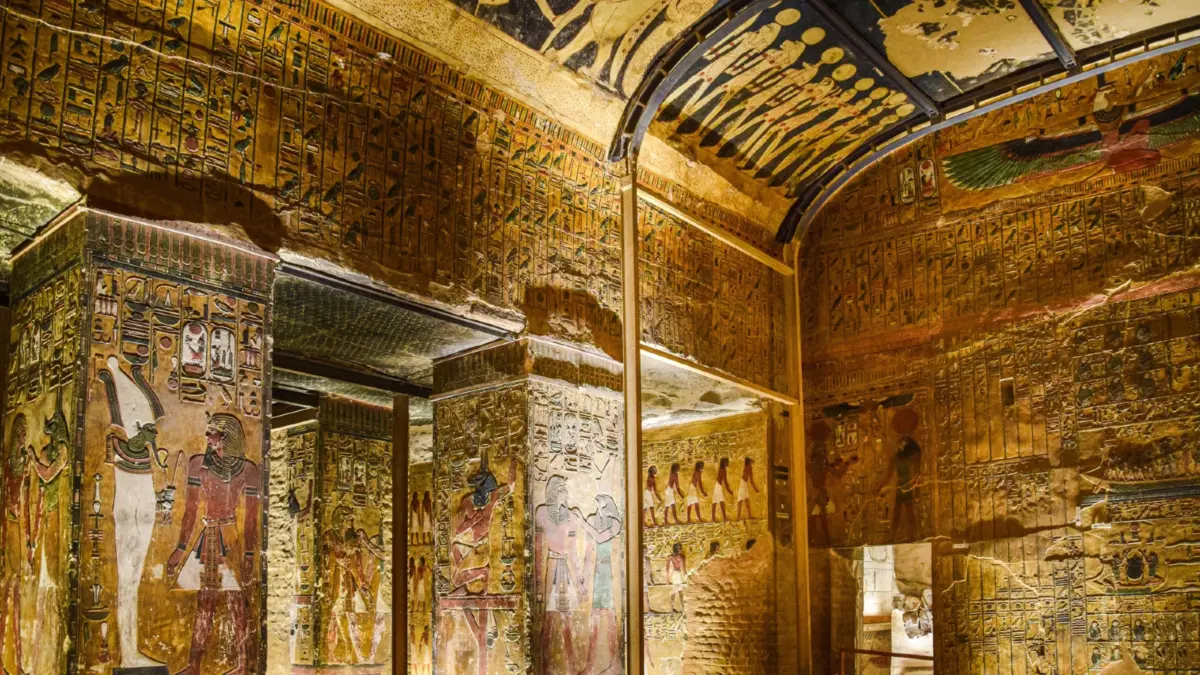
In a move that signals a significant shift in the curation of ancient artifacts, two of Glasgow’s most prominent cultural institutions have withdrawn the remains of ancient Egyptian individuals from public view. The Kelvingrove Art Gallery and Museum and The Hunterian Museum have implemented these changes following a major revision to international ethical guidelines, sparking a wider debate regarding the "inherent dignity" of the deceased and the historical lack of consent involved in the display of human remains.
The decision centers on the remains of two individuals: Nekht, an ancient Egyptian priest whose body has been a fixture of the Kelvingrove collection for decades, and Lady Shep-En-Hor, whose remains are housed at The Hunterian. While the methods of removal differ—one has been moved to a private storage area while the other has been shrouded in a ceremonial textile—both institutions cite the same underlying moral imperative. The move follows the June 2026 update to the International Council of Museums (ICOM) Code of Ethics, which now explicitly mandates that museums must prioritize the respect and dignity of human remains, acknowledging the spiritual and personal significance of the deceased.
The Shift in Ethical Standards: The 2026 ICOM Revision
The International Council of Museums (ICOM), the global authority on museum standards, revised its Code of Ethics in June 2026 to address long-standing criticisms regarding the colonial-era acquisition and display of human remains. Prior to this revision, guidelines focused heavily on the scientific and educational value of such displays. However, the new framework places a heightened emphasis on the "wishes and intentions" of the deceased and their descendants.
The 2026 code states that museums should "uphold the inherent dignity of human remains and promote respect for their significance," suggesting that if consent cannot be established—either through written records from the time of death or through consultation with direct descendants—the ethical default should lean toward non-display. For the curators in Glasgow, the absence of any evidence suggesting that Nekht or Lady Shep-En-Hor would have wanted their bodies viewed by the public thousands of years after their deaths became a deciding factor.
Case Study: The Priest Nekht and the Kelvingrove Art Gallery
The remains of Nekht, an Egyptian priest believed to have lived during the Middle Kingdom between 1985 and 1797 BC, have been a central part of the Kelvingrove’s Egyptian exhibit. For over a century, his mummified form provided millions of visitors with a tangible link to the ancient world. However, Glasgow Life, the charitable organization that manages the city’s cultural and sporting venues, determined that continued display was no longer compatible with modern ethical expectations.
In a formal statement, a spokesperson for Glasgow Life explained that the decision was rooted in a fundamental respect for the individual. "We believe removing ancient Egyptian human remains from display is more respectful to the deceased individuals," the spokesperson noted. The organization further clarified that the "absence of consent from the deceased individual or their descendants" was the primary driver.
The removal of Nekht’s remains was also influenced by findings from a parliamentary group on African repatriation. This group highlighted the "constant disregard" for the burial wishes of ancient ancestors, arguing that the preservation of bodies for religious purposes in ancient Egypt was intended for the afterlife and the divine realm, not for public spectacle in foreign nations.
Case Study: Lady Shep-En-Hor and The Hunterian Museum
The Hunterian Museum, located at the University of Glasgow, has taken a slightly different but equally symbolic approach to the remains of Lady Shep-En-Hor. Rather than removing her entirely from the gallery, curators have chosen to cover her remains with a specially designed textile. This shroud prevents visitors from seeing the actual mummified body while allowing the museum to keep her highly decorated and historically significant sarcophagus on display.
This "partial withdrawal" reflects the nuanced challenges museums face when balancing historical education with ethical sensitivity. Lady Shep-En-Hor’s sarcophagus provides vital information about the art, social hierarchy, and religious practices of her era. By covering the body but displaying the coffin, The Hunterian aims to respect her physical form while continuing to share the cultural history she represents.
Professor Steph Scholten, a member of the ICOM ethics committee and a key figure at The Hunterian, emphasized that the new code provides a framework rather than a rigid set of rules. "Kelvingrove and The Hunterian have come to slightly different outcomes about our displays," Scholten explained. "The code of ethics does not prescribe that all human remains should be taken off display, but it asks us to think deeply about why we are doing it and if it is truly respectful."

Chronology of the Ethical Evolution in Glasgow Museums
The journey toward the removal of these remains did not happen in isolation. It is the result of a decades-long evolution in how Western institutions view their colonial-era collections.
- Late 19th – Early 20th Century: Acquisition of Egyptian remains by Scottish collectors and archaeologists. During this era, "mummy mania" saw human remains treated as curiosities and scientific specimens.
- 2004: The UK passes the Human Tissue Act. While primarily focused on modern medical remains, it sparked initial discussions in the museum sector about the legal and ethical status of ancient bodies.
- 2010s: Increased pressure from the All-Party Parliamentary Group (APPG) on African Repatriation and various heritage groups to address the "decolonization" of museum spaces.
- June 2026: ICOM officially updates the Code of Ethics, introducing the language of "inherent dignity" and "respect for significance."
- Late 2026: Glasgow Life and The Hunterian conduct internal reviews of their Egyptian collections, leading to the current removal and shrouding of Nekht and Lady Shep-En-Hor.
Supporting Data and Public Sentiment
The decision to remove human remains is often met with mixed reactions from the public. Data from visitor surveys conducted in various UK museums over the last decade show a gradual shift in perception. In the early 2000s, "Ancient Egypt" exhibits—specifically those featuring mummies—were consistently rated as the most popular attractions. However, a 2024 study by the Museums Association found that 62% of younger museum-goers (aged 18-30) felt "uncomfortable" or "conflicted" about the display of human remains without clear evidence of consent.
Furthermore, the ethical move aligns with broader trends in the museum world. For instance, the Manchester Museum recently underwent a major renovation that included a reimagined Egyptian gallery, which focused more on the lived experiences and personal stories of the people of Egypt rather than the physical display of their corpses.
Broader Implications for the Global Museum Community
The actions taken by the Glasgow institutions are expected to reverberate across the global museum community. As one of the first major cities to implement the 2026 ICOM guidelines so decisively, Glasgow sets a precedent for other European and North American museums that hold significant collections of human remains.
The debate over "consent" is particularly complex in the context of archaeology. Unlike modern individuals who can leave "body donor" instructions, ancient individuals could never have anticipated the existence of public museums or the science of radiology used to study them. Critics of the removal argue that these remains are essential for scientific research—such as DNA analysis and paleopathology—which can provide insights into ancient diseases, diet, and migration patterns.
However, proponents of the new ethical standard argue that research can still happen behind closed doors in a controlled, respectful environment. They posit that the "public gaze" is the issue, not the scientific study. The removal of Nekht and the shrouding of Lady Shep-En-Hor suggest a future where the "spectacle" of death is replaced by a more somber, educational approach that prioritizes the personhood of the deceased over the curiosity of the visitor.
Fact-Based Analysis of the Repatriation Movement
While the current move involves the removal from display, it inevitably raises questions about repatriation—the return of remains to their country of origin. The All-Party Parliamentary Group on African Repatriation has been vocal in suggesting that "removal from display" is only a first step. The group argues that true respect for the "wishes and intentions of ancestors" may eventually require the return of these individuals to Egypt for reburial.
Currently, there are no immediate plans to repatriate Nekht or Lady Shep-En-Hor, as such processes involve complex international legal frameworks and diplomatic negotiations between the UK and Egyptian governments. However, by acknowledging the "lack of consent," Glasgow museums have effectively opened the door for future discussions regarding the permanent return of these individuals.
Conclusion: A New Era for Curatorial Responsibility
The decision by Kelvingrove and The Hunterian marks a defining moment in the history of Scottish museology. It reflects a transition from a 19th-century "collector" mindset to a 21st-century "stewardship" model. By choosing to prioritize the dignity of the deceased over the potential for high footfall and "mummy-centric" tourism, these institutions are signaling that the ethics of the present must sometimes override the traditions of the past.
As the museum world continues to digest the 2026 ICOM Code of Ethics, the sight of empty plinths and shrouded sarcophagi may become more common. For the curators in Glasgow, the goal is clear: to ensure that the stories of ancient Egypt are told with a level of respect that matches the grandeur of the civilization itself, ensuring that even the most ancient of ancestors are treated with the dignity they were denied during the era of colonial discovery.




 Nila Kartika Wati

 Eva Lovia

 Lina Irawan

 Yuyun Lusiyani

 Ana Megawati

 Joko Widodo
