
 Joko Widodo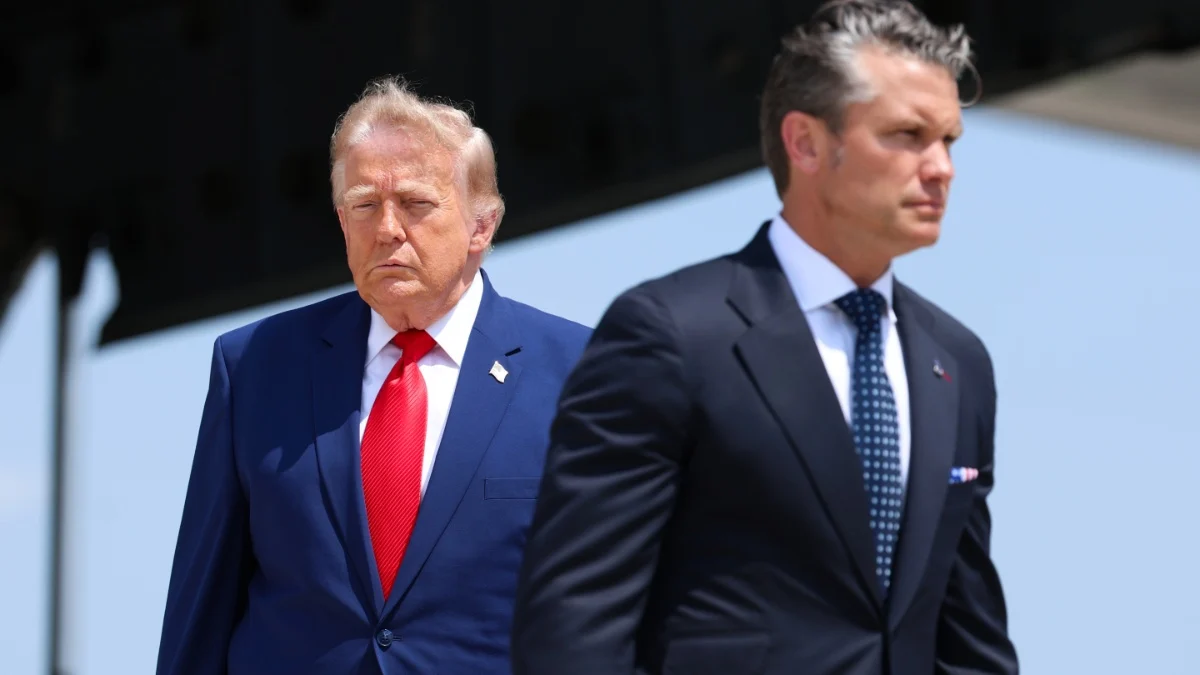
Mounting frustration within Republican ranks of Congress is reportedly being directed at Defense Secretary Pete Hegseth, with lawmakers alleging that a prevailing culture of loyalty within the Pentagon is hindering President Donald Trump from receiving candid assessments of the five-month-old Iran war, a conflict showing persistent signs of stagnation. These criticisms, emerging from influential figures on key defense committees, paint a picture of a command structure potentially prioritizing political expediency over objective military reporting, thereby imperiling the President’s decision-making capabilities in a critical foreign policy arena.
Allegations of Fear and Omission:
Sources within the House Armed Services Committee have voiced grave concerns to the Daily Mail, suggesting that Secretary Hegseth is exhibiting an unwillingness to deliver unvarnished truths regarding the ongoing conflict. One Republican member, speaking anonymously to protect their position, stated, "Hegseth is afraid of Trump and won’t be as honest as he should about the war for fear of losing his job." This sentiment, if widespread, suggests a significant disconnect between the realities on the ground and the information reaching the Oval Office.
The lawmaker further elaborated on this perceived atmosphere of apprehension, describing the President as "surrounded by a bunch of fearful yes men who can’t tell POTUS the truth." This characterization implies a broader systemic issue within the administration’s national security apparatus, where dissenting or negative reports are potentially being suppressed to maintain a façade of progress or to avoid incurring the President’s displeasure. The source offered a stark and discouraging outlook on the war’s trajectory, concluding, "I see very few ways to wrap up Iran other than to withdraw and somehow market that as a win." Such a statement underscores the deep pessimism reportedly harbored by some within the Republican party regarding the efficacy and potential success of the current military strategy.
Blocking Direct Communication:
The criticism extends beyond Secretary Hegseth to high-ranking military officials. A Republican senator serving on the Senate Armed Services Committee has reportedly leveled accusations against General Dan Caine, the Chairman of the Joint Chiefs of Staff, alleging that he has actively obstructed Admiral Brad Cooper, the commander responsible for Central Command operations against Iran, from providing direct briefings to President Trump. The senator, who also requested anonymity, expressed their disapproval, stating, "General Caine is making a mistake by not encouraging the president and Admiral Cooper to sit down and hear his view of how this operation could be successful."
This alleged blockage of direct communication between the field commander and the Commander-in-Chief is viewed as a critical impediment to informed decision-making. The senator characterized General Caine’s approach as "abundantly cautious" regarding the potential for backlash associated with a prolonged military engagement. This caution, while perhaps intended to mitigate political fallout, is seen by the senator as "not a formula for getting out of conflict successfully." The demand for unfiltered access for the field commander to the President highlights a fundamental disagreement on how military intelligence and strategic assessments should be conveyed to the nation’s highest leadership.
Pentagon Rebuttal and Context of the Conflict:
In response to these allegations, Pentagon spokesperson Sean Parnell issued a firm rejection of the claims. Parnell stated, "Secretary Hegseth gives honest, comprehensive advice to President Trump on a regular basis, including counsel from CENTCOM Commander Admiral Cooper." He further emphasized that President Trump intentionally surrounds himself with "top experts" and that the voters elected him specifically to "make the critical decisions." This official statement aims to counter the narrative of a fearful and disingenuous Pentagon, asserting that the President is indeed receiving accurate and complete information from qualified professionals.
The Iran war, now in its fifth month, has become a significant political and economic burden for the Trump administration. While specific details of the military objectives and operations remain largely classified, public discourse suggests a protracted engagement with limited tangible gains. The economic ramifications are becoming increasingly apparent, with rising gas and grocery prices contributing to widespread public concern. Polling data indicates a growing sentiment of disillusionment, with nearly two-thirds of Americans reportedly viewing the conflict as a "lost cause." This public perception adds another layer of pressure on the administration to demonstrate progress or articulate a clear path to resolution.
Background of the Iran Conflict:
The current military engagement with Iran, initiated approximately five months prior to these reports, follows a period of escalating tensions between the United States and the Islamic Republic. While the precise casus belli has not been fully elaborated upon by official sources, it is understood to be a response to a series of perceived provocations by Iran and its proxies in the Middle East, including alleged attacks on international shipping, destabilizing regional activities, and actions deemed threatening to U.S. interests and allies.
The initial deployment of U.S. forces and the commencement of military operations were met with a mix of bipartisan support and vocal opposition. Proponents argued for the necessity of a strong stance to deter further Iranian aggression and protect regional stability. Critics, however, raised concerns about the potential for escalation, the lack of a clear endgame, and the significant financial and human costs associated with prolonged military involvement in the Middle East. The ensuing months have seen sporadic reports of engagements, but no definitive strategic breakthroughs or clear indications of imminent victory.
Timeline of Key Developments (Inferred):
- [Approx. 5 Months Ago]: U.S. military operations against Iran commence, following a period of heightened regional tensions and alleged provocations. Initial objectives are broadly stated as deterring aggression and protecting U.S. interests.
- [Ongoing]: Reports of sporadic military engagements and counter-operations emerge, with limited official details provided to the public. The conflict appears to enter a phase of attrition.
- [Recent Weeks/Months]: Growing public concern over economic impacts, including rising inflation in gas and grocery prices, is linked by some analysts to the ongoing conflict and increased geopolitical uncertainty.
- [Current Period]: Congressional Republicans begin to voice significant criticisms regarding the handling of the war, specifically targeting Defense Secretary Pete Hegseth and other Pentagon officials for potentially withholding honest assessments from President Trump. Anonymous sources from key defense committees leak these concerns to the press.
Economic and Political Pressures:
The economic toll of the Iran conflict is becoming an increasingly salient factor in public opinion and political discourse. Persistent increases in the prices of essential goods such as gasoline and groceries are placing a strain on American households, exacerbating existing economic anxieties. This financial burden, coupled with the perceived lack of progress in the war effort, has contributed to a significant erosion of public confidence. The statistic that nearly two-thirds of Americans now view the conflict as a "lost cause" is a stark indicator of this growing disillusionment and poses a considerable challenge for the administration’s messaging and strategic objectives.
Analysis of Implications:
The accusations leveled by Republican lawmakers suggest a potential breakdown in the flow of objective military intelligence to the President. If a culture of fear or political expediency is indeed influencing the reporting process, it could lead to flawed strategic decisions based on incomplete or overly optimistic assessments. This could prolong an unpopular and costly war, further alienate the public, and potentially damage the credibility of the administration and the Pentagon.
The alleged obstruction of direct communication between Admiral Cooper and President Trump is particularly concerning. A field commander on the front lines of the conflict possesses a unique and invaluable perspective on the realities of the battlefield, the effectiveness of current strategies, and the challenges faced by troops. Being denied direct access to the Commander-in-Chief to share these critical insights could mean that vital information is being filtered or diluted, potentially hindering the President’s ability to make informed decisions about resource allocation, strategic adjustments, or even the ultimate decision to withdraw.
The Pentagon’s rebuttal, while firm, does not fully negate the concerns raised by lawmakers, particularly regarding the subjective nature of "honest, comprehensive advice." The public and congressional oversight bodies will likely continue to scrutinize the information provided to the President and the overall conduct of the war. The growing public sentiment against the conflict, coupled with internal Republican dissent, suggests that the administration faces significant pressure to demonstrate tangible progress or to articulate a clear and convincing strategy for disengagement. The coming weeks and months will be critical in determining how these internal divisions and external pressures will shape the future of U.S. policy regarding Iran.
The situation also raises broader questions about accountability within the national security apparatus. In times of prolonged conflict, robust and transparent communication channels are paramount. The current allegations suggest a potential vulnerability in these channels, with significant implications for national security and public trust. The continued public and congressional scrutiny of the Pentagon’s operations and the information provided to the President will be essential in ensuring that decisions regarding military engagements are based on the most accurate and unvarnished assessments available.
This article was originally reported by Devanshi Basu on Mandatory.com.




 Yuyun Lusiyani
 Eva Lovia
 Pevita Pearce
 admin
admin
 Lina Irawan