
 admin
admin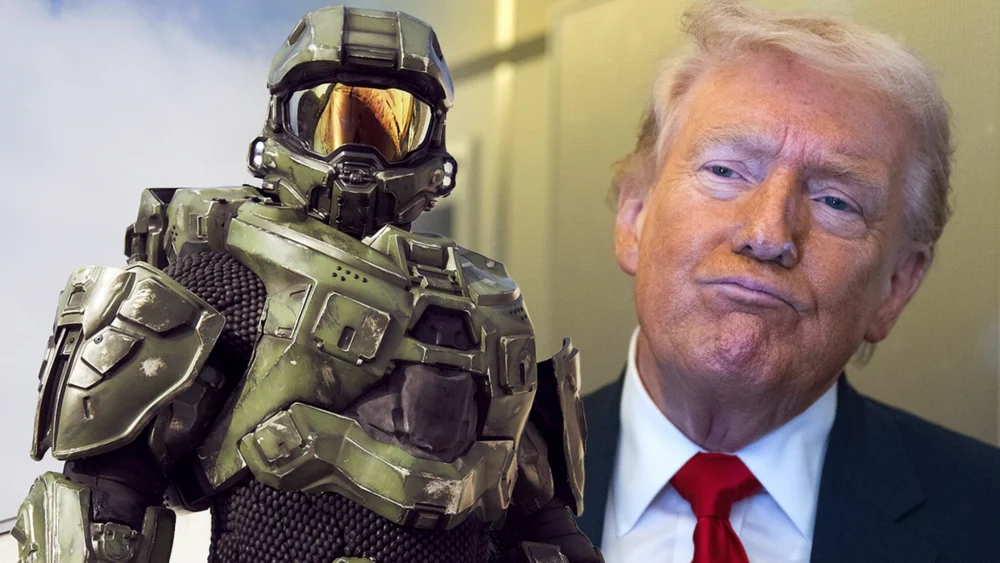
Washington D.C. – March 9, 2026 – Steve Downes, the iconic voice behind Master Chief in the globally renowned "Halo" video game franchise, has vehemently denounced the White House for allegedly utilizing his voice and the character’s imagery in a propaganda video promoting the ongoing military operations in Iran. Downes’ forceful statement, posted on X (formerly Twitter), expressed outrage and a demand for immediate removal, characterizing the content as "disgusting and juvenile war porn." This incident marks a significant escalation in a growing controversy surrounding the administration’s use of copyrighted cultural content without consent to bolster its foreign policy agenda, following similar protests from Hollywood figures like Ben Stiller.
Downes made his position unequivocally clear in his social media post: "It has come to my attention that there is at least one propaganda video circulating that was either produced or at the very least endorsed by the White House that uses images of Master Chief and uses my voice to support the war in Iran." He continued, emphasizing, "Let me make this crystal clear: I did not participate in nor was I consulted, nor do I endorse the use of my voice in this video, or the message it conveys." The actor’s frustration culminated in a direct demand: "I demand that the producers of this disgusting and juvenile war porn remove my voice immediately." This unreserved condemnation from a figure associated with a beloved gaming icon underscores the profound ethical and legal questions now facing the administration.
The Controversial "Justice the American Way" Video
The video at the center of this burgeoning controversy, reportedly titled or themed "Justice the American Way," has drawn widespread criticism not only for its alleged unauthorized use of intellectual property but also for its thematic inconsistencies. Beyond Master Chief, the compilation reportedly features an eclectic array of characters from popular culture, including Maximus Meridius from the historical epic "Gladiator" and William Wallace from "Braveheart." Critics have quickly pointed out the irony and inaccuracy of using these figures, neither of whom are American, to promote a concept of "American justice." This choice of imagery further muddies the video’s message and raises questions about its intended audience and persuasive strategy.
The origin of the video remains somewhat nebulous, with official channels not explicitly claiming authorship, yet its circulation with apparent White House endorsement suggests a direct or indirect link to the administration’s communication efforts. The lack of transparency regarding its production and dissemination has only fueled public skepticism and the outrage of the artists whose work has been appropriated.
A Growing Chorus of Dissent: Ben Stiller’s Prior Outcry
Steve Downes is not the first prominent personality to object to the administration’s use of their creative work in this particular propaganda initiative. Just days prior, acclaimed actor and director Ben Stiller publicly lambasted the White House for incorporating scenes from his satirical war comedy "Tropic Thunder" into the same or a similar promotional video. Stiller’s statement mirrored Downes’ sentiment, asserting, "Hey White House, please remove the ‘Tropic Thunder’ clip. We never gave you permission and have no interest in being a part of your propaganda machine. War is not a movie."
Stiller’s protest highlighted the stark contrast between the comedic, critical intent of "Tropic Thunder" – a film that satirizes Hollywood’s attempts to glorify war – and its use in a video designed to legitimize actual military conflict. The film, released in 2008, is known for its meta-commentary on the entertainment industry and its often-problematic portrayals of warfare. Its unauthorized inclusion underscores a potential misjudgment by the video’s creators regarding the source material’s context and message. The cumulative effect of these celebrity denunciations suggests a broader pattern of content appropriation without regard for artistic intent or legal consent.
The Geopolitical Backdrop: U.S.-Israel Attacks on Iran
The propaganda video emerges amidst a highly volatile geopolitical landscape, specifically the recently initiated joint military operations by the United States and Israel against targets in Iran. These attacks, which commenced on the last day of February 2026, represent a significant escalation in regional tensions that have been simmering for months, if not years. While specific details of the casus belli remain subject to ongoing intelligence reports and official statements, public knowledge indicates a series of heightened naval incidents, alleged cyber-attacks, and proxy conflicts across the Middle East preceding this direct military intervention.
The administration’s justification for these attacks has centered on national security interests, regional stability, and preemptive measures against perceived threats. However, these claims are met with skepticism by international observers and a segment of the American public, who question the long-term strategic implications and the potential for a wider, more devastating conflict. In this charged atmosphere, the government’s attempt to rally public support through emotionally resonant, pop culture-infused messaging takes on added scrutiny, particularly when the content creators themselves disavow the message.
Legal and Ethical Implications: Intellectual Property and Consent
The core of the controversy touches upon fundamental principles of intellectual property law and ethical governance. The use of copyrighted characters, voices, and film clips without explicit permission from the rights holders or the artists involved constitutes potential copyright infringement and a violation of an individual’s right of publicity. In the United States, copyright law protects original works of authorship, granting creators exclusive rights to reproduce, distribute, and display their work. Similarly, the right of publicity protects individuals from the unauthorized commercial exploitation of their name, likeness, or voice.
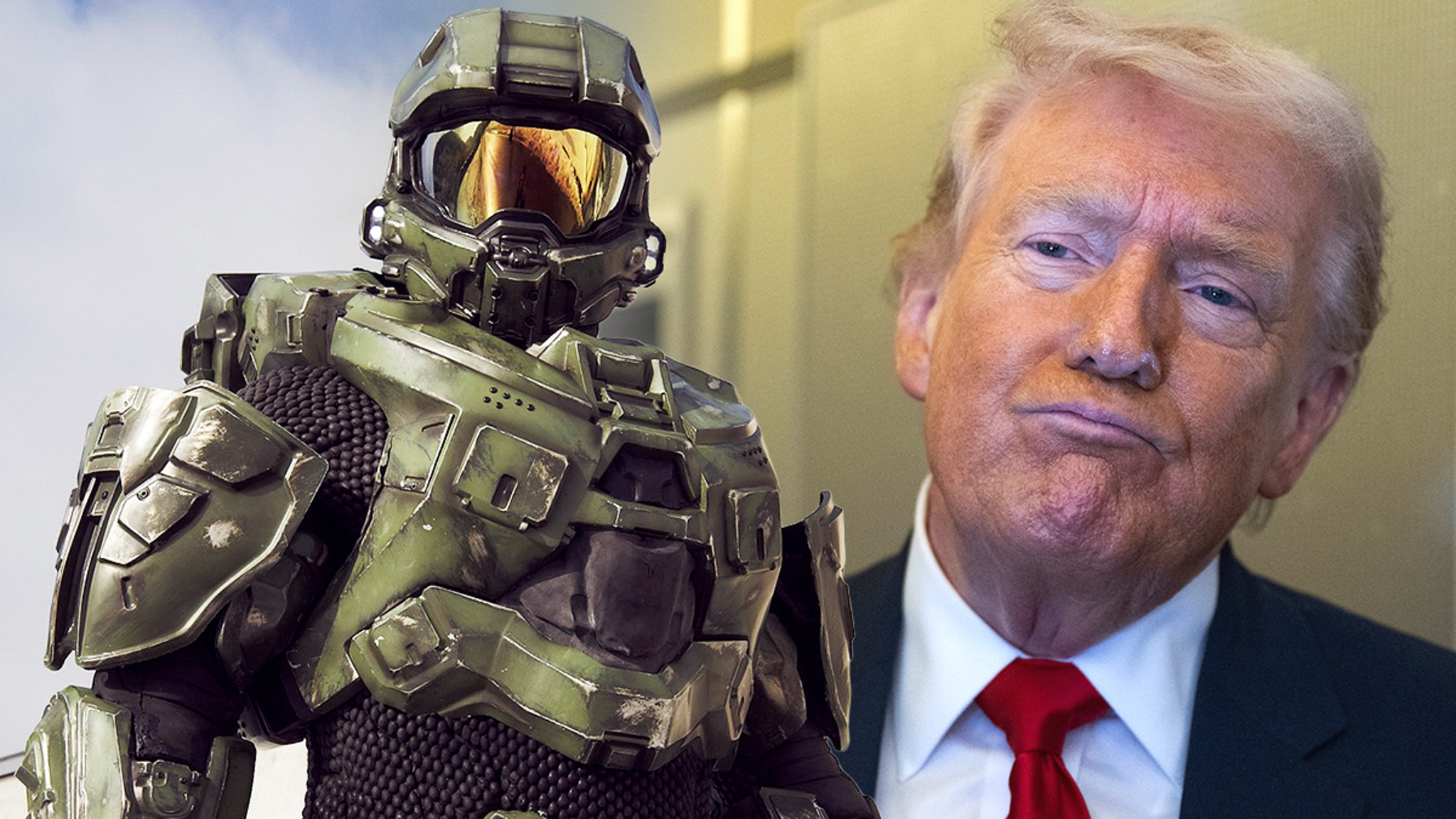
For Steve Downes, the voice of Master Chief, the issue is particularly acute. His voice is inextricably linked to a character that embodies heroism, duty, and military prowess within a fictional universe. To have that voice co-opted for real-world political and military messaging, especially without his consent and against his personal convictions, is a direct challenge to his artistic integrity and personal autonomy. The "Halo" franchise itself, developed by Bungie and later 343 Industries, is a multi-billion dollar enterprise, and the unauthorized use of its key character could also prompt legal action from the intellectual property owners, such as Microsoft.
Ethically, the situation raises serious questions about the government’s role in public communication, particularly during wartime. Propaganda, while a historical tool of statecraft, is generally expected to operate within certain boundaries, respecting individual rights and avoiding deceptive practices. The appropriation of popular cultural figures, often seen as apolitical or embodying universal values, for specific political ends without consent can erode public trust in both government communications and the entertainment industry. It blurs the lines between fiction and reality, potentially manipulating public sentiment by associating beloved characters with controversial policies.
The Cultural Resonance of Master Chief and "Tropic Thunder"
The choice of Master Chief and "Tropic Thunder" is not arbitrary; both hold significant cultural weight. Master Chief, the stoic super-soldier of the "Halo" universe, is a symbol of resilience, sacrifice, and ultimate victory against overwhelming odds. He is a modern mythic figure for millions of gamers worldwide, representing an idealized form of heroism. To repurpose this icon for a real-world conflict, especially one as divisive as the war in Iran, risks alienating a vast segment of the gaming community and potentially undermining the character’s carefully constructed narrative.
"Tropic Thunder," on the other hand, is a satirical commentary on the superficiality and commercialization of war in cinema. Its inclusion in a genuine war propaganda video is deeply ironic and, for many, offensive. It suggests either a profound misunderstanding of the film’s message by the video’s producers or a cynical attempt to strip it of its critical context for purely instrumental purposes. Both instances highlight a broader struggle over meaning and narrative control in the digital age, where cultural artifacts can be easily detached from their original intent and repurposed.
Public Reaction and Broader Implications
The reactions from Downes and Stiller have ignited a firestorm of discussion across social media platforms and news outlets. Fans of "Halo" and "Tropic Thunder" have largely rallied behind the actors, expressing solidarity and condemning the White House’s actions. This public outcry reflects a broader sentiment that cultural content should not be commandeered for political messaging without the express consent of its creators. It also underscores the increasing media literacy of the public, who are quick to identify and critique attempts at manipulation.
The implications of this controversy extend beyond the immediate legal and ethical challenges. It sets a precarious precedent for the relationship between government and the creative industries. If governments can freely appropriate popular culture for their agendas, it could stifle artistic expression, create an atmosphere of distrust, and force artists into potentially uncomfortable political endorsements. It also raises questions about the future of public discourse in an era where deepfakes and AI-generated content can make it increasingly difficult to discern authentic voices from manufactured ones. The unauthorized use of Downes’ voice, even if it’s merely an excerpt from existing media, touches upon these deeper anxieties about digital manipulation.
The White House’s Silence and Future Course
As of the latest reports, the White House has yet to issue an official response to the demands made by Steve Downes and Ben Stiller, or to clarify the origin and endorsement of the controversial propaganda video. This silence, while perhaps strategic, only serves to amplify the criticism and prolong the controversy. A lack of acknowledgment or explanation could be interpreted as tacit admission of the unauthorized use or a dismissive stance towards the concerns of artists and intellectual property rights.
The legal ramifications could be significant. Should the rights holders – Microsoft for "Halo" or Paramount Pictures for "Tropic Thunder" – decide to pursue legal action, the administration could face substantial copyright infringement lawsuits, potentially involving millions in damages. Beyond legal battles, the incident risks further eroding public trust in governmental communications, particularly regarding sensitive military actions. It prompts citizens to question the authenticity and integrity of information disseminated by official channels, potentially hindering efforts to build consensus around critical national and international policies.
In conclusion, the vehement protests from Steve Downes and Ben Stiller regarding the White House’s alleged unauthorized use of their work in propaganda videos represent a pivotal moment in the intersection of politics, popular culture, and intellectual property rights. As the U.S.-Israel military actions in Iran continue, the controversy surrounding the "Justice the American Way" video serves as a stark reminder of the ethical complexities and legal obligations inherent in government communication, particularly when it ventures into the realm of cultural appropriation. The world awaits an official response from the White House, whose silence thus far only intensifies the debate over consent, artistic integrity, and the very nature of propaganda in the 21st century.


 Yuyun Lusiyani
 Joko Widodo
 Eva Lovia
 Pevita Pearce

 Lina Irawan