Pevita Pearce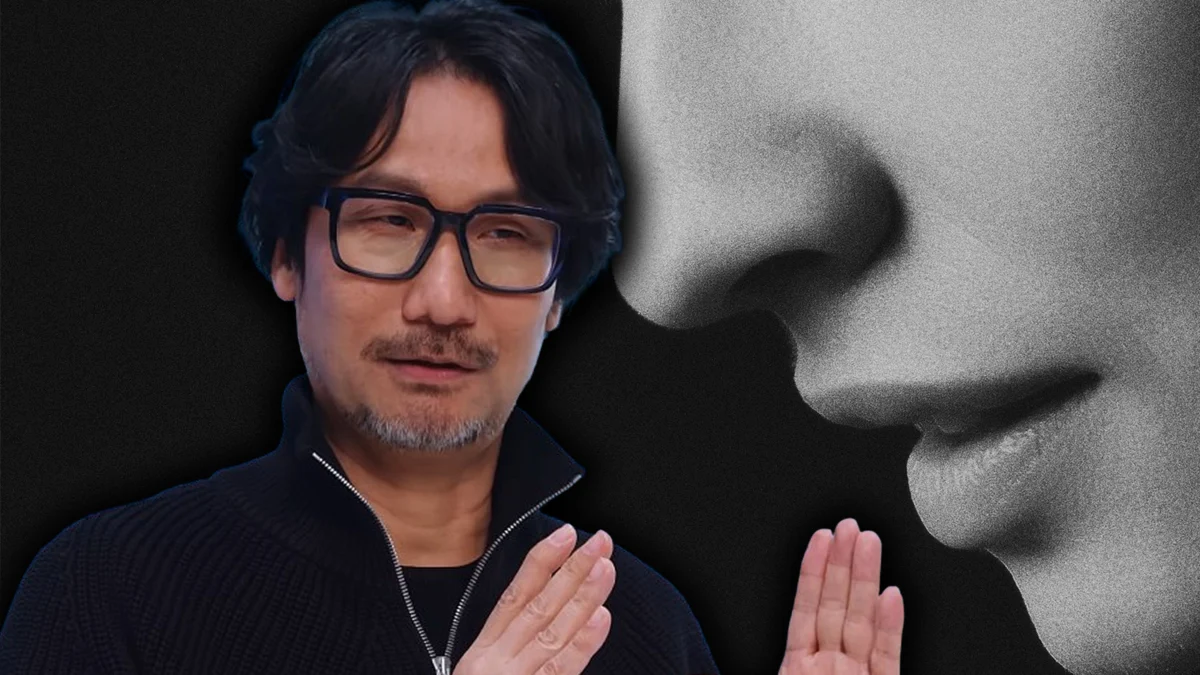
Hideo Kojima, the globally acclaimed video game director and founder of Kojima Productions, has sparked widespread discussion across international social media platforms following the resurgence of a personal essay in which he details a lifelong struggle with extreme olfactory sensitivity. Originally published on December 6, 2025, in the prominent Japanese women’s lifestyle magazine An An Web, the essay titled “What’s the scent of a director (me)?” has gained significant traction three months after its initial release. In the piece, Kojima explores the biological realities of his heightened sense of smell—a condition he identifies as potentially being hyperosmia—and recounts a specific public incident that forced him to confront his own physical "signature" in the eyes of his fanbase.
The essay provides a rare glimpse into the private sensory world of a creator known for his meticulous attention to detail in digital environments. Kojima, the mastermind behind the Metal Gear Solid franchise and Death Stranding, suggests that his creative process may be deeply intertwined with a sensory experience that is significantly more intense than that of the average person. The revelation has prompted fans and medical enthusiasts alike to examine the intersection of neurological diversity and artistic output.
The Viral Genesis: The KOJI10 Radio Show Incident
The catalyst for Kojima’s essay was a public event involving his radio program, KOJI10, which recently concluded its second season. During the live recording of the season finale, held at an upscale cafe in Tokyo, Kojima and his production crew engaged with a live audience in an intimate setting. According to the director’s account, the atmosphere was charged with the typical fervor associated with his public appearances.
In a moment of unscripted spontaneity, Kojima realized he had no official merchandise or promotional materials to distribute to the fans in attendance. Driven by what he described as an "instinctive reaction" rather than a calculated attempt to mimic a rock star, Kojima removed the T-shirt he was wearing and tossed it into the front row of the audience. The garment was caught by a female fan who, according to Kojima, immediately pressed the fabric to her face and remarked on its pleasant scent.
This incident quickly moved from the physical venue to the digital sphere, trending on X (formerly Twitter) and Japanese message boards. Fans began a digital investigation to identify the specific fragrance Kojima wore, leading to a surge in interest regarding his personal grooming habits. While Kojima declined to name the specific cologne in the essay, he provided clues throughout the text, suggesting that his choice of fragrance is dictated by a medical necessity to avoid sensory overload.
Understanding Hyperosmia: The Science of "Super-Smelling"
Central to Kojima’s essay is his self-identification with hyperosmia, a rare physiological condition characterized by an increased olfactory acuity or an abnormally heightened sense of smell. While Kojima noted that he has not received a formal clinical diagnosis, his descriptions align closely with the symptomatic profile of the condition. In the original Japanese text, a translation error initially led to the use of the term “hyperolemia”—a non-existent medical term—but context clarifies that the director was referring to the hypersensitivity of the olfactory system.

Hyperosmia is estimated to affect approximately 2% of the healthy population. Medical literature identifies several primary causes for the condition, including hormonal shifts (most commonly during pregnancy), neurological disorders, and chronic migraines. For those with hyperosmia, scents that most people find mild or pleasant can become overwhelming, nauseating, or even physically painful.
Kojima’s account traces this sensitivity back to his childhood. He recalled experiencing intense nausea during school "visit days," triggered by the concentrated scent of cosmetics worn by the visiting mothers. This sensitivity has persisted into his adult life and professional career. Kojima described an ability to identify specific colleagues who had previously used an elevator based solely on the lingering molecules of their perfume or natural scent. This level of detection suggests an olfactory threshold significantly lower than the baseline for most adults, a trait that can be both a creative asset and a daily burden.
Chronology of the Essay’s Publication and Impact
The timeline of the essay’s impact highlights the enduring nature of Kojima’s influence on digital culture.
- December 6, 2025: The essay is published on An An Web, a platform known for long-form interviews and lifestyle content targeting a sophisticated female demographic in Japan.
- January – February 2026: The essay circulates within the Japanese gaming community, with minor discussions regarding the KOJI10 finale.
- March 2026: English-language translations and social media summaries go viral, bringing the "super-smell" revelation to a global audience.
- Late March 2026: Medical experts and tech analysts begin discussing the implications of Kojima’s sensory sensitivity on his game design philosophy.
The delayed viral nature of the post is characteristic of Kojima’s "slow-burn" engagement with his audience, where small details in his personal life are often scrutinized for potential clues regarding his upcoming projects, such as Physint or the sequel to Death Stranding.
Practical Adaptations and Creative Implications
To manage the challenges of hyperosmia, Kojima revealed that he is highly selective regarding the fragrances he uses. He specifically seeks out scents with low concentrations, such as eau de cologne or light eau de toilette, rather than high-concentration parfums. This allows him to maintain a personal scent without triggering the nausea or headaches that often accompany his condition.
Industry analysts have noted that Kojima’s heightened sensory perception may explain the unique "texture" of his games. His titles are frequently praised for their environmental storytelling, where the sound of rain, the visual density of fog, and the tactile feedback of the controller are used to create a "total" experience. If Kojima experiences the physical world with heightened intensity, it stands to reason that he would attempt to replicate that level of immersion in a digital medium.
Furthermore, the director’s interest in the boundaries of the human body and technology has been a recurring theme in his work. From the "Sons of the Liberty" nanomachines in Metal Gear Solid 2 to the "chiral allergy" in Death Stranding—where characters cry in the presence of supernatural elements—Kojima has often used biological reactions as narrative devices. The revelation of his own biological sensitivity adds a layer of personal resonance to these themes.

Broader Context: Kojima’s Recent Innovations in AI and Tech
The viral essay comes at a time when Hideo Kojima is increasingly vocal about the future of interactive media. Recently, Kojima expressed interest in developing a game specifically designed for Artificial Intelligence (AI) to play. He envisioned this project as a "teaching material" for AI models, allowing them to study human-like decision-making and logic within a controlled environment.
This move toward AI integration, combined with his recent reflections on human sensory experience, suggests that Kojima is looking to bridge the gap between biological reality and digital simulation. Whether it is the "smell" of a digital environment or the "thought process" of a machine, Kojima remains focused on the elements that define the human experience.
Official Responses and Industry Reaction
While Kojima Productions has not issued a formal press release regarding the director’s health, the essay serves as a primary source document for fans and the media. The response from the gaming community has been largely supportive, with many noting that Kojima’s "superpower" is consistent with his reputation as a "perfectionist auteur."
Fragrance experts have also weighed in on the discussion, noting that the "Kojima Effect" could lead to increased interest in the niche fragrance market in Japan, particularly for scents that prioritize subtlety and natural ingredients. The anonymity of his chosen fragrance has only added to the mystique, creating a "treasure hunt" atmosphere among his most dedicated followers.
As Kojima continues development on his upcoming slate of projects, the "super-smell" revelation provides a new lens through which to view his work. It reinforces the image of a creator who is deeply, perhaps even painfully, attuned to the world around him—a quality that has undoubtedly contributed to his status as one of the most influential figures in the history of interactive entertainment. For Kojima, the world is not just seen or heard; it is felt through a complex, high-definition spectrum of scents that inform his life and his art.



 Jia Lissa
 Yuyun Lusiyani
 Joko Widodo
 Eva Lovia