
 Lina Irawan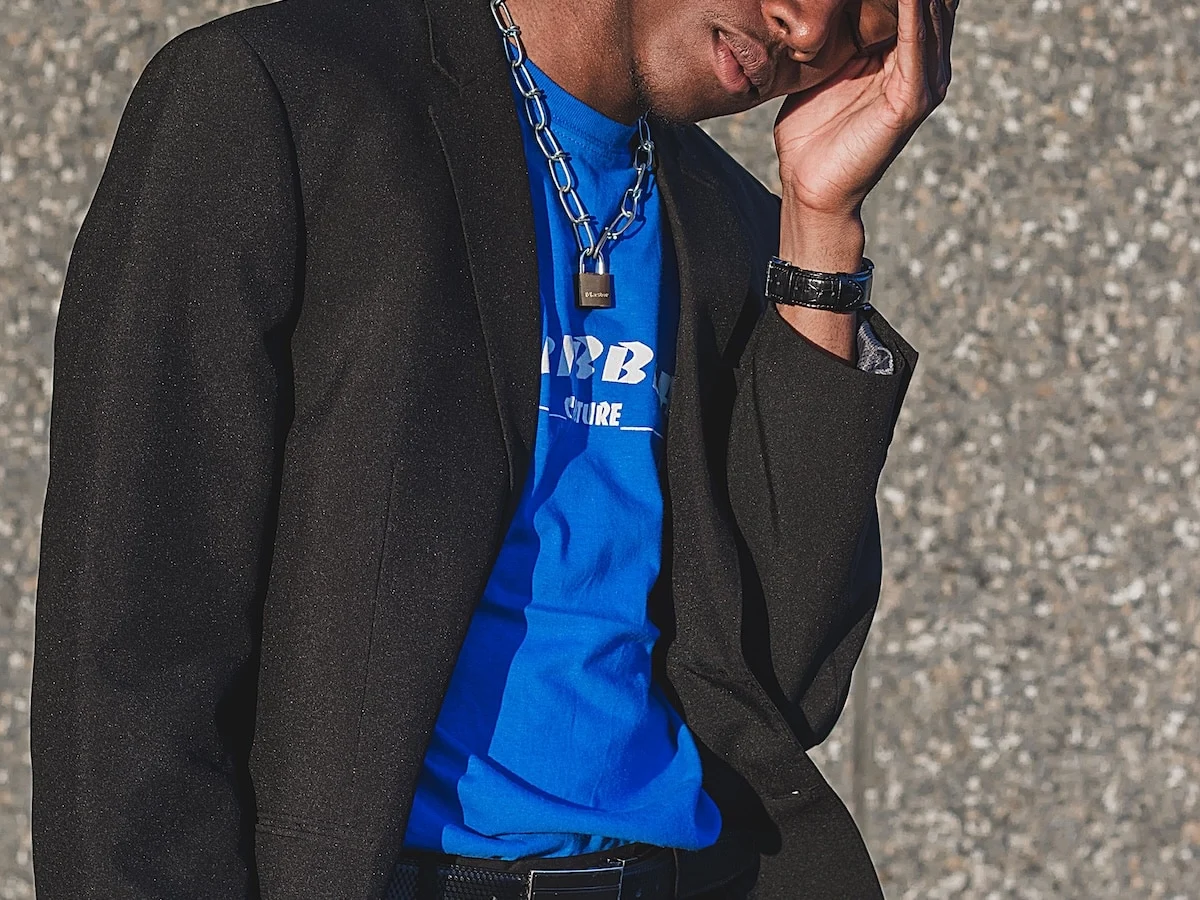
The perception of the graphic t-shirt in menswear has undergone a radical transformation over the past decade, shifting from a symbol of adolescent rebellion or domestic leisure to a sophisticated staple of the modern wardrobe. Historically, style arbiters suggested that men over the age of 30 should relegate printed apparel to the gymnasium or the bedroom. However, the rise of elevated streetwear and the relaxation of corporate dress codes have necessitated a re-evaluation of the graphic tee. When executed with intentionality, these garments serve as a canvas for personal identity, allowing for a blend of high-fashion aesthetics and individual narrative.
The global t-shirt market reflects this enduring popularity. According to industry data from Statista, the global t-shirt market is projected to grow annually by 3.22% (CAGR 2024-2028), with a significant portion of that growth driven by the "custom and graphic" segment. As consumers increasingly prioritize authenticity and brand storytelling, the graphic tee has emerged as the primary vehicle for "identity dressing."
The Evolution of the Graphic Tee: A Chronology
The graphic t-shirt’s journey from military undergarment to fashion statement is rooted in cultural shifts. In the early 20th century, the t-shirt was strictly functional, issued by the U.S. Navy as a lightweight underlayer. By the 1940s, it began to surface as a medium for messaging. One of the earliest recorded "graphic" tees was the 1948 presidential campaign shirt for Thomas E. Dewey, which featured the slogan "Dew-It with Dewey."
The 1960s and 1970s saw the medium explode as screen-printing technology became more accessible. This era birthed the iconic band tee and the political slogan shirt, cementing the garment’s role as a tool for social and cultural affiliation. By the 1990s, the graphic tee was synonymous with grunge and skate culture. Today, the "third wave" of the graphic tee involves luxury houses like Gucci, Loewe, and Dries Van Noten incorporating bold prints into their runway collections, effectively bridging the gap between subculture and high fashion.
The Stylist’s Perspective: Identity and Content
The distinction between a mature, "styled" look and an adolescent appearance often hinges on the content of the graphic. Professional stylist Charlie Rincón emphasizes that for a graphic tee to work in a mature context, it must convey a clear message or serve as an indicator of identity.

"The content of the graphic is everything," Rincón notes. "A graphic tee should convey a message or serve as an indication of identity. If you’re going to wear one, make sure it expresses a part of you—whether that is your favorite artist or a statement about something you believe in."
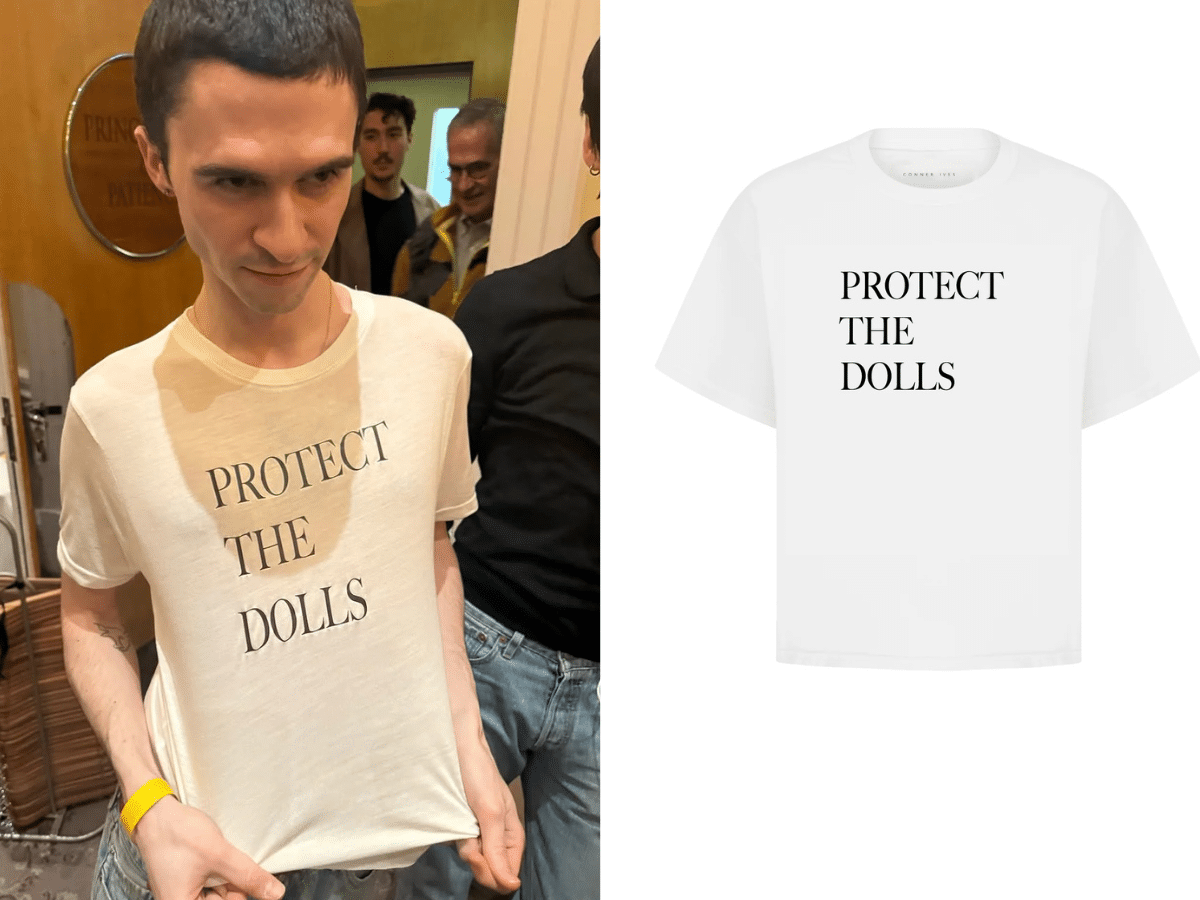
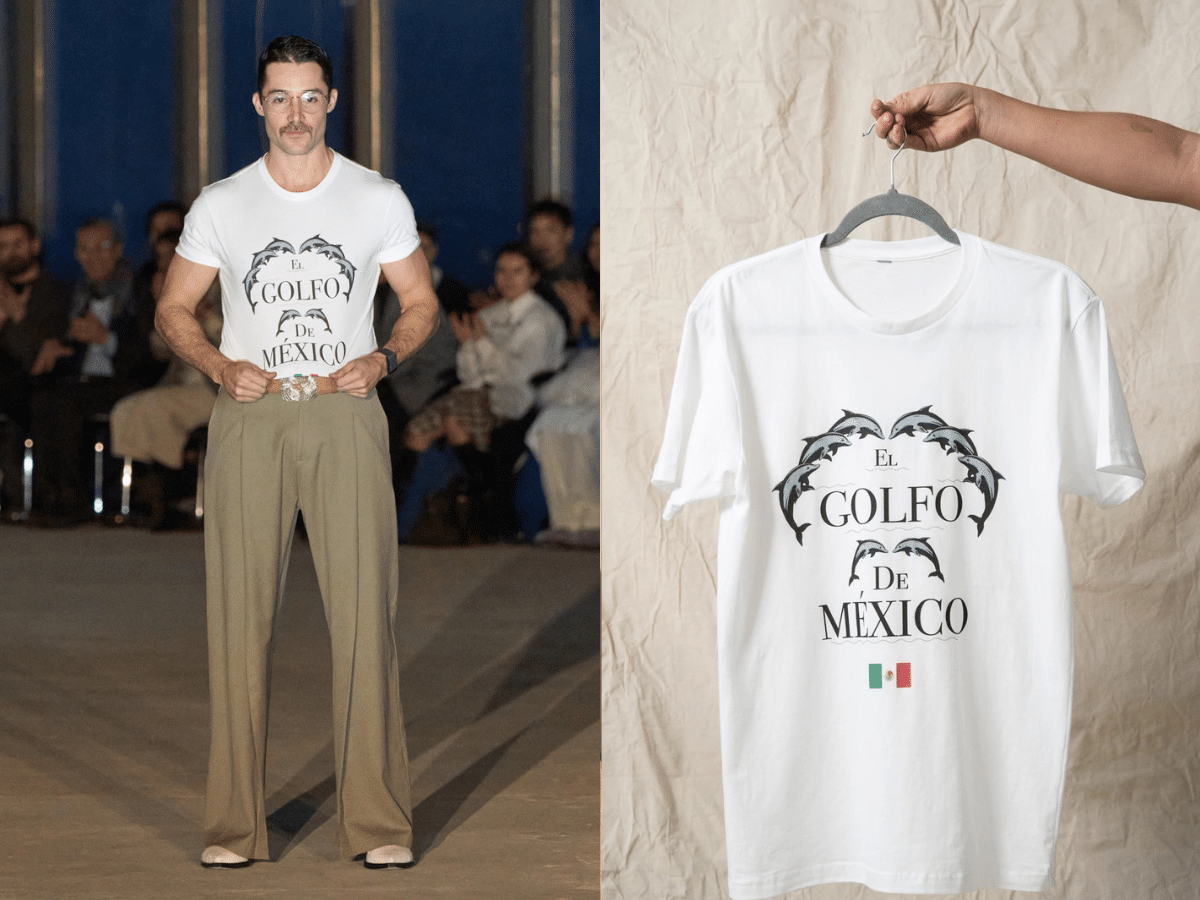
Rincón cites the "Protect the Dolls" t-shirt by Conner Ives as a prime example of meaningful design. The garment gained international visibility after being worn by actor Pedro Pascal. Beyond its aesthetic appeal, all proceeds from the shirt are donated to "Not A Phase," a UK-based charity supporting trans+ adults. Similarly, brands like Campillo use graphics to reclaim cultural identity, such as the "El Golfo de México" shirt, which focuses on Mexican pride and geography. This shift toward "purpose-driven" graphics allows men to wear prints that feel substantive rather than superficial.
Technical Specifications: Fabric, Fit, and Construction
To elevate a graphic t-shirt, one must look beyond the print and examine the garment’s technical construction. The difference between a cheap souvenir shirt and a luxury staple lies in the fabric weight and the collar’s integrity.
Grams per Square Meter (GSM)
In the world of textiles, GSM measures the density of the fabric. Most standard, budget t-shirts fall between 130 and 160 GSM, resulting in a flimsy drape that often clings to the body. For a more sophisticated silhouette, experts recommend a mid-to-heavyweight cotton, typically between 200 and 240 GSM. This weight ensures the shirt holds its shape, hides undergarments, and sits cleanly under structured jackets or blazers.
The Boxy vs. Slim Debate
The trend in menswear has moved away from the hyper-slim "muscle fits" of the early 2010s toward more relaxed, boxy proportions. However, Rincón warns against entering "oversized" territory, which can appear sloppy on older men.
"For the most part, it should be well-fitted, or alternatively a slight boxy fit," Rincón suggests. "I love a slight crop, hitting right at or below the belt line, because it makes the legs look longer. Once you enter oversized territory, it starts to look too youthful or thrifty."
Collar Construction
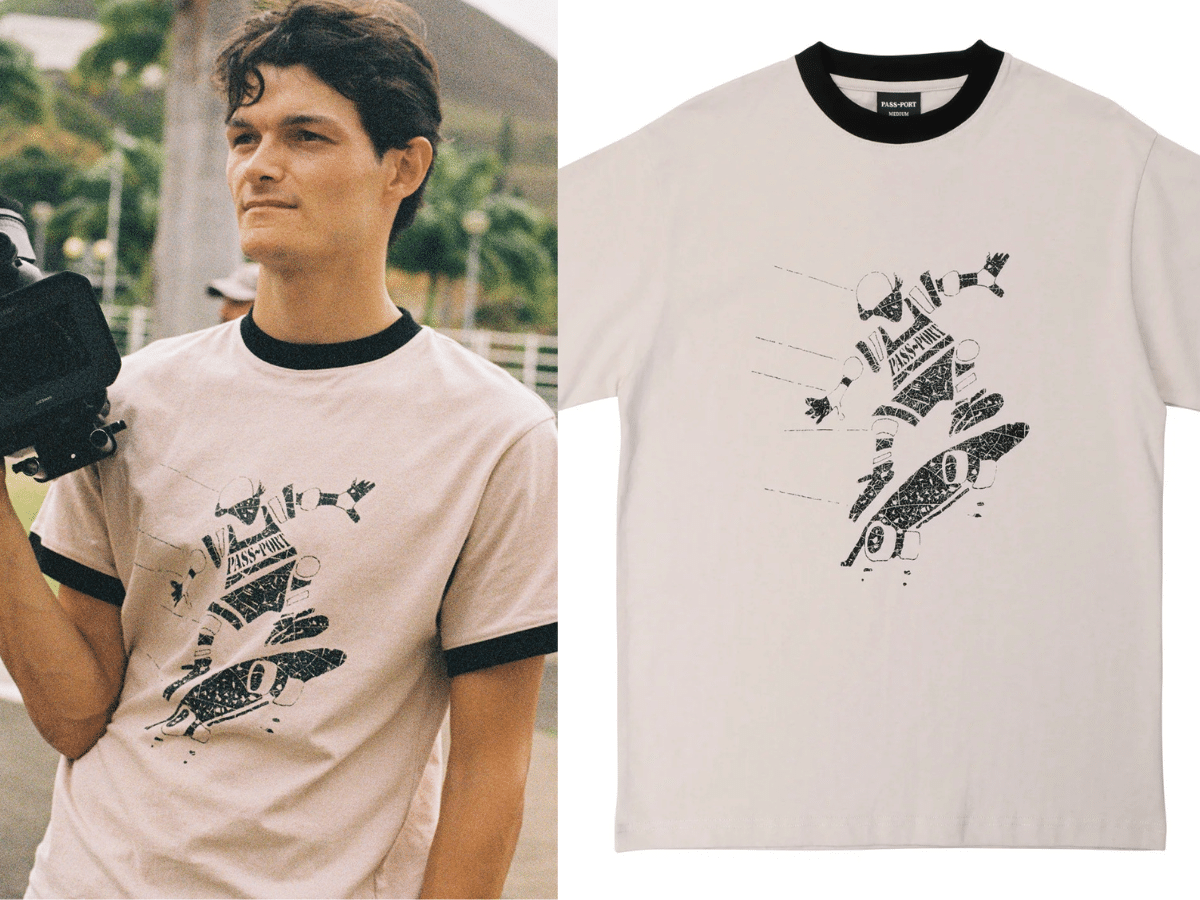
A dense, structured crew neck is essential. A "ringer" tee—featuring a contrasting ribbed band on the collar and sleeve hems—adds a vintage, athletic feel that remains polished. A flat-lying collar that doesn’t sag or "bacon" (ripple) after washing is a hallmark of a high-quality garment.
The High-Low Layering Formula
The most effective way to age-proof a graphic tee is through the "High-Low" styling method. This involves pairing a casual, printed item with structured, formal, or high-end pieces to create a balanced aesthetic.
The Structured Frame
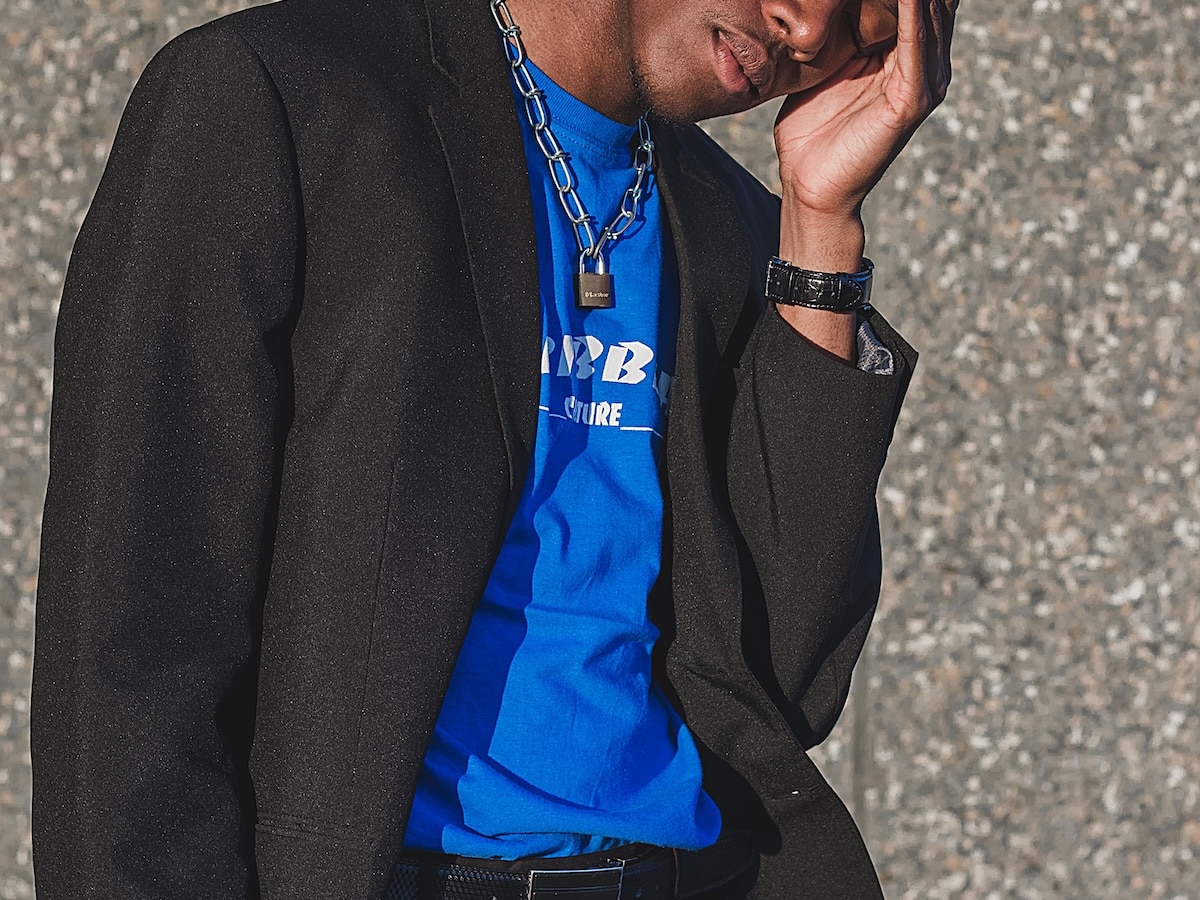
Layering a blazer, a high-quality leather jacket, or a structured denim trucker over a graphic tee "frames" the print. This reduces the visual real estate of the graphic, making it a subtle accent rather than the overwhelming focal point of the outfit. Neutral tones—such as charcoal, navy, olive, or washed black—are recommended for the outer layer to ground the colors of the print.
Tucking Strategies
The way a t-shirt is hemmed or tucked can drastically change its formality.
- The Full Tuck: Best for fitted tees paired with tailored trousers or high-quality denim. This creates a clean line and emphasizes the waist, suitable for smart-casual environments.
- The French Tuck: Tucking only the front portion of the shirt into the waistband. This adds structure and reveals the belt line while maintaining a relaxed vibe at the back.
- The Cropped Hang: If the shirt is naturally boxy and hits right at the belt line, it should be left untucked to maintain its intended architectural shape.
Professional Implications: The Graphic Tee in the Office
The integration of the graphic tee into professional environments is a byproduct of the "Post-Suit Era." As firms in the tech, creative, and even financial sectors move toward flexible dress codes, the "Smart-Casual Office" has become the new standard.
To wear a graphic tee to work, the surrounding elements must be unimpeachable. Pairing a vintage-inspired print with pleated wool trousers and leather loafers creates a look that is both approachable and authoritative. This "Power Tee" approach allows professionals to display personality without sacrificing the gravitas associated with traditional business attire.
Maintenance and Longevity: Preserving the Print
The longevity of a graphic t-shirt is dictated by its care cycle. High heat is the primary enemy of screen-printed graphics, as it causes the ink to become brittle and crack.
- Inversion: Always wash the garment inside out to protect the graphic from the abrasive action of the washing machine drum and other clothes.
- Temperature: Use cold water cycles. Heat can shrink the cotton fibers unevenly, causing the graphic to warp.
- Drying: Air-drying is the gold standard. If a dryer must be used, it should be on the "no heat" or "delicate" setting.
- Ironing: Never iron directly over a print. If the shirt is wrinkled, iron it inside out on a low setting or use a steamer.
Sourcing Quality: From Heritage Brands to Vintage Finds
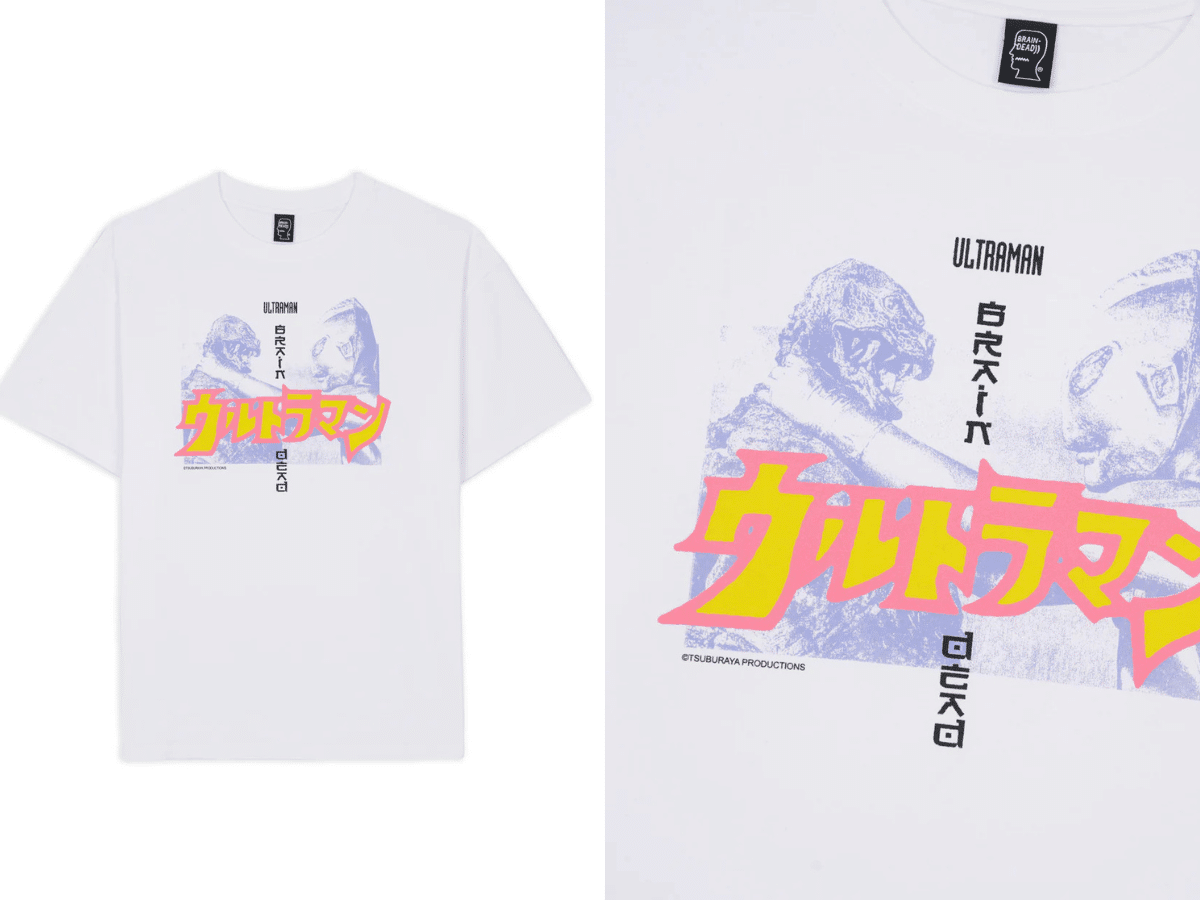
The market for graphic tees is bifurcated between new heritage-style brands and the booming vintage resale market. Brands like Brain Dead and Pass~Port have built cult followings by treating t-shirts as art pieces, often collaborating with artists and filmmakers.
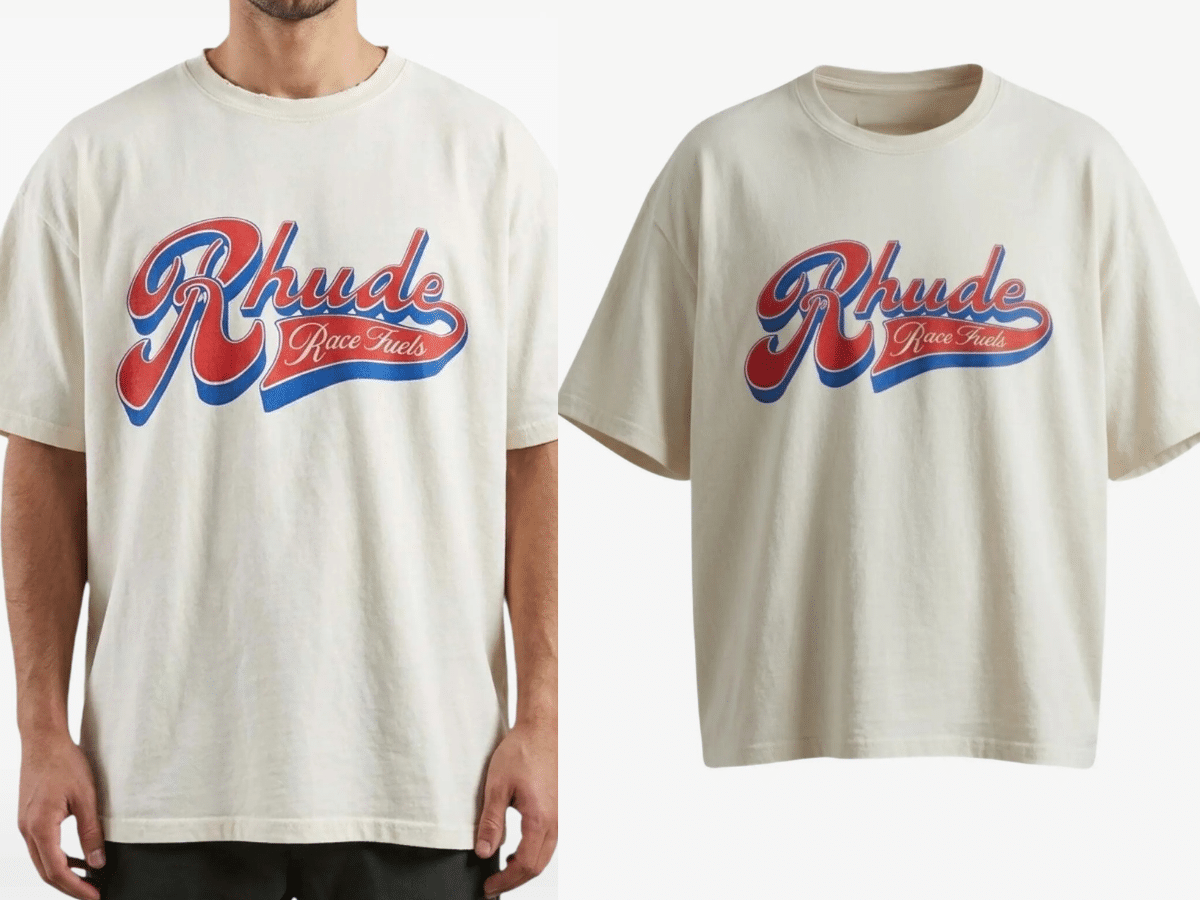
For those seeking authenticity, the vintage market—facilitated by platforms like eBay, Grailed, and local "op shops"—offers shirts with a natural patina that cannot be replicated by modern distressing techniques. A "washed black" or "vintage white" base provides a muted palette that is significantly easier to style than the bright, saturated neons often found in contemporary fast-fashion outlets.
Conclusion: The New Sartorial Standard
The graphic t-shirt is no longer a garment that men must "outgrow." Instead, it has become a versatile tool for navigating a fashion landscape that increasingly values individual expression over rigid uniformity. By prioritizing fabric weight, choosing meaningful subject matter, and utilizing sophisticated layering techniques, men of any age can integrate graphic prints into a wardrobe that feels mature, intentional, and contemporary. As the boundaries between formal and casual continue to blur, the well-styled graphic tee stands as a testament to the modern man’s ability to balance playfulness with professionalism.


 Yuyun Lusiyani
 Joko Widodo
 Eva Lovia
 Pevita Pearce
 admin
admin