
 Yuyun Lusiyani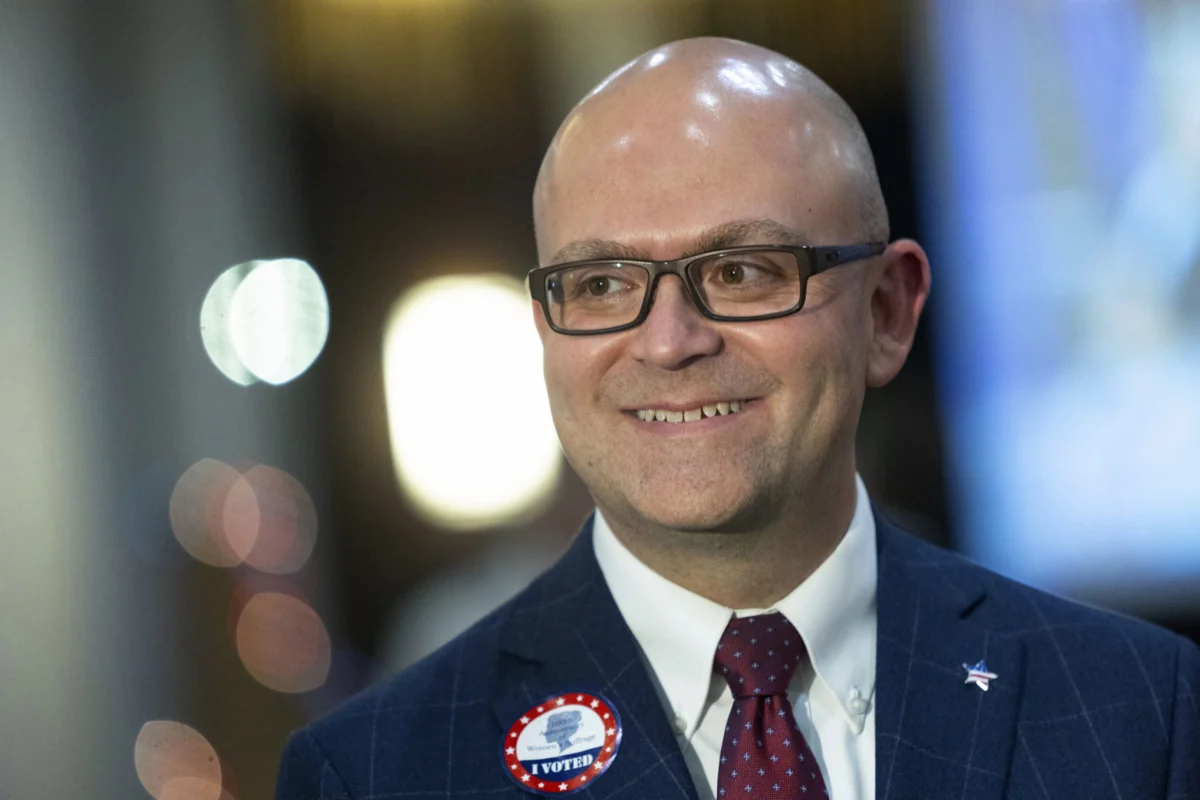
States across the U.S. have historically found themselves on notice from the U.S. Department of Justice, with implicit or explicit threats of federal intervention if they failed to align with national mandates. This dynamic, a recurring tension between state autonomy and federal authority, is once again playing out, but with a distinct twist. While the early 1990s saw President Bill Clinton’s administration pushing for expanded voter access through the "motor voter" law, the current confrontation involves the Trump Justice Department demanding sensitive voter data, ostensibly to combat voter fraud. At the heart of this contemporary struggle stands Idaho, a state renowned for its fiercely independent streak, whose decades-old strategy to preserve state control over elections is now its primary defense against federal intrusion.
The roots of Idaho’s current defiance trace back to the early 1990s, when the federal government enacted the National Voter Registration Act of 1993 (NVRA), commonly known as the "motor voter" law. This landmark legislation aimed to streamline voter registration by requiring states to offer registration opportunities when citizens applied for or renewed driver’s licenses, among other public services. The Clinton Justice Department was resolute in its enforcement, putting states on notice that non-compliance would lead to legal action. For many states, this represented a significant shift in election administration, traditionally a domain of state and local governance.
Idaho, characterized by a deep-seated ethos of self-reliance and skepticism toward federal mandates, viewed the NVRA as an overreach into its sovereign election procedures. Instead of capitulating, state legislators, guided by the recommendations of Idaho’s top election officials, sought a strategic workaround. The NVRA included an exemption clause for states that offered same-day voter registration. Seizing upon this provision, Idaho lawmakers swiftly passed a bill, with near-unanimous bipartisan support, to adopt same-day registration. This move was not driven by a sudden embrace of expanded voter access but rather by a calculated effort to insulate the state from federal coercion. Ben Ysursa, who served as Idaho’s chief deputy secretary of state at the time and later as Secretary of State, vividly characterized this legislative maneuver as an almost existential response to what he termed "an insidious federal intrusion into state election procedures." This strategic adoption of same-day registration effectively created a "shield against litigation," allowing Idaho to avoid the federal lawsuits that eventually targeted three other states for their non-compliance with the NVRA’s demands.
Fast forward three decades, and this historical precedent has become the cornerstone of Idaho’s resistance to a very different, yet equally insistent, demand from the federal government. The Trump Justice Department, citing concerns over election integrity and the prevalence of noncitizen voters, has embarked on an aggressive campaign to collect comprehensive voter data from states nationwide. Unlike the NVRA, which aimed to facilitate registration, the current federal initiative seeks to obtain sensitive personal information from state voter rolls. Idaho Secretary of State Phil McGrane, a Republican, has invoked the state’s NVRA exemption as a key reason for his steadfast refusal to hand over the full spectrum of voter data, including highly sensitive details such as partial Social Security numbers and driver’s license numbers, to the Trump administration.
Secretary McGrane is not alone in his defiance. He is one of approximately a dozen Republican election officials nationally who have resisted the Trump administration’s broad efforts to gather sensitive voter data in the lead-up to the 2026 midterm elections. This resistance comes despite implicit and explicit threats of litigation from the Justice Department. The situation in Idaho is particularly noteworthy given the state’s political leanings; Donald Trump won Idaho in the 2024 election by one of the largest margins in the country. This strong support for Trump highlights a fascinating tension: even in a committed Trump stronghold, there are discernible limits to what local officials and constituents will tolerate when it comes to federal power and the privacy of personal information.
The distinction between publicly accessible and sensitive voter information is central to the current dispute. While lists of voter addresses and party affiliations are often available to the public through open records requests—and McGrane has provided this version to the federal government—state election administrators also maintain more granular and protected data. This includes exact dates of birth and partial Social Security numbers, information that Idaho state law explicitly prohibits from being released. It is precisely this category of sensitive, legally protected information that the Trump administration continues to pursue. Among the other five states that hold an NVRA exemption, three have also refused to comply with the Justice Department’s demand for sensitive voter data and have subsequently faced federal lawsuits. Wyoming, another exempt state, opted to hand over its data without litigation. Additionally, several non-exempt states have also been sued for non-compliance.

Secretary McGrane, an attorney by profession, has articulated his legal position to the Justice Department through formal letters. He contends that there is no legal basis compelling him to honor the federal government’s request. Furthermore, McGrane has expressed significant concerns regarding the security of this sensitive data, citing recent admissions by the administration over its handling of similar information. He argues that his paramount duty under state law is to protect the privacy and security of Idahoan voters’ personal data. McGrane maintains that the trimmed-down version of voter information already provided to the Justice Department should be entirely sufficient for "any legitimate inquiry" into the effectiveness of Idaho’s voter list maintenance. Citing the possibility of impending litigation from the Justice Department, McGrane declined an interview request from ProPublica, a sentiment echoed by a spokesperson for the Justice Department, who also declined to comment on the ongoing matter.
The federal pressure has not been subtle. In December, a Justice Department attorney delivered a halting voicemail to McGrane’s office, threatening legal action. The recording, obtained by ProPublica and previously reported by the Idaho Capital Sun, conveyed a clear warning: "I need to get some clarification as to what you’re going to be doing. Or not doing. So, again, I need a response from you," the lawyer stated. "You may have seen in the news that we have sued six states earlier this week for refusing to provide their voter registration lists, and we’re preparing additional lawsuits." The attorney concluded with a thinly veiled warning, expressing a desire "to keep everyone out of that as possible — as much as possible, but I haven’t heard anything back from you."
Former Secretary of State Ben Ysursa, who navigated Idaho’s initial defiance against the Clinton administration, acknowledges the heightened political stakes for McGrane. "Going against Trump in Idaho on certain things, that’s a fine line," Ysursa observed, adding, "And I think he’s doing a good job. He’s doing the right thing." This sentiment reflects a broader current within Idaho. Public policy surveys conducted in the state since the 1990s consistently reveal a strong undercurrent of "distrust or wariness towards federal control or national control," according to Matthew May, survey research director at the Boise State University School of Public Service. Polling over time has underscored Idahoans’ profound belief in independence and state sovereignty.
This deep-seated sentiment is clearly mirrored in the public response to McGrane’s stance. In the months following his refusal to comply with the federal demand, McGrane’s office received over 130 communications—calls, emails, handwritten cards, and letters—from constituents. A striking majority of these messages expressed support and appreciation for his decision, with some even conveying panic over the prospect of their private information being released. Notably, only one individual expressed a desire for McGrane to provide the data to the Trump administration. While the demographic of senders leaned slightly more Democratic than Idaho’s overall electorate, a review of voter registration data for those who provided their names revealed that just over half of the messages originated from registered Republicans and unaffiliated voters.
One registered Republican constituent articulated the prevailing sentiment: "Mr McGrane has done a masterful job of dancing around the US Justice Dept request for the full voter records of Idaho voters. When the dancing no longer works, I expect Mr McGrane to give them a big fat NO! Voting is our one sacred right in this country. DOJ has no legitimate business receiving our PRIVATE voter information. They may threaten to sue, but so will the voters of Idaho if you grant their request. Do not give them our personal voter information. Thank you." This impassioned plea underscores the profound concern for privacy and the perceived sanctity of the voting process among Idahoans. Ben Ysursa has personally urged McGrane to "hold the line," even in the face of potential repercussions. Ysursa himself is among nine former secretaries of state who have filed an amicus brief in federal court, collectively arguing against the administration’s demands for full voter information, emphasizing that the Trump administration’s perceived "creep toward nationalizing elections runs counter to the ethos of ‘keep your federal hands off Idaho.’"
Phil McGrane’s background further illuminates his resolve. A self-described "election nerd," he rose through the ranks of elections offices, building a reputation for meticulous administration and an almost "Super Bowl level of enthusiasm" for voting day logistics. Crucially, he is also known for his ability to resist prevailing political currents. In 2022, McGrane was featured on the cover of Time magazine as one of "the defenders" of America’s elections. That same year, he distinguished himself as the only Idaho Republican candidate for secretary of state who refused to endorse the false claims of widespread fraud in the 2020 election that supposedly cost Trump the presidency. Perhaps the most compelling indicator that McGrane’s pushback on the administration’s demand for voter rolls has not inflamed Trump’s base in Idaho is the fact that he faced no challenger in the Idaho Republican primary for his position by the recent filing deadline. This absence of opposition, despite extensive local media coverage of the issue, suggests that his stance resonates broadly with Idahoan voters, transcending partisan lines on the issue of privacy and state sovereignty.
While the U.S. Constitution grants states the primary authority to administer elections, the National Voter Registration Act of 1993 bestows upon the federal government an oversight role, particularly in ensuring that voter lists are properly maintained. Historically, this federal oversight has typically manifested in lawsuits alleging that states are failing to make a "reasonable effort" to remove ineligible voters from their rolls. However, under the Trump administration, the Justice Department has adopted a significantly more expansive interpretation of its powers. The department claims an inherent right to unilaterally seize states’ unredacted voter rolls without first demonstrating its case in court. In its lawsuits, the Justice Department cites not only the NVRA but also the Help America Vote Act (HAVA) and the Civil Rights Act as the legal foundations for its sweeping demands.

Emails obtained by ProPublica through public records requests have provided additional insight into the Justice Department’s intentions. In Montana, a federal lawyer explicitly informed the secretary of state’s legal counsel that the department was requesting voter rolls to "facilitate a review for noncitizens and dead voters," further adding that federal officials intended to assess for duplicate registrations. These demands are deeply intertwined with the Trump administration’s long-standing preoccupation with identifying and removing noncitizens from voter rolls, a narrative often propelled by unsubstantiated claims of widespread noncitizen voting influencing election outcomes.
However, the federal judiciary has largely pushed back against the Justice Department’s aggressive legal posture. So far, three federal judges who have fully considered the government’s lawsuits have dismissed them, concluding that the federal laws cited by the Trump administration do not grant the department the authority to demand unredacted voter rolls, especially when it concerns voters’ private information. In Oregon, U.S. District Judge Mustafa Kasubhai characterized the Justice Department’s claims as "troubling," representing a clear instance of federal overreach. Similarly, in California, U.S. District Judge David Carter warned that the centralization of such sensitive information could have a "chilling effect on voter registration," potentially leading to decreased voter turnout as citizens become apprehensive that their data might be used for "an inappropriate or unlawful purpose." Carter underscored the gravity of this risk, stating that it "threatens the right to vote which is the cornerstone of American democracy." In Michigan, U.S. District Judge Hala Y. Jarbou echoed these interpretations, writing that "the risk of having one’s personal information misused will deter people from registering to vote." The Justice Department has appealed all of these adverse court decisions, indicating a continued commitment to its legal strategy.
Amidst this broader legal battle, leaders in Republican-led states that have withheld their voter rolls, including Idaho, have taken pains to demonstrate their own robust efforts to prevent noncitizens from voting. Idaho, for instance, initiated a comprehensive search for such issues well in advance of the Trump administration’s demands. Secretary McGrane informed the Justice Department that his office collaborated with federal agencies to verify the citizenship status of all registered Idaho voters leading up to the 2024 general election. He asserted that given Idaho’s proactive measures and existing processes, the federal government has "no legal or practical rationale for duplicative review." The tools employed by Idaho included the Department of Homeland Security’s Systematic Alien Verification for Entitlements (SAVE) program, a federal database designed to verify the immigration status of applicants for government benefits.
Idaho’s extensive search using the SAVE program yielded a total of 11 cases of noncitizens registered to vote. Crucially, none of these individuals actually cast votes in the 2024 election. Following this discovery, state police referred these 11 cases to the Justice Department’s chief prosecutor in Idaho for further review. However, McGrane noted in his communications with the Justice Department that his office had not received any updates or information regarding the status of these referred cases, further questioning the urgency and necessity of the federal government’s broader data demands.
The ongoing standoff between Idaho and the Trump Justice Department is more than a legal dispute; it is a profound illustration of the enduring tension between state sovereignty and federal authority, privacy rights versus election integrity claims, and the historical legacy of state independence. As the legal battles continue to unfold, the outcome in Idaho and other states will undoubtedly set significant precedents for the balance of power in election administration and the protection of voter data in an increasingly scrutinized electoral landscape.


 Joko Widodo
 Eva Lovia
 Pevita Pearce
 admin
admin
 Lina Irawan