
 Amara Maple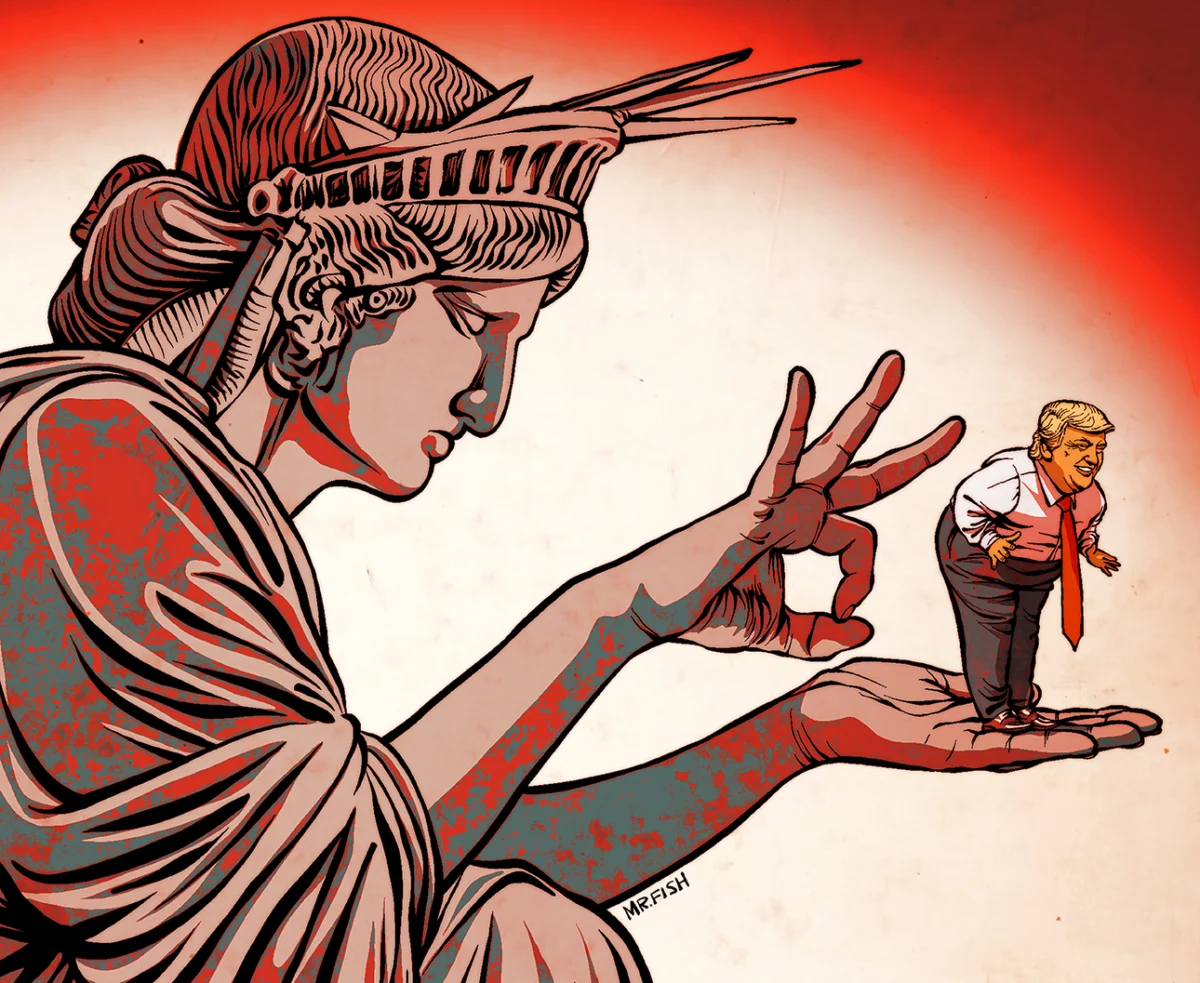
In a significant move reflecting persistent and deepening concerns over presidential conduct, consumer advocate Ralph Nader and acclaimed constitutional lawyer and scholar Bruce Fein are set to convene the second in a series of crucial symposia focused on the imperative of impeaching and removing President Donald Trump. This upcoming event, scheduled for July 22, 2026, at the Senate Visitors Center, Room 201-00 in Washington, D.C., underscores a sustained effort by prominent legal minds and public figures to address what they characterize as severe constitutional breaches and abuses of executive power. The symposium aims to dissect a wide array of alleged presidential transgressions, from issues of international law to domestic governance, and to explore viable strategies for accountability within the U.S. constitutional framework.
The gathering builds upon previous discussions, signaling a continued alarm among a segment of the legal and advocacy community regarding the long-term implications of the President’s actions on American democracy and its institutions. Ralph Nader, a venerable figure in American public advocacy with a career spanning over six decades dedicated to consumer protection, corporate accountability, and governmental transparency, brings his formidable reputation for challenging established power structures to this initiative. His involvement lends significant weight to the symposium, emphasizing a commitment to safeguarding democratic norms and the rule of law. Bruce Fein, a former Associate Deputy Attorney General under President Reagan and a renowned constitutional scholar, provides the critical legal and academic backbone for these discussions. Fein is widely respected for his deep understanding of constitutional law, particularly regarding the separation of powers and the impeachment process, and has consistently voiced concerns about executive overreach across various administrations. Their joint leadership highlights a bipartisan, albeit ideologically diverse, commitment to constitutional fidelity.
A Broad Spectrum of Allegations to Be Examined
The symposium’s agenda is notably comprehensive, targeting a multifaceted critique of presidential conduct. Organizers have outlined a wide range of topics for discussion, reflecting the breadth of their concerns. These include allegations of:
- Criminal Wars of Aggression: This point delves into the constitutional prerogative of Congress to declare war versus the executive’s role as commander-in-chief, examining instances where presidential actions might be seen as initiating military conflicts without proper congressional authorization, potentially violating both domestic law and international statutes. Such discussions often reference historical debates over presidential war powers and the War Powers Resolution.
- Murder, Piracy, and Kidnapping: These are grave accusations that, if substantiated, would represent severe breaches of both domestic and international law. The symposium would likely explore specific executive actions, intelligence operations, or directives that could be interpreted under these legal frameworks, drawing on precedents in international criminal law and human rights.
- Bribery and Extortion: These allegations typically involve the use of presidential office for personal or political gain. Discussions would likely focus on potential quid pro quo arrangements, leveraging governmental power or resources for financial benefit, or pressuring individuals or foreign entities for political advantage, drawing parallels to historical impeachment inquiries.
- Auctioning Off Pardons: The presidential pardon power is a broad constitutional authority, but its misuse, particularly for financial remuneration or political favors, can constitute an abuse of power and potentially bribery. The symposium would likely explore the ethical and legal boundaries of this power, examining instances where pardons might have been granted under suspicious circumstances.
- Refusing to Faithfully Execute the Laws: The "Take Care" Clause of Article II, Section 3 of the Constitution mandates that the President "shall take Care that the Laws be faithfully executed." This allegation would involve examining instances where the executive branch is perceived to have deliberately ignored, undermined, or selectively enforced laws, thereby infringing upon the legislative authority of Congress.
- Abusing Prosecutorial Discretion: Concerns here relate to the alleged weaponization of the Department of Justice and other law enforcement agencies to reward political allies or donors and to harass or silence political opponents. This often involves discussions about the independence of the justice system and the ethical obligations of government officials.
- Employing Government Power to Punish or Silence Critics: This speaks to the broader issue of using the machinery of the state—including regulatory agencies, tax authorities, or intelligence apparatus—to target individuals or organizations critical of the administration. Such actions raise serious First Amendment concerns regarding freedom of speech and the press.
- Ruling by Decree Through Bogus Declarations of National Emergencies: The National Emergencies Act grants presidents significant powers during declared emergencies. The symposium would likely scrutinize instances where national emergency declarations are perceived as lacking genuine justification, serving instead as a means to bypass congressional authority and implement policies that would otherwise face legislative opposition.
- Racist and Xenophobic Attacks on Immigrants: These concerns relate to rhetoric and policies that are seen as discriminatory or dehumanizing towards immigrant communities, potentially violating civil rights laws, international human rights norms, or basic principles of equality and due process.
- Decapitating Consumer Welfare, Health, Safety, and Environmental Agencies: This refers to policies or actions that systematically weaken or dismantle federal agencies responsible for public protection in areas such as consumer rights, public health, worker safety, and environmental protection. Such actions are often framed as undermining the regulatory state and leaving citizens vulnerable to corporate abuses or environmental harm.
Strategies for Accountability and the Role of House Resolution 1155
Beyond merely cataloging alleged abuses, a primary focus of the symposium will be to explore concrete strategies for "defeating President Trump’s dictatorial ambitions." This includes examining the potential roles of state authorities in challenging federal executive overreach, perhaps through litigation or the assertion of state sovereignty in specific policy areas. The involvement of law professors underscores the importance of academic rigor and constitutional scholarship in developing these strategies, providing theoretical frameworks and historical precedents for action.
A specific point of discussion will be "support for House Resolution 1155." While the precise details of this resolution for the year 2026 are not provided, in the context of an impeachment symposium, it can be logically inferred to be a legislative measure designed to initiate an impeachment inquiry, establish grounds for impeachment, or otherwise facilitate congressional oversight and accountability regarding the presidency. Such a resolution would represent a significant step in formalizing congressional intent to investigate and potentially remove the President, serving as a critical political and legal tool in the strategies being discussed.
Distinguished Panel of Speakers
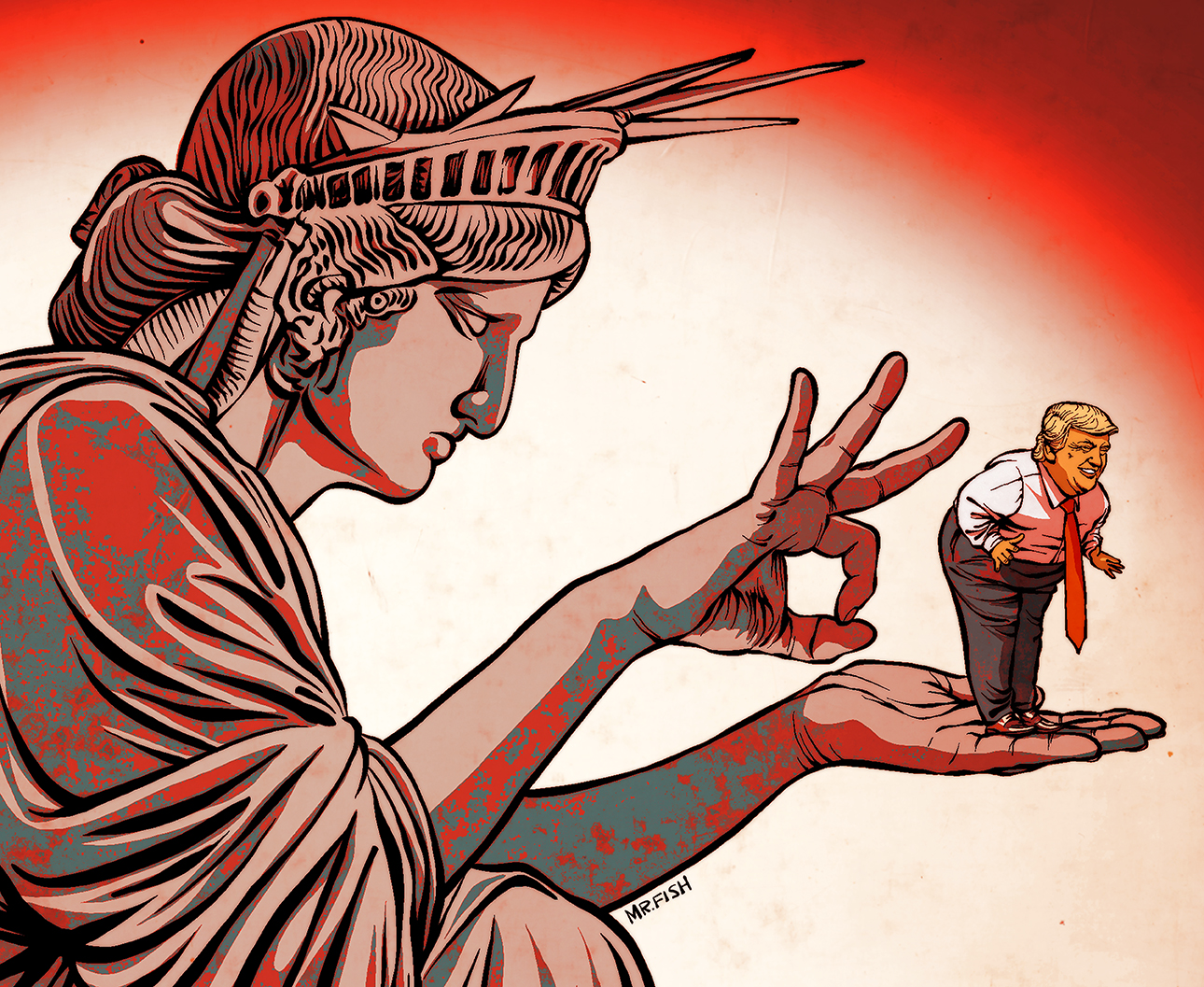
The symposium boasts an impressive lineup of speakers, bringing together diverse expertise from congressional, legal, academic, and advocacy sectors. The opening remarks will be delivered by Ralph Nader, setting the tone for the day’s discussions.
The confirmed speakers include:
- Congressman Steve Cohen (D-Tennessee): A veteran member of the House Judiciary Committee, Congressman Cohen has been a vocal proponent of congressional oversight and has actively participated in past impeachment proceedings. His insights will be crucial in discussing legislative strategies and the political realities of impeachment.
- Richard Painter: As the former Chief White House ethics lawyer under President George W. Bush, Painter offers a unique perspective on executive branch ethics from within a Republican administration. His non-partisan stance on ethical conduct and his willingness to critique abuses of power across party lines lend significant credibility to the symposium’s aims.
- Erwin Chemerinsky: The distinguished Dean of UC Berkeley Law School, Chemerinsky is one of the nation’s foremost constitutional scholars. His expertise will be invaluable in providing deep legal analysis on the constitutional grounds for impeachment and the legal implications of the alleged presidential actions.
- Celinda Lake: As President of Lake Research Partners, Celinda Lake is a highly respected pollster and political strategist. Her participation suggests an interest in understanding public opinion dynamics around impeachment and developing effective communication strategies to build public support for accountability measures.
- Michael J. Gerhardt: Recognized as a pre-eminent scholar on impeachment and the Constitution, Professor Gerhardt’s work provides a comprehensive understanding of the historical and legal precedents of presidential impeachment in the United States. His contributions will ground the discussions in established constitutional theory and practice.
- Suparna Reddy (Senior Counsel, Free Speech For People): Free Speech For People is an organization dedicated to strengthening American democracy and defending constitutional rights. Reddy’s involvement highlights the symposium’s connection to broader efforts to protect democratic institutions, electoral integrity, and free speech from executive encroachment.
- William D. Hartung (Senior Research Fellow, Quincy Institute for Responsible Statecraft): The Quincy Institute advocates for a foreign policy of military restraint and diplomacy. Hartung’s presence suggests a particular focus on the "criminal wars of aggression" allegation, bringing expertise on international relations and the ethical dimensions of U.S. foreign policy.
- Mark Green (former New York City Public Advocate): A long-time figure in public advocacy and progressive politics, Green’s experience in local government and consumer protection will offer a perspective on how executive actions at the federal level impact citizens and local communities.
- Congressman Al Green (D-Texas): Congressman Green has also tentatively confirmed his participation. He has been a consistent and outspoken advocate for accountability and has previously initiated impeachment resolutions, indicating strong congressional interest in the symposium’s themes.
Event Logistics and Public Engagement
The symposium is scheduled to run from 11:00 a.m. to 3:00 p.m. at Room 201-00 of the Senate Visitors Center. Coffee will be available for attendees starting at 11:00 a.m., with lunch served at 12:15 p.m., facilitating a conducive environment for in-depth discussion and networking. While the event is open to the public, organizers have stressed the importance of timely registration. Attendees must respond by Monday, July 20, at 10:00 a.m. (https://docs.google.com/forms/d/e/1FAIpQLSeU4rAImLtVDme6GgD6_hZS5ex-kpZ-lV_FmBa_LW1n7rmefQ/viewform). This requirement ensures proper logistical planning and security arrangements for an event of this nature, given its high-profile subject matter and location within a federal building.
Broader Implications and Context
The convening of a second symposium by such distinguished figures is not merely an academic exercise; it represents a continuing, organized effort to scrutinize presidential power and uphold constitutional checks and balances. In the dynamic political landscape of 2026, such an event can serve several critical functions. It provides a platform for legal scholars and practitioners to articulate the constitutional case for impeachment, drawing on historical precedents and contemporary legal analysis. It can also galvanize public opinion, informing citizens about the alleged scope of presidential misconduct and the available mechanisms for recourse within a democratic system.
Historically, impeachment discussions have often been highly partisan. However, the involvement of figures like Richard Painter, who served a Republican president, suggests an attempt to frame these concerns within a broader constitutional framework that transcends party lines, focusing on the preservation of democratic institutions themselves. The symposium’s focus on a wide array of alleged abuses underscores a belief among organizers that the issues at stake go beyond individual policy disagreements and touch upon fundamental principles of governance, the rule of law, and the integrity of the presidency.
The event’s location in the Senate Visitors Center, a stone’s throw from the U.S. Capitol, is symbolic, placing the discussions directly within the institutional heart of American democracy where impeachment proceedings would ultimately unfold. By bringing together congressional representatives, legal scholars, and public advocates, the symposium aims to foster a robust dialogue that could potentially influence legislative action, shape public discourse, and reinforce the foundational principles upon which the U.S. government was established. As the nation navigates complex political challenges, such gatherings serve as crucial forums for intellectual inquiry and civic engagement, underscoring the enduring importance of constitutional fidelity and accountability in a democratic republic. The outcomes and discussions from this symposium will undoubtedly be closely watched by those concerned with the future trajectory of executive power and the resilience of American constitutionalism.



 Yuyun Lusiyani
 Joko Widodo
 Eva Lovia
 Pevita Pearce
 admin
admin
 Lina Irawan