
 Amara Maple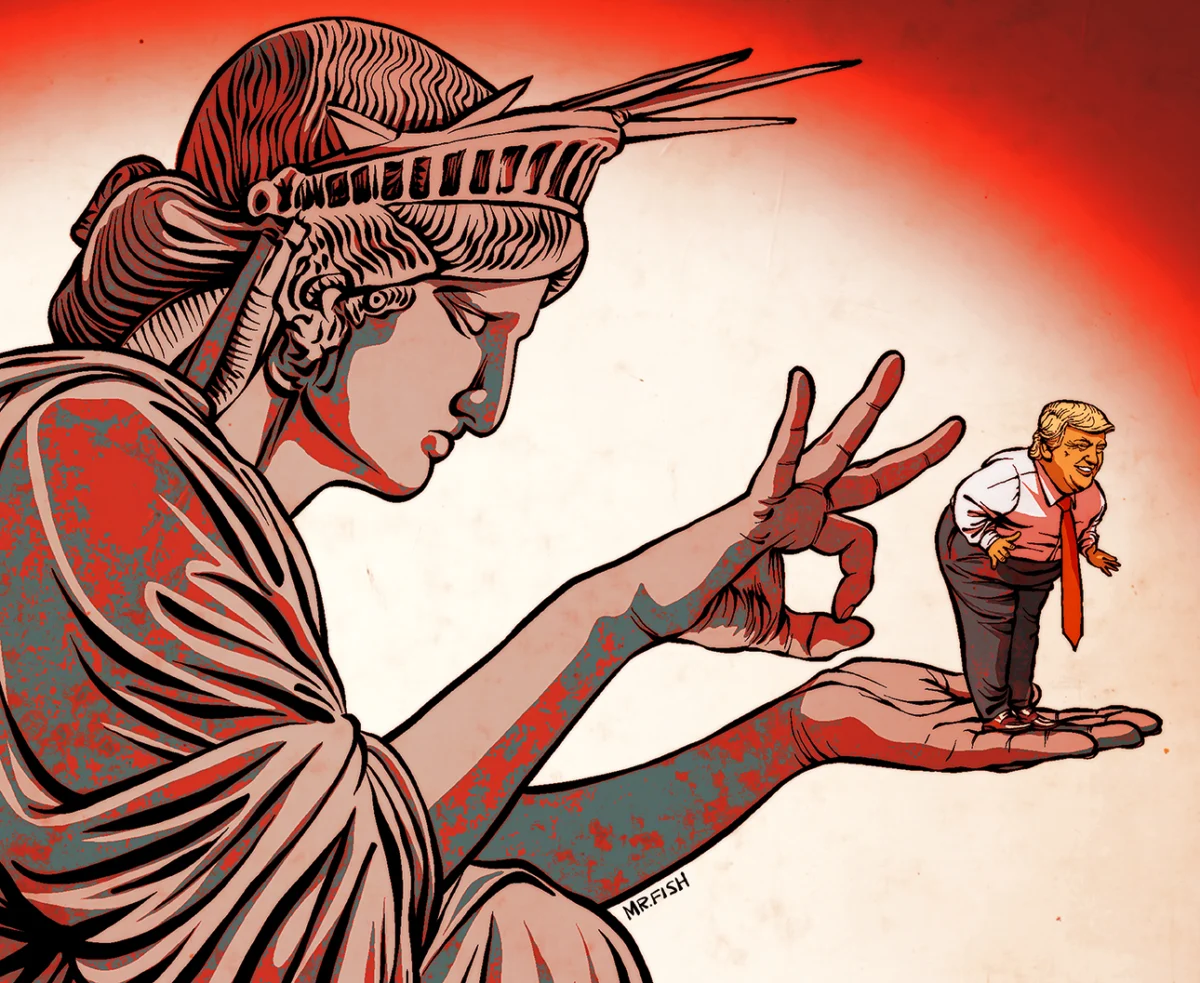
Washington, D.C. – In a move signaling escalating concerns over executive power and constitutional integrity, renowned consumer advocate Ralph Nader and distinguished constitutional lawyer and scholar Bruce Fein are set to convene the second in a series of critical symposia focused on the urgent necessity of impeaching and removing President Donald Trump. Scheduled for July 22, 2026, at the Senate Visitors Center, Room 201-00, this public forum aims to meticulously dissect alleged abuses of presidential authority and explore pathways for accountability.
The symposium, open to the public with an RSVP deadline of Monday, July 20, 2026, at 10 a.m., underscores a sustained effort by a coalition of legal experts, former government officials, and public advocates to address what they characterize as a profound crisis in American governance. Attendees interested in participating in this pivotal discussion can register through the provided online portal.
A Deep Dive into Allegations of Executive Misconduct
The organizers have outlined a comprehensive agenda, detailing a wide array of alleged presidential transgressions that will form the core of the day’s discussions. These include, but are not limited to, accusations of engaging in criminal wars of aggression, murder, piracy, and kidnapping—charges typically associated with severe violations of international law and abuse of military or intelligence powers. Domestically, the symposium will scrutinize alleged acts of bribery, extortion, and the purported auctioning off of presidential pardons, practices that, if proven, would represent a direct assault on the rule of law and the principle of equal justice.
Further points of contention include the refusal to faithfully execute the laws of the United States, a foundational duty enshrined in Article II of the Constitution, alongside allegations of abusing prosecutorial discretion to shield political allies and donors while simultaneously harassing political opponents. The use of government power to punish or silence critics, ruling by decree through what are described as "bogus declarations of national emergencies," and the alleged perpetration of racist and xenophobic attacks on immigrants are also central to the discourse. The dismantling of consumer welfare, health, safety, and environmental agencies is another significant concern, posited as a systemic undermining of public protections. Each of these accusations points to a pattern of conduct that, according to the conveners, deviates fundamentally from constitutional norms and threatens the democratic framework.
Strategies for Upholding Constitutional Principles
Beyond enumerating alleged offenses, the symposium is designed to be a forward-looking forum, exploring concrete strategies to counter what organizers term President Trump’s "dictatorial ambitions." Discussions will encompass potential actions by state authorities, the insights and guidance from leading law professors, and garnering support for specific legislative initiatives, including House Resolution 1155. While the specific details of HR 1155 remain to be fully elaborated, its inclusion suggests a focus on legislative mechanisms for accountability, potentially relating to impeachment proceedings or other forms of congressional oversight. The involvement of state authorities implies a multi-pronged approach, acknowledging that constitutional challenges can originate and be addressed at various levels of government.
Distinguished Panel of Speakers and Their Expertise
The event boasts an impressive lineup of speakers, each bringing a unique perspective and depth of expertise to the complex issue of presidential accountability. Opening remarks will be delivered by Ralph Nader, whose career as a consumer advocate and political activist has consistently championed public interest and governmental transparency.
The roster of confirmed speakers includes:
- Congressman Steve Cohen (D-Tennessee): A prominent voice in the House of Representatives, known for his engagement in constitutional matters and legislative oversight. His insights will likely focus on the role of Congress in impeachment proceedings and upholding the separation of powers.
- Richard Painter: Former Chief White House ethics lawyer under President George W. Bush, Painter is a vocal critic of perceived ethical lapses in government. He is expected to provide expert analysis on issues of bribery, extortion, and the ethical dimensions of presidential conduct.
- Erwin Chemerinsky: Dean of UC Berkeley Law School and a pre-eminent constitutional scholar, Chemerinsky will offer deep legal and constitutional analysis of the alleged abuses of power, providing context on precedent and constitutional interpretation.
- Celinda Lake: President of Lake Research Partners, a leading political strategist and pollster, Lake may offer insights into public opinion dynamics surrounding impeachment and the political feasibility of various accountability strategies.
- Michael J. Gerhardt: A renowned scholar on impeachment and the Constitution, Gerhardt’s expertise will be crucial in contextualizing the current debate within the broader history of presidential impeachments in the United States.
- Suparna Reddy: Senior Counsel for Free Speech For People, Reddy will likely address the implications of alleged government actions on democratic processes, free speech rights, and election integrity.
- William D. Hartung: Senior Research Fellow at the Quincy Institute for Responsible Statecraft, Hartung’s contributions are expected to focus on issues of foreign policy, particularly addressing the accusations of "criminal wars of aggression" and their implications for international law and U.S. global standing.
- Mark Green: Former New York City Public Advocate, Green brings a background in public interest law and advocacy, likely to speak on the impact of executive actions on civil society and local governance.
- Congressman Al Green (D-Texas): Tentatively confirmed, Congressman Green, like his colleague Steve Cohen, is expected to contribute to discussions on legislative oversight and the constitutional duties of the House in holding the executive branch accountable.
The symposium is scheduled to run from 11:00 a.m. to 3:00 p.m., with coffee available from 11:00 a.m. and lunch served at 12:15 p.m., facilitating a full day of intensive discussion and strategizing.
Background and Historical Context of Impeachment Efforts
The convening of this second symposium by Nader and Fein is not an isolated event but rather emerges from a long history of concerns regarding presidential accountability and the limits of executive power. Ralph Nader, a towering figure in American public advocacy for over six decades, has consistently challenged corporate and governmental overreach, advocating for consumer rights, environmental protection, and democratic reforms. His involvement underscores a deep-seated belief in the necessity of holding powerful institutions and individuals accountable to the public interest and the rule of law.
Bruce Fein, a distinguished constitutional scholar and former Associate Deputy Attorney General under President Reagan, has a well-documented history of advocating for strict adherence to constitutional principles, particularly regarding the separation of powers and checks and balances. His past work includes advocating for the impeachment of various public officials, reflecting a consistent commitment to constitutional enforcement regardless of political affiliation. The collaboration of these two figures, from distinct but often converging spheres of public and legal advocacy, lends significant weight to the symposium’s objectives.
The historical backdrop to this symposium includes President Trump’s two previous impeachments by the House of Representatives during his first term (2017-2021). The first impeachment in late 2019 centered on charges of abuse of power and obstruction of Congress, stemming from his dealings with Ukraine. The second, in early 2021, focused on incitement of insurrection following the events of January 6th. While neither resulted in a conviction by the Senate, these proceedings established a precedent for congressional action against a president accused of high crimes and misdemeanors, highlighting the constitutional mechanism as a tool for accountability, even if politically challenging. The current symposium suggests a renewed or continued belief among its organizers and participants that the existing constitutional framework for accountability, specifically impeachment, remains vital.
The Constitutional Framework and Precedent
The U.S. Constitution provides for impeachment as a mechanism to remove federal officials, including the President, for "Treason, Bribery, or other high Crimes and Misdemeanors." This phrase, rooted in English parliamentary history, refers not only to criminal acts but also to serious abuses of power or breaches of public trust. The House of Representatives holds the sole power of impeachment, acting as a grand jury to bring charges, while the Senate conducts the trial.
Throughout U.S. history, presidential impeachment has been a rare and solemn affair. Andrew Johnson was impeached in 1868, primarily for violating the Tenure of Office Act. Richard Nixon faced impeachment proceedings in 1974 for obstruction of justice, abuse of power, and contempt of Congress, ultimately resigning before a full House vote. Bill Clinton was impeached in 1998 for perjury and obstruction of justice. Each instance, including Trump’s two impeachments, has deeply tested the nation’s political and constitutional structures, underscoring the gravity and divisiveness inherent in such proceedings. The current symposium’s focus on a wide array of alleged offenses signals a comprehensive legal and ethical argument for impeachment, potentially drawing on cumulative actions rather than a single event.
Broader Implications and Potential Ramifications
The convening of such a high-profile symposium, particularly in the immediate aftermath of a presidential election or during a subsequent term, carries significant political and legal implications. It not only serves as a platform for constitutional debate but also aims to galvanize public opinion and pressure legislative bodies into action. The organizers’ explicit focus on "defeating President Trump’s dictatorial ambitions" suggests a concern that goes beyond individual policies to the very nature of democratic governance and the preservation of checks and balances.
If the symposium succeeds in generating substantial public and political momentum, it could reignite intense debates within Congress and across the nation regarding the appropriate scope of presidential power and the effectiveness of constitutional safeguards. The mention of "state authorities" as a strategic avenue indicates a potential for decentralized resistance or legal challenges, recognizing that not all accountability pathways must originate in Washington. State attorneys general, for example, could pursue legal actions related to environmental regulations, consumer protections, or even issues of electoral integrity, complementing federal efforts.
Furthermore, the participation of figures like Celinda Lake, a political strategist, suggests an understanding of the political landscape necessary for any impeachment effort to succeed. Public support and bipartisan consensus, while challenging to achieve, are often crucial for moving such initiatives forward. The analysis of implications would therefore extend to how such a symposium could influence public discourse, media narratives, and ultimately, the political will required for legislative action.
While the White House and its allies would likely dismiss such an event as politically motivated or without legal merit, the detailed nature of the allegations and the caliber of the participating scholars and advocates demand attention. The symposium functions not merely as a protest but as an intellectual and strategic exercise designed to articulate a coherent legal and constitutional case for presidential accountability. The goal is to provide a robust framework for understanding the alleged transgressions and to propose actionable steps for their redress, thereby reinforcing the foundational principles of American democracy and the rule of law against perceived executive overreach. The ongoing public discourse around presidential conduct, constitutional limits, and the mechanisms of accountability will undoubtedly be shaped by the arguments and strategies presented at this pivotal gathering in July 2026.



 Yuyun Lusiyani
 Joko Widodo
 Eva Lovia
 Pevita Pearce
 admin
admin
 Lina Irawan