Pevita Pearce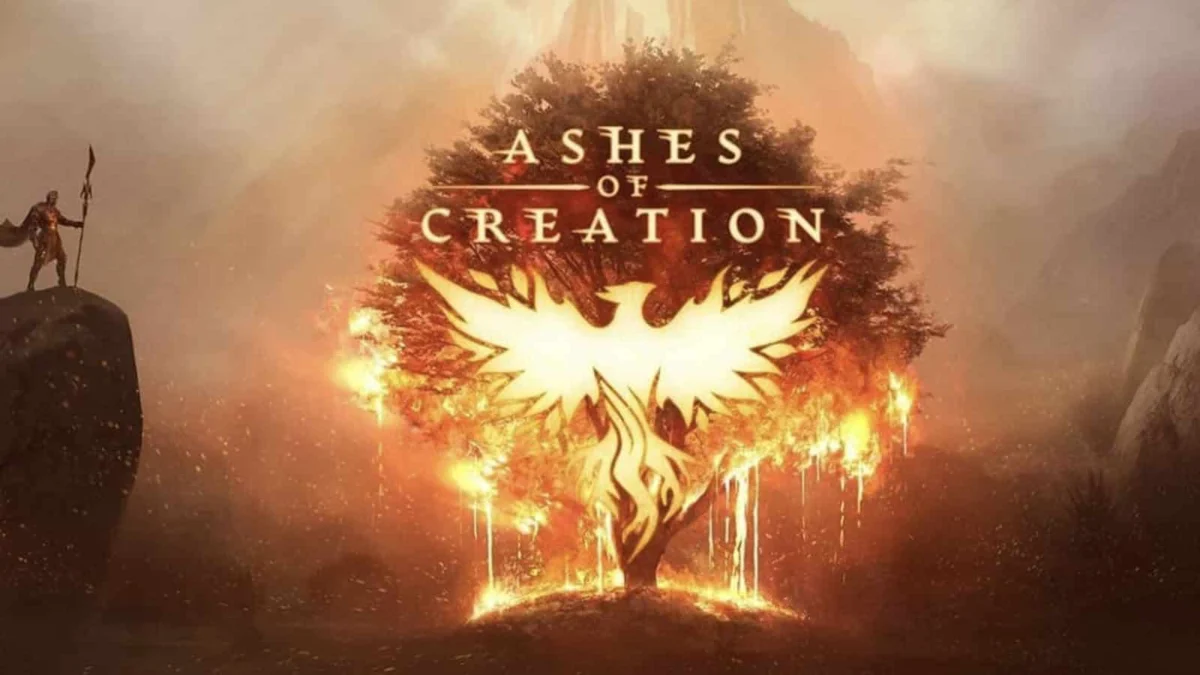
The sudden and controversial dissolution of Intrepid Studios, the developer behind the highly anticipated but short-lived massively multiplayer online (MMO) title Ashes of Creation, has entered a new phase of public scrutiny following allegations of widespread financial misconduct. Recent disclosures suggest that millions of dollars in community-sourced funding, intended for the development of the ambitious fantasy epic, may have been diverted to cover the personal luxury expenses of the studio’s executive leadership. These allegations surface in the wake of the game’s collapse, which occurred just 52 days after its Early Access launch, leaving approximately 300,000 players and thousands of Kickstarter backers demanding accountability for the estimated $18 million in combined revenue generated by the project.
The controversy centers on a comprehensive ledger reportedly spanning the years 2015 to 2026, which was recently brought to light by investigative YouTuber NefasQS. The document, which has since been circulated by major industry outlets such as Kotaku, purports to detail the internal financial operations of Intrepid Studios during its most volatile periods. According to the report, former CEO Steven Sharif and his husband allegedly utilized corporate accounts and crowdfunding capital to finance a lifestyle of significant opulence, including the employment of private chefs, the acquisition of high-value collectible trading cards, and substantial payments toward a multi-million-dollar residential property in San Diego.
The Rise and Rapid Fall of Ashes of Creation
The trajectory of Ashes of Creation was initially marked by unprecedented optimism within the MMO community. When the project launched its Kickstarter campaign in May 2017, it promised a revolutionary "reactive world" where player actions would permanently alter the landscape, economy, and political structure of the game world. The pitch resonated deeply with a demographic of gamers disillusioned by the stagnation of the genre. Within weeks, the campaign raised $3,271,809 from 19,576 backers, making it one of the most successful gaming crowdfunds in history.
Following the Kickstarter success, Intrepid Studios continued to generate revenue through various "founder packs" and pre-orders. By the time the game reached its Early Access phase, the studio reported sales of approximately 300,000 copies, priced at $49.99 each. This inflow of capital, estimated at roughly $15 million in addition to the initial Kickstarter funds, was ostensibly dedicated to scaling the studio and finalizing the game’s complex systems.
However, the transition from development to live service proved catastrophic. Upon its Early Access release, the game was met with a wave of technical failures, server instability, and criticism regarding the lack of promised features. The Steam community responded with an "Overwhelmingly Negative" rating, as players reported that the product bore little resemblance to the high-fidelity demonstrations shown during the fundraising years. Just 52 days after the servers opened, Intrepid Studios announced it was shutting down and taking the game offline indefinitely. The abruptness of the closure led to immediate accusations of a "rug pull"—a term used to describe a scheme where developers solicit funds for a project only to abandon it after securing the capital.
A Chronology of Financial Instability
To understand the gravity of the current allegations, it is necessary to examine the timeline of Intrepid Studios’ financial health as suggested by the leaked ledger and public records:
- 2015–2016: Intrepid Studios is founded by Steven Sharif. Initial development is reportedly self-funded by Sharif, who claimed to have achieved significant wealth through previous business ventures in the supplement and marketing industries.
- May 2017: The Kickstarter campaign launches, exceeding its $750,000 goal within hours and eventually securing over $3.2 million.
- 2018–2021: The studio enters a prolonged development phase marked by several high-profile departures of veteran developers. During this period, the studio continues to sell high-priced cosmetic bundles to its "Alpha" testers.
- 2022–2023: Internal reports suggest the company faced several "liquidity crises," where the cost of maintaining a large development team began to outpace the diminishing returns of pre-order sales.
- 2024: The game launches into Early Access. Despite strong initial sales, the studio collapses less than two months later, citing "unsustainable operational costs" and a failure to secure secondary investment.
- Late 2024: Whistleblowers and investigators release the internal ledger, sparking a legal battle between Sharif, the studio’s board of directors, and disgruntled investors.
Detailed Breakdown of Alleged Misconduct
The investigative report titled "Your money paid for a mansion" provides a granular look at how the studio’s funds were reportedly allocated. According to the ledger, the company was "on the threshold of financial death" at multiple points, even as executive spending remained high.
One of the most striking claims involves a payment of $81,166 to the Gore Oil Company. Investigations into this entity revealed that it was the deed owner of a luxury mansion in San Diego, which served as the primary residence for Sharif and his husband. The use of studio funds—sourced from backers who believed they were supporting software development—to pay for residential property expenses has become a focal point for potential legal action regarding the breach of fiduciary duty.

Furthermore, the ledger allegedly documents tens of thousands of dollars spent at high-end auction houses and boutique hobby shops specializing in Trading Card Games (TCGs) and tabletop miniatures. Specific entries reportedly show $41,717 in payments to various auction websites. While many game developers collect reference materials for design purposes, the scale and nature of these personal acquisitions have led critics to argue that the funds were used for private collection building rather than studio assets.
The report also highlights the employment of a private chef, whose salary and expenses were reportedly billed directly to the studio. While "perks" are common in the tech industry, the discrepancy between the studio’s reported financial struggles and the maintenance of such high-level personal services for executives has drawn sharp criticism from the gaming public.
Official Responses and Legal Context
In the wake of the NefasQS video and the subsequent Kotaku coverage, the reaction from the leadership of Intrepid Studios has been largely defensive. Steven Sharif has not issued a comprehensive public rebuttal to the specific line items in the ledger, though he has reportedly engaged in private disputes with those circulating the information. NefasQS claimed that following the publication of the deep-dive, his social media accounts and Reddit presence were targeted with reports and complaints, which he characterizes as an attempt at "legal intimidation."
The collapse of the studio has triggered a messy legal battle between Sharif and the remaining members of the Intrepid Studios board. Sources close to the matter suggest that the board is attempting to distance itself from the CEO’s financial decisions, claiming they were unaware of the extent to which personal and professional funds were being commingled.
From a legal standpoint, the situation raises complex questions regarding the nature of crowdfunding. While Kickstarter’s Terms of Use require creators to make every effort to complete their projects and act in good faith, the platform has historically provided limited recourse for backers when a project fails. However, if it can be proven that funds were diverted for personal gain rather than project expenses, the situation could shift from a civil dispute over a failed product to a criminal investigation into wire fraud or embezzlement.
Broader Implications for the Gaming Industry
The Ashes of Creation controversy serves as a cautionary tale for the future of community-funded game development. The MMO genre, in particular, is notoriously expensive and difficult to execute, often requiring hundreds of millions of dollars and decades of maintenance. The reliance on "charismatic founders" and high-concept pitches has led to several high-profile failures in recent years, but the specific allegations against Intrepid Studios represent a significant escalation in the perceived betrayal of the "backer-developer" relationship.
Market analysts suggest that this event could lead to a "chilling effect" on the crowdfunding market. Investors and individual backers are likely to become increasingly skeptical of projects that lack transparent financial oversight or third-party auditing. Furthermore, the "Overwhelmingly Negative" reception on Steam highlights a growing trend of consumer fatigue regarding Early Access titles that launch in a broken state to recoup development costs before a planned exit.
The fall of Intrepid Studios also highlights the precarious nature of the "Influencer-CEO" model. Steven Sharif’s public persona was central to the game’s marketing, often appearing in long-form livestreams to promise a "new era" of gaming. The revelation that this persona may have been used to secure funds for a lifestyle of luxury has left a lasting scar on the community that once championed him.
As legal proceedings continue, the primary concern for the 300,000 Early Access purchasers and the 19,000 Kickstarter backers remains the possibility of refunds. Given the reported state of the studio’s finances and the alleged depletion of its accounts, the likelihood of significant financial restitution appears slim. The ashes of this particular creation may serve as little more than a warning to the industry at large about the dangers of unchecked executive power in the era of digital crowdfunding.




 Jia Lissa
 Yuyun Lusiyani
 Joko Widodo
 Eva Lovia